Table of Contents
Discovering West Virginia's Vacation Home Market in the Heart of Appalachia
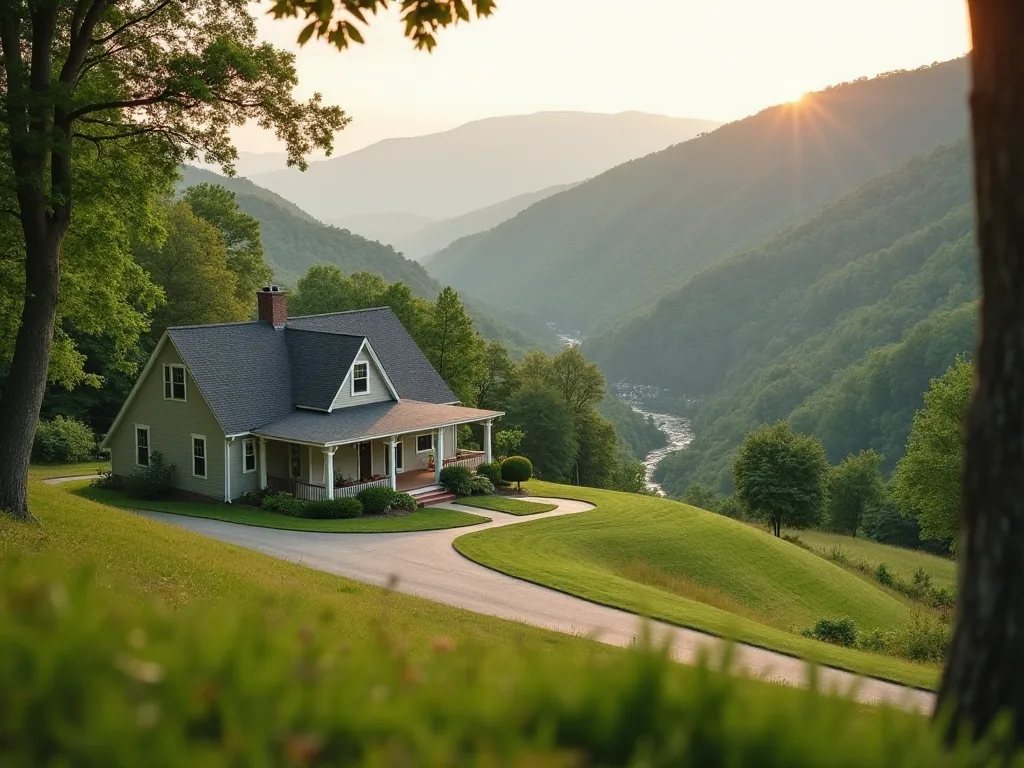
West Virginia stands as one of the most undervalued vacation home markets in the eastern United States, offering investors and second-home buyers a compelling combination of natural beauty, affordability, and growing tourism infrastructure. Nestled within the ancient Appalachian Mountains, the Mountain State presents unique opportunities for those seeking to establish a foothold in a region characterized by pristine wilderness, world-class outdoor recreation, and authentic mountain culture. As coastal and western mountain markets continue to experience price escalation, savvy investors are increasingly turning their attention to West Virginia's diverse landscape of ski resorts, whitewater rivers, historic towns, and protected wilderness areas.
The state's vacation home market has undergone significant transformation over the past decade, driven by improved accessibility, enhanced resort amenities, and a fundamental shift in how Americans approach remote work and lifestyle priorities. With the rise of digital nomadism and the normalization of flexible work arrangements, West Virginia's combination of natural amenities and relative affordability has positioned it as an attractive destination for both traditional vacation homeowners and those seeking primary residences in mountain communities. This comprehensive guide explores the opportunities, challenges, and strategic considerations for anyone interested in West Virginia's vacation home market.
Understanding West Virginia's Vacation Home Market Dynamics
The vacation home market in West Virginia operates within a unique economic and geographic context that distinguishes it from more established mountain resort markets in Colorado, Vermont, or North Carolina. The state's relatively low population density, combined with extensive public lands and protected wilderness areas, creates an environment where natural amenities remain accessible and unspoiled. This preservation of wilderness character represents a significant value proposition for buyers seeking authentic mountain experiences without the commercialization that characterizes many resort communities.
Property values in West Virginia's vacation home markets remain remarkably affordable compared to comparable mountain destinations. While ski-in/ski-out properties in Colorado or Vermont can command prices exceeding one million dollars, similar amenities in West Virginia are often available at a fraction of that cost. This affordability extends beyond purchase prices to include property taxes, insurance, and maintenance costs, creating a lower barrier to entry for first-time vacation home buyers and enabling investors to achieve more favorable cash-on-cash returns through rental operations.
The market has demonstrated resilience and growth potential, particularly in areas with established tourism infrastructure. Seasonal visitation patterns create predictable demand cycles, with winter months drawing skiers and snowboarders to mountain resorts, while spring through fall attracts hikers, mountain bikers, rock climbers, and whitewater enthusiasts. This diversified appeal across multiple seasons helps mitigate the occupancy challenges that plague single-season resort markets, providing vacation home owners with extended rental windows and more consistent income potential.
Prime Locations for Vacation Home Investment
Snowshoe Mountain: West Virginia's Premier Four-Season Resort
Snowshoe Mountain represents the crown jewel of West Virginia's vacation home market, offering the most developed resort infrastructure and the highest concentration of vacation properties in the state. Located in Pocahontas County at elevations exceeding 4,800 feet, Snowshoe provides genuine alpine conditions rare in the Mid-Atlantic region. The resort encompasses over 250 acres of skiable terrain, making it the largest ski resort in the Southeast and a primary draw for winter sports enthusiasts from Washington D.C., Baltimore, Charlotte, and other major metropolitan areas within a day's drive.
The vacation home market at Snowshoe ranges from studio condominiums suitable for weekend getaways to expansive mountain estates with premium amenities. Properties located within the resort's boundaries benefit from access to ski-in/ski-out convenience, on-mountain dining, retail services, and year-round activities including mountain biking, golf, and scenic chairlift rides. The resort's rental management programs provide turnkey solutions for owners seeking to generate income during periods of non-use, handling marketing, reservations, maintenance, and guest services.
Beyond winter sports, Snowshoe has successfully positioned itself as a four-season destination, hosting mountain biking events, music festivals, and corporate retreats throughout the warmer months. This diversification of activities and events creates extended rental demand and helps justify the premium pricing that Snowshoe properties command relative to other West Virginia markets. For investors prioritizing rental income potential and established resort amenities, Snowshoe represents the most mature and liquid market in the state.
Canaan Valley and Blackwater Falls: Natural Beauty and Outdoor Recreation
The Canaan Valley region, encompassing the resort community of Canaan Valley and the nearby Blackwater Falls State Park, offers a compelling alternative to Snowshoe's resort-centric model. This area combines developed ski resort amenities at Canaan Valley Resort State Park with proximity to some of West Virginia's most spectacular natural features, including the 57-foot Blackwater Falls and the expansive Canaan Valley National Wildlife Refuge. The valley's high elevation and unique ecosystem create conditions more reminiscent of Canada than the typical Appalachian environment, supporting distinctive flora and fauna.
Vacation homes in the Canaan Valley area tend to offer more land and privacy compared to resort-based properties, with many homes situated on multi-acre parcels surrounded by national forest or state park lands. This configuration appeals to buyers seeking seclusion and direct access to wilderness recreation, including cross-country skiing, snowshoeing, hiking, and wildlife observation. The area's designation as a dark sky region also attracts astronomy enthusiasts and those seeking escape from urban light pollution.
Property values in Canaan Valley generally fall below Snowshoe pricing while offering larger homes and more land, creating opportunities for buyers prioritizing space and natural setting over resort amenities. The rental market in this area tends to attract families and groups seeking self-contained vacation experiences with kitchen facilities and multiple bedrooms, as opposed to the hotel-style accommodations more common at resort properties. The nearby town of Davis provides dining, shopping, and services, while maintaining a authentic small-town mountain character that resonates with visitors seeking genuine Appalachian experiences.
Harpers Ferry: Historic Charm and Potomac River Access
Harpers Ferry occupies a unique position in West Virginia's vacation home market, combining historic significance, natural beauty, and proximity to major metropolitan areas. Located at the confluence of the Potomac and Shenandoah Rivers, this historic town served as the site of John Brown's famous raid and played a strategic role during the Civil War. Today, Harpers Ferry National Historical Park preserves much of the town's 19th-century character, creating an atmospheric setting that attracts history enthusiasts, outdoor recreationalists, and day-trippers from Washington D.C. and Baltimore.
The vacation home market in Harpers Ferry and surrounding Jefferson County differs significantly from the mountain resort markets in the state's interior. Properties here tend to emphasize historic character, river access, and proximity to the Appalachian Trail, which passes directly through town. The area's location at the intersection of West Virginia, Maryland, and Virginia creates a diverse real estate market with varying tax implications and regulatory environments depending on precise location. Many vacation homes in the area occupy restored historic structures or newer constructions designed to complement the town's architectural heritage.
Investment potential in Harpers Ferry benefits from consistent visitation to the national historical park, which attracts hundreds of thousands of visitors annually, as well as the town's popularity as a base for Appalachian Trail hikers and whitewater enthusiasts. The proximity to major employment centers also creates potential for the property to serve dual purposes as both vacation retreat and potential future primary residence, adding flexibility that pure resort markets cannot match. However, properties within the historic district may face preservation restrictions that limit modifications and renovations, requiring careful due diligence before purchase.
Seneca Rocks and the Potomac Highlands
Seneca Rocks, a dramatic 900-foot quartzite formation rising above the North Fork River, anchors a vacation home market focused on rock climbing, hiking, and wilderness recreation. This area of the Potomac Highlands attracts a dedicated community of outdoor enthusiasts drawn to world-class climbing routes, the Spruce Knob-Seneca Rocks National Recreation Area, and the surrounding Monongahela National Forest. The vacation home market here tends toward rustic cabins, riverside properties, and homes designed to accommodate climbing and hiking groups.
Property values in the Seneca Rocks area represent some of the most affordable options in West Virginia's vacation home market, with land parcels and older cabins available at prices that would be unthinkable in more developed resort markets. This affordability creates opportunities for buyers willing to invest in renovations or new construction, potentially creating distinctive vacation rentals that cater to the climbing and outdoor recreation community. The area's authentic mountain character and lack of commercial development appeal to those seeking genuine wilderness experiences without resort amenities or crowds.
The rental market in this area tends to be more seasonal and dependent on outdoor recreation conditions, with peak demand during spring and fall climbing seasons and summer hiking months. Winter visitation is lighter compared to ski resort areas, though cross-country skiing and winter hiking attract some cold-weather visitors. Investors considering this market should understand the niche appeal and be prepared for potentially lower occupancy rates compared to resort markets, balanced against significantly lower acquisition and operating costs.
New River Gorge: Whitewater and Adventure Tourism
The New River Gorge region has experienced increased attention following its designation as a National Park and Preserve, elevating its profile among outdoor recreation destinations and potentially impacting the vacation home market. The area is renowned for world-class whitewater rafting, rock climbing on the gorge walls, and the iconic New River Gorge Bridge, one of the longest single-span arch bridges in the Western Hemisphere. Towns including Fayetteville, Oak Hill, and Hinton serve as gateways to the park and support a growing adventure tourism economy.
Vacation homes in the New River Gorge area range from riverside cabins with direct water access to properties perched on the gorge rim with spectacular views. The market here has traditionally catered to whitewater enthusiasts, climbers, and mountain bikers, but the national park designation has broadened appeal to include general tourists and families seeking scenic beauty and outdoor activities. This expansion of the visitor base creates opportunities for vacation rental operators to capture demand from a more diverse demographic.
Investment considerations in this market include the seasonal nature of whitewater rafting, which peaks during spring runoff and declines during low-water summer and fall months, though climbing and mountain biking help extend the season. The area's economic revitalization efforts, including downtown redevelopment in Fayetteville and improved tourism infrastructure, suggest potential for property appreciation as the region continues to develop its tourism economy. Properties with distinctive features such as river frontage, gorge views, or proximity to climbing areas command premium pricing and stronger rental performance.
Berkeley Springs: Wellness Tourism and Historic Spas
Berkeley Springs occupies a distinctive niche in West Virginia's vacation home market, built around the historic warm springs that have attracted visitors since colonial times. The town maintains several spa facilities utilizing the natural mineral waters, creating a wellness tourism focus that differentiates it from the outdoor recreation emphasis of other West Virginia vacation markets. The combination of spa amenities, arts community, and proximity to Washington D.C. creates a market that appeals to buyers seeking relaxation and cultural activities alongside natural beauty.
The vacation home market in Berkeley Springs includes historic properties in the town center, contemporary homes in surrounding developments, and rural properties in the Cacapon Mountain area. Berkeley Springs State Park, located in the heart of downtown, provides public access to the warm springs and historic bathhouses, creating a unique amenity that supports property values and rental demand. The town's vibrant arts scene, including galleries, studios, and regular festivals, adds cultural dimension often absent in pure outdoor recreation markets.
Rental performance in Berkeley Springs benefits from consistent weekend visitation from the Washington-Baltimore metropolitan area, with many visitors making regular trips for spa treatments and relaxation. The market tends to attract an older demographic compared to adventure-focused areas, with implications for property design, amenities, and marketing approaches. Properties emphasizing comfort, accessibility, and proximity to spa facilities typically achieve stronger rental performance than those positioned for outdoor recreation.
Investment Strategies and Property Types
Turnkey Rental Properties
Turnkey rental properties represent the most straightforward entry point for investors seeking immediate income generation with minimal hands-on involvement. These properties, typically condominiums or homes within resort communities, come fully furnished and equipped for rental operations, often with existing rental management agreements in place. Resort-managed rental programs handle all aspects of operations including marketing, reservations, housekeeping, maintenance, and guest services, providing owners with passive income in exchange for management fees typically ranging from 30% to 50% of gross rental revenue.
The primary advantage of turnkey rental properties lies in their simplicity and predictability. Owners can project income based on historical rental performance data, understand operating costs through established budgets, and avoid the learning curve associated with establishing rental operations from scratch. Resort management companies bring professional marketing capabilities, established guest databases, and economies of scale in operations that individual owners would struggle to replicate independently.
However, turnkey properties typically command premium purchase prices reflecting their income-producing status and resort amenities, potentially limiting appreciation potential compared to undervalued properties requiring renovation or repositioning. Management fees, while providing convenience, significantly reduce net income and may include restrictions on personal use during peak rental periods. Investors should carefully analyze pro forma income statements, verify historical occupancy and rate data, and understand the terms of rental management agreements before committing to turnkey properties.
Value-Add Renovation Opportunities
West Virginia's vacation home market contains numerous properties offering value-add potential through strategic renovations and repositioning. Older cabins, dated condominiums, and properties with deferred maintenance often trade at significant discounts to comparable updated properties, creating opportunities for investors with renovation expertise or willingness to manage improvement projects. The spread between acquisition cost plus renovation investment and post-renovation value can generate substantial equity while creating a distinctive property that commands premium rental rates.
Successful value-add strategies typically focus on updates that directly impact rental appeal and rates, including kitchen and bathroom renovations, improved furnishings and décor, enhanced outdoor living spaces, and the addition of amenities such as hot tubs, fire pits, or game rooms. Properties with good bones but cosmetic deficiencies represent ideal candidates, as structural improvements quickly escalate costs and complexity. Understanding the target rental market and designing renovations to appeal to that demographic maximizes return on renovation investment.
Investors pursuing value-add strategies must carefully budget for renovation costs, which can exceed initial estimates in older mountain properties where hidden issues may emerge during construction. Working with local contractors familiar with mountain construction challenges, obtaining detailed inspections before purchase, and maintaining contingency reserves help mitigate renovation risks. The illiquidity during renovation periods and the need for hands-on project management make this strategy more suitable for experienced investors or those with construction backgrounds.
Land Banking and Development
Raw land acquisition represents a longer-term investment strategy focused on appreciation potential as West Virginia's vacation home markets continue to develop. Well-located parcels with desirable characteristics such as mountain views, water frontage, proximity to recreation areas, or development potential can appreciate significantly as demand for vacation homes increases and available inventory diminishes. Land banking requires patience and tolerance for holding costs without income generation, but offers potential for substantial returns when parcels are eventually developed or sold to builders.
Key considerations for land investment include access, utilities, topography, and regulatory environment. Properties with existing road access and available utilities command premium pricing but offer easier development paths, while remote parcels requiring infrastructure investment trade at discounts that may or may not be justified by development costs. Steep mountain topography can create spectacular views but may limit buildable areas and increase site development costs. Understanding local zoning, subdivision regulations, and environmental restrictions is essential before acquiring land for future development.
Some investors pursue land acquisition with immediate development intentions, either building custom vacation homes for personal use and rental or constructing spec homes for sale into the vacation home market. This strategy requires significant capital, construction expertise, and understanding of local market demand and pricing. The ability to create a distinctive property optimized for the specific location and target market can generate returns exceeding those available through existing property purchases, but with correspondingly higher risk and complexity.
Short-Term Rental Arbitrage
A less capital-intensive strategy involves leasing properties from owners and operating them as short-term rentals, capturing the spread between long-term lease costs and short-term rental revenue. This approach, sometimes called rental arbitrage, allows investors to enter the vacation rental market without property ownership, though it requires landlord cooperation and careful structuring to ensure profitability. Success depends on identifying properties in desirable locations where long-term lease rates are significantly below potential short-term rental revenue, and negotiating lease terms that permit short-term rental operations.
Rental arbitrage works best in markets with strong short-term rental demand but limited supply, where property owners may be unaware of rental potential or prefer the simplicity of long-term leases. Investors must account for furnishing costs, utilities, management expenses, and vacancy periods when evaluating potential deals, as these costs can quickly erode margins. The strategy also carries risk that landlords may terminate leases or that local regulations may restrict short-term rentals, potentially disrupting operations.
Financial Considerations and Return Analysis
Acquisition Costs and Financing
Financing vacation homes typically involves higher down payment requirements and interest rates compared to primary residences, as lenders view second homes and investment properties as higher risk. Conventional financing for vacation homes generally requires minimum down payments of 10% to 20% for qualified borrowers, with investment properties intended for rental often requiring 20% to 25% down. Interest rates on vacation home mortgages typically run 0.25% to 0.75% higher than primary residence rates, impacting overall returns and cash flow projections.
Buyers should factor in closing costs including title insurance, attorney fees, appraisal costs, and lender fees, which typically total 2% to 4% of the purchase price. West Virginia's property transfer taxes are relatively modest compared to some states, but buyers should verify exact costs for their specific transaction. Some resort communities impose additional transfer fees or require membership purchases, adding to acquisition costs beyond the property purchase price itself.
Cash purchases eliminate financing costs and strengthen negotiating positions, particularly in competitive situations or when purchasing distressed properties that may not qualify for conventional financing. However, all-cash purchases tie up capital that might generate returns elsewhere and eliminate the leverage that can amplify returns in appreciating markets. Investors should analyze the opportunity cost of cash deployment versus leveraged purchases based on their overall portfolio strategy and return requirements.
Operating Expenses and Carrying Costs
Vacation home operating expenses extend well beyond mortgage payments to include property taxes, insurance, utilities, maintenance, management fees, and supplies. West Virginia's property tax rates are generally favorable compared to many states, though rates vary by county and property values have been rising in popular vacation areas. Insurance costs for mountain properties can be substantial, particularly for homes in remote areas or those with features such as wood-burning stoves that insurers view as higher risk.
Utilities including electricity, water, septic, and propane or heating oil represent ongoing costs even during vacant periods, as properties must be maintained at minimum temperatures to prevent freezing and damage. Internet and cable services, increasingly essential for vacation rentals, add monthly costs. Properties within resort communities or homeowners associations face monthly or annual fees covering common area maintenance, amenities, and services, which can range from a few hundred to several thousand dollars annually depending on the community.
Maintenance and repair costs for mountain properties often exceed those for primary residences due to harsh weather conditions, seasonal vacancy periods when issues may go undetected, and wear from rental guests. Budgeting 1% to 2% of property value annually for maintenance provides a reasonable planning estimate, though actual costs vary based on property age, construction quality, and usage intensity. Properties operated as short-term rentals incur additional costs for cleaning between guests, supplies replenishment, and more frequent furniture and equipment replacement due to accelerated wear.
Revenue Potential and Occupancy Projections
Rental revenue potential varies dramatically based on location, property type, amenities, and management effectiveness. Premium properties in established resort markets like Snowshoe can generate $30,000 to $60,000 or more in annual gross rental revenue, while properties in less developed markets may produce $15,000 to $25,000. Occupancy rates in West Virginia vacation markets typically range from 30% to 60% annually, with higher rates achieved by well-managed properties in prime locations during peak seasons.
Seasonal rate variation significantly impacts revenue, with peak winter weekends at ski resorts commanding rates two to three times higher than summer weekdays. Understanding seasonal demand patterns and implementing dynamic pricing strategies that capture premium rates during high-demand periods while maintaining competitive pricing during shoulder seasons maximizes revenue. Properties that appeal to multiple market segments and can attract guests across different seasons achieve more consistent occupancy and revenue compared to single-season properties.
Investors should analyze comparable property performance data, review historical occupancy and rate information, and develop conservative revenue projections that account for ramp-up periods, seasonal variation, and potential market disruptions. Relying on pro forma projections from sellers or resort management companies without independent verification can lead to disappointing results, as these projections may reflect optimal rather than typical performance. Building financial models with sensitivity analysis showing performance under various occupancy and rate scenarios helps identify acceptable risk levels and return potential.
Tax Implications and Benefits
Vacation home taxation involves complex rules that vary based on personal use versus rental activity. Properties rented fewer than 15 days annually receive favorable tax treatment, with rental income excluded from taxable income and the property treated as a personal residence for deduction purposes. Properties rented more than 14 days and used personally for the greater of 14 days or 10% of rental days are treated as personal residences with limited rental expense deductions. Properties rented more than 14 days with personal use below these thresholds qualify as rental properties, allowing full deduction of rental expenses against rental income.
Rental property classification enables depreciation deductions, which can shelter rental income from taxation and create paper losses that may offset other income subject to passive activity loss limitations. Investors should consult tax professionals to structure ownership and usage patterns to optimize tax treatment based on their specific situations. Some investors form limited liability companies to hold vacation properties, providing liability protection and potential tax planning flexibility, though this structure may complicate financing and incur additional administrative costs.
West Virginia does not impose state income tax on rental income for non-residents, though rental revenue remains subject to federal taxation. The state does impose a consumer sales tax on short-term lodging, which vacation rental operators must collect and remit. Understanding and complying with state and local tax obligations, including business registration requirements and tax collection responsibilities, is essential for vacation rental operators to avoid penalties and legal issues.
Regulatory Environment and Legal Considerations
Zoning and Short-Term Rental Regulations
West Virginia's regulatory environment for vacation rentals remains relatively permissive compared to many states, with most regulation occurring at the county and municipal level rather than through state-wide restrictions. However, this decentralized approach creates variation across jurisdictions, requiring investors to research specific regulations applicable to their target properties. Some counties and municipalities have implemented registration requirements, occupancy limits, parking standards, and noise restrictions for short-term rentals, while others maintain minimal regulation.
Properties within planned resort communities or homeowners associations may face additional restrictions through covenants, conditions, and restrictions (CC&Rs) that limit or regulate rental activities. Some communities prohibit short-term rentals entirely, while others impose minimum rental periods, guest limits, or require use of designated rental management companies. Reviewing governing documents and understanding enforcement practices before purchase is essential to avoid discovering rental restrictions after acquisition.
The regulatory landscape for short-term rentals continues to evolve as vacation rental platforms have expanded and communities grapple with balancing tourism economic benefits against resident quality of life concerns. Investors should monitor regulatory developments in their target markets and maintain flexibility to adapt operations to changing requirements. Engaging with local tourism organizations and maintaining positive relationships with neighbors and community leaders can help vacation rental operators navigate regulatory challenges and participate in policy discussions.
Liability and Insurance Requirements
Operating vacation rentals creates liability exposure beyond that of typical homeownership, as property owners assume responsibility for guest safety and property conditions. Comprehensive insurance coverage specifically designed for vacation rentals is essential, as standard homeowners policies typically exclude or limit coverage for rental activities. Vacation rental insurance policies provide liability coverage for guest injuries, property damage caused by guests, and loss of rental income due to covered events that render properties uninhabitable.
Insurance costs for vacation rentals typically exceed standard homeowners insurance by 25% to 50% or more, depending on property characteristics, rental activity levels, and coverage limits. Properties with features that insurers view as higher risk, such as hot tubs, trampolines, or proximity to water, may face higher premiums or coverage exclusions. Some insurers specialize in vacation rental coverage and offer policies tailored to short-term rental operations, while traditional carriers may be reluctant to provide adequate coverage or charge prohibitive premiums.
Beyond insurance, vacation rental operators should implement risk management practices including thorough guest screening, detailed rental agreements specifying rules and responsibilities, regular property inspections and maintenance, and prompt response to guest concerns or complaints. Some operators form limited liability companies or other legal entities to hold properties, creating separation between rental operations and personal assets. Consulting with insurance professionals and attorneys familiar with vacation rental operations helps ensure adequate protection against the unique risks of short-term rental activities.
Property Management and Operations
Professional Management versus Self-Management
Vacation rental operators face a fundamental choice between engaging professional management companies or self-managing their properties. Professional management provides comprehensive services including marketing, reservations, guest communications, cleaning, maintenance, and emergency response, allowing owners to remain passive while generating rental income. Management companies bring established marketing channels, professional photography and listing optimization, dynamic pricing expertise, and operational systems that individual owners would struggle to replicate.
However, professional management comes at significant cost, with fees typically ranging from 20% to 50% of gross rental revenue depending on services provided and property location. Resort-based management programs tend toward the higher end of this range, while independent management companies in less developed markets may charge lower percentages. These fees directly reduce net income and can make the difference between positive and negative cash flow, particularly for properties with modest rental revenue potential.
Self-management allows owners to retain the full rental revenue minus direct operating costs, potentially increasing net income by thousands of dollars annually. Modern vacation rental platforms including Airbnb and VRBO provide marketing reach and reservation systems that were previously available only through professional management companies, democratizing access to the vacation rental market. However, self-management requires significant time investment for guest communications, coordinating cleaning and maintenance, managing reservations and pricing, and responding to emergencies or guest issues that may arise at inconvenient times.
Many owners adopt hybrid approaches, handling marketing and reservations themselves while engaging local service providers for cleaning, maintenance, and emergency response. This model captures some cost savings of self-management while outsourcing the most time-sensitive and location-dependent tasks. The optimal management approach depends on owner proximity to the property, available time and expertise, rental revenue potential, and personal preferences regarding involvement in operations.
Marketing and Guest Acquisition
Effective marketing is essential for achieving strong occupancy and rental rates in increasingly competitive vacation rental markets. Professional photography showcasing the property's best features, mountain views, and amenities represents the single most important marketing investment, as listing photos drive initial guest interest and booking decisions. Detailed property descriptions highlighting unique features, nearby attractions, and amenities help properties stand out and set accurate guest expectations that lead to positive reviews.
Listing properties on multiple platforms including Airbnb, VRBO, and Booking.com maximizes exposure to potential guests, though managing calendars across platforms requires attention to avoid double-bookings. Some owners create direct booking websites to capture repeat guests and avoid platform commission fees, offering modest discounts to incentivize direct bookings. Building email lists of past guests and implementing remarketing campaigns can generate repeat bookings at lower acquisition costs than new guest bookings through platforms.
Dynamic pricing strategies that adjust rates based on demand, seasonality, local events, and competitor pricing optimize revenue by capturing premium rates during high-demand periods while maintaining competitive pricing during slower periods. Pricing software and tools can automate rate adjustments based on market conditions, though owners should monitor results and override automated pricing when appropriate. Understanding local demand drivers including ski conditions, festival dates, and holiday periods allows strategic pricing that maximizes revenue during peak periods.
Guest Experience and Review Management
Guest reviews on vacation rental platforms significantly impact booking rates and achievable pricing, making guest satisfaction and review management critical operational priorities. Properties with consistently high ratings and positive reviews achieve higher occupancy and can command premium pricing, while properties with negative reviews or low ratings struggle to attract bookings even at discounted rates. Providing exceptional guest experiences through clean, well-maintained properties, responsive communication, and thoughtful amenities generates positive reviews that drive future bookings.
Setting accurate expectations through honest property descriptions and photos prevents negative reviews stemming from disappointed expectations. Providing detailed check-in instructions, local recommendations, and responsive communication throughout the guest stay demonstrates professionalism and attentiveness that guests appreciate. Small touches such as welcome baskets, local guidebooks, or recommendations for restaurants and activities create memorable experiences that translate into positive reviews and repeat bookings.
Responding professionally to negative reviews, acknowledging legitimate concerns, and explaining steps taken to address issues demonstrates accountability and can mitigate damage from occasional negative feedback. Most guests understand that occasional issues arise and evaluate properties based on overall patterns rather than isolated incidents, particularly when owners demonstrate responsiveness and commitment to guest satisfaction. Monitoring reviews, analyzing feedback for operational improvements, and continuously enhancing the guest experience creates a virtuous cycle of positive reviews, increased bookings, and higher revenue.
Market Trends and Future Outlook
Remote Work and Lifestyle Migration
The normalization of remote work arrangements has fundamentally altered vacation home market dynamics, creating demand from buyers who view mountain properties not merely as occasional retreats but as potential primary residences or extended-stay locations. West Virginia's combination of natural amenities, affordable housing, and improving internet infrastructure positions it to capture some of this lifestyle migration, particularly from expensive coastal markets where remote workers can dramatically reduce living costs while improving quality of life through access to outdoor recreation and natural beauty.
This trend creates opportunities for vacation home owners to capture longer-term rentals from remote workers seeking month-long or seasonal stays in mountain locations. These extended stays generate more stable income with lower turnover costs compared to traditional weekend vacation rentals, while potentially attracting more responsible guests who treat properties with greater care. Properties with dedicated office spaces, reliable high-speed internet, and comfortable year-round living amenities are best positioned to capture this emerging market segment.
However, the influx of remote workers and lifestyle migrants may also increase competition for vacation properties, driving prices higher and potentially reducing rental yields as more properties enter the vacation rental market. Markets that successfully attract remote workers may experience broader economic development including improved services, dining options, and cultural amenities, enhancing overall appeal but potentially changing the character that initially attracted buyers seeking authentic mountain experiences.
Infrastructure Development and Accessibility
West Virginia's vacation home markets benefit from ongoing infrastructure improvements that enhance accessibility and reduce travel times from major metropolitan areas. Road improvements, including the completion of Corridor H connecting the eastern panhandle to the interior highlands, have shortened drive times and opened previously remote areas to weekend visitors from Washington D.C. and Baltimore. Continued infrastructure investment could further improve accessibility, expanding the practical market area for vacation homes and potentially driving property appreciation.
Broadband internet expansion represents another critical infrastructure development, as reliable high-speed internet has become essential for vacation rentals and remote work applications. State and federal programs aimed at expanding rural broadband access are gradually improving connectivity in mountain areas, though coverage remains inconsistent and some remote properties still lack adequate internet service. Properties with reliable high-speed internet access enjoy competitive advantages in attracting both vacation renters and potential buyers, while those without connectivity face increasing disadvantages as guest expectations evolve.
Resort and tourism infrastructure development, including new or expanded ski areas, mountain biking trail networks, and adventure tourism facilities, creates amenities that support vacation home values and rental demand. The New River Gorge's national park designation exemplifies how infrastructure and designation changes can elevate regional profiles and attract increased visitation. Monitoring planned infrastructure projects and tourism development initiatives can help investors identify emerging markets before broader recognition drives property values higher.
Environmental and Climate Considerations
Climate change may paradoxically benefit West Virginia's vacation home markets as rising temperatures and reduced snowfall impact traditional ski destinations in lower elevations or southern latitudes. West Virginia's high-elevation ski resorts may experience more reliable snow conditions relative to competitors as climate patterns shift, potentially increasing their competitive position and supporting property values. However, the overall trend toward warmer winters and reduced snowfall represents a long-term risk for ski-focused vacation markets that investors should consider in their analysis.
Increasing frequency of extreme weather events including flooding, severe storms, and wildfire risk requires attention to property resilience and insurance availability. Properties in flood-prone areas or those with wildfire exposure may face increasing insurance costs or coverage limitations that impact operating economics and resale values. Understanding environmental risks specific to target properties and implementing appropriate mitigation measures protects investments and ensures long-term viability.
Growing environmental consciousness among travelers creates opportunities for vacation rentals that emphasize sustainability, energy efficiency, and environmental stewardship. Properties with solar power, energy-efficient construction, water conservation measures, and minimal environmental impact may appeal to environmentally conscious guests willing to pay premiums for sustainable accommodations. Marketing properties' environmental features and implementing sustainable operating practices can differentiate offerings in competitive markets while aligning with broader societal trends toward environmental responsibility.
Due Diligence and Purchase Process
Property Inspections and Condition Assessment
Thorough property inspections are essential when purchasing vacation homes, particularly older mountain properties where deferred maintenance, weather exposure, and seasonal vacancy may have created issues not immediately apparent during showings. Engaging qualified inspectors with mountain property experience helps identify structural issues, water intrusion, foundation problems, roof conditions, and mechanical system deficiencies that could require expensive repairs. Septic systems, wells, and other rural infrastructure components require specialized inspection beyond standard home inspections.
Properties marketed as vacation rentals with existing rental history warrant additional scrutiny, as intensive guest use may have created wear and damage beyond that of owner-occupied homes. Inspecting furnishings, appliances, and finishes for condition and remaining useful life helps buyers understand near-term replacement costs. Reviewing maintenance records, utility bills, and rental management reports provides insight into operating costs and property performance that informs valuation and negotiation.
Environmental assessments may be appropriate for properties with features such as underground storage tanks, proximity to former industrial sites, or evidence of contamination. Flood zone determinations, wildfire risk assessments, and other environmental due diligence help buyers understand risks and insurance requirements. The cost of comprehensive inspections and assessments represents a small fraction of purchase prices and can identify issues that justify price reductions or allow buyers to avoid problematic properties entirely.
Title Review and Legal Considerations
Title review for mountain properties requires attention to access easements, mineral rights, water rights, and boundary disputes that may not be issues in suburban residential transactions. Many West Virginia properties have severed mineral rights, meaning surface owners do not control subsurface minerals, which could theoretically be extracted by mineral rights holders. While active mining on vacation properties is rare, understanding mineral rights status and any associated risks or limitations is important for informed decision-making.
Access easements deserve careful review, particularly for properties accessed via private roads or roads crossing other properties. Understanding maintenance responsibilities, cost-sharing arrangements, and any restrictions on easement use prevents future disputes and unexpected expenses. Some mountain properties have deeded access but lack maintained roads, requiring buyers to invest in road improvements or accept limited accessibility during certain seasons.
Reviewing homeowners association documents, resort community governing documents, and any deed restrictions reveals limitations on property use, architectural requirements, and ongoing fee obligations. Some communities impose transfer fees, require membership purchases, or mandate use of specific service providers, adding costs and restrictions beyond the property purchase itself. Understanding these obligations before closing prevents surprises and allows buyers to factor ongoing costs into their investment analysis.
Negotiation Strategies and Market Timing
Vacation home markets exhibit seasonal patterns that create opportunities for strategic buyers. Listing activity and buyer competition typically peak during spring and summer months when properties show well and buyers are actively planning for upcoming vacation seasons. Fall and winter, particularly after holidays, often see reduced competition and more motivated sellers, creating opportunities for negotiation and favorable pricing. However, viewing properties during off-seasons may not reveal their full appeal, and winter inspections may not identify issues that only manifest during warmer months.
Understanding seller motivations helps inform negotiation strategies. Sellers facing financial pressure, dealing with inherited properties, or relocating for employment may be more flexible on price and terms than sellers casually testing the market. Properties with extended days on market or multiple price reductions signal potential negotiating opportunities, though buyers should understand why properties have languished before assuming they represent bargains.
Offering terms attractive to sellers beyond price can strengthen negotiating positions, including flexible closing timelines, limiting inspection contingencies to major issues, or providing larger earnest money deposits demonstrating commitment. Cash offers eliminate financing contingencies and appraisal risks, providing certainty that appeals to many sellers. However, buyers should not waive reasonable protections or overpay simply to secure properties, as other opportunities will emerge in markets with reasonable inventory levels.
Building a Successful Vacation Home Investment
Success in West Virginia's vacation home market requires combining careful property selection, realistic financial analysis, effective operations, and long-term perspective. The most successful investors approach vacation homes as businesses requiring active management and continuous improvement rather than passive investments that automatically generate returns. Understanding target markets, delivering exceptional guest experiences, maintaining properties to high standards, and adapting to changing market conditions separates successful vacation rental operators from those who struggle to achieve positive returns.
Financial discipline and conservative projections protect investors from overextending based on optimistic assumptions that may not materialize. Building reserves for maintenance, repairs, and periods of lower-than-expected occupancy provides buffers against inevitable challenges and prevents forced sales during market downturns. Treating vacation homes as long-term investments rather than speculative plays allows investors to weather short-term market fluctuations and benefit from appreciation over extended holding periods.
The personal enjoyment dimension of vacation home ownership, while not directly measurable in financial returns, represents real value for many owners. The ability to create family memories, enjoy mountain recreation, and share special places with friends and family provides intangible benefits that complement financial returns. Balancing personal use with rental income optimization, understanding the trade-offs between maximum financial returns and personal enjoyment, and maintaining realistic expectations about both financial and lifestyle benefits leads to more satisfying vacation home ownership experiences.
Resources and Next Steps
Prospective vacation home buyers should begin by visiting target markets during different seasons to understand their character, assess accessibility, and experience the amenities and attractions that draw visitors. Connecting with local real estate agents specializing in vacation properties provides market insights, access to listings, and guidance through the purchase process. Attending open houses, reviewing comparable sales data, and analyzing rental performance of similar properties builds understanding of market dynamics and realistic pricing.
Engaging with vacation rental management companies, even for buyers planning to self-manage, provides insights into rental potential, operating costs, and market demand. Many management companies offer free consultations and can provide historical performance data for properties under their management. Reviewing vacation rental listings on platforms like Airbnb and VRBO reveals competitive properties, pricing strategies, and guest reviews that inform property selection and operational planning.
Financial preparation including mortgage pre-approval, reserve fund accumulation, and return requirement analysis should precede serious property search activities. Understanding financing options, down payment requirements, and qualification criteria prevents disappointment when attractive properties are identified. Assembling a team including real estate agents, inspectors, attorneys, accountants, and potentially property managers before beginning the search process enables efficient execution when the right opportunity emerges.
For those interested in learning more about West Virginia tourism and outdoor recreation opportunities, the West Virginia Tourism Office provides comprehensive information about attractions, events, and destinations throughout the state. The Monongahela National Forest website offers details about public lands, recreation areas, and wilderness opportunities that enhance vacation home appeal. Industry resources such as Vacasa's vacation rental management insights provide broader context about vacation rental markets and operational best practices applicable to West Virginia properties.
Conclusion: Seizing Opportunities in West Virginia's Mountain Markets
West Virginia's vacation home market presents compelling opportunities for investors and lifestyle buyers seeking mountain properties at accessible price points with genuine appreciation potential. The state's combination of spectacular natural beauty, diverse outdoor recreation, improving infrastructure, and relative affordability creates a value proposition that compares favorably to more expensive and developed mountain resort markets. While challenges including seasonal demand, property management requirements, and market development risks exist, informed investors who conduct thorough due diligence and implement effective operational strategies can achieve attractive returns while enjoying personal use of mountain retreats.
The vacation home market continues to evolve, influenced by remote work trends, infrastructure development, environmental considerations, and changing consumer preferences. Investors who understand these dynamics, select properties aligned with emerging trends, and remain flexible in their strategies position themselves to benefit from West Virginia's ongoing development as a vacation destination. Whether seeking rental income, long-term appreciation, personal enjoyment, or some combination of these objectives, West Virginia's Appalachian Mountains offer opportunities worthy of serious consideration for vacation home investors.
Success requires moving beyond surface-level analysis to understand specific markets, property types, and operational requirements that determine investment outcomes. The information presented in this guide provides a foundation for that deeper analysis, but cannot substitute for on-the-ground research, professional guidance, and careful evaluation of individual properties and circumstances. Those willing to invest the time and effort to truly understand West Virginia's vacation home markets will discover opportunities that reward both financial objectives and lifestyle aspirations in one of America's most underappreciated mountain regions.