Table of Contents
Smart lighting and climate control systems have transformed from luxury upgrades into essential components of modern home automation. These intelligent technologies work together to create living environments that adapt to your needs while significantly reducing energy consumption and utility costs. As we move through 2026, the integration of advanced sensors, machine learning algorithms, and seamless connectivity has made these systems more accessible, intuitive, and effective than ever before.
The convergence of smart lighting and climate control represents a fundamental shift in how we interact with our homes. Rather than manually adjusting switches and thermostats throughout the day, homeowners can now rely on automated systems that learn preferences, respond to environmental conditions, and optimize energy usage without constant intervention. This comprehensive guide explores the multifaceted benefits, advanced features, implementation strategies, and real-world applications of these transformative technologies.
Understanding Smart Lighting Systems
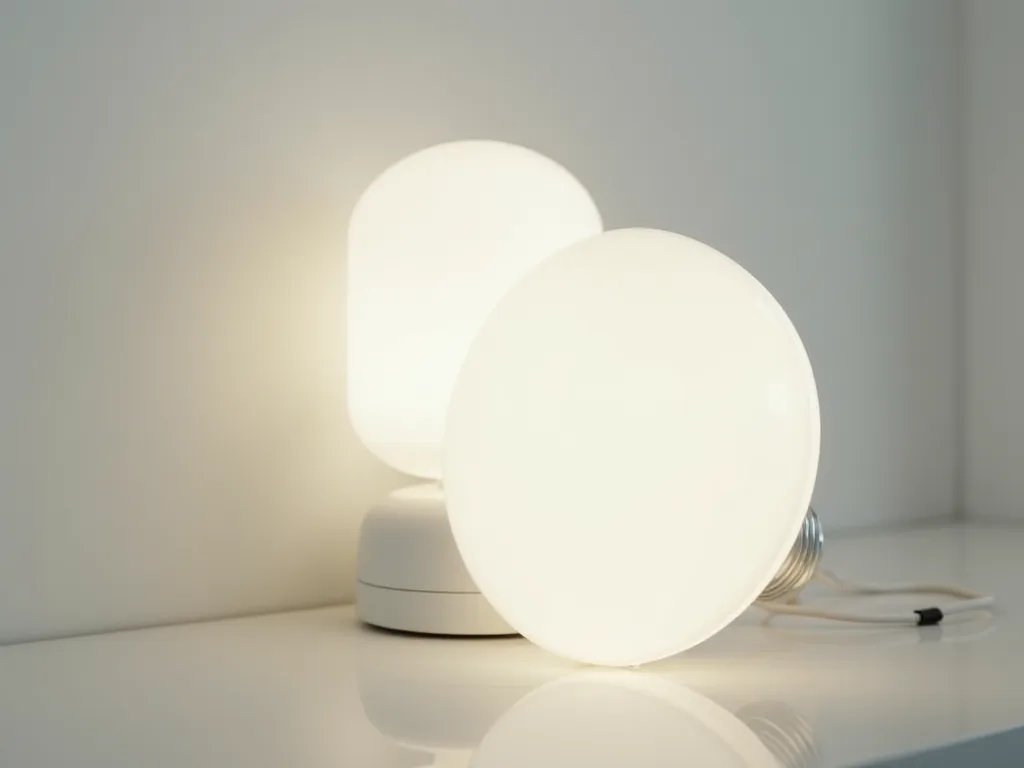
Smart lighting systems represent a revolutionary approach to illumination that extends far beyond simple on-off functionality. These connected networks of light fixtures, bulbs, switches, and sensors communicate wirelessly to create dynamic lighting environments that respond to user preferences, time of day, occupancy patterns, and even natural daylight availability.
The foundation of smart lighting systems begins with connected bulbs or fixtures that communicate with control devices through wireless protocols, maintaining constant power while receiving digital commands. Modern LEDs can integrate with IoT (Internet of Things), allowing users to control brightness, temperature, and scheduling via smartphones, voice assistants, or smart hubs.
How Smart Lighting Technology Works
Each bulb contains embedded microprocessors that interpret signals and adjust output accordingly, with commands traveling through your home network to the bulb's receiver nearly instantaneously. This wireless communication happens through various protocols including Wi-Fi, Zigbee, Bluetooth, and the emerging Matter standard, each offering different advantages in terms of range, power consumption, and compatibility.
Most systems allow you to group multiple fixtures together, creating zones that respond to single commands, making it possible to control entire rooms or specific areas with precision. This zoning capability proves particularly valuable in larger homes or commercial spaces where different areas require distinct lighting profiles throughout the day.
Comprehensive Benefits of Smart Lighting
The advantages of smart lighting extend across multiple dimensions, from practical energy savings to enhanced wellbeing and aesthetic flexibility.
Energy Efficiency and Cost Savings
Smart LEDs can cut energy usage by up to 80% compared to traditional incandescent bulbs. According to DOE guidance, schools that upgrade from fluorescent to LED lighting can achieve 20–60% energy savings, but controls such as dimming, occupancy sensors, and daylight harvesting significantly increase those savings. Energy savings, combined with LED technology, can reduce electricity bills by up to 50% in some residential and commercial applications.
Controls such as occupancy and daylight sensors – which are already mature and cost-effective – can deliver significant additional savings, particularly in non-residential buildings. These automated controls ensure lights operate only when needed, eliminating the waste associated with lights left on in unoccupied spaces.
Human-Centric Lighting and Wellness
Human-centric lighting is a design approach that puts people at the center of lighting decisions, considering how light affects mood, energy levels, and sleep patterns by mimicking natural daylight cycles to help create healthier and more comfortable living environments.
At its core, this approach works by aligning indoor lighting with natural daylight patterns and the body's natural circadian rhythm, with lighting changing throughout the day to support how we naturally respond to light. In the morning, cooler white light with a higher color temperature (around 5000K–6500K) helps increase energy and focus, gradually shifting to warmer tones as the day progresses, with lower color temperatures (below 2700K) by evening creating a softer, more calming environment.
Homeowners can remotely switch off lights at home or enable sunlight-mimicking lighting changes to improve circadian rhythms, with circadian-aware lighting systems gaining traction in U.S. workplaces and healthcare settings. Psychologists note that proper lighting boosts mood and productivity, making it ideal for home offices or relaxation zones.
Customization and Ambiance Control
Intelligent lighting allows color-changing bulbs to mimic natural daylight or create party vibes with pulsing hues. Color tunability is becoming a lighting essential, with homeowners and businesses able to adjust lighting to suit moods, vibes, or events – from warm, cozy tones for relaxation to crisp, cool whites for focused work.
Smart lighting allows users to create customized lighting scenes, allowing lighting to adapt to different activities and moods throughout the day, making it a more active and responsive part of daily life. Whether you're hosting a dinner party, watching a movie, working from home, or winding down for the evening, preset scenes can instantly transform your space to match the occasion.
Advanced Smart Lighting Features
Modern smart lighting systems incorporate sophisticated capabilities that extend far beyond basic remote control.
Automated Scheduling and Routines
Smart lighting controls are automated systems that adjust lighting levels, timing, and color based on occupancy, daylight availability, and user preferences, enabling lighting to respond dynamically to real-time conditions rather than operating on static schedules. You can program lights to gradually brighten in the morning to simulate sunrise, dim automatically as evening approaches, or turn off completely when you leave for work.
Motion sensors light only occupied rooms, or schedule dimming during peak hours, with integration with smart thermostats ensuring lights sync with your routine, potentially saving $100+ annually on bills. These automated routines eliminate the need for manual adjustments while ensuring optimal energy efficiency.
Voice Control and Smart Home Integration
Voice commands via Alexa or Google Assistant make it effortless: "Hey Google, movie mode" dims lights and adds a cinematic glow. This hands-free control proves particularly convenient when your hands are full, you're entering a dark room, or you simply want to adjust lighting without reaching for a device.
Integration includes Amazon Alexa, Google Assistant, or Apple HomeKit, with automated schedules turning lights on/off at preset times and motion & occupancy sensors providing energy-saving automation. Smart lighting systems can also integrate with security systems, smart locks, and other home automation devices to create comprehensive automated routines.
Occupancy Sensing and Daylight Harvesting
Smart lighting controls reduce energy consumption through automated dimming and occupancy sensing. Occupancy sensors detect movement in rooms and automatically turn lights on when someone enters and off after a period of no activity. This feature proves especially valuable in hallways, bathrooms, garages, and other transitional spaces where lights are frequently left on unnecessarily.
Daylight harvesting takes this concept further by using photosensors to measure natural light levels and automatically dim or brighten artificial lighting to maintain consistent illumination while minimizing energy consumption. In spaces with windows, this technology can dramatically reduce daytime lighting costs while maintaining optimal visibility.
Smart Lighting Implementation Considerations
Successfully implementing smart lighting requires careful planning and consideration of several factors.
System Architecture Options
Smart lighting systems generally fall into three categories: individual smart bulbs, smart switches and dimmers, and integrated whole-home systems. Individual LED bulbs with Wi-Fi, Zigbee, or Bluetooth connectivity are popular for single-room upgrades and DIY installations. Smart switches replace traditional wall switches, allowing control over existing fixtures while retaining manual operation.
Wired systems are recommended for long-term reliability, while wireless systems are ideal for DIY upgrades and retrofitting existing properties. The choice depends on your budget, technical comfort level, home ownership status, and long-term automation goals.
Security and Privacy Considerations
Protecting your smart lighting systems from unauthorized access requires attention to network security fundamentals, with strong, unique passwords for both your Wi-Fi network and lighting accounts forming the first defense layer. Regular firmware updates address security vulnerabilities discovered after product release, with automatic updates ensuring your devices receive patches promptly.
Consider creating a separate network for IoT devices, enabling two-factor authentication where available, and regularly reviewing which devices have access to your smart home systems. These precautions help protect your privacy and prevent unauthorized access to your home automation network.
Smart Climate Control and Thermostat Technology
Smart thermostats and climate control systems represent one of the most impactful home automation investments, directly addressing the largest component of residential energy consumption. For the average American household, almost half the annual energy bill goes to heating and cooling – more than $900 a year, with being smart about temperature control helping save money and stay comfortable.
How Smart Thermostats Work
At its most basic, a smart thermostat is a WiFi-connected device that automatically adjusts heating and cooling temperature settings in your home for optimal performance. Smart thermostats leverage advanced technology, including Wi-Fi connectivity and machine learning algorithms, allowing homeowners to remotely manage and program their HVAC systems through smartphone apps or web interfaces, with the ability to learn from user behaviors, adapt to preferences, and adjust temperature settings accordingly.
Smart thermostats may use a combination of sensors, AI algorithms and machine learning to optimize temperature control based on user habits, environmental conditions and energy efficiency, learning when you are home, away or sleeping and adjusting accordingly by tracking manual adjustments and creating a schedule based on usage patterns.
Key Features of Smart Thermostats
Learning Capabilities and Adaptive Scheduling
Certain ENERGY STAR certified smart thermostats can learn your preferences automatically and establish a schedule that adjusts to energy-saving temperatures when you are asleep or away. Common features include learning the temperatures that you prefer and developing a schedule that automatically adjusts to energy-saving temperatures whether you are asleep, away or at home.
Smart thermostats continue to learn and adapt over time, honing their temperature adjustments to maximize efficiency and cost savings, gaining insights into preferences and daily routines, with the more data accumulated, the better it becomes at predicting occupants' needs and proactively adjusting temperature settings. This continuous learning process means your system becomes more efficient and personalized the longer you use it.
Remote Access and Control
Smart thermostats enable you to control the temperature of your home remotely through your smartphone. Homeowners can access their smart thermostat's controls from anywhere with an internet connection, allowing them to manage temperature settings even when away from home, proving valuable when homeowners forget to adjust the thermostat before leaving for an extended period or when plans change suddenly.
This feature allows your thermostat to detect when you've left for the day to 'set back' your HVAC system and save money on your heating or A/C bill, and if you're on the way home, the thermostat can automatically adjust the temperature to ensure you arrive to a comfortable home. This geofencing capability uses your smartphone's location to automatically trigger temperature adjustments based on your proximity to home.
Energy Monitoring and Usage Analytics
Smart thermostats provide energy usage data for your home that you can track and manage. Smart thermostats help save money and energy by allowing more efficient temperature control through energy monitoring, giving real-time data on energy use so you can make smarter decisions and adjust settings to reduce unnecessary heating or cooling.
Many smart thermostats provide detailed reports showing when your HVAC system runs, how long it operates, and how much energy it consumes. These insights help identify patterns, optimize schedules, and make informed decisions about temperature settings and system maintenance.
Multi-Zone Temperature Control
Smart thermostats enable you to set different temperature zones in your home, ensuring each area is heated or cooled only when needed, preventing energy waste in unoccupied rooms. This zoned approach proves particularly valuable in larger homes where different family members have varying temperature preferences or where certain areas are used at different times of day.
Homes with zoned HVAC systems have more control over the temperature in different rooms and where they're spending their energy dollars. Room sensors can be placed throughout your home to monitor temperature and occupancy in specific areas, allowing the system to prioritize comfort where people are actually present.
Weather Adaptation and Environmental Response
Smart thermostats adapt to unusual or variable weather patterns through weather adaptation features that monitor real-time climate variability, using local weather data and sensors to automatically adjust your home's temperature, ensuring comfort and energy efficiency despite unpredictable weather. By accessing local weather forecasts, smart thermostats can preemptively adjust settings before temperature changes occur, maintaining comfort while optimizing energy consumption.
Energy Savings and Financial Benefits
The financial case for smart thermostats is compelling, with documented savings across numerous independent studies and real-world implementations.
Documented Energy Savings
On average, savings are approximately 8% of heating and cooling bills or $50 per year. According to data from two independent studies of actual Nest customers, smart thermostats can, on average, save customers between 10-12 percent on heating and 15 percent on cooling. Some users save up to 10-12% on heating and cooling costs.
Smart thermostats can cut heating and cooling bills by an average of 20% annually. By automatically lowering temperatures when you're asleep or away, smart thermostat benefits include consistent energy savings with minimal effort, often cutting heating and cooling costs by up to 10-15%.
Factors Affecting Savings Potential
Savings may be greater depending on climate, personal comfort preferences, occupancy, and/or heating/cooling (HVAC) equipment. Homes that experience extreme changes in temperature over the course of a year will generally see greater savings with ENERGY STAR-certified smart thermostats, with temperate climates usually spending less on HVAC bills and thus savings generally slightly lower, and homes that are always occupied seeing less savings.
Proper installation, calibration, and user habits significantly influence actual energy and cost savings, with climate, home size, and insulation quality determining the effectiveness of smart climate control, and the true financial benefit depending on long-term usage patterns and proper system integration. Insulation quality impacts how well your home retains heat, reducing the workload on your heating and cooling system, with poor insulation meaning your system works harder, decreasing potential savings.
Return on Investment Timeline
Based on typical energy costs, Nest estimates that the average customer can expect to save roughly $140 per year on energy bills. ENERGY STAR says you could save up to $100 a year when you upgrade to a smart thermostat. With smart thermostats typically costing between $150-250, and many utilities offering rebates of $50-100, the payback period often ranges from one to three years, after which the savings represent pure financial benefit.
Enhanced Comfort and Convenience
Beyond energy savings, smart thermostats deliver significant improvements in comfort and daily convenience.
Precision Temperature Control
One of the key ways smart thermostats save money is through precision temperature control, with traditional thermostats relying on manual adjustments often leading to temperature overshooting and wasting energy, while smart thermostats can maintain a more consistent temperature by learning from occupants' patterns and adjusting heating and cooling cycles accordingly.
Comfort goes beyond the number on the thermostat, with smart thermostats helping create steady, even temperatures throughout your home while factoring in humidity and airflow. This results in fewer hot or cold spots and smoother transitions between heating and cooling cycles.
Automated Comfort Optimization
Smart thermostats have the ability to create personalized schedules, with homeowners able to set specific temperature settings based on their daily routines, allowing the HVAC system to work more efficiently when occupants are present and reducing energy usage when the home is empty. You can choose a time-based schedule or a location-based schedule that uses geofencing to determine your home or away settings, with some smart thermostats learning your schedule and adjusting automatically, ensuring efficient operation whether you work a 9-to-5 job, travel frequently or spend a lot of time at home.
Smart Thermostat vs. Programmable Thermostat
Programmable thermostats require user programming that is static until manually adjusted, and based on the latest research, homeowners generally don't understand how programmable thermostats work and may not program them at all, which can lead to higher utility bills. Smart thermostats eliminate this problem by automatically learning and adapting without requiring complex programming.
While programmable thermostats offer some scheduling capabilities, they lack the learning algorithms, remote access, energy monitoring, and adaptive features that make smart thermostats significantly more effective at both saving energy and maintaining comfort. The automation and intelligence built into smart thermostats ensure they deliver benefits even for users who might struggle with programming traditional devices.
Integrated Smart Home Systems: Lighting and Climate Working Together
The true power of smart home technology emerges when lighting and climate control systems work together as part of an integrated ecosystem. By integrating lighting, climate, security, entertainment, and energy management systems, homeowners gain unprecedented control and convenience, with professional services ensuring that smart home systems are reliable, scalable, and tailored to individual needs.
Synergistic Automation Scenarios
When smart lighting and climate control communicate with each other and other home systems, they enable sophisticated automation scenarios that enhance both comfort and efficiency.
Occupancy-Based Coordination
Integrated systems can use occupancy sensors to simultaneously adjust both lighting and temperature when rooms are occupied or vacant. When you leave home, the system can automatically turn off lights, adjust the thermostat to an energy-saving temperature, and even close smart blinds to reduce solar heat gain. When you return, everything adjusts back to your preferred settings before you arrive.
Automated routines allow lights, climate, and security systems to adjust automatically according to user preferences. You can create automation routines, for example, lowering the temperature when you lock your smart door or turn off the lights at night. These coordinated actions create seamless experiences while maximizing energy efficiency.
Time-of-Day Optimization
Morning routines can gradually increase lighting to simulate sunrise while simultaneously adjusting temperature to your preferred waking environment. Evening routines can dim lights to warmer tones while lowering temperature for optimal sleep conditions. These coordinated adjustments support natural circadian rhythms while optimizing energy consumption during peak and off-peak utility rate periods.
Weather-Responsive Coordination
On sunny days, smart blinds can close to reduce cooling load while lights automatically brighten to maintain illumination levels. On cloudy days, blinds open to maximize natural light while the heating system adjusts to compensate for reduced solar gain. This weather-responsive coordination optimizes both comfort and energy efficiency based on real-time environmental conditions.
Unified Control Interfaces
A well-designed automation system allows seamless control of various devices through smartphones, tablets, or voice commands, with consolidating multiple functions into a single interface giving homeowners convenience, peace of mind, and improved resource management. Rather than managing separate apps for lighting, climate, security, and entertainment, unified platforms provide centralized control over all smart home systems.
Today's smart thermostats are designed to fit seamlessly into a connected home environment, with integration with Alexa, Google Home, or other smart devices bringing added convenience and energy control. Voice assistants serve as natural interfaces for controlling multiple systems simultaneously, allowing commands like "Good morning" to trigger coordinated lighting, temperature, and even music adjustments.
Energy Management and Monitoring
Energy efficiency is a key advantage, with smart thermostats, lighting, and appliance control reducing energy consumption, lowering utility bills while minimizing environmental impact, with professional installation ensuring these systems operate seamlessly. Comprehensive energy monitoring across all systems provides insights into consumption patterns and opportunities for optimization.
Integration with building management platforms can enable predictive maintenance, adaptive and motion-responsive lighting and detailed usage analytics. These analytics help identify inefficiencies, track the impact of automation rules, and quantify the financial and environmental benefits of your smart home investments.
Implementation Strategies and Best Practices
Successfully implementing smart lighting and climate control requires thoughtful planning, proper installation, and ongoing optimization.
Starting Your Smart Home Journey
Phased Implementation Approach
Rather than attempting to automate your entire home at once, consider a phased approach that allows you to learn the technology, identify what works best for your lifestyle, and expand gradually. Start with high-impact areas like the main living spaces and primary bedroom, then expand to additional rooms as you become comfortable with the systems.
Many homeowners begin with smart lighting in a few key rooms or a smart thermostat as their entry point into home automation. These foundational systems provide immediate benefits while establishing the infrastructure and familiarity needed for more comprehensive automation later.
Ecosystem Selection and Compatibility
Choose a primary smart home ecosystem (Amazon Alexa, Google Home, Apple HomeKit, or Samsung SmartThings) early in your planning process. This decision influences which devices will integrate most seamlessly and which features will be available. While many devices support multiple platforms, native integration typically provides the most reliable and feature-rich experience.
Make sure the smart thermostat you purchase is compatible with your heating and cooling system, with the very highest efficiency heating and cooling equipment potentially requiring a controller from the same company. Similarly, verify that smart lighting products work with your chosen ecosystem and any existing smart home devices.
Professional Installation vs. DIY
Most homeowners can install smart thermostats on their own, in about 30 minutes or less, with many manufacturers having tutorial videos online. Smart bulbs and plugs typically require no installation beyond screwing in bulbs or plugging in devices, making them ideal for DIY implementation.
However, professionally installed systems deliver reliability, customization, and scalability to meet current and future smart home or commercial lighting needs. Professional installation makes sense for whole-home systems, complex integrations, or situations where electrical work is required. Professionals can ensure proper configuration, optimal placement of sensors and devices, and integration with existing systems.
Optimization and Fine-Tuning
Initial installation is just the beginning. Smart home systems require ongoing optimization to maximize their benefits.
Learning Period and Adjustments
Allow smart thermostats and learning-enabled lighting systems several weeks to observe your patterns and preferences. During this period, make manual adjustments when needed, but avoid constantly overriding the system, as this can confuse learning algorithms. After the initial learning period, the system should require fewer manual interventions.
Review energy reports and usage analytics regularly to identify opportunities for improvement. Many systems provide recommendations based on your usage patterns, suggesting schedule adjustments or automation rules that could increase savings or comfort.
Seasonal Adjustments
As seasons change, review and adjust your automation rules, schedules, and preferences. Daylight hours shift significantly throughout the year, affecting when lights should turn on and off. Temperature preferences often differ between seasons, and your daily routines may change with the weather.
Take advantage of vacation modes and away settings when traveling. These specialized modes can significantly reduce energy consumption during extended absences while maintaining minimal climate control to protect your home.
Maintenance and System Health
Smart thermostats monitor the performance of your HVAC system, with many models tracking airflow, run time, and filter condition, alerting you when something needs attention. When your thermostat indicates a potential issue, schedule a professional inspection rather than trying to reset or diagnose the system yourself, with catching small problems early helping prevent larger breakdowns.
Keep firmware and software updated on all smart home devices. These updates often include security patches, bug fixes, and new features that improve performance and reliability. Enable automatic updates when available to ensure your systems remain current without manual intervention.
Advanced Applications and Future Trends
Smart lighting and climate control technologies continue to evolve rapidly, with emerging capabilities that promise even greater benefits.
Artificial Intelligence and Predictive Automation
Next-generation systems incorporate more sophisticated AI that can predict your needs before you express them. These systems analyze patterns across multiple data sources—your schedule, weather forecasts, utility rates, occupancy patterns, and historical preferences—to proactively optimize settings.
Predictive algorithms can pre-cool or pre-heat your home before you arrive, adjust lighting based on the time of day and current activities, and even suggest energy-saving opportunities based on upcoming weather patterns or utility rate changes.
Enhanced Efficiency Standards
LEDs already outperform legacy lighting technologies, but the next wave is pushing efficiency even further, with industry commentary suggesting that next-generation LED engines will deliver significantly higher lumens per watt as regulations tighten and performance benchmarks rise, with projections indicating that 150–200 lm/W will become achievable in select commercial applications.
These efficiency improvements translate directly to lower energy consumption and operating costs. Combined with intelligent controls, future systems will deliver unprecedented performance while minimizing environmental impact.
Utility Integration and Demand Response
ENERGY STAR certified smart thermostats are designed to be compatible with programs that some local utilities offer, providing home owners in their service territory with incentives to help them manage reliability. Residential electric customers with eligible smart thermostats can sign up for programs receiving annual incentives, with programs rewarding customers for participating in events on the hottest summer days by allowing utilities to turn up the A/C a few degrees when demand for energy is highest.
These demand response programs help utilities manage peak loads while providing financial incentives to participants. As grid integration becomes more sophisticated, smart home systems will play an increasingly important role in balancing energy supply and demand, potentially earning homeowners additional savings while supporting grid stability.
Sustainability and Circular Economy
Sustainability language, such as recyclable components, serviceable drivers, reduced material waste, and long-life systems, can meaningfully differentiate products. The first generation of already-installed LEDs is approaching end-of-life, creating an opportunity for the next phase of LED adoption – one that is focused on higher performance, longer lifetimes and smarter systems.
Future smart home systems will increasingly emphasize sustainability throughout their lifecycle, from manufacturing with recycled materials to modular designs that allow component replacement rather than complete system disposal. This circular economy approach reduces environmental impact while potentially lowering long-term costs for homeowners.
Real-World Applications Across Different Settings
Smart lighting and climate control deliver benefits across diverse residential and commercial applications.
Residential Applications
Single-Family Homes
In traditional single-family homes, smart systems provide comprehensive control over the entire living environment. Homeowners can create distinct zones for different family members, automate lighting and temperature based on daily routines, and monitor energy consumption to identify savings opportunities. The ability to control systems remotely provides peace of mind when away from home and convenience when returning.
Apartments and Condominiums
Smart lighting and climate control work well in rental situations and multi-unit dwellings. Wireless systems require no permanent modifications, making them ideal for renters. Smart bulbs, plugs, and portable thermostats can be easily installed and removed when moving, taking your smart home investment with you.
Vacation Homes and Secondary Residences
Vacation homes can save more with a smart thermostat because you can turn your HVAC system into a more efficient setting when no one is staying there. Remote monitoring and control prove particularly valuable for properties that sit vacant for extended periods, allowing you to maintain minimal climate control to prevent damage while dramatically reducing energy costs. You can also remotely prepare the home before arrival, ensuring comfort when you arrive.
Commercial and Institutional Applications
Office Buildings and Workspaces
Adaptive and human-centric lighting systems respond to time of day, spatial use and individual needs, promoting wellbeing, orientation and productivity. In commercial office environments, smart lighting and climate control can adjust based on occupancy patterns, meeting schedules, and individual workspace preferences, creating more comfortable and productive work environments while significantly reducing energy costs.
Educational Facilities
Research highlighted by the DOE shows that teachers respond positively to tunable lighting systems, noting improved classroom behavior and engagement. Smart lighting controls improve student focus and comfort with tunable and adaptive lighting. Schools benefit from automated systems that adjust lighting and temperature based on class schedules, reducing energy consumption during unoccupied periods while maintaining optimal learning environments during school hours.
Retail and Hospitality
In hospitality and retail, flexibility is particularly valuable for creating customer experiences. In hospitality, a lobby's LED strip system may automatically adjust brightness and color temperature throughout the day, while in airports or large campuses, zoned control improves both energy optimization and user experience. Dynamic lighting can highlight merchandise, create ambiance, and guide customer flow while automated climate control maintains comfort efficiently.
Overcoming Common Challenges and Misconceptions
Addressing Complexity Concerns
Many people hesitate to adopt smart home technology due to perceived complexity. However, modern systems prioritize user-friendly interfaces and simplified setup processes. Most smart bulbs work immediately after installation, and smart thermostats guide users through setup with step-by-step instructions and mobile apps.
Voice control eliminates much of the complexity, allowing natural language commands rather than navigating menus or apps. As systems learn your preferences, they require less manual intervention, becoming simpler to use over time rather than more complex.
Managing Realistic Expectations
Many people overestimate how much energy a thermostat can save, expecting huge cuts that aren't realistic, with ignoring actual usage patterns leading to beliefs that savings will be greater than they are, and understanding these myths helping set more accurate expectations and smarter energy habits.
While smart systems deliver real benefits, they're not magic solutions. Savings depend on your specific situation, usage patterns, climate, and existing efficiency. Set realistic expectations based on documented averages rather than best-case scenarios, and remember that benefits extend beyond just energy savings to include convenience, comfort, and enhanced control.
Dealing with Compatibility Issues
Not all smart devices work together seamlessly. Research compatibility before purchasing, focusing on devices that support your chosen ecosystem. The emerging Matter standard promises improved interoperability across platforms, potentially simplifying future smart home expansion.
When compatibility issues arise, smart home hubs can often bridge different protocols and platforms, allowing devices that wouldn't normally communicate to work together. While this adds complexity, it provides flexibility to choose best-in-class devices rather than being locked into a single manufacturer's ecosystem.
Making the Investment Decision
Cost-Benefit Analysis
When evaluating smart lighting and climate control investments, consider both tangible and intangible benefits. Tangible benefits include energy savings, reduced utility bills, potential utility rebates, and increased home value. Intangible benefits include improved comfort, convenience, enhanced security, and better sleep quality from circadian-aligned lighting.
Calculate your potential savings based on your current energy costs and usage patterns. Many utility companies and manufacturers provide calculators to estimate savings specific to your situation. Factor in available rebates and incentives, which can significantly reduce upfront costs and accelerate payback periods.
Prioritizing Investments
If budget constraints require prioritizing, consider starting with a smart thermostat, as it typically delivers the largest energy savings and fastest payback. Smart lighting in high-use areas provides immediate convenience benefits and moderate energy savings. Expand to additional rooms and more sophisticated automation as budget allows and as you become comfortable with the technology.
Regions with higher energy rates or extremely hot or cold weather will see more savings with a smart thermostat. If you live in an area with extreme temperatures or high utility rates, climate control should be your priority. If you spend significant time working from home or have specific lighting needs, smart lighting may provide greater immediate value.
Long-Term Value Considerations
Investing in a home automation company is an investment in long-term comfort, safety, and efficiency, creating a modern living environment that adapts seamlessly to daily life, with the right system and expert guidance making a smart home more than just a house—it becomes a living space designed for convenience, security, and innovation.
Smart home systems add value beyond immediate savings. They increase property appeal to potential buyers, future-proof your home as automation becomes standard, and provide a platform for adding additional smart devices and capabilities over time. The modular nature of most systems means your initial investment grows in value as you expand and enhance your smart home ecosystem.
Essential Features Checklist
When selecting smart lighting and climate control systems, prioritize these essential features:
Smart Lighting Features
- Remote Access: Control lights from anywhere via smartphone apps or web interfaces
- Voice Control: Integration with Amazon Alexa, Google Assistant, or Apple Siri for hands-free operation
- Scheduling and Automation: Set specific times for lights to turn on, off, or adjust brightness automatically
- Dimming Capability: Adjust brightness levels to suit different activities and times of day
- Color Temperature Adjustment: Change from cool to warm white light to support circadian rhythms
- Color Changing: Full RGB color options for ambiance and mood lighting (optional but popular)
- Occupancy Sensing: Automatic on/off based on room occupancy to eliminate wasted energy
- Daylight Harvesting: Automatic dimming when natural light is sufficient
- Scene Creation: Save and recall preset lighting configurations for different activities
- Energy Monitoring: Track lighting energy consumption and identify savings opportunities
- Grouping and Zones: Control multiple lights together as coordinated groups
- Integration Capability: Work with other smart home devices and platforms
Smart Thermostat Features
- Learning Algorithms: Automatically adapt to your schedule and preferences over time
- Remote Access: Adjust temperature from anywhere via smartphone or web interface
- Geofencing: Automatically adjust settings based on your location and proximity to home
- Multi-Zone Control: Manage different temperature zones independently (if your HVAC supports it)
- Energy Reports: Detailed analytics showing usage patterns and savings opportunities
- Weather Integration: Adjust settings based on current and forecasted weather conditions
- Occupancy Sensing: Detect when rooms are occupied and adjust accordingly
- Voice Control: Integration with voice assistants for hands-free temperature adjustments
- Scheduling: Create custom schedules for different days and times
- HVAC Monitoring: Track system performance and alert you to potential maintenance needs
- Humidity Control: Monitor and manage indoor humidity levels (if your system supports it)
- Utility Integration: Participate in demand response programs for additional savings
Resources and Next Steps
Ready to enhance your home with smart lighting and climate control? Here are valuable resources to guide your journey:
Educational Resources
The ENERGY STAR website provides comprehensive information about certified smart thermostats, potential savings, and available rebates in your area. Their resources include buying guides, installation tips, and calculators to estimate your potential savings based on your specific situation.
The International Energy Agency publishes research and analysis on lighting efficiency, smart controls, and emerging technologies that shape the future of home energy management.
Finding Rebates and Incentives
Contact your local utility company to inquire about rebates for smart thermostats and LED lighting upgrades. Many utilities offer substantial incentives that can reduce upfront costs by 50% or more. Some utilities also provide free or discounted smart thermostats to customers who participate in demand response programs.
Check with your state energy office for additional incentives, tax credits, or financing programs that support energy efficiency improvements. These programs vary by location but can provide significant financial support for smart home upgrades.
Professional Consultation
For comprehensive whole-home automation, consider consulting with a professional home automation company. They can assess your specific needs, recommend compatible systems, ensure proper installation, and provide ongoing support. Professional installation may cost more upfront but often delivers better long-term results through optimal configuration and integration.
Many HVAC contractors now offer smart thermostat installation and can verify compatibility with your existing heating and cooling systems. Electricians can install smart switches and ensure your home's electrical system supports your smart lighting plans.
Conclusion: Embracing the Smart Home Future
Smart lighting and climate control systems represent more than technological conveniences—they're fundamental improvements to how we interact with our living spaces. By automating environmental controls, learning our preferences, and optimizing energy consumption, these systems deliver measurable benefits in comfort, convenience, and cost savings while reducing environmental impact.
In 2026, home lighting trends are shifting toward wellness, flexibility, and emotional comfort, with modern lighting no longer just functional—it is becoming an essential part of how people experience their homes. Smart thermostats help enhance home climate control, offering an ideal balance between comfort, energy efficiency and convenience, with this innovative technology helping homeowners reduce energy costs and environmental impact, and incorporating a smart thermostat being a simple yet effective way to optimize indoor comfort while embracing sustainability, with investing in this technology today leading to long-term savings, increased convenience and a greener future.
The integration of smart lighting and climate control creates synergies that amplify the benefits of each individual system. When these technologies work together as part of a cohesive smart home ecosystem, they enable sophisticated automation scenarios that would be impossible with standalone devices. This integration represents the true promise of home automation—creating living environments that adapt seamlessly to our needs while operating with unprecedented efficiency.
Whether you're taking your first steps into home automation with a single smart bulb or planning a comprehensive whole-home system, the key is to start with clear goals, choose compatible technologies, and implement thoughtfully. The modular nature of modern smart home systems means you can start small and expand over time, building a customized solution that perfectly matches your needs, preferences, and budget.
As these technologies continue to evolve, early adopters position themselves to benefit from ongoing improvements in efficiency, intelligence, and integration. The smart home of today is just the beginning—future developments in artificial intelligence, predictive automation, and grid integration promise even greater benefits for those who embrace these transformative technologies.
The question is no longer whether to adopt smart lighting and climate control, but rather how to implement these systems most effectively for your unique situation. With documented energy savings, enhanced comfort, improved convenience, and increasing affordability, smart home technology has moved from luxury to practical necessity for modern living. The investment you make today in smart lighting and climate control will continue delivering returns for years to come, while positioning your home at the forefront of residential technology and sustainability.