Table of Contents
The Rise of Smart Home Technology in Real Estate
The real estate landscape has undergone a dramatic transformation in recent years, with smart home technology emerging as a critical factor in property desirability. Today's tech-savvy renters and buyers are no longer satisfied with basic amenities—they expect homes that seamlessly integrate with their digital lifestyles. Smart home technologies have evolved from luxury add-ons to essential features that can make or break a property deal in competitive markets.
Properties equipped with intelligent automation systems, security features, and energy management tools consistently command higher prices and attract more qualified prospects. The integration of these technologies represents more than just a trend; it reflects a fundamental shift in how people interact with their living spaces. For property owners, investors, and real estate professionals, understanding which smart home features resonate most with modern consumers has become essential for maximizing property value and appeal.
This comprehensive guide explores the smart home technologies that are reshaping residential real estate, offering practical insights for property owners looking to enhance their investments and attract discerning tenants or buyers who prioritize connectivity, convenience, and control.
Essential Smart Home Features That Drive Property Appeal
Smart Thermostats and Climate Control Systems
Smart thermostats have become one of the most valued smart home features among renters and buyers, offering both convenience and significant cost savings. These intelligent devices learn user preferences over time, automatically adjusting temperature settings to optimize comfort while minimizing energy consumption. Leading brands like Nest, Ecobee, and Honeywell have made climate control accessible and user-friendly, with intuitive smartphone apps that allow remote temperature management from anywhere in the world.
The appeal of smart thermostats extends beyond simple temperature adjustment. These devices provide detailed energy usage reports, helping residents understand their consumption patterns and identify opportunities for additional savings. Many models integrate with other smart home systems, creating automated routines that adjust climate settings based on occupancy, time of day, or even local weather forecasts. For property owners, the installation of smart thermostats can reduce utility costs in vacant units and demonstrate a commitment to sustainability that resonates with environmentally conscious prospects.
Advanced features like geofencing technology enable thermostats to detect when residents leave or return home, automatically adjusting settings to conserve energy during absences and ensure comfort upon arrival. This level of automation appeals particularly to busy professionals and frequent travelers who value efficiency and convenience. Properties equipped with smart climate control systems often see reduced HVAC maintenance costs due to optimized system operation and early detection of potential issues.
Comprehensive Smart Security Systems
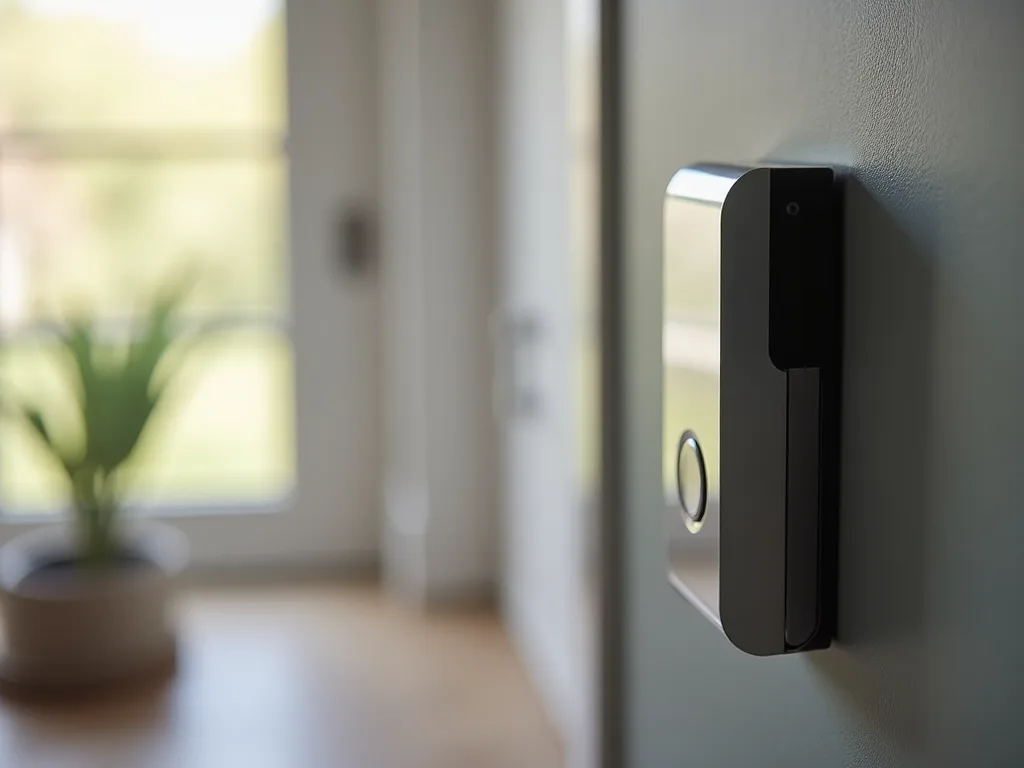
Security remains a top priority for renters and buyers, making smart security systems one of the most impactful investments property owners can make. Modern security solutions go far beyond traditional alarm systems, offering integrated networks of cameras, sensors, and smart locks that provide comprehensive protection and peace of mind. Video doorbells have become particularly popular, allowing residents to see and communicate with visitors remotely, screen deliveries, and monitor their property entrance 24/7.
Smart security cameras with high-definition video, night vision, and motion detection capabilities enable residents to monitor their homes from anywhere using smartphone apps. Cloud storage options ensure that footage is preserved even if cameras are damaged or stolen, while artificial intelligence features can distinguish between people, pets, and vehicles, reducing false alarms and providing more relevant notifications. The psychological benefit of enhanced security cannot be overstated—properties with visible smart security features help residents feel safer and more in control of their environment.
Smart locks represent another crucial component of modern security systems, eliminating the need for physical keys and offering flexible access control. Property owners can grant temporary access codes to maintenance personnel, cleaners, or guests, with the ability to revoke access instantly when needed. This feature proves particularly valuable for rental properties, eliminating the cost and inconvenience of rekeying locks between tenants. Many smart locks also maintain detailed access logs, providing a clear record of who enters and exits the property and when.
Integration between security components creates a powerful ecosystem where devices work together seamlessly. For example, smart locks can trigger cameras to record when doors are unlocked, while motion sensors can activate lights and send alerts when unexpected activity is detected. This interconnected approach to security provides comprehensive protection that appeals to safety-conscious renters and buyers, particularly those with families or valuable possessions.
Intelligent Lighting Solutions
Smart lighting systems have evolved into sophisticated solutions that enhance ambiance, improve energy efficiency, and contribute to home security. These systems allow residents to control lights remotely, create custom lighting scenes for different activities or moods, and automate lighting schedules to simulate occupancy when away. Color-changing smart bulbs enable users to adjust not only brightness but also color temperature and hue, creating personalized environments for work, relaxation, or entertainment.
The energy efficiency benefits of smart lighting are substantial, with LED smart bulbs consuming a fraction of the electricity used by traditional incandescent bulbs while lasting significantly longer. Automated schedules ensure lights are never left on unnecessarily, and dimming capabilities allow residents to use only the amount of light needed for specific tasks. Motion-activated lighting in hallways, closets, and outdoor areas adds convenience while further reducing energy waste.
Voice control integration with platforms like Amazon Alexa, Google Assistant, and Apple HomeKit makes smart lighting incredibly accessible, allowing residents to adjust lighting with simple voice commands. This hands-free control proves particularly valuable when carrying groceries, caring for children, or working on projects. Smart lighting also enhances security by allowing homeowners to create randomized lighting patterns that make properties appear occupied even during extended absences.
For property owners, smart lighting systems can be implemented at various price points, from affordable smart bulbs that screw into existing fixtures to comprehensive whole-home systems with dedicated switches and dimmers. This flexibility allows owners to choose solutions that match their budget while still providing meaningful value to residents. Properties with well-designed smart lighting systems often photograph better for listings and create memorable impressions during showings.
Smart Speakers and Voice Assistants
Voice-activated smart speakers have become central hubs for smart home control, offering intuitive interfaces that make technology accessible to users of all ages and technical abilities. These devices serve as command centers for controlling lights, thermostats, locks, entertainment systems, and countless other connected devices through simple voice commands. The convenience of hands-free control has made smart speakers nearly ubiquitous in modern homes, with many tech-savvy renters and buyers expecting properties to be compatible with their preferred voice assistant platforms.
Beyond smart home control, voice assistants provide valuable services like weather updates, news briefings, calendar management, and music streaming. They can set timers, answer questions, make phone calls, and even order products online. This multifunctionality makes smart speakers valuable additions to any property, enhancing daily convenience and demonstrating technological sophistication. Properties marketed as "voice assistant ready" signal to prospective residents that the home is equipped for modern living.
The integration capabilities of smart speakers continue to expand, with new compatible devices and services launching regularly. This ecosystem approach means that residents can gradually expand their smart home capabilities over time, starting with basic functions and adding more sophisticated automation as they become comfortable with the technology. For property owners, ensuring strong Wi-Fi coverage throughout the property is essential for optimal smart speaker performance and resident satisfaction.
Smart Appliances and Kitchen Technology
The kitchen has become a focal point for smart home innovation, with intelligent appliances that streamline cooking, reduce food waste, and enhance convenience. Smart refrigerators with internal cameras allow residents to check contents remotely while shopping, eliminating guesswork and reducing duplicate purchases. These appliances can track expiration dates, suggest recipes based on available ingredients, and even create shopping lists automatically.
Smart ovens and ranges offer precise temperature control, remote preheating, and guided cooking programs that help even novice cooks achieve professional results. Some models include internal cameras that allow users to monitor cooking progress from their smartphones, eliminating the need to constantly check on dishes. Voice control integration enables hands-free operation, which proves particularly useful when following recipes or multitasking in the kitchen.
Dishwashers with smart capabilities can optimize water and energy usage based on load size and soil level, while sending notifications when cycles complete or when detergent needs refilling. Smart coffee makers can be programmed to brew fresh coffee at specific times or activated remotely, ensuring a hot cup is ready when residents wake up or arrive home. These conveniences may seem minor individually, but collectively they create a significantly enhanced living experience that appeals to busy professionals and families.
For property owners considering appliance upgrades, smart kitchen technology represents a substantial investment that can significantly differentiate a property in competitive markets. While the upfront costs are higher than standard appliances, the appeal to tech-savvy renters and buyers often justifies the expense through higher rental rates, faster lease-ups, or increased sale prices. Additionally, the energy efficiency of modern smart appliances can reduce utility costs over time.
Smart Entertainment Systems
Entertainment technology has become increasingly important to renters and buyers, particularly as remote work and streaming services have made home entertainment more central to daily life. Smart TVs with built-in streaming capabilities, voice control, and integration with other smart home devices create seamless entertainment experiences. Properties equipped with pre-wired surround sound systems or smart soundbars demonstrate attention to quality of life factors that resonate with prospective residents.
Whole-home audio systems allow residents to play music throughout the property, with individual room control and synchronized playback across multiple zones. These systems integrate with streaming services and voice assistants, making it easy to create the perfect ambiance for any occasion. For properties targeting young professionals or families, quality entertainment infrastructure can be a significant selling point that justifies premium pricing.
Smart blinds and shades that integrate with entertainment systems can automatically adjust to reduce glare during movie watching or create optimal lighting for different times of day. This level of integration demonstrates the sophisticated automation possibilities that appeal to technology enthusiasts. Properties with dedicated media rooms or home theaters equipped with smart technology command particular interest from buyers seeking luxury amenities.
The Business Case for Smart Home Investment
Increased Property Values and Rental Rates
Properties equipped with smart home technology consistently command premium prices in both rental and sales markets. Research indicates that homes with smart features can sell for 3-5% more than comparable properties without such amenities. For rental properties, smart home features enable landlords to charge higher monthly rents while experiencing shorter vacancy periods due to increased demand from tech-savvy tenants.
The return on investment for smart home technology varies depending on the specific features implemented and local market conditions. However, high-impact additions like smart thermostats, security systems, and lighting typically recoup their costs within a few years through a combination of increased rental income, reduced vacancy rates, and lower operating expenses. Properties marketed with smart home features also tend to attract higher-quality tenants who take better care of the property and stay longer, reducing turnover costs.
In competitive real estate markets, smart home features can be the differentiating factor that helps properties stand out in crowded listings. Professional photos and virtual tours that showcase smart technology capabilities create strong first impressions and generate more showing requests. The perception of modernity and sophistication associated with smart homes appeals to upwardly mobile professionals and families willing to pay premium prices for enhanced convenience and security.
Energy Efficiency and Cost Reduction
Smart home technology delivers measurable reductions in energy consumption, benefiting both property owners and residents. Smart thermostats alone can reduce heating and cooling costs by 10-23% according to manufacturer data, with actual savings varying based on climate, home size, and usage patterns. When combined with smart lighting, automated window treatments, and energy-monitoring systems, the cumulative savings become even more substantial.
For property owners who cover utilities in rental agreements, these energy savings directly impact profitability. Even when tenants pay their own utilities, energy-efficient smart features serve as attractive selling points that can justify higher rents. The ability to market a property as environmentally friendly and cost-effective appeals to the growing segment of consumers who prioritize sustainability in their housing decisions.
Smart home systems also enable proactive maintenance by monitoring equipment performance and alerting owners to potential issues before they become expensive problems. Smart water leak detectors can prevent catastrophic damage by shutting off water supplies when leaks are detected. HVAC monitoring systems can identify efficiency declines that indicate needed maintenance, preventing system failures and extending equipment lifespan. These preventive capabilities reduce long-term maintenance costs and minimize disruptions for residents.
Competitive Differentiation in Crowded Markets
In markets with abundant housing inventory, smart home features provide crucial differentiation that helps properties attract attention and command premium pricing. Listings that highlight smart technology capabilities stand out in online searches and appeal to the demographic segments most likely to pay higher prices—young professionals, tech industry workers, and affluent families. The ability to market a property as "smart home enabled" or "tech-ready" immediately signals modernity and quality to prospective renters and buyers.
Properties with comprehensive smart home systems also benefit from positive word-of-mouth marketing, as satisfied residents share their experiences with friends and colleagues. This organic promotion can generate qualified leads and reduce marketing costs over time. Additionally, properties with smart features tend to receive better online reviews, which increasingly influence housing decisions in the digital age.
For property management companies and real estate investors with multiple properties, standardizing smart home features across portfolios creates operational efficiencies and strengthens brand identity. Residents who have positive experiences with smart features in one property are more likely to seek similar amenities when relocating, potentially keeping them within the same property management ecosystem.
Reduced Operational Complexity
Smart home technology can significantly streamline property management operations, particularly for landlords and property managers overseeing multiple units. Remote access capabilities allow managers to adjust thermostats in vacant units, verify that properties are secure, and grant access to maintenance personnel without physical key exchanges. This remote management capability saves time and reduces the logistical challenges associated with traditional property management.
Smart locks eliminate the need for physical key management and the expense of rekeying units between tenants. Access codes can be changed instantly when tenants move out, and temporary codes can be issued for showings, inspections, or maintenance visits. This flexibility reduces security risks and administrative burden while providing detailed access logs that can be valuable for security purposes or dispute resolution.
Automated systems for monitoring utilities, detecting maintenance issues, and managing climate control reduce the need for frequent property visits and enable more efficient resource allocation. Property managers can monitor multiple properties from a single dashboard, receiving alerts only when intervention is needed. This efficiency allows management teams to oversee larger portfolios without proportional increases in staffing costs.
Strategic Implementation Guidelines
Assessing Property Suitability and Market Demand
Before investing in smart home technology, property owners should carefully assess both the physical characteristics of their properties and the preferences of their target market. Not all smart features make sense for every property type or demographic. Urban apartments targeting young professionals may benefit most from smart locks, video doorbells, and voice-controlled lighting, while single-family homes in suburban markets might prioritize smart thermostats, security systems, and lawn irrigation controls.
Market research is essential for understanding which features will deliver the best return on investment in specific locations. Analyzing competitor properties, surveying current tenants, and consulting with local real estate professionals can provide valuable insights into which smart home features are most valued by target demographics. Properties in tech-hub cities like San Francisco, Seattle, or Austin may justify more extensive smart home investments than properties in markets where technology adoption lags.
Infrastructure assessment is equally important, as smart home technology requires reliable internet connectivity and, in some cases, specific electrical or networking configurations. Properties with outdated wiring or poor Wi-Fi coverage may require infrastructure upgrades before smart devices can function optimally. Conducting a thorough technical assessment before purchasing smart home equipment prevents frustration and ensures that investments deliver expected benefits.
Prioritizing Compatibility and Integration
One of the most critical considerations when selecting smart home technology is ensuring compatibility between devices and platforms. The smart home market includes numerous competing ecosystems, and devices that don't work together create frustration rather than convenience. Property owners should prioritize devices that support major platforms like Amazon Alexa, Google Assistant, and Apple HomeKit, ensuring that residents can integrate smart features with their existing technology preferences.
Standardizing on specific brands or ecosystems across properties simplifies management and support while potentially qualifying for volume discounts from manufacturers or retailers. However, maintaining some flexibility to accommodate resident preferences can enhance satisfaction and reduce resistance to smart home features. Choosing devices that support multiple platforms provides the best of both worlds—standardization for management purposes with flexibility for resident customization.
Wireless connectivity standards like Wi-Fi, Zigbee, and Z-Wave each have advantages and limitations. Wi-Fi devices offer easy setup and broad compatibility but can strain network bandwidth when many devices are connected. Zigbee and Z-Wave create dedicated mesh networks that don't burden Wi-Fi but require hub devices to function. Understanding these technical considerations helps property owners make informed decisions that balance performance, reliability, and ease of use.
Future-proofing investments by selecting devices with strong manufacturer support and regular software updates protects against premature obsolescence. Established brands with track records of long-term product support are generally safer investments than newer companies that may not survive in the competitive smart home market. Reading reviews and researching company stability before making significant purchases reduces the risk of investing in technology that becomes unsupported or incompatible with future systems.
Balancing Security and Privacy Concerns
While smart home technology offers numerous benefits, it also raises legitimate security and privacy concerns that property owners must address proactively. Connected devices can potentially be hacked if not properly secured, and cameras or voice assistants may collect data that residents find intrusive. Implementing strong security practices and being transparent about data collection builds trust and prevents conflicts.
Essential security measures include changing default passwords on all devices, enabling two-factor authentication where available, keeping firmware updated, and using secure Wi-Fi networks with strong encryption. Property owners should create separate network segments for smart home devices, isolating them from personal computers and sensitive data. Regular security audits help identify vulnerabilities before they can be exploited.
Privacy policies should clearly explain what data smart devices collect, how it's used, and who has access to it. For rental properties, landlords must be particularly careful about surveillance devices, ensuring that cameras are only placed in common areas and never in locations where residents have reasonable expectations of privacy. Providing residents with control over their own smart home data and the ability to disable features they're uncomfortable with demonstrates respect for privacy and builds positive relationships.
Selecting devices from reputable manufacturers with strong privacy commitments reduces risks associated with data collection and sharing. Reading privacy policies and understanding how manufacturers handle user data should be part of the device selection process. Some manufacturers offer local processing options that keep data on-premises rather than sending it to cloud servers, providing enhanced privacy for security-conscious residents.
Providing Comprehensive User Support
Even the most intuitive smart home technology can be intimidating for residents unfamiliar with connected devices. Providing comprehensive setup assistance, clear documentation, and ongoing support significantly improves user experience and satisfaction. Property owners who invest in smart technology without supporting residents through the learning curve often find that features go unused, negating the investment's value.
Creating detailed but accessible user guides that explain how to use each smart feature helps residents get maximum value from the technology. These guides should include step-by-step instructions with screenshots or photos, troubleshooting tips for common issues, and contact information for technical support. Video tutorials can be particularly effective for visual learners and can be hosted on property websites or shared via email.
Offering in-person or virtual orientation sessions when residents move in provides opportunities to demonstrate smart features, answer questions, and ensure that residents feel comfortable with the technology. These sessions also allow property managers to gather feedback about which features residents find most valuable and which may need better explanation or reconsideration. Building positive relationships through helpful technology support contributes to overall resident satisfaction and retention.
Establishing clear support channels for technical issues prevents frustration and ensures that problems are resolved quickly. Whether through property management staff, dedicated technology support personnel, or partnerships with smart home service providers, having reliable support available gives residents confidence that they won't be left struggling with malfunctioning technology. Responsive support also protects the property owner's investment by ensuring that devices remain functional and valued.
Phased Implementation Strategies
Property owners don't need to implement comprehensive smart home systems all at once. A phased approach allows for testing features, gathering resident feedback, and spreading costs over time while still delivering meaningful improvements. Starting with high-impact, relatively affordable features like smart thermostats and video doorbells provides immediate value while establishing a foundation for future expansion.
Initial phases should focus on features that deliver clear benefits to both property owners and residents—energy savings, enhanced security, and improved convenience. These foundational features demonstrate the value of smart technology and build enthusiasm for additional capabilities. Gathering data on energy savings, resident satisfaction, and market response during early phases informs decisions about subsequent investments.
As comfort with smart home technology grows and budgets allow, property owners can expand into more sophisticated features like whole-home automation, smart appliances, or integrated entertainment systems. This gradual approach reduces financial risk while allowing time to learn from early implementations and adjust strategies based on real-world experience. It also prevents overwhelming residents with too much new technology at once, allowing them to adapt gradually to smart home living.
For property owners with multiple units, pilot programs in select properties provide valuable learning opportunities before rolling out features across entire portfolios. Testing different devices, configurations, and support approaches in controlled environments helps identify best practices and avoid costly mistakes. Successful pilot programs also create case studies and testimonials that can be used in marketing materials for other properties.
Emerging Smart Home Technologies to Watch
Advanced Health and Wellness Monitoring
The next generation of smart home technology increasingly focuses on health and wellness monitoring, with devices that track air quality, detect harmful substances, and even monitor vital signs. Smart air quality monitors measure pollutants, allergens, and humidity levels, automatically triggering air purifiers or HVAC adjustments to maintain optimal indoor environments. These features appeal particularly to health-conscious consumers and families with allergies or respiratory conditions.
Sleep tracking technology integrated into smart beds and bedroom environments helps residents optimize their rest through automated temperature adjustments, lighting changes, and sound management. As awareness of sleep's importance to overall health grows, these features are becoming more attractive to wellness-focused demographics. Properties that incorporate health-oriented smart technology can differentiate themselves in markets where wellness amenities command premium pricing.
Water quality monitoring systems that detect contaminants and provide real-time information about water safety represent another emerging category. These systems can alert residents to potential issues and provide peace of mind about drinking water quality. For properties in areas with water quality concerns, these features can be significant selling points that address real resident anxieties.
Artificial Intelligence and Predictive Automation
Artificial intelligence is transforming smart homes from reactive systems that respond to commands into proactive environments that anticipate needs and optimize themselves automatically. Machine learning algorithms analyze usage patterns to predict when residents will be home, what temperature they prefer at different times, and which lighting scenes they use for various activities. This predictive capability creates truly automated experiences that require minimal user intervention.
AI-powered energy management systems optimize consumption across all connected devices, automatically shifting energy-intensive tasks to off-peak hours when electricity rates are lower. These systems can even integrate with renewable energy sources like solar panels and battery storage, maximizing self-consumption and minimizing grid dependence. As energy costs rise and environmental concerns intensify, these intelligent energy management capabilities will become increasingly valuable.
Voice assistants are becoming more sophisticated through AI improvements, better understanding context, handling complex multi-step requests, and providing more natural conversational interactions. Future iterations may proactively offer suggestions based on learned preferences, calendar events, and environmental conditions. Properties equipped with the latest AI-enhanced smart home platforms will appeal to early adopters and technology enthusiasts willing to pay premiums for cutting-edge features.
Enhanced Integration and Interoperability
The smart home industry is gradually moving toward greater standardization and interoperability, with initiatives like Matter (formerly Project CHIP) working to create universal standards that allow devices from different manufacturers to work together seamlessly. This improved compatibility will simplify smart home implementation for property owners and provide residents with greater flexibility in choosing devices that match their preferences.
As interoperability improves, comprehensive whole-home automation becomes more accessible and affordable. Residents will be able to create sophisticated automation routines that span multiple device categories and brands, creating truly integrated smart home experiences. Property owners who stay informed about these developments and choose devices that support emerging standards will be better positioned to offer cutting-edge features without being locked into proprietary ecosystems.
Cloud-based management platforms are evolving to provide property owners with centralized control over smart features across multiple properties. These platforms enable remote monitoring, bulk configuration changes, and comprehensive analytics about device usage and performance. For property management companies and real estate investors, these tools will become essential for efficiently managing smart home technology at scale.
Sustainable and Renewable Energy Integration
Smart home technology is increasingly integrating with renewable energy systems, creating properties that generate, store, and intelligently manage their own power. Solar panels combined with battery storage systems and smart energy management create homes that can operate independently from the grid during peak rate periods or power outages. These capabilities appeal to environmentally conscious consumers and provide practical benefits in areas with unreliable power infrastructure.
Electric vehicle charging integration allows smart homes to optimize charging schedules based on electricity rates, renewable energy availability, and predicted driving needs. As electric vehicle adoption accelerates, properties with smart EV charging capabilities will have significant advantages in attracting environmentally conscious renters and buyers. The ability to charge vehicles using solar power generated on-site represents a compelling value proposition that can justify premium pricing.
Smart water management systems that monitor consumption, detect leaks, and optimize irrigation based on weather forecasts help properties reduce water waste and costs. In regions facing water scarcity or high water rates, these features provide tangible benefits that resonate with cost-conscious and environmentally aware consumers. Properties that demonstrate comprehensive resource management through smart technology align with growing consumer preferences for sustainability.
Marketing Smart Home Features Effectively
Highlighting Technology in Property Listings
Effectively marketing smart home features requires more than simply listing devices in property descriptions. Successful marketing communicates the benefits and lifestyle enhancements that technology provides, helping prospective renters and buyers envision how features will improve their daily lives. Rather than stating "includes smart thermostat," descriptions should emphasize "control your home's temperature from anywhere and save on energy costs with intelligent climate management."
Professional photography and videography that showcases smart features in action creates powerful visual impressions that static descriptions cannot match. Videos demonstrating voice-controlled lighting, smartphone-based security monitoring, or automated climate adjustments help prospects understand functionality and imagine themselves using these features. Virtual tours that highlight smart technology touchpoints throughout properties provide immersive experiences that generate excitement and interest.
Creating dedicated sections in property listings that detail smart home capabilities ensures that technology features receive appropriate attention. Organizing features by category—security, energy management, entertainment, convenience—helps prospects quickly identify the capabilities most important to them. Including information about compatibility with popular platforms and ease of use addresses common concerns and reduces barriers to interest.
Targeting Tech-Savvy Demographics
Understanding and targeting demographics most likely to value smart home features maximizes marketing effectiveness and return on investment. Millennials and Gen Z renters and buyers have grown up with technology and expect their homes to be as connected as their phones and cars. Marketing campaigns targeting these demographics should emphasize cutting-edge features, seamless integration, and the lifestyle flexibility that smart technology enables.
Tech industry professionals represent another prime target demographic, particularly in markets near technology hubs. These consumers often have higher incomes, strong technology literacy, and willingness to pay premiums for advanced features. Marketing materials targeting this segment can use more technical language and emphasize sophisticated capabilities like home automation programming, API integrations, and advanced security features.
Families with children increasingly value smart home features for the security, convenience, and energy savings they provide. Marketing to this demographic should emphasize safety features like video doorbells and smart locks, convenience features like voice-controlled lighting and smart appliances, and cost savings from energy-efficient technology. Highlighting how smart features simplify busy family life resonates with parents juggling work, childcare, and household management.
Leveraging Social Proof and Testimonials
Testimonials from satisfied residents who appreciate smart home features provide powerful social proof that influences prospective renters and buyers. Collecting and showcasing stories about how smart technology has improved residents' lives—whether through enhanced security, energy savings, or daily convenience—creates authentic marketing content that resonates more effectively than promotional language.
Video testimonials are particularly impactful, allowing current or former residents to demonstrate features while explaining their benefits in their own words. These authentic endorsements build trust and help prospects envision themselves enjoying similar benefits. Sharing testimonials across property websites, social media channels, and listing platforms maximizes their reach and impact.
Online reviews increasingly influence housing decisions, making it essential to encourage satisfied residents to share their experiences on platforms like Google, Yelp, and apartment review sites. Positive reviews that specifically mention smart home features help properties stand out in search results and provide third-party validation of technology benefits. Responding professionally to all reviews, including addressing any technology-related concerns, demonstrates commitment to resident satisfaction.
Overcoming Common Implementation Challenges
Managing Installation Complexity
Installing smart home technology can range from simple plug-and-play devices to complex systems requiring professional installation and configuration. Property owners should realistically assess their technical capabilities and budget for professional installation when necessary. While DIY installation saves money upfront, improperly installed or configured systems create ongoing problems that diminish value and frustrate residents.
Working with experienced smart home installers or technology integrators ensures that systems are properly configured, secure, and optimized for performance. These professionals can also provide valuable guidance on device selection, network infrastructure requirements, and best practices for specific property types. The investment in professional installation typically pays for itself through reduced troubleshooting time and improved system reliability.
For properties requiring significant infrastructure upgrades—such as network cabling, electrical work, or security system installation—coordinating with multiple contractors can be challenging. Developing clear project plans, establishing realistic timelines, and maintaining open communication with all parties helps ensure smooth implementation. Scheduling installation work during vacancy periods minimizes disruption and allows time for thorough testing before residents move in.
Addressing Connectivity and Reliability Issues
Smart home devices depend on reliable internet connectivity, making robust Wi-Fi infrastructure essential for optimal performance. Properties with weak or inconsistent Wi-Fi coverage will experience frequent device disconnections, failed commands, and resident frustration. Investing in commercial-grade Wi-Fi systems with multiple access points ensures comprehensive coverage throughout properties, even in challenging environments with thick walls or multiple floors.
Network bandwidth must be sufficient to support multiple connected devices simultaneously without performance degradation. Properties with many smart devices may require internet service upgrades to ensure adequate bandwidth for both smart home functions and residents' personal internet usage. Conducting network assessments before implementing smart technology helps identify potential bottlenecks and infrastructure needs.
Device reliability varies significantly between manufacturers and product categories. Researching product reviews, consulting with smart home professionals, and selecting devices with strong reliability track records reduces the likelihood of frequent malfunctions. Establishing relationships with reliable vendors who provide responsive warranty support and technical assistance helps resolve issues quickly when they do occur.
Navigating Resident Resistance and Concerns
Not all residents embrace smart home technology enthusiastically. Some may have privacy concerns, prefer traditional controls, or feel intimidated by unfamiliar technology. Addressing these concerns proactively through clear communication, education, and flexibility helps maximize adoption and satisfaction. Emphasizing that most smart features are optional and can be disabled if residents prefer traditional operation reduces resistance.
Privacy concerns deserve particular attention, as residents may worry about surveillance or data collection. Being transparent about what data devices collect, how it's used, and who has access builds trust. Providing residents with control over their own data and the ability to review or delete it demonstrates respect for privacy. For security cameras, clearly communicating that they only monitor common areas and never private spaces addresses a common concern.
Some residents may struggle with technology adoption due to age, disability, or lack of technical experience. Providing patient, judgment-free support and ensuring that traditional control methods remain available alongside smart features creates inclusive environments where all residents can feel comfortable. Offering multiple ways to accomplish tasks—voice control, smartphone apps, and physical switches—accommodates different preferences and abilities.
Planning for Long-Term Maintenance and Upgrades
Smart home technology requires ongoing maintenance, software updates, and eventual replacement as devices age or become obsolete. Property owners should budget for these ongoing costs and establish processes for keeping systems current and functional. Regular firmware updates are essential for security and performance, but they require time and technical knowledge to implement properly.
Creating maintenance schedules that include regular testing of smart devices, battery replacements for wireless sensors, and software updates helps prevent problems before they impact residents. Documenting all devices, their locations, login credentials, and warranty information in a centralized system simplifies maintenance and troubleshooting. This documentation proves invaluable when issues arise or when properties change hands.
Technology obsolescence is inevitable, requiring property owners to plan for eventual device replacement. Selecting devices from established manufacturers with strong track records of long-term support reduces the risk of premature obsolescence. However, even well-supported devices eventually reach end-of-life, necessitating upgrades. Building device replacement costs into long-term financial planning ensures that properties can maintain their technological edge without unexpected expenses.
Legal and Regulatory Considerations
Privacy Laws and Surveillance Regulations
Property owners implementing smart home technology must navigate complex and evolving privacy laws that vary by jurisdiction. Surveillance cameras are subject to particularly strict regulations, with many jurisdictions prohibiting cameras in areas where residents have reasonable expectations of privacy. Even in common areas, some jurisdictions require conspicuous notice that surveillance is occurring. Consulting with legal counsel familiar with local privacy laws helps ensure compliance and avoid potential liability.
Data collection and storage practices must comply with applicable privacy regulations, which may include requirements for data encryption, limitations on data retention periods, and provisions for resident access to their own data. The European Union's General Data Protection Regulation (GDPR) and California's Consumer Privacy Act (CCPA) represent examples of comprehensive privacy frameworks that may apply to properties in certain jurisdictions. Even where not legally required, adopting strong privacy practices builds trust and reduces risk.
Lease agreements and rental contracts should clearly disclose the presence of smart home technology, explain what data is collected, and outline how it will be used. Obtaining explicit consent for data collection and providing residents with options to opt out of certain features demonstrates respect for privacy rights and may be legally required in some jurisdictions. Clear, accessible privacy policies written in plain language help residents understand their rights and make informed decisions.
Accessibility Requirements
Smart home technology can enhance accessibility for residents with disabilities, but it can also create barriers if not implemented thoughtfully. Voice control features benefit residents with mobility limitations, while visual notifications can assist those with hearing impairments. However, touchscreen interfaces may be challenging for residents with visual impairments, and complex setup processes may exclude those with cognitive disabilities.
The Americans with Disabilities Act (ADA) and Fair Housing Act require reasonable accommodations for residents with disabilities, which may include modifications to smart home systems. Property owners should ensure that smart features don't create accessibility barriers and should be prepared to make reasonable modifications when requested. Consulting with accessibility experts during smart home planning helps identify potential issues before they become problems.
Providing multiple control methods for smart features—voice, smartphone app, and physical controls—ensures that residents with different abilities can access functionality. Clear, accessible documentation in multiple formats (large print, audio, video) helps residents with various disabilities understand and use smart features. Demonstrating commitment to accessibility not only ensures legal compliance but also expands the pool of potential residents who can comfortably live in smart-enabled properties.
Liability and Security Concerns
Property owners may face liability if smart home devices malfunction and cause harm or if security vulnerabilities lead to data breaches or unauthorized access. Implementing strong security practices, maintaining devices properly, and carrying appropriate insurance coverage helps mitigate these risks. Consulting with insurance providers about coverage for smart home technology ensures that policies adequately protect against technology-related risks.
Terms of service and user agreements should clearly define responsibilities for device maintenance, security, and proper use. Establishing that residents are responsible for securing their own accounts and devices while property owners maintain building-wide systems helps clarify liability boundaries. However, property owners cannot completely disclaim responsibility for devices they install and maintain, making proper security practices essential.
Cyber insurance policies specifically designed for smart home and IoT risks provide additional protection against data breaches, hacking incidents, and technology failures. As smart home adoption increases, these specialized insurance products are becoming more available and affordable. Evaluating cyber insurance options as part of comprehensive risk management protects property owners from potentially significant financial exposure.
Essential Smart Home Implementation Checklist
Successfully implementing smart home technology requires careful planning and attention to multiple factors. This comprehensive checklist helps property owners ensure they address all critical considerations:
- Assess infrastructure readiness: Evaluate Wi-Fi coverage, internet bandwidth, electrical systems, and any necessary upgrades before purchasing devices
- Research target market preferences: Understand which smart features are most valued by your specific demographic and geographic market
- Prioritize high-impact features: Focus initial investments on devices that deliver clear benefits to both property owners and residents
- Choose widely compatible devices: Select products that work with major platforms like Amazon Alexa, Google Assistant, and Apple HomeKit
- Implement strong security measures: Change default passwords, enable two-factor authentication, and keep firmware updated
- Create comprehensive documentation: Develop user guides, video tutorials, and troubleshooting resources for residents
- Establish support channels: Ensure residents have clear paths to get help with technical issues
- Address privacy concerns proactively: Be transparent about data collection and provide residents with control over their information
- Ensure legal compliance: Consult with legal counsel about privacy laws, surveillance regulations, and accessibility requirements
- Plan for ongoing maintenance: Budget for software updates, battery replacements, and eventual device upgrades
- Test thoroughly before resident move-in: Verify that all devices function properly and integrate correctly
- Gather feedback continuously: Solicit resident input about smart features and use it to inform future decisions
- Market features effectively: Highlight smart technology in listings, photos, and property tours
- Monitor return on investment: Track metrics like rental premiums, vacancy rates, and energy savings to evaluate performance
- Stay informed about emerging technologies: Keep up with smart home trends to maintain competitive advantages
The Future of Smart Homes in Real Estate
Smart home technology has transitioned from novelty to necessity in modern real estate markets. As technology continues advancing and consumer expectations evolve, properties without smart features will increasingly struggle to compete for tech-savvy renters and buyers. The integration of artificial intelligence, improved interoperability, and focus on sustainability will drive the next generation of smart home innovation.
Property owners who embrace smart technology strategically—focusing on features that deliver genuine value, implementing them thoughtfully, and supporting residents effectively—will reap significant benefits through higher property values, increased rental income, and reduced operating costs. The key to success lies not in adopting every available technology, but in selecting features that align with target market preferences and property characteristics.
As smart home ecosystems mature and standardization improves, implementation will become simpler and more cost-effective. Property owners who establish smart home capabilities now position themselves advantageously for future enhancements, as upgrading existing systems is typically easier than retrofitting properties that lack basic smart infrastructure. The properties that will command premium prices in coming years are those being equipped with smart technology today.
For additional insights on smart home technology and real estate trends, explore resources from the CNET Smart Home section and the National Association of Realtors. The Consumer Reports Smart Home Guide provides independent reviews and recommendations for smart devices. Staying informed through these and other reputable sources helps property owners make educated decisions about smart home investments that will attract and retain valuable residents while maximizing returns.