Table of Contents
Chestnut Hill is tucked in the northwest section of Philadelphia, and its National Register Historic District enjoys an abundance of greenery and open spaces. This prestigious neighborhood has long been synonymous with luxury living, offering discerning homebuyers an exceptional blend of historic charm, architectural beauty, and modern sophistication. Known as Philadelphia's Garden District, Chestnut Hill is a historic neighborhood located at the city's highest point. For those seeking high-end properties in one of Philadelphia's most desirable locations, Chestnut Hill presents an unparalleled opportunity to experience refined urban living surrounded by natural beauty.
The luxury real estate market in Chestnut Hill continues to thrive, attracting affluent buyers who appreciate the neighborhood's unique character and exceptional amenities. The median sale price of a home in Chestnut Hill was $975K last month, up 12.4% since last year. This robust market performance reflects the enduring appeal of this distinguished community, where historic estates and contemporary residences coexist harmoniously within a landscape of tree-lined streets and meticulously maintained gardens.
Understanding Chestnut Hill's Luxury Real Estate Market
Current Market Dynamics and Pricing Trends
The Chestnut Hill luxury real estate market demonstrates remarkable strength and competitiveness. The Chestnut Hill housing market is very competitive. Properties in this exclusive neighborhood command premium prices that reflect their superior quality, prime locations, and access to world-class amenities. The median sale price for homes in Chestnut Hill, Philadelphia over the last 12 months is $930,000, up 16% from the median home sale price over the previous 12 months.
The competitive nature of the market means that desirable properties often receive multiple offers. Many homes get multiple offers, some with waived contingencies. The average homes sell for about 2% above list price and go pending in around 45 days. For luxury buyers, this underscores the importance of working with experienced real estate professionals who understand the nuances of high-end transactions in this prestigious neighborhood.
The market velocity in Chestnut Hill also demonstrates strong buyer demand. On average, homes in Chestnut Hill, Philadelphia sell after 40 days on the market compared to the national average of 54 days. This faster-than-average sales pace indicates that well-priced luxury properties in desirable locations within Chestnut Hill attract serious buyers quickly, making it essential for prospective purchasers to be prepared to act decisively when the right opportunity presents itself.
Architectural Heritage and Property Styles
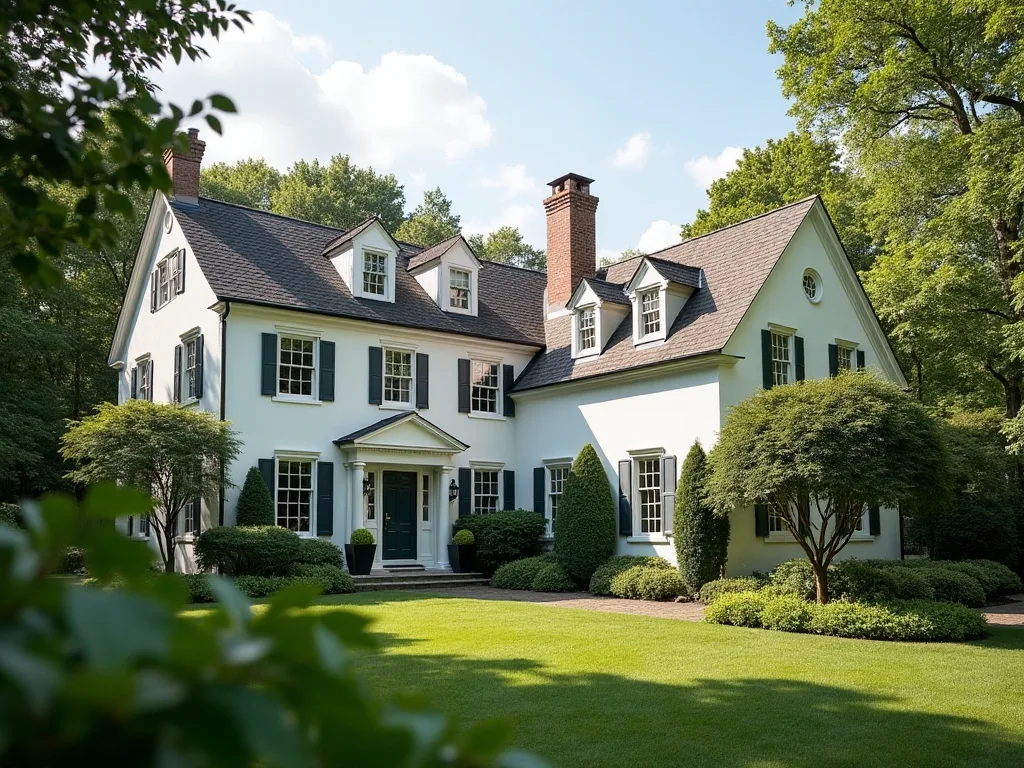
The area blends natural beauty with early 20th-century architectural character, including Tudor Revival, Colonial Revival and Italianate homes built with locally sourced Wissahickon schist. This distinctive stone, quarried from the nearby Wissahickon Valley, gives many Chestnut Hill homes their characteristic appearance and connects them to the neighborhood's geological and architectural heritage.
The architectural diversity in Chestnut Hill is one of its most compelling features. It is a relatively affluent community with an array of historic mansions and Victorian twins and row houseswith unexpected delights. From grand Tudor estates with sweeping lawns to elegant Victorian mansions with intricate detailing, the neighborhood showcases some of the finest residential architecture in the Philadelphia region. Many of these properties have been meticulously maintained or thoughtfully restored, preserving their historic character while incorporating modern amenities and systems.
The Woodward family is well-known for building Chestnut Hill's most charming estates. These Woodward houses represent some of the most sought-after properties in the neighborhood, combining timeless architectural design with superior craftsmanship and attention to detail. Properties designed by prominent architects like John Owens continue to command premium prices and attract buyers who appreciate architectural significance and historical provenance.
Property Types and Housing Options
Housing ranges from modest rowhomes and twins near the main thoroughfare to large detached single-family homes surrounding the parks, and the neighborhood is among the most expensive in the city, with a median sale price far above the citywide median. This diversity of housing stock ensures that luxury buyers can find properties that match their specific preferences, whether they seek a grand estate with extensive grounds or a sophisticated townhome with maintenance-free living.
For those interested in luxury condominium living, Chestnut Hill offers boutique developments that combine modern convenience with the neighborhood's historic charm. There are currently 3 condos for sale in Chestnut Hill at a median listing price of $1.95M. These high-end condominiums typically feature premium finishes, state-of-the-art amenities, and prime locations within walking distance of Germantown Avenue's shops and restaurants.
Single-family estates remain the most coveted property type in Chestnut Hill's luxury market. These homes often sit on substantial lots with mature landscaping, offering privacy and tranquility while remaining close to urban amenities. Many feature architectural details such as leaded glass windows, original millwork, multiple fireplaces, and grand entertaining spaces that reflect the craftsmanship of earlier eras.
Premier Neighborhoods for Luxury Living in Chestnut Hill
Wyndmoor: Suburban Elegance with Top-Rated Schools
Located in the sought-after Wyndmoor neighborhood in A rated Springfield Township School District. Wyndmoor represents one of the most desirable areas for luxury homebuyers, particularly those with families seeking access to exceptional educational opportunities. This neighborhood seamlessly blends the tranquility of suburban living with convenient access to Philadelphia's urban amenities.
The Wyndmoor area is characterized by spacious properties with generous lot sizes, mature trees, and well-maintained landscapes. Many homes in this neighborhood feature Mid-Century Modern architecture alongside traditional colonial and Tudor styles, offering buyers a range of aesthetic options. The area's elevation provides many properties with scenic views and excellent natural light, enhancing the living experience.
Luxury homes in Wyndmoor often include features such as multi-car garages, updated kitchens with high-end appliances, finished basements, and outdoor living spaces including decks and patios. The neighborhood's family-friendly atmosphere, combined with its proximity to parks and recreational facilities, makes it particularly appealing to affluent families seeking a safe, welcoming community with excellent schools.
Germantown Avenue Corridor: Urban Sophistication and Walkability
Germantown Avenue acts as the neighborhood's main corridor, lined with shops, restaurants and attractions such as the Woodmere Art Museum and the Chestnut Hill Farmers Market. Properties along or near Germantown Avenue offer the ultimate in urban convenience, with residents able to walk to boutique shops, gourmet restaurants, art galleries, and cultural venues.
One of its most famous streets, Germantown Avenue, is host to a number of different art galleries, antique shops, tearooms, and farmers' markets. Living near this vibrant commercial corridor means having access to a curated selection of independent businesses, from upscale clothing boutiques to specialty food shops, all within a pedestrian-friendly environment that encourages community interaction and street-level vitality.
Luxury properties in the Germantown Avenue area range from elegant Victorian townhomes with period details to contemporary condominiums with modern amenities. Many of these homes feature architectural elements such as bay windows, decorative cornices, and original hardwood floors, combined with updated kitchens, bathrooms, and mechanical systems. The walkability of this area is a significant draw for buyers who value convenience and prefer to minimize their reliance on automobiles for daily errands and entertainment.
Chestnut Hill West: Historic Estates and Park-Adjacent Living
The western section of Chestnut Hill is home to some of the neighborhood's most impressive estates and historically significant properties. This area benefits from its proximity to Wissahickon Valley Park, offering residents direct access to thousands of acres of natural beauty, hiking trails, and recreational opportunities. This is one of the rare homes directly on Wissahickon Valley Park.
Properties in Chestnut Hill West often sit on larger lots with extensive landscaping, mature trees, and private gardens. The neighborhood's tree-canopied streets and stone walls create a sense of seclusion and timelessness, while the architectural quality of the homes reflects the area's prestigious history. Many estates in this section feature distinctive architectural styles, including Tudor Revival, Colonial Revival, and Arts and Crafts designs.
The western area also includes some of Chestnut Hill's most coveted streets, where properties rarely come to market and command premium prices when they do. These homes often feature multiple bedrooms and bathrooms, formal living and dining rooms, libraries or studies, and extensive outdoor spaces including terraces, gardens, and sometimes swimming pools or tennis courts.
Spring House: Tranquil Residential Enclave
Spring House represents one of Chestnut Hill's most peaceful and residential neighborhoods, characterized by quiet streets, substantial homes, and a strong sense of community. This area appeals to luxury buyers seeking privacy and tranquility while remaining within easy reach of Chestnut Hill's amenities and Philadelphia's urban core.
The Spring House neighborhood features a mix of architectural styles, with many homes dating from the early to mid-20th century. Properties here typically offer generous interior space, well-proportioned rooms, and thoughtful floor plans that accommodate both family living and formal entertaining. Many homes have been updated to include modern kitchens, spa-like bathrooms, and finished lower levels that provide additional living space.
The area's residential character makes it particularly appealing to families and professionals who value a quiet, stable neighborhood environment. Tree-lined streets, well-maintained properties, and a sense of neighborly connection contribute to Spring House's reputation as one of Chestnut Hill's most desirable residential enclaves.
Top of the Hill: Premium Location and Prestige
The "Top of the Hill" designation refers to the highest elevation areas of Chestnut Hill, where properties enjoy commanding views, excellent drainage, and a sense of being above the city. These locations are among the most prestigious addresses in the neighborhood, with homes that reflect the area's affluent character and architectural heritage.
Properties at the top of the hill often feature expansive lots, mature landscaping, and architectural distinction. The elevation provides natural advantages including better air circulation, reduced humidity, and in some cases, distant views of the Philadelphia skyline or surrounding countryside. These factors, combined with the area's exclusivity, make top-of-the-hill properties particularly desirable among luxury buyers.
The neighborhood's highest points also tend to be among its quietest, with less through traffic and a more secluded atmosphere. This combination of location, elevation, and tranquility creates an environment that feels removed from urban pressures while remaining fully connected to metropolitan amenities and cultural opportunities.
Defining Features of Chestnut Hill Luxury Homes
Architectural Details and Craftsmanship
Luxury homes in Chestnut Hill are distinguished by their exceptional architectural details and superior craftsmanship. Many properties feature original elements such as leaded glass windows, hand-carved woodwork, decorative plasterwork, and custom millwork that showcase the skill of early 20th-century artisans. These historic details are often complemented by thoughtful updates that preserve the home's character while enhancing functionality and comfort.
High-end properties typically include features such as coffered ceilings, crown molding, wainscoting, built-in bookcases, and multiple fireplaces with ornate mantels. Hardwood floors, often in oak, maple, or cherry, are common throughout, sometimes featuring intricate inlay patterns or borders. Windows are typically oversized to maximize natural light, with many homes featuring bay windows, French doors, or floor-to-ceiling glass that connects interior spaces to gardens and terraces.
The quality of materials used in Chestnut Hill's luxury homes sets them apart from typical residential construction. From the Wissahickon schist stone exteriors to slate roofs, copper gutters, and solid wood doors, these homes were built to last and maintain their beauty over decades. Modern renovations in luxury properties typically honor this commitment to quality by using premium materials such as marble countertops, custom cabinetry, designer fixtures, and high-end appliances.
Modern Amenities and Smart Home Technology
While many Chestnut Hill luxury homes retain their historic character, they have been updated to include the modern amenities that today's affluent buyers expect. Gourmet kitchens with professional-grade appliances, large islands, custom cabinetry, and high-end finishes are standard in luxury properties. These spaces are designed for both everyday family meals and sophisticated entertaining, with open floor plans that connect kitchens to family rooms and dining areas.
Spa-like primary bathrooms are another hallmark of luxury homes in Chestnut Hill. These spaces often feature soaking tubs, oversized showers with multiple shower heads and body sprays, heated floors, double vanities, and premium fixtures. Many luxury properties also include additional en-suite bathrooms for guest bedrooms, ensuring privacy and convenience for family members and visitors.
Smart home technology has become increasingly common in Chestnut Hill's luxury market. Integrated systems allow homeowners to control lighting, climate, security, entertainment, and other functions from their smartphones or tablets. Whole-house audio systems, automated window treatments, security cameras, and smart thermostats enhance both convenience and energy efficiency. Some properties also include home theaters, wine cellars with climate control, and fitness rooms equipped with state-of-the-art exercise equipment.
Outdoor Living Spaces and Landscaping
The outdoor spaces of Chestnut Hill luxury homes are as impressive as their interiors. Many properties feature professionally designed and maintained landscapes with mature trees, flowering shrubs, perennial gardens, and manicured lawns. Stone walls, decorative fencing, and wrought iron gates add to the aesthetic appeal while providing privacy and security.
Outdoor living areas have become increasingly important in luxury properties, with many homes featuring expansive terraces, covered porches, outdoor kitchens, and fire pits or fireplaces. These spaces extend the home's living area into the outdoors, creating environments for al fresco dining, entertaining, and relaxation. Some properties include swimming pools, hot tubs, or pool houses, while others feature tennis courts, putting greens, or extensive gardens with walking paths.
The emphasis on outdoor space reflects Chestnut Hill's identity as Philadelphia's Garden District. Many homeowners take pride in their gardens, participating in the neighborhood's annual garden tours and maintaining landscapes that contribute to the area's overall beauty. Professional landscaping services are readily available, and many luxury properties include irrigation systems, landscape lighting, and other features that make outdoor maintenance more manageable.
Spacious Layouts and Flexible Floor Plans
Luxury homes in Chestnut Hill typically offer generous square footage, with many properties ranging from 3,000 to over 6,000 square feet. This space is distributed across multiple levels, often including finished basements and third-floor spaces that can serve as additional bedrooms, home offices, playrooms, or guest suites. The spacious layouts accommodate both formal and informal living, with separate areas for entertaining, family activities, and private retreat.
Formal living and dining rooms remain common in Chestnut Hill's luxury homes, providing elegant spaces for entertaining guests and hosting special occasions. These rooms often feature architectural details such as decorative moldings, built-in cabinetry, and impressive fireplaces. At the same time, many homes have been updated to include open-concept family rooms and kitchens that reflect contemporary preferences for casual, connected living spaces.
Primary bedroom suites in luxury properties are typically expansive, often including sitting areas, walk-in closets or dressing rooms, and luxurious bathrooms. Additional bedrooms are generously sized, with many homes offering four, five, or more bedrooms to accommodate families, guests, and home offices. The flexibility of these floor plans allows homeowners to adapt spaces to their changing needs over time.
Lifestyle and Amenities in Chestnut Hill
Shopping and Dining Excellence
Cobblestone streets lead you to boutique shops, gourmet restaurants, and cultural gems like the Morris Arboretum. The shopping and dining scene in Chestnut Hill is one of the neighborhood's most appealing features, offering residents access to a carefully curated selection of independent businesses and upscale establishments.
The retail landscape includes fashion boutiques offering designer clothing and accessories, home décor shops featuring unique furnishings and gifts, bookstores, art galleries, and specialty food shops. This mix of businesses creates a village-like atmosphere where residents can accomplish their shopping needs while supporting local entrepreneurs. The pedestrian-friendly environment encourages browsing and spontaneous discoveries, making shopping in Chestnut Hill a leisure activity rather than a chore.
Dining options in Chestnut Hill range from casual cafes and bistros to upscale restaurants offering fine dining experiences. The neighborhood's culinary scene reflects diverse influences and emphasizes quality ingredients, creative preparations, and attentive service. Whether seeking a quick lunch, a romantic dinner, or a special celebration meal, residents have numerous options within walking distance of their homes. The presence of outdoor dining spaces along Germantown Avenue adds to the neighborhood's European-inspired ambiance, particularly during warmer months.
Cultural Attractions and Recreation
Home of the Morris Arboretum and its legendary canopy walkway, this highly affluent neighborhood is also known as the "garden district". The Morris Arboretum, a 92-acre public garden managed by the University of Pennsylvania, is one of Chestnut Hill's crown jewels. This world-class botanical garden features extensive plant collections, themed gardens, sculptures, and the Out on a Limb canopy walk that allows visitors to experience the forest from a unique perspective. The arboretum provides year-round beauty and educational programming, making it a treasured resource for residents.
Skyspace, Stagecrafters Theater, Wissahickon Skating Rink, Morris Arboretum and the Wissahickon Valley captivate visitors. These cultural and recreational venues contribute to Chestnut Hill's vibrant community life. The Woodmere Art Museum showcases American art with a focus on Philadelphia artists, while Stagecrafters Theater presents live theatrical productions throughout the year. The Wissahickon Skating Rink offers ice skating during winter months, providing family-friendly recreation close to home.
Outdoor space is a defining feature, with Wissahickon Valley Park, Morris Arboretum & Gardens and Pastorius Park providing year-round recreation. Wissahickon Valley Park, with its miles of trails for hiking, biking, and horseback riding, offers an extraordinary natural resource within an urban setting. The park's Forbidden Drive, a gravel path following Wissahickon Creek, is popular with walkers, runners, and cyclists. Pastorius Park provides neighborhood green space with playgrounds, sports fields, and open areas for picnicking and informal recreation.
Educational Excellence
If top-notch education is a priority, you're in luck—Chestnut Hill boasts some of Philadelphia's best schools. The neighborhood offers access to both excellent public schools and prestigious private institutions, making it particularly attractive to families with school-age children.
Families can access public options like John Story Jenks Academy for the Arts and Sciences, as well as highly rated private schools such as Springside Chestnut Hill Academy. Springside Chestnut Hill Academy, formed by the merger of two historic schools, offers pre-K through 12th grade education on multiple campuses in Chestnut Hill. The school is known for its rigorous academics, strong arts and athletics programs, and commitment to developing well-rounded students.
Chestnut Hill College offers local higher education opportunities. This Catholic liberal arts college provides undergraduate and graduate programs and contributes to the neighborhood's intellectual and cultural life through public lectures, performances, and community engagement initiatives. The presence of the college adds to Chestnut Hill's educational atmosphere and provides opportunities for lifelong learning.
Transportation and Accessibility
Chestnut Hill offers walkable amenities and reliable transit access, including a 25- to 45-minute train ride to Center City and several SEPTA bus routes. The neighborhood is served by two regional rail lines—the Chestnut Hill West and Chestnut Hill East lines—providing convenient commuter access to Center City Philadelphia and other destinations along the rail corridors. This transit connectivity makes Chestnut Hill an attractive option for professionals who work downtown but prefer to live in a more residential, suburban-like environment.
For those who drive, Chestnut Hill offers convenient access to major roadways including Lincoln Drive, Germantown Avenue, and Stenton Avenue, which connect to Interstate 76 and other regional highways. The neighborhood's location in northwest Philadelphia provides relatively easy access to suburban destinations in Montgomery County and beyond, while remaining close to the cultural, employment, and entertainment opportunities of the city.
Chestnut Hill is considered somewhat walkable and bikeable with great transit options. The neighborhood's pedestrian-friendly design, with sidewalks throughout and a concentration of shops and services along Germantown Avenue, encourages walking for daily errands and recreation. Bike lanes and the proximity to Wissahickon Valley Park's trails make cycling a viable transportation and recreation option for residents.
Community Character and Demographics
Affluent and Educated Population
The average household income is $135,794 which is above the national average. This affluence is reflected in the neighborhood's well-maintained properties, thriving businesses, and strong support for cultural and educational institutions. The economic stability of the community contributes to property value appreciation and ensures ongoing investment in neighborhood amenities and infrastructure.
College graduates make up 74% of residents. This highly educated population creates a community that values intellectual pursuits, cultural engagement, and civic participation. The concentration of educated professionals contributes to Chestnut Hill's sophisticated atmosphere and supports the neighborhood's bookstores, lecture series, art galleries, and other cultural offerings.
It is fairly sparse in population with 4.6 people per acre and a median age of 47. The lower population density compared to other Philadelphia neighborhoods contributes to Chestnut Hill's spacious, residential character. The mature median age suggests a stable community with established households, though the neighborhood also attracts young families drawn by the excellent schools and family-friendly environment.
Homeownership and Community Stability
A majority of residents in Chestnut Hill are home owners, with 47.8% of residents renting and 52.2% of residents owning their home. The slight majority of homeowners contributes to community stability and long-term investment in the neighborhood. Homeowners tend to be more engaged in community affairs, participate in neighborhood organizations, and maintain their properties to high standards.
The presence of rental properties, including apartments and condominiums, adds diversity to the housing stock and provides options for residents in different life stages. Young professionals, graduate students, and those new to the area often begin as renters before purchasing homes in the neighborhood. This mix of owners and renters creates a dynamic community with both long-term residents and newcomers.
Community organizations play an important role in Chestnut Hill's civic life. The Chestnut Hill Community Association, business improvement districts, and various neighborhood groups work to preserve the area's character, promote local businesses, and address community concerns. This active civic engagement contributes to the neighborhood's well-maintained appearance and strong sense of community identity.
Historic Preservation and Architectural Integrity
Chestnut Hill's designation as a National Register Historic District reflects the community's commitment to preserving its architectural heritage. This designation provides recognition of the neighborhood's historical significance and encourages property owners to maintain the character-defining features of historic buildings. While the historic district designation does not impose the same restrictions as local historic districts in some cities, it creates awareness of the neighborhood's architectural importance and encourages sensitive renovations and additions.
Many property owners in Chestnut Hill take pride in maintaining the historic character of their homes while updating them for contemporary living. This balance between preservation and modernization is evident throughout the neighborhood, where historic exteriors often conceal updated interiors with modern kitchens, bathrooms, and systems. Architects and contractors familiar with historic properties are readily available to guide homeowners through renovation projects that respect the original architecture while meeting current needs.
The commitment to architectural integrity extends beyond individual properties to the overall streetscape. Mature street trees, historic street lamps, stone walls, and other landscape features contribute to Chestnut Hill's distinctive character. Community efforts to maintain these elements ensure that the neighborhood retains its cohesive, historic appearance even as individual properties are updated and improved.
Investment Potential and Market Outlook
Property Value Appreciation
For sellers, properties here not only hold but often increase in value thanks to the area's historic charm and upscale amenities. The long-term appreciation potential of Chestnut Hill real estate makes it an attractive investment for buyers seeking both a high-quality living environment and financial security. The neighborhood's enduring appeal, limited housing supply, and strong demand from affluent buyers support continued property value growth.
Historical data demonstrates Chestnut Hill's strong market performance over time. The neighborhood has consistently commanded premium prices compared to other Philadelphia areas, and this price differential has widened in recent years as buyers increasingly value the combination of urban convenience and suburban tranquility that Chestnut Hill offers. Properties in the most desirable locations—particularly historic estates, park-adjacent homes, and residences on prestigious streets—have shown especially strong appreciation.
The limited supply of luxury properties in Chestnut Hill contributes to price stability and appreciation potential. Unlike newer suburban developments where additional inventory can be created through new construction, Chestnut Hill's built-out character means that supply is essentially fixed. This scarcity, combined with consistent demand from affluent buyers, creates favorable conditions for long-term value appreciation.
Market Competitiveness and Buyer Demand
The competitive nature of Chestnut Hill's luxury market reflects strong and sustained buyer demand. Properties that are well-maintained, appropriately priced, and located in desirable areas typically attract multiple interested buyers. This competition can result in offers above asking price, particularly for exceptional properties or those in prime locations.
Buyer demand in Chestnut Hill comes from diverse sources. Local buyers seeking to move within the neighborhood or relocate from other Philadelphia areas represent a significant portion of the market. Suburban buyers attracted by Chestnut Hill's urban amenities and cultural offerings also contribute to demand. Additionally, the neighborhood attracts buyers relocating to Philadelphia from other cities who are drawn by the area's reputation, schools, and lifestyle offerings.
The luxury market segment shows particular strength, with high-end properties consistently attracting serious buyers. Affluent purchasers appreciate Chestnut Hill's combination of architectural distinction, natural beauty, cultural amenities, and convenient location. The neighborhood's reputation as one of Philadelphia's most prestigious addresses adds intangible value that appeals to status-conscious buyers seeking properties that reflect their success and taste.
Future Development and Neighborhood Evolution
While Chestnut Hill is largely built out, the neighborhood continues to evolve through property renovations, selective new construction, and commercial development. Older homes are being updated with modern amenities while preserving their historic character. In some cases, dated properties are being replaced with new construction that respects the neighborhood's architectural traditions while incorporating contemporary design elements and energy-efficient systems.
Commercial development along Germantown Avenue continues to enhance the neighborhood's retail and dining offerings. New restaurants, shops, and services open regularly, responding to resident demand and contributing to the area's vitality. The business community's focus on maintaining a mix of independent businesses alongside select national retailers helps preserve Chestnut Hill's distinctive character while ensuring commercial viability.
Infrastructure improvements and public realm enhancements contribute to the neighborhood's ongoing evolution. Streetscape improvements, park renovations, and transportation upgrades enhance quality of life for residents and support property values. The community's active civic organizations work with city agencies to ensure that public investments align with neighborhood priorities and preserve Chestnut Hill's character.
Buying Luxury Real Estate in Chestnut Hill
Working with Specialized Real Estate Professionals
Navigating Chestnut Hill's luxury real estate market requires expertise and local knowledge. Working with real estate professionals who specialize in high-end properties and understand the neighborhood's unique characteristics is essential for both buyers and sellers. These specialists can provide insights into market conditions, property values, neighborhood nuances, and upcoming listings that may not be widely advertised.
Experienced luxury real estate agents understand the specific features and amenities that define high-end properties in Chestnut Hill. They can help buyers identify homes that meet their criteria, arrange private showings, and provide guidance on property condition, renovation potential, and fair market value. For sellers, specialized agents know how to position luxury properties effectively, reach qualified buyers, and negotiate transactions that achieve optimal results.
The luxury real estate transaction process often involves additional complexities compared to typical home sales. Properties may require specialized inspections, appraisals by experts familiar with high-end homes, and negotiations around unique features or conditions. Experienced professionals can guide clients through these complexities, ensuring that transactions proceed smoothly and that all parties' interests are protected.
Understanding Property Condition and Renovation Potential
When evaluating luxury properties in Chestnut Hill, understanding the home's condition and renovation potential is crucial. Many historic homes have been well-maintained and updated over the years, while others may require significant work to bring them to contemporary standards. Buyers should carefully assess the condition of major systems including heating, cooling, plumbing, and electrical, as well as the roof, windows, and foundation.
Historic homes may present unique challenges and opportunities. Original features such as plaster walls, wood windows, and period fixtures add character but may require specialized maintenance or restoration. Buyers should consider whether they want a move-in ready property or are willing to undertake renovation projects to customize a home to their preferences. Understanding the scope and cost of potential renovations is essential for making informed purchase decisions.
Working with architects, contractors, and other professionals familiar with Chestnut Hill properties can help buyers evaluate renovation potential and costs. These experts can assess structural conditions, identify opportunities for improvements, and provide realistic estimates for renovation work. For buyers interested in significant renovations, understanding local regulations, historic district guidelines, and permitting requirements is important for planning and budgeting purposes.
Financing Luxury Properties
Financing luxury real estate in Chestnut Hill typically involves jumbo mortgages, which are loans that exceed conforming loan limits set by federal housing agencies. These loans often require larger down payments, stronger credit profiles, and more extensive documentation than conventional mortgages. Buyers should work with lenders experienced in jumbo financing who understand the unique aspects of luxury real estate transactions.
Interest rates, loan terms, and qualification requirements for jumbo mortgages can vary significantly among lenders. Shopping for the best financing terms can result in substantial savings over the life of the loan. Some buyers may benefit from portfolio loans offered by private banks or credit unions, which can provide more flexibility in underwriting and terms than conventional jumbo mortgages.
Cash purchases are common in the luxury market, particularly for the highest-priced properties. Cash buyers have advantages in competitive situations, as they can close more quickly and with fewer contingencies than financed buyers. However, even buyers with sufficient cash may choose to finance part of their purchase to maintain liquidity for other investments or to take advantage of favorable interest rates and tax deductions.
Due Diligence and Property Inspections
Thorough due diligence is essential when purchasing luxury real estate in Chestnut Hill. Comprehensive property inspections should cover all major systems and structural elements, with particular attention to issues common in older homes such as foundation settlement, roof condition, water intrusion, and outdated systems. Specialized inspections for termites, radon, lead paint, and other environmental concerns may also be appropriate.
For properties with swimming pools, extensive landscaping, or other special features, additional inspections by qualified specialists can identify potential issues and maintenance requirements. Understanding the condition and operating costs of these amenities helps buyers make informed decisions and budget appropriately for ongoing maintenance.
Title searches and surveys are important components of due diligence, particularly for older properties where boundary disputes, easements, or other title issues may exist. Title insurance protects buyers against undiscovered title defects, while surveys confirm property boundaries and identify any encroachments or easements that could affect property use or value.
Living the Chestnut Hill Lifestyle
Seasonal Activities and Community Events
Chestnut Hill's community calendar includes numerous events and activities throughout the year that bring residents together and celebrate the neighborhood's unique character. The Chestnut Hill Farmers Market operates seasonally, offering fresh produce, artisanal foods, and handcrafted goods from local vendors. This weekly gathering serves as both a shopping destination and a social event where neighbors connect and support local agriculture.
Annual events such as garden tours, art festivals, and holiday celebrations draw residents and visitors to the neighborhood. The Chestnut Hill Garden District Tour showcases private gardens and provides inspiration for home gardeners while raising funds for community organizations. Holiday events including tree lightings, seasonal markets, and festive window displays create a sense of community celebration and tradition.
The neighborhood's cultural institutions offer year-round programming that enriches residents' lives. The Woodmere Art Museum presents exhibitions, lectures, and educational programs focused on American art. The Morris Arboretum offers classes, workshops, and special events that connect people with nature and horticulture. These institutions provide opportunities for lifelong learning and cultural engagement without leaving the neighborhood.
Outdoor Recreation and Natural Beauty
The abundance of outdoor recreational opportunities is one of Chestnut Hill's most distinctive features. Wissahickon Valley Park provides thousands of acres of natural beauty with miles of trails for hiking, running, cycling, and horseback riding. The park's Forbidden Drive, a car-free gravel path following Wissahickon Creek, is popular with residents for exercise and nature appreciation. The park's diverse ecosystems, including forests, meadows, and streams, support wildlife and provide a natural retreat within the urban environment.
Neighborhood parks including Pastorius Park and Houston Playground offer closer-to-home recreation options. These parks provide playgrounds for children, open spaces for informal sports and picnicking, and community gathering places. The parks are well-maintained and actively used by residents, contributing to the neighborhood's family-friendly atmosphere and sense of community.
The Morris Arboretum serves as both a cultural institution and a recreational resource. Its 92 acres of gardens, woodlands, and special collections provide year-round beauty and opportunities for walking, photography, and nature study. The arboretum's seasonal displays, from spring bulbs to fall foliage, offer constantly changing landscapes that residents can enjoy through membership or regular visits.
Dining and Entertainment Options
Chestnut Hill's dining scene offers diverse options for every occasion, from casual cafes to upscale restaurants. The neighborhood's restaurants emphasize quality ingredients, creative preparations, and attentive service. Many establishments feature seasonal menus that showcase local and regional products, reflecting the community's appreciation for fresh, high-quality food.
Casual dining options include cafes serving breakfast and lunch, pizzerias, sandwich shops, and ethnic restaurants offering cuisines from around the world. These establishments provide convenient options for quick meals and takeout, supporting the neighborhood's walkable lifestyle. Many feature outdoor seating during warmer months, adding to Germantown Avenue's vibrant street life.
Upscale restaurants in Chestnut Hill offer fine dining experiences for special occasions and sophisticated entertaining. These establishments feature carefully curated wine lists, seasonal tasting menus, and elegant atmospheres. The presence of multiple high-quality restaurants within the neighborhood means residents can enjoy fine dining without traveling to Center City or other distant locations.
Shopping and Services
The retail landscape in Chestnut Hill combines independent boutiques with select national retailers, creating a shopping environment that offers both unique finds and familiar brands. Fashion boutiques feature clothing, shoes, and accessories from established designers and emerging brands. Home décor shops offer furniture, lighting, textiles, and decorative objects for creating beautiful living spaces. Specialty food shops including bakeries, cheese shops, and gourmet markets provide ingredients for home cooking and entertaining.
Personal services available in Chestnut Hill include salons and spas offering hair care, skincare, and wellness treatments. Fitness studios and gyms provide options for exercise and wellness. Professional services including banks, medical offices, and other businesses support residents' practical needs within the neighborhood.
The concentration of shops and services along Germantown Avenue creates a walkable commercial district where residents can accomplish multiple errands on foot. This convenience, combined with the pleasant streetscape and opportunity for social interaction, makes shopping in Chestnut Hill an enjoyable experience rather than a chore. The neighborhood's retail mix continues to evolve, with new businesses opening regularly to meet resident needs and preferences.
Comparing Chestnut Hill to Other Philadelphia Luxury Markets
Chestnut Hill vs. Center City Luxury Condominiums
While Center City Philadelphia offers luxury high-rise condominiums with urban amenities and walkable access to employment, dining, and entertainment, Chestnut Hill provides a distinctly different luxury living experience. Center City luxury condos emphasize vertical living, building amenities such as concierge services and fitness centers, and immediate access to urban attractions. Chestnut Hill, by contrast, offers single-family homes with private outdoor space, historic architecture, and a residential neighborhood atmosphere.
Buyers choosing between these options typically prioritize different lifestyle factors. Those who value urban energy, cultural institutions, and the ability to walk to work often prefer Center City. Buyers seeking more space, private gardens, historic character, and a stronger sense of residential community tend to favor Chestnut Hill. The neighborhood's convenient rail access to Center City allows residents to enjoy urban amenities while living in a more suburban-like environment.
Price comparisons between Center City luxury condos and Chestnut Hill single-family homes can be complex, as the property types differ significantly. However, both markets command premium prices within the Philadelphia region, reflecting their desirability among affluent buyers. The choice between them often comes down to lifestyle preferences rather than purely financial considerations.
Chestnut Hill vs. Main Line Suburbs
The Main Line suburbs west of Philadelphia, including areas such as Bryn Mawr, Haverford, and Gladwyne, represent another luxury market alternative to Chestnut Hill. The Main Line offers larger properties, excellent schools, and prestigious addresses with strong social cachet. However, Chestnut Hill provides several advantages including closer proximity to Center City, more walkable commercial districts, and a more urban-suburban hybrid character.
Chestnut Hill's location within Philadelphia city limits means residents have access to city services and amenities while enjoying a neighborhood that feels suburban in character. The Main Line's location in suburban townships means different tax structures, school districts, and municipal services. Some buyers prefer the Main Line's more purely suburban environment, while others appreciate Chestnut Hill's blend of urban and suburban characteristics.
Both markets attract affluent, educated buyers seeking high-quality homes in prestigious locations. The choice between them often reflects personal preferences regarding commute times, school options, property size, and desired community character. Chestnut Hill's historic architecture and National Register Historic District designation appeal to buyers who value architectural heritage, while the Main Line's newer construction and larger lots attract those prioritizing space and modern amenities.
Chestnut Hill vs. Other Philadelphia Neighborhoods
Within Philadelphia, several other neighborhoods compete for luxury buyers, including Rittenhouse Square, Society Hill, and nearby Mount Airy. Each offers distinct characteristics and appeals to different buyer preferences. Rittenhouse Square provides urban luxury with high-rise living and immediate access to Center City amenities. Society Hill offers historic townhomes in a walkable neighborhood with colonial-era architecture. Mount Airy, adjacent to Chestnut Hill, provides similar suburban character at somewhat lower price points.
Chestnut Hill distinguishes itself through its combination of historic architecture, natural beauty, cultural amenities, and residential character. The neighborhood's elevation, mature trees, and proximity to Wissahickon Valley Park create a sense of being removed from urban pressures while remaining within city limits. The concentration of shops, restaurants, and services along Germantown Avenue provides convenience and community focus that some other neighborhoods lack.
Price comparisons show Chestnut Hill consistently commanding premium prices within Philadelphia, reflecting its desirability and limited housing supply. While some other neighborhoods may offer lower entry prices, Chestnut Hill's combination of location, amenities, schools, and community character justifies its premium positioning in the market. For buyers seeking the best that Philadelphia has to offer in terms of luxury residential living, Chestnut Hill remains a top choice.
Practical Considerations for Luxury Homeowners
Property Maintenance and Management
Owning a luxury home in Chestnut Hill requires ongoing maintenance and care to preserve the property's condition and value. Historic homes in particular may require specialized maintenance for features such as slate roofs, stone exteriors, original windows, and period details. Establishing relationships with contractors, craftspeople, and service providers familiar with historic properties is important for ensuring that maintenance and repairs are performed appropriately.
Landscape maintenance is another significant consideration for luxury homeowners. Many Chestnut Hill properties feature extensive gardens, mature trees, and sophisticated landscaping that require regular care. Professional landscaping services can handle routine maintenance including lawn care, pruning, seasonal plantings, and irrigation system management. For properties with special features such as swimming pools or water features, additional specialized maintenance is required.
Some luxury homeowners choose to work with property management companies that coordinate maintenance, repairs, and improvements. These services can be particularly valuable for owners who travel frequently or maintain multiple residences. Property managers can oversee contractors, handle emergencies, and ensure that the home is well-maintained even when owners are absent.
Insurance and Risk Management
Insuring luxury homes in Chestnut Hill requires specialized coverage that reflects the property's value and unique features. Standard homeowners insurance policies may not provide adequate coverage for high-value homes, requiring supplemental policies or specialized high-value home insurance. These policies typically offer higher coverage limits, broader protection, and additional services such as guaranteed replacement cost coverage.
Historic homes may present unique insurance considerations, as replacement costs for period features and architectural details can be substantial. Working with insurance agents who specialize in high-value and historic properties ensures that coverage is appropriate and that claims will be handled properly if losses occur. Some insurers offer specialized policies designed specifically for historic homes that address their unique characteristics and risks.
Additional insurance considerations for luxury homeowners may include umbrella liability policies, flood insurance (particularly for properties near Wissahickon Creek), and coverage for valuable personal property such as art, jewelry, and collectibles. Regular policy reviews ensure that coverage keeps pace with property improvements and changing values.
Property Taxes and Financial Planning
Property taxes in Chestnut Hill reflect Philadelphia's tax structure and the high assessed values of luxury homes. Understanding property tax obligations is important for budgeting and financial planning. Philadelphia's property tax system includes both city and school district taxes, with rates that can result in substantial annual tax bills for high-value properties.
Some luxury homeowners may benefit from tax planning strategies that optimize their overall tax situation. Consulting with tax professionals familiar with real estate taxation can identify opportunities for deductions, credits, or other tax advantages. For properties that include home offices, rental units, or other income-producing elements, additional tax considerations may apply.
Estate planning is another important consideration for luxury homeowners. High-value properties may have significant estate tax implications, making it important to incorporate real estate holdings into comprehensive estate plans. Strategies such as trusts, gifting programs, or other estate planning tools can help minimize tax burdens and ensure smooth property transfers to heirs.
Security and Privacy
Security is an important consideration for luxury homeowners in Chestnut Hill. While the neighborhood is generally safe with low crime rates, high-value properties may attract unwanted attention. Many luxury homes include security systems with monitoring, cameras, motion sensors, and other features that provide protection and peace of mind. Smart home technology allows homeowners to monitor their properties remotely and receive alerts about unusual activity.
Physical security features such as secure locks, reinforced doors, window sensors, and outdoor lighting enhance property security. Some homeowners install gates, fencing, or other barriers that provide additional privacy and security while maintaining the property's aesthetic appeal. Landscape design can also contribute to security by eliminating hiding places and ensuring clear sight lines around the property.
Privacy considerations extend beyond security to include screening from neighbors and passersby. Mature landscaping, fencing, and strategic property positioning help create private outdoor spaces where homeowners can relax without feeling exposed. For properties on busy streets or in more visible locations, privacy enhancements may be particularly important for creating comfortable outdoor living environments.
The Future of Luxury Living in Chestnut Hill
Sustainability and Green Building Trends
Sustainability is becoming increasingly important in luxury real estate, with many buyers seeking homes that minimize environmental impact while maximizing comfort and efficiency. In Chestnut Hill, this trend manifests in various ways, from energy-efficient renovations of historic homes to new construction that incorporates green building principles.
Historic home renovations increasingly include energy efficiency improvements such as upgraded insulation, high-performance windows, efficient HVAC systems, and solar panels. These improvements reduce operating costs and environmental impact while maintaining the home's historic character. Careful planning ensures that efficiency upgrades are implemented in ways that respect the property's architectural integrity.
New construction and major renovations in Chestnut Hill increasingly incorporate sustainable features such as geothermal heating and cooling, rainwater harvesting, native landscaping, and sustainable materials. These features appeal to environmentally conscious buyers and can provide long-term cost savings through reduced energy and water consumption. Green building certifications such as LEED or Passive House standards are becoming more common in luxury construction.
Technology Integration and Smart Homes
Technology integration continues to evolve in luxury homes, with smart home systems becoming increasingly sophisticated and user-friendly. Modern luxury buyers expect homes to include integrated systems for lighting, climate control, security, entertainment, and other functions that can be controlled through smartphones or voice commands. These systems enhance convenience, efficiency, and security while providing the seamless technology integration that contemporary lifestyles demand.
Future technology trends likely to impact luxury homes include advanced home automation, artificial intelligence-powered systems that learn homeowner preferences, enhanced security technologies, and integration with electric vehicles and renewable energy systems. Homes designed or renovated with flexible infrastructure can accommodate these evolving technologies without requiring major modifications.
The challenge in historic Chestnut Hill homes is integrating modern technology while preserving architectural character. Skilled designers and installers can incorporate technology systems in ways that minimize visual impact, hiding wiring and equipment while providing full functionality. This balance between historic preservation and modern convenience is increasingly important to luxury buyers who want both character and cutting-edge amenities.
Demographic Shifts and Market Evolution
Chestnut Hill's luxury market continues to evolve as demographic shifts influence buyer preferences and priorities. While the neighborhood has traditionally attracted established families and empty nesters, younger affluent buyers are increasingly drawn to the area's combination of urban convenience and residential character. These younger buyers often prioritize different features, such as home offices, outdoor entertainment spaces, and modern kitchens designed for casual living.
The COVID-19 pandemic accelerated certain trends in luxury real estate, including increased demand for home offices, outdoor space, and properties that can accommodate remote work and learning. These preferences are likely to persist, influencing how luxury homes are designed, renovated, and marketed. Properties that offer flexible spaces, strong internet connectivity, and comfortable environments for spending extended time at home have become more valuable.
The luxury market in Chestnut Hill is also seeing increased interest from buyers relocating from other cities who are attracted by Philadelphia's relative affordability compared to markets like New York, Boston, or Washington, D.C. These buyers bring different perspectives and preferences, potentially influencing the neighborhood's evolution. The ability to work remotely has expanded the geographic range from which Chestnut Hill can attract buyers, potentially supporting continued strong demand.
Conclusion: Chestnut Hill's Enduring Appeal
Chestnut Hill stands as one of Philadelphia's most distinguished neighborhoods, offering luxury homebuyers an exceptional combination of historic architecture, natural beauty, cultural amenities, and sophisticated urban living. Chestnut Hill is a neighborhood steeped in history and rich traditions. Its wide range of restaurants, galleries, and other unique small businesses make it a great place for young individuals and families alike.
The neighborhood's premier locations—including Wyndmoor, the Germantown Avenue corridor, Chestnut Hill West, Spring House, and top-of-the-hill areas—each offer distinct advantages while sharing the common characteristics that make Chestnut Hill special. From historic estates with architectural pedigree to contemporary residences with modern amenities, the luxury housing stock provides options for diverse preferences and lifestyles.
Whether you fancy a modern condo or a Victorian mansion, Chestnut Hill offers a range of real estate options that exude character and luxury. Make Chestnut Hill your forever home and elevate your lifestyle to new heights. The neighborhood's combination of walkable commercial districts, excellent schools, abundant parks and natural areas, and strong sense of community creates an environment where residents can enjoy the best of both urban and suburban living.
For those seeking luxury homes in the Philadelphia region, Chestnut Hill represents an opportunity to invest in a neighborhood with proven long-term value, enduring appeal, and a quality of life that few areas can match. The competitive market conditions reflect strong and sustained demand from discerning buyers who recognize Chestnut Hill's unique attributes and exceptional living environment.
Whether you're drawn by the historic architecture, the natural beauty of Wissahickon Valley Park, the sophisticated dining and shopping along Germantown Avenue, or the strong sense of community, Chestnut Hill offers a luxury living experience that combines the best of Philadelphia's urban culture with the tranquility and space of suburban life. For those ready to make Chestnut Hill home, the neighborhood's premier locations await, offering properties that provide not just shelter, but a lifestyle of distinction, comfort, and enduring value.
Additional Resources
For those interested in exploring Chestnut Hill luxury real estate further, several resources can provide additional information and assistance:
- Chestnut Hill Community Association – Provides information about neighborhood events, initiatives, and community resources
- Morris Arboretum – Offers membership opportunities and information about this world-class botanical garden at morrisarboretum.org
- Woodmere Art Museum – Features exhibitions and programs focused on American art with Philadelphia connections
- Chestnut Hill Business District – Provides information about shops, restaurants, and services along Germantown Avenue
- Philadelphia Historic Preservation – Offers resources for owners of historic properties at phila.gov
These organizations and resources can help prospective buyers learn more about the neighborhood, connect with the community, and make informed decisions about luxury real estate in Chestnut Hill. Whether you're beginning your search or ready to make an offer, understanding the neighborhood's character, amenities, and lifestyle will help ensure that your investment in Chestnut Hill luxury real estate meets your expectations and provides lasting satisfaction.