Table of Contents
How to Use Staging to Appeal to Millennial Buyers and Renters
Staging a property has become one of the most powerful tools in real estate marketing, particularly when targeting millennial buyers and renters. Millennials aged 26 to 44 make up 29% of recent home buyers, representing a significant portion of today's real estate market. This demographic brings unique preferences, values, and expectations that differ markedly from previous generations. Understanding how to stage properties that resonate with millennial sensibilities can dramatically impact both the speed of sale and the final price achieved.
Staged homes sell 73% faster on average than non-staged homes, and 85% of staged homes sold for 5% to 23% over their listing price. These compelling statistics demonstrate that strategic staging isn't just about aesthetics—it's a proven investment that delivers measurable returns. For properties targeting millennials specifically, the right staging approach can create an immediate emotional connection that transforms casual viewers into serious buyers.
Understanding the Millennial Buyer and Renter Profile
Who Are Millennial Buyers?
Before diving into staging strategies, it's essential to understand who millennial buyers are and what drives their purchasing decisions. 71% of younger millennials and 36% of older millennials were first-time home buyers, which means many are navigating the home buying process for the first time and looking for properties that feel move-in ready and require minimal work.
Financial hurdles top millennials' home-buying challenges, with the most common barriers being expensive homes (46%), high interest rates (40%), difficulty saving for a down payment (34%), and high property taxes (30%). These financial pressures mean millennials are particularly value-conscious and want to see that every dollar they spend is going toward a property that meets their needs and lifestyle aspirations.
Key Millennial Preferences and Values
Remote work, gig economy jobs, and side hustles are common, so flexible spaces—such as home offices, creative studios, and multi-purpose rooms—are highly desirable. This shift in how millennials work has fundamentally changed what they look for in a home. Unlike previous generations who primarily needed bedrooms and living spaces, millennials need homes that can adapt to multiple functions throughout the day.
Eco-consciousness also influences design choices, with energy-efficient appliances, smart home systems, and sustainable materials at the top of wish lists. Environmental responsibility isn't just a preference for this generation—it's often a core value that influences major purchasing decisions. Properties that showcase sustainable features and eco-friendly design elements have a distinct advantage in attracting millennial interest.
Minimalism and functionality rule, with open floor plans, natural light, and outdoor areas (like balconies or small yards) seen as essentials, not luxuries. This represents a significant departure from the McMansion trend that appealed to previous generations. In 2026, millennials are focusing on stability rather than impressing guests: smaller and more affordable homes that are easy to heat have become more popular, and purpose-built has replaced open floor plans.
Location and Lifestyle Priorities
For Millennials, a convenient commute to work, followed closely by proximity to friends and family are the most important factors when choosing where to buy a home. This emphasis on location convenience means that staging should highlight not just the property itself, but also its connection to the surrounding community and amenities.
Cohousing developments, mixed-use districts, and access to communal amenities (gym, pool, coworking spaces) are increasingly popular. Millennials value experiences and community connections, so properties that offer or are near these amenities should emphasize these features prominently in staging and marketing materials.
The Psychology Behind Effective Millennial-Focused Staging
Creating Emotional Connections
Younger generations, especially Generation Z (48%) and millennials (40%), view staging as extremely or very important. This high value placed on staging reflects millennials' visual orientation and their expectation that properties should be presented in their best possible light. They've grown up in an era of curated social media feeds and professional photography, which has raised their expectations for how spaces should look and feel.
Millennials tend to picture flexible, modern living with work-from-home options, so effective staging must tell a story about how the space can support their lifestyle. Rather than simply showing empty rooms or generic furniture arrangements, staging should create specific lifestyle vignettes that help millennials envision their daily routines, work patterns, and social activities within the space.
When Millennial buyers are considering a home, at the top of their minds is how the spaces fit into their "ideal life" which is based more on pleasure than work that needs to be done. This insight is crucial for staging professionals. Millennials don't want to see a property as a project requiring extensive renovation—they want to see it as a canvas for the life they want to live.
The Importance of Visual Presentation
According to Investopedia, a Zillow survey shows that more than 80 percent of millennial home shoppers want to view a virtual tour or see a floor plan online. This digital-first approach to home shopping means that staging must photograph exceptionally well. Every angle, every room, and every detail should be optimized for both in-person viewing and digital photography.
The rise of online property searches has fundamentally changed the staging game. Properties now compete not just with other homes in the neighborhood, but with perfectly curated images from across the entire market. First impressions are formed within seconds of viewing online photos, making professional staging and photography essential investments rather than optional extras.
Essential Staging Strategies for Millennial Appeal
Embrace Neutral Foundations with Strategic Pops of Color
Neutral color palettes remain the foundation of successful staging, but the approach has evolved. While stark white walls dominated staging in previous years, today's millennial-focused staging incorporates warmer, more inviting neutrals. Staging in 2025 emphasizes eco-friendly materials, indoor plants, and natural light to connect homes with nature.
Think soft beiges, warm grays, and creamy whites that create a calming backdrop without feeling sterile or cold. These neutral foundations allow potential buyers to envision their own belongings in the space while still providing enough visual interest to make the property memorable.
Incorporate colorful throw pillows, area rugs, or artwork to add vibrancy without overwhelming the space. Use trendy accent colors like sage green, terracotta, or navy blue to reflect modern tastes. These accent colors should be used strategically—perhaps in throw pillows, artwork, or a single accent wall—to add personality without overwhelming the neutral foundation.
Prioritize Multi-Functional Spaces
One of the most critical aspects of staging for millennials is demonstrating how spaces can serve multiple purposes. Use staging to show multipurpose areas — e.g., a small desk tucked into a corner to hint at a home office, or a reading chair in a loft space. This approach acknowledges the reality of how millennials actually use their homes.
Stage a spare bedroom as a dual-purpose guest room and home office. Use modular furniture to demonstrate flexibility, such as a dining table that doubles as a workstation. This type of staging is particularly effective because it shows rather than tells—potential buyers can immediately see how they might use the space for their own work-from-home needs while still maintaining functionality for guests.
Consider these multi-functional staging ideas:
- A dining area with a sleek desk setup that shows it can transition from workspace to entertaining space
- A bedroom corner staged with a comfortable chair, small side table, and reading lamp to create a relaxation nook
- A landing or hallway alcove transformed into a compact home office with a floating desk and stylish chair
- A living room with a console table behind the sofa that functions as both decor and a standing desk option
- A closet converted into a "cloffice" (closet office) with organized shelving and a small workspace
Maximize Natural Light and Create Airy Atmospheres
Keep window treatments minimal, maximize natural light, and arrange furniture to emphasize open flow. Natural light is one of the most universally desired features among millennial buyers, and staging should do everything possible to showcase and enhance it.
Remove heavy drapes and replace them with sheer curtains or simple blinds that can be fully opened during showings. Clean windows thoroughly—inside and out—to ensure maximum light transmission. Arrange furniture to avoid blocking windows or natural light paths through the space.
For rooms with limited natural light, use strategic lighting design to create a bright, welcoming atmosphere. Layer different types of lighting—ambient, task, and accent—to create depth and warmth. Choose light fixtures with clean, modern lines that complement the overall aesthetic while providing ample illumination.
Mirrors are another powerful tool for enhancing light and creating the illusion of more space. Position mirrors opposite windows to reflect natural light throughout the room, or use mirrored furniture pieces to add subtle reflective surfaces that brighten the space.
Incorporate Sustainable and Natural Elements
Staging in 2025 emphasizes eco-friendly materials, indoor plants, and natural light to connect homes with nature. Use recycled wood furniture, organic textiles, and potted plants strategically. This biophilic design approach resonates deeply with millennial values around sustainability and environmental responsibility.
Plants serve multiple purposes in millennial-focused staging. They add life, color, and texture to spaces while also signaling that the home is well-maintained and cared for. Choose a mix of plant sizes and types—from small succulents on shelves to larger floor plants in corners—to create visual interest at multiple levels.
When selecting staging furniture and decor, prioritize pieces made from natural materials like wood, rattan, jute, and linen. These materials add warmth and texture while also appealing to millennials' preference for sustainable, eco-friendly products. Use furniture and decor made from reclaimed or sustainably sourced materials. Highlight energy-efficient appliances and LED lighting.
If the property has energy-efficient features, make sure they're prominently highlighted during staging. Leave information about smart thermostats, energy-efficient appliances, or solar panels visible and accessible. Consider creating a small information card or folder that details the property's sustainable features and estimated energy savings.
Embrace Minimalism Without Sterility
Millennials appreciate clean, uncluttered spaces, but there's a fine line between minimalist and sterile. The goal is to create spaces that feel curated and intentional rather than empty or cold. Style shelves with a few neutral, tech-friendly or travel-themed accessories instead of heavy décor.
Decluttering is the foundation of effective staging, but it's equally important to add back the right elements that create warmth and personality. Each item in a staged space should serve a purpose—either functional or aesthetic. Avoid the temptation to fill every surface with decorative objects, but don't leave spaces so bare that they feel unwelcoming.
Focus on quality over quantity. A few well-chosen pieces of artwork, a carefully selected coffee table book, or a beautiful vase with fresh flowers can make a much stronger impact than numerous small decorative items. This approach aligns with millennial preferences for intentional consumption and meaningful possessions over accumulation.
Create Social and Entertainment Spaces
Since they like to entertain, make sure you stage your home so that the living and eating areas are not cluttered by too much furniture. Keep them open and airy but cozy with seating areas. Millennials value experiences and social connections, so staging should emphasize how spaces can facilitate gathering and entertaining.
In the living room, arrange seating to encourage conversation rather than just facing a television. Create intimate conversation areas with chairs angled toward each other, or use an L-shaped sofa arrangement that invites interaction. Add elements that suggest entertaining, such as a bar cart with stylish glassware, a coffee table with coasters and a decorative tray, or a sideboard styled with serving pieces.
For dining areas, set the table with simple, modern place settings that show the space is ready for hosting. You don't need a full formal table setting—a few plates, simple flatware, and perhaps a centerpiece of fresh flowers or candles can effectively communicate the space's entertaining potential.
Don't forget outdoor spaces. If the property has a balcony, patio, or yard, stage it as an extension of the indoor living area. Stage with outdoor-friendly decor like potted plants or a small herb garden. Add comfortable outdoor seating, string lights, and perhaps a small outdoor dining set to show how the space can be used for al fresco entertaining.
Room-by-Room Staging Guide for Millennial Buyers
Living Room Staging
The living room is often the first space potential buyers see and one of the most important rooms to stage effectively. Staging the living room was found to be very important for buyers (46%), making it a critical focus area for millennial-targeted staging.
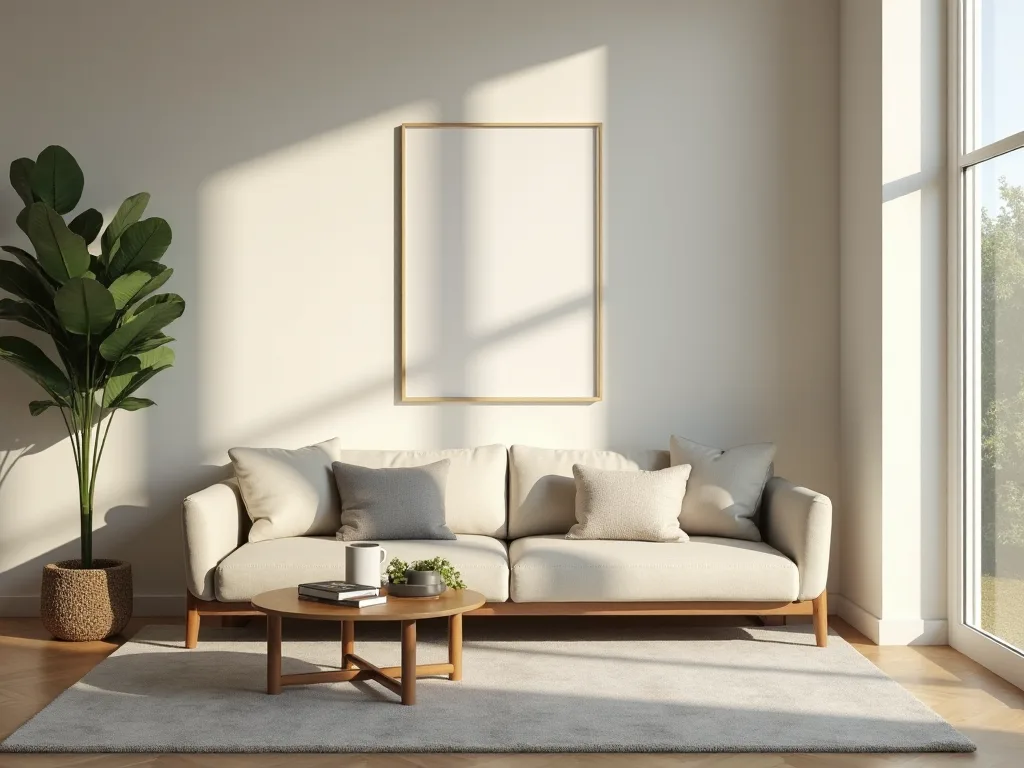
Start with a comfortable, modern sofa in a neutral color. Add texture and visual interest with throw pillows in complementary colors and varied textures—think linen, velvet, and woven materials. Include a soft throw blanket draped casually over one arm of the sofa to add warmth and suggest coziness.
Choose a coffee table that balances form and function. It should be large enough to be practical but not so large that it overwhelms the space. Style it minimally with a few carefully chosen items: perhaps a stack of design or travel books, a small plant or succulent, and a decorative bowl or tray.
Add seating beyond the sofa—an accent chair or two can create a more dynamic, conversation-friendly layout. Choose chairs with interesting shapes or textures that add visual interest without clashing with the overall aesthetic.
Incorporate technology thoughtfully. Place charging stations, wireless speakers, or sleek bar carts to subtly nod at a connected lifestyle. A wireless speaker on a shelf or a charging station on a side table signals that the space is tech-ready without being overtly gadget-focused.
Lighting is crucial in the living room. Layer different light sources—a statement floor lamp, table lamps on side tables, and perhaps accent lighting to highlight artwork or architectural features. This creates ambiance and shows how the space can transition from bright and energetic during the day to warm and cozy in the evening.
Kitchen Staging
The kitchen is a critical space for millennial buyers, who often view it as the heart of the home and a space for both cooking and socializing. Clear all countertops of personal items, small appliances, and clutter. The goal is to showcase the available counter space and create a clean, streamlined look.
Style the kitchen counter with a cutting board, fresh produce, and a vase of flowers. This minimal styling suggests the space is ready for use while maintaining the clean aesthetic millennials prefer. A wooden cutting board with a few lemons or a small bowl of fresh fruit adds color and life without creating clutter.
If the kitchen has modern appliances or smart features, make sure they're clean and prominently displayed. Stainless steel appliances should be polished to a shine. If there's a smart refrigerator or other tech-enabled appliances, consider leaving information about their features visible.
For kitchens with breakfast bars or islands, add a couple of modern bar stools to show the space's potential for casual dining and socializing. This is particularly appealing to millennials who often prefer casual, open-concept entertaining over formal dining.
Ensure all cabinet doors and drawers close properly and that hardware is clean and updated. If cabinet hardware is dated, consider replacing it with modern, minimalist pulls or handles—this small investment can significantly update the kitchen's appearance.
Bedroom Staging
Bedrooms should feel like peaceful retreats that offer respite from busy lives. Start with a quality bed frame and mattress dressed in crisp, neutral bedding. White or light gray bedding creates a hotel-like feel that appeals to millennials' desire for clean, serene spaces.
Layer the bedding with texture—a duvet, decorative pillows in complementary colors, and a throw blanket at the foot of the bed. The bed should look inviting and comfortable, suggesting the quality rest that's so important to busy millennials.
Add nightstands on either side of the bed with matching lamps. Style the nightstands minimally—perhaps with a small plant, a book, and a decorative object. This suggests functionality while maintaining the clean aesthetic.
If space allows, create a small sitting area or reading nook in the bedroom. Small, quiet spaces are in: Zillow reports that mentions of reading nooks in listings are up 48 percent. A comfortable chair with a floor lamp and small side table can transform an empty corner into a cozy retreat.
Closet organization is particularly important for millennial buyers. Pack up half of your clothes and your closets will magically appear to have so much space. Organize remaining items neatly, use matching hangers, and consider adding organizational systems like shelf dividers or hanging organizers to showcase the closet's potential.
Home Office or Flex Space Staging
Given the prevalence of remote work among millennials, a dedicated home office or flex space can be a major selling point. If the property has a spare bedroom, consider staging it as a home office rather than a generic guest room—or better yet, show how it can serve both functions.
Choose a modern desk with clean lines and pair it with an ergonomic, stylish office chair. The desk should be large enough to accommodate a laptop and work materials but not so large that it overwhelms the space. Style the desk minimally with a desk lamp, a small plant, and perhaps a few office accessories in coordinating colors.
Add storage solutions that show how the space can stay organized. Floating shelves with a few books and decorative objects, a filing cabinet that doubles as a side table, or a bookshelf with a mix of books and decor can demonstrate the space's functionality.
If staging the space as a dual-purpose room, include a daybed or sleeper sofa that shows the space can accommodate guests. Add a small side table and lamp to create a functional guest sleeping area that doesn't compromise the office functionality.
Ensure there are visible outlets and consider adding a power strip or charging station to show the space is tech-ready. Good lighting is essential—combine natural light with task lighting and ambient lighting to create a productive work environment.
Bathroom Staging
Bathrooms should feel like spa-like retreats. Start with a deep clean—bathrooms must be spotless for staging. Remove all personal items, toiletries, and medications. Clear countertops completely, then add back just a few carefully chosen items.
Add a tray with spa-like items (e.g., rolled towels, candles) in the bathroom. A small tray on the counter with a few rolled hand towels, a candle, and perhaps a small plant creates a hotel-like atmosphere that appeals to millennials' desire for self-care and relaxation.
Invest in quality towels in neutral colors—white, gray, or beige work well. Hang them neatly on towel bars or display them rolled in a basket. The towels should look fresh and fluffy, suggesting luxury and comfort.
If the bathroom has a tub, consider adding a bath caddy with a book and candle to suggest the possibility of relaxing soaks. For showers, a sleek shower caddy with high-end-looking (but inexpensive) bottles can show the space is functional while maintaining the clean aesthetic.
Update fixtures if they're dated. Modern faucets, showerheads, and cabinet hardware can significantly update a bathroom's appearance without major renovation. Ensure all fixtures are clean and free of water spots or mineral deposits.
Add a mirror if the bathroom doesn't have adequate reflective surfaces. Mirrors make bathrooms feel larger and brighter, both desirable qualities for millennial buyers.
Essential Staging Items for Millennial Appeal
Having the right staging inventory is crucial for creating spaces that resonate with millennial buyers. Here's a comprehensive list of essential items to include in your staging toolkit:
Furniture Essentials
- Modern, minimalist sofas and sectionals in neutral colors like gray, beige, or navy
- Sleek dining tables with clean lines, preferably in wood or wood-look materials
- Contemporary bed frames in simple designs without excessive ornamentation
- Modular furniture pieces that can demonstrate flexibility and multiple uses
- Accent chairs with interesting shapes or textures in complementary colors
- Modern desks suitable for home office staging, with clean lines and adequate workspace
- Ergonomic office chairs that look stylish while suggesting functionality
- Console tables that can serve multiple purposes in different spaces
- Nightstands and side tables with storage options and modern designs
- Outdoor furniture including bistro sets, lounge chairs, and weather-resistant seating
Decor and Accessories
- Indoor plants in various sizes, from small succulents to large floor plants
- Modern planters in materials like ceramic, concrete, or woven baskets
- Throw pillows in a variety of textures and complementary colors
- Soft throw blankets in neutral tones with interesting textures
- Abstract or nature-inspired artwork in modern frames
- Decorative mirrors in various sizes and styles
- Coffee table books on design, travel, or photography
- Decorative trays and bowls for styling surfaces
- Vases in modern shapes for fresh or faux flowers
- Candles in neutral colors and simple containers
- Area rugs in neutral patterns that add texture without overwhelming
- Window treatments that are minimal and light-filtering
Lighting Solutions
- Modern floor lamps with clean lines and adjustable features
- Table lamps in various sizes for layered lighting
- Pendant lights for dining areas or kitchen islands
- LED bulbs in warm white tones for a welcoming atmosphere
- String lights for outdoor spaces or creating ambiance
- Desk lamps with modern designs for home office staging
Tech-Forward Elements
- Smart home devices like smart speakers or displays
- Charging stations for multiple devices
- Wireless speakers that blend with decor
- Smart thermostats (if not already installed)
- USB wall outlets or power strips with USB ports
- Cable management solutions to keep tech areas tidy
Sustainable and Natural Elements
- Furniture made from reclaimed or sustainable wood
- Organic textiles like cotton, linen, or bamboo
- Natural fiber rugs made from jute, sisal, or wool
- Bamboo or wooden accessories for kitchen and bathroom staging
- Reusable and eco-friendly items that can be highlighted as features
Color Palettes That Resonate with Millennials
Color choices play a crucial role in creating spaces that appeal to millennial sensibilities. While neutral foundations remain important, the specific shades and accent colors you choose can significantly impact how millennials perceive a space.
Primary Neutral Palette
The foundation of millennial-focused staging should include warm, inviting neutrals:
- Warm whites like ivory, cream, or off-white rather than stark white
- Soft grays with warm undertones, avoiding cool or blue-toned grays
- Beiges and taupes that add warmth without feeling dated
- Greige (gray-beige blends) that offer versatility and contemporary appeal
These neutral bases create a calm, sophisticated backdrop that allows millennials to envision their own style while still feeling current and well-designed.
Accent Colors
Strategic use of accent colors adds personality and visual interest. Current colors that resonate with millennial buyers include:
- Sage green – calming, natural, and on-trend
- Terracotta – warm, earthy, and adds richness
- Navy blue – sophisticated and versatile
- Dusty rose or blush – soft and modern
- Mustard yellow – adds energy without being overwhelming
- Deep teal – rich and contemporary
- Warm rust – earthy and inviting
Use these accent colors sparingly in throw pillows, artwork, small furniture pieces, or decorative accessories. The goal is to add visual interest and personality without overwhelming the neutral foundation or making the space feel too personalized.
Natural Material Colors
Incorporate the natural colors of materials themselves:
- Natural wood tones in furniture and accessories
- Rattan and wicker in their natural honey tones
- Jute and sisal in rugs and textiles
- Stone and concrete in their natural gray tones
- Greenery from plants in various shades
These natural material colors add warmth and texture while reinforcing the sustainable, eco-conscious aesthetic that appeals to millennials.
Common Staging Mistakes to Avoid
Even with the best intentions, certain staging mistakes can undermine your efforts to appeal to millennial buyers. Here are critical errors to avoid:
Over-Personalizing the Space
While adding personality is important, going too far can make it difficult for buyers to envision themselves in the space. Avoid:
- Family photos or personal memorabilia
- Religious or political items
- Highly specific hobby-related decor
- Bold, polarizing color choices on walls
- Overly themed rooms that limit imagination
Using Dated or Worn Items
Millennials expect move-in-ready properties with contemporary aesthetics. Avoid:
- Furniture with visible wear, stains, or damage
- Outdated styles like heavy, ornate furniture
- Faded or worn textiles
- Dated light fixtures or hardware
- Artificial plants or flowers (real or nothing is better)
Overcrowding Spaces
Millennials value open, airy spaces. Avoid:
- Too much furniture that makes rooms feel cramped
- Blocking natural light or traffic flow
- Cluttered surfaces with too many decorative items
- Overfilled bookshelves or storage areas
- Too many patterns or colors competing for attention
Neglecting Technology Integration
Millennials are digital natives who expect tech-friendly homes. Avoid:
- Hiding or ignoring smart home features
- Failing to show charging station locations
- Neglecting to demonstrate home office functionality
- Poor cable management or visible cord clutter
- Outdated or non-functional technology on display
Ignoring Outdoor Spaces
Outdoor areas are increasingly important to millennials. Avoid:
- Leaving balconies, patios, or yards unstaged
- Neglecting outdoor maintenance and cleaning
- Failing to show outdoor entertaining potential
- Ignoring small outdoor spaces like balconies
- Not highlighting outdoor amenities or views
Budget-Friendly Staging Tips
Professional staging can be expensive, but there are ways to achieve millennial appeal without breaking the bank. Here are cost-effective strategies:
Focus on High-Impact Areas
Rather than staging every room, concentrate your budget on the spaces that matter most to buyers. The living room, kitchen, and master bedroom should be your priorities, as these are the spaces that most influence buying decisions.
Shop Smart for Staging Items
You don't need to buy everything new or expensive:
- Shop discount retailers like HomeGoods, Target, or IKEA for affordable modern pieces
- Use online marketplaces for gently used furniture in good condition
- Rent staging furniture for short-term needs
- Invest in versatile pieces that can be used in multiple properties
- Focus spending on items that photograph well
DIY Updates That Make a Difference
Small, inexpensive updates can have significant impact:
- Paint walls in neutral, contemporary colors
- Update cabinet hardware in kitchens and bathrooms
- Replace outdated light fixtures with modern alternatives
- Add peel-and-stick backsplash in kitchens
- Update outlet covers and switch plates
- Deep clean everything thoroughly
Maximize What You Have
Before buying new items, work with what's available:
- Rearrange existing furniture for better flow
- Remove excess furniture to create more space
- Repurpose items from other rooms
- Use what you have in new ways (e.g., a dresser as a TV stand)
- Borrow items from friends or family for showings
Invest in Key Accessories
Sometimes small, inexpensive accessories can transform a space:
- Fresh flowers or plants (real, not artificial)
- New throw pillows in current colors
- A few pieces of modern artwork or prints
- New towels and bedding in neutral colors
- Decorative trays and bowls for styling
Virtual Staging Considerations
Given millennials' digital-first approach to home shopping, virtual staging has become an increasingly popular option. Among the most striking shifts is the rise of virtual staging, now used by more than half of real estate professionals.
Benefits of Virtual Staging
Virtual staging offers several advantages:
- Cost-effective – significantly less expensive than physical staging
- Flexible – easy to show multiple design options or room configurations
- Quick turnaround – can be completed in days rather than weeks
- Perfect for vacant properties – helps buyers visualize furnished spaces
- Customizable – can be tailored to target demographic preferences
Best Practices for Virtual Staging
If using virtual staging, follow these guidelines:
- Always disclose that images are virtually staged
- Keep it realistic – use furniture and decor that could actually fit in the space
- Maintain consistency – ensure virtual staging matches the property's actual style and condition
- Focus on key rooms – virtually stage the most important spaces
- Use high-quality images – poor quality virtual staging is worse than none
- Complement with real photos – include both virtually staged and actual photos
When to Use Physical vs. Virtual Staging
Consider these factors when deciding between physical and virtual staging:
Use physical staging when:
- The property will have in-person showings
- You're in a competitive market where staging is expected
- The property is vacant and needs to feel lived-in
- You want to create an emotional connection during tours
- The property is high-end or luxury
Use virtual staging when:
- Budget is limited
- The property is vacant and primarily marketed online
- You want to show multiple design options
- Physical staging isn't feasible due to location or timing
- You're testing market interest before investing in physical staging
Marketing Staged Properties to Millennials
Staging is only part of the equation—you also need to effectively market the staged property to reach millennial buyers and renters.
Professional Photography is Essential
Invest in professional real estate photography that showcases your staging efforts. Millennials form first impressions based on online photos, so high-quality images are non-negotiable. Ensure your photographer:
- Uses proper lighting and equipment
- Captures wide angles that show room flow
- Photographs during optimal lighting conditions
- Edits images professionally without misrepresenting the property
- Includes detail shots of key features and staging elements
Create Compelling Online Listings
Your listing description should highlight features that matter to millennials:
- Emphasize flexible spaces and work-from-home potential
- Highlight sustainable features and energy efficiency
- Mention smart home technology and modern amenities
- Describe the lifestyle the property enables
- Include information about the neighborhood and nearby amenities
- Use descriptive language that creates emotional appeal
Leverage Social Media
Millennials spend significant time on social media, making it an ideal platform for property marketing:
- Share staged property photos on Instagram with relevant hashtags
- Create short video tours for Instagram Stories or Reels
- Post on Facebook Marketplace and local community groups
- Use Pinterest to showcase design elements and staging ideas
- Consider TikTok for creative property tours targeting younger millennials
Offer Virtual Tours
Given millennials' comfort with technology and preference for online research, virtual tours are increasingly important:
- Create 3D virtual tours using platforms like Matterport
- Offer live video tours via FaceTime or Zoom
- Provide detailed floor plans
- Include video walkthroughs in listings
- Make virtual tours easily accessible from mobile devices
Highlight Sustainability and Smart Features
Create separate marketing materials that detail:
- Energy-efficient appliances and their estimated savings
- Smart home features and how they work
- Sustainable materials and eco-friendly elements
- Utility costs and energy ratings
- Green certifications or energy audits
Measuring Staging Success
To understand whether your staging efforts are effective, track these metrics:
Time on Market
Compare how long staged properties stay on the market versus unstaged properties in similar locations and price ranges. A professionally staged home spends 73% less time on the market compared to those without staging.
Sale Price
Track whether staged properties sell at, above, or below asking price. Staged homes on the market sold for 25% more than homes without staging. Monitor your specific results to understand your return on staging investment.
Showing Activity
Monitor how many showings staged properties generate compared to unstaged properties. 40% of buyers arrange to look at the home they have seen staged online, indicating that good staging drives showing traffic.
Online Engagement
Track metrics like:
- Number of online listing views
- Time spent viewing listing photos
- Social media engagement (likes, shares, comments)
- Inquiries generated from online listings
- Virtual tour completions
Buyer Feedback
Collect feedback from showings to understand what resonates with millennial buyers:
- What features did they mention positively?
- What concerns did they raise?
- How did they respond to the staging?
- What comparisons did they make to other properties?
Adapting Staging for Different Property Types
While the core principles of millennial-focused staging remain consistent, different property types require adapted approaches.
Apartments and Condos
For smaller urban spaces:
- Emphasize space efficiency and smart storage solutions
- Show how small spaces can be multi-functional
- Highlight building amenities that extend living space
- Focus on creating distinct zones in open-concept layouts
- Maximize natural light and create the illusion of more space
- Stage balconies or patios as valuable outdoor living areas
Single-Family Homes
For houses with more space:
- Show the versatility of extra bedrooms (office, gym, nursery)
- Stage outdoor spaces for entertaining and relaxation
- Highlight storage and organizational possibilities
- Create distinct purpose for each room
- Emphasize family-friendly features without being too specific
- Show how spaces can grow with changing needs
Rental Properties
For properties targeting millennial renters:
- Focus on move-in ready appeal
- Highlight included amenities and appliances
- Show storage solutions for renters without extensive belongings
- Emphasize low-maintenance features
- Create Instagram-worthy spaces that renters will want to share
- Demonstrate the lifestyle the location enables
Fixer-Uppers
For properties needing work:
- Use staging to show potential rather than current state
- Provide inspiration boards or renderings of possible updates
- Stage one or two rooms to show what's possible
- Highlight good bones and architectural features
- Be transparent about needed work while showing vision
- Consider virtual staging to show renovation potential
Seasonal Staging Considerations
Adjust your staging approach based on the season to maintain appeal year-round.
Spring and Summer Staging
- Emphasize outdoor spaces and natural light
- Use lighter textiles and brighter colors
- Add fresh flowers and greenery throughout
- Stage patios and balconies for outdoor living
- Keep spaces feeling cool and airy
- Highlight air conditioning and ventilation
Fall and Winter Staging
- Create cozy, warm atmospheres with textiles
- Add throws, pillows, and layered bedding
- Use warmer lighting to combat shorter days
- Highlight heating systems and energy efficiency
- Stage fireplaces as focal points
- Add seasonal touches without being overly themed
Working with Professional Stagers
While DIY staging is possible, professional stagers bring expertise and resources that can significantly enhance results.
Benefits of Professional Staging
- Expertise in current design trends and buyer preferences
- Access to extensive furniture and decor inventory
- Objective perspective on the property
- Knowledge of what photographs well
- Ability to stage quickly and efficiently
- Understanding of target demographic preferences
What to Look for in a Stager
When hiring a professional stager:
- Review their portfolio for style alignment
- Ask about experience with millennial-targeted properties
- Discuss their understanding of current trends
- Inquire about their inventory and sourcing capabilities
- Understand their pricing structure and what's included
- Check references and reviews from previous clients
- Ensure they understand your target demographic
Communicating Your Goals
To get the best results from a professional stager:
- Clearly communicate that you're targeting millennial buyers
- Share information about the local market and competition
- Discuss budget constraints upfront
- Identify which rooms are priorities
- Share any unique features that should be highlighted
- Discuss timeline and scheduling needs
- Be open to their professional recommendations
Future Trends in Millennial-Focused Staging
As millennials continue to shape the real estate market, staging trends will continue to evolve. Stay ahead of the curve by watching these emerging trends:
Increased Focus on Wellness
Expect growing emphasis on spaces that support physical and mental health:
- Home gym or yoga spaces
- Meditation or quiet rooms
- Air quality and natural ventilation features
- Circadian lighting systems
- Spaces for indoor plants and biophilic design
Greater Technology Integration
Smart home technology will become even more expected:
- Integrated smart home systems
- Voice-controlled features
- Advanced security systems
- Energy monitoring and management
- Seamless connectivity throughout the home
Continued Sustainability Focus
Environmental consciousness will remain a priority:
- Carbon-neutral or carbon-negative features
- Water conservation systems
- Renewable energy integration
- Sustainable and recycled materials
- Zero-waste design principles
Adaptable and Flexible Spaces
Homes that can evolve with changing needs will be increasingly valued:
- Modular furniture and room dividers
- Convertible spaces that serve multiple functions
- Movable walls or partitions
- Furniture with hidden storage and multiple uses
- Spaces designed for easy reconfiguration
Conclusion: The Strategic Value of Millennial-Focused Staging
Staging properties to appeal to millennial buyers and renters is not just about following design trends—it's about understanding a generation's values, priorities, and lifestyle needs. Millennials make up 29% of recent home buyers, representing a substantial market segment that will continue to drive real estate trends for years to come.
Successful millennial-focused staging creates spaces that are functional, flexible, sustainable, and aesthetically pleasing. It demonstrates how properties can support remote work, social entertaining, wellness activities, and the connected lifestyle that millennials expect. By incorporating natural elements, modern design, smart technology, and multi-functional spaces, staging can transform a property from just another listing into a home that millennials can envision as their own.
The investment in proper staging pays dividends through faster sales, higher prices, and more engaged buyers. Staged homes sell 73% faster on average than non-staged homes, and 85% of staged homes sold for 5% to 23% over their listing price. These statistics demonstrate that staging is not an optional luxury but a strategic necessity in today's competitive real estate market.
As you implement these staging strategies, remember that authenticity matters to millennials. They can spot inauthentic or superficial attempts to appeal to them. Focus on creating genuinely functional, beautiful spaces that reflect the values and lifestyle this generation prioritizes. Whether you're staging a small urban apartment or a suburban single-family home, the principles remain the same: create flexible, sustainable, tech-enabled spaces that feel both modern and welcoming.
By understanding millennial preferences and implementing thoughtful staging strategies, you can position properties to stand out in a crowded market, attract serious buyers, and achieve successful sales that benefit both sellers and the millennials who are shaping the future of real estate.
For more insights on real estate trends and home staging, visit the National Association of Realtors or explore design inspiration at Houzz. Stay current with interior design trends at Architectural Digest, and learn more about sustainable home features at U.S. Green Building Council.