Table of Contents
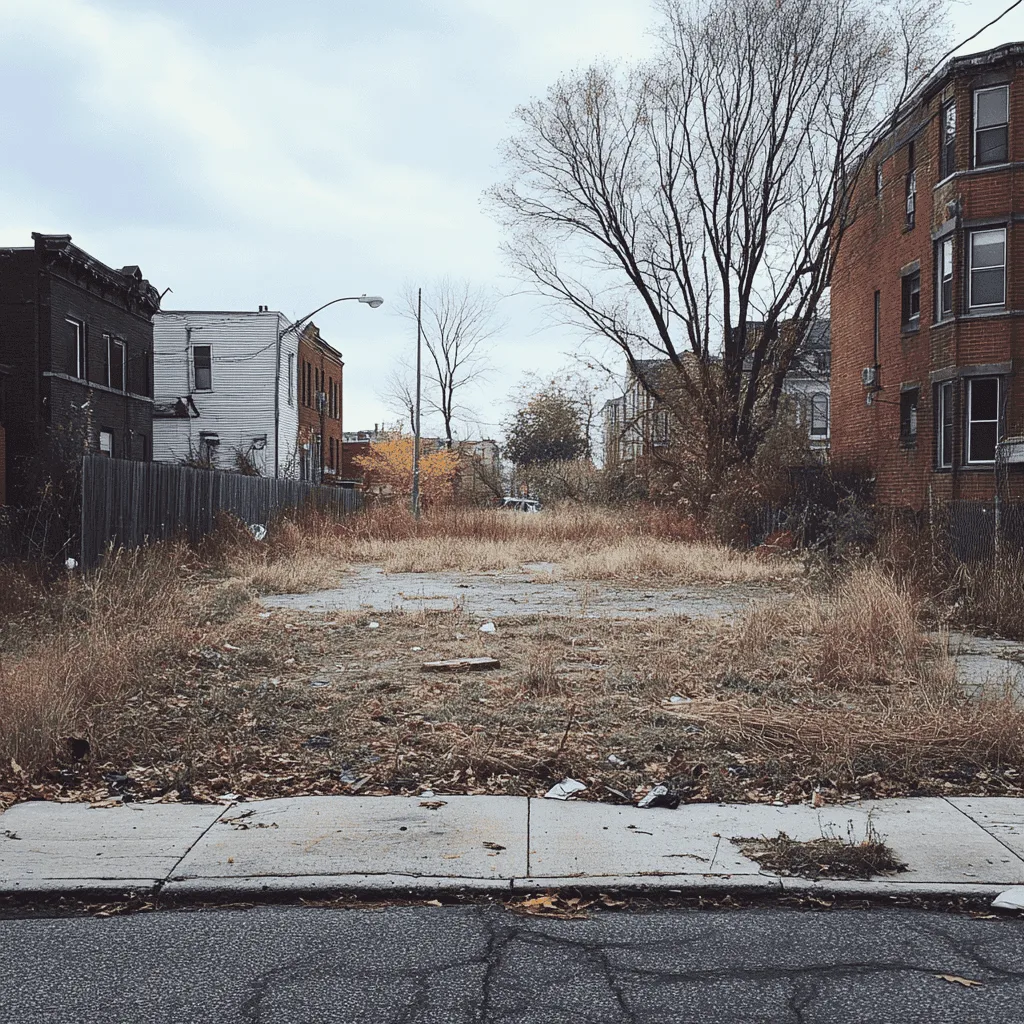
Transforming a vacant lot into a community garden creates green space, strengthens neighborhood bonds, and increases property values. Whether you own the land or partner with a property owner, this guide walks you through the essential steps from securing permissions to harvesting your first crops.
Securing Land Rights and Permissions
Before investing time and resources, establish legal access to the property. Contact your county assessor's office or search online property records to identify the landowner. Many municipalities maintain vacant lot databases through their planning departments.
Approach landowners with a written proposal outlining your garden plan, liability insurance coverage, and maintenance responsibilities. Property owners often welcome community gardens because they reduce maintenance costs, discourage illegal dumping, and can provide tax benefits in some jurisdictions.
For publicly-owned lots, submit applications through your city's parks and recreation department or community development office. Most cities require proof of community support, a site plan, and evidence of organizational capacity before approving permits.
Essential Legal Documents
- Land use agreement specifying term length (typically 1-5 years renewable)
- General liability insurance policy ($1-2 million coverage recommended)
- Written lease or memorandum of understanding
- Hold harmless agreements for volunteer participants
- Any required zoning variances or conditional use permits
Testing Soil and Addressing Contamination
Urban and suburban vacant lots frequently contain elevated levels of lead, petroleum products, or industrial contaminants. Professional soil testing costs $50-200 per composite sample and identifies potential hazards before planting.
Contact your state's cooperative extension service for testing recommendations. Request analysis for heavy metals (lead, arsenic, cadmium), pH levels, and nutrient content. The USDA Natural Resources Conservation Service provides free or low-cost soil testing in many areas.
Remediation Options for Contaminated Soil
If tests reveal contamination above EPA residential soil screening levels, consider these solutions:
- Raised beds: Construct beds 12-18 inches high with barriers separating clean soil from existing ground
- Soil replacement: Remove 18-24 inches of contaminated soil and replace with certified clean topsoil
- Phytoremediation: Plant sunflowers, mustard greens, or other accumulator plants to gradually extract contaminants
- Capping: Cover the lot with landscape fabric and 12+ inches of clean soil for non-edible ornamental gardens
Never grow root vegetables or leafy greens directly in contaminated soil. If lead levels exceed 400 ppm, raised beds with barriers are essential for food production.
Creating a Site Plan and Design
A detailed site plan helps secure permissions, organize volunteers, and estimate costs. Survey the lot to note sunlight patterns, existing vegetation, slope, drainage, and proximity to water sources.
Successful community gardens typically allocate space for:
- Individual garden plots (100-200 square feet per gardener)
- Communal growing areas for shared harvests
- Composting stations with three-bin systems
- Tool storage shed (8x10 feet minimum)
- Gathering area with seating
- Pathways wide enough for wheelbarrows (3-4 feet)
- Water access points every 50-75 feet
Draw your plan to scale using free tools like Google SketchUp or Garden Planner. Include measurements, cardinal directions, and labeled areas. This document becomes crucial when applying for grants or recruiting volunteers.
Securing Water Access
Reliable water access determines garden viability. Identify the nearest water source and calculate installation costs early in your planning.
Tap water from adjacent properties through a formal agreement with the property owner. Expect to pay $200-500 for basic connection plus monthly usage fees. Install a dedicated meter to track consumption and split costs among gardeners.
Rain harvesting systems reduce water bills and provide chlorine-free irrigation. A 1,000-square-foot roof captures approximately 600 gallons per inch of rainfall. Connect gutters to food-grade storage tanks or IBCs (intermediate bulk containers) holding 275-330 gallons each.
For lots without nearby water hookups, consider hauling water in food-grade containers or installing a shallow well if local regulations permit. Drip irrigation systems reduce water needs by 30-50% compared to overhead watering.
Establishing Garden Governance
Clear rules and shared decision-making prevent conflicts. Form a garden committee with 5-7 members representing diverse community stakeholders. Meet monthly during growing season and quarterly in winter.
Key Policies to Address
- Plot assignment process and waiting list procedures
- Annual fees (typically $25-75 per plot to cover water and supplies)
- Maintenance requirements and abandonment policies
- Organic vs. conventional growing standards
- Pesticide and herbicide restrictions
- Communal work day expectations (4-6 hours annually)
- Noise restrictions and allowable hours
- Pet policies
- Harvest sharing from communal areas
Document these policies in written bylaws distributed to all participants. The American Community Gardening Association provides template bylaws and governance documents free to members.
Fundraising and Budget Planning
Startup costs for a community garden range from $3,000-15,000 depending on size, infrastructure needs, and soil conditions. Create a detailed budget before launching fundraising efforts.
Typical Startup Expenses
| Item | Estimated Cost |
|---|---|
| Soil testing | $150-300 |
| Liability insurance (annual) | $500-1,200 |
| Fencing (chain link, 4 feet high) | $8-12 per linear foot |
| Water hookup and lines | $500-2,000 |
| Tool shed | $800-2,500 |
| Soil amendment and compost | $40-60 per cubic yard |
| Basic tools and supplies | $500-1,000 |
| Signage | $200-400 |
Apply for grants through local community foundations, corporate giving programs, and national organizations like the Scotts Miracle-Gro Foundation, Whole Kids Foundation, or Captain Planet Foundation. Neighborhood associations, faith communities, and garden clubs often provide seed funding or in-kind donations.
Host community fundraisers including plant sales, garden tours, or benefit dinners using garden produce. Crowdfunding platforms like GoFundMe or Kickstarter work well when paired with strong social media outreach.
Site Preparation and Infrastructure
Schedule a community work day to clear the lot. Contact your municipality's public works department about free brush removal or dumpster access for community projects.
Remove debris, invasive vegetation, and any hazardous materials. String trimming, then covering cleared areas with cardboard and mulch suppresses weeds without herbicides. Allow this sheet mulching to break down for 4-6 weeks before planting.
Install perimeter fencing to define boundaries and prevent unwanted access. A 4-6 foot chain link fence with lockable gates balances security with neighborhood aesthetics. Some communities prefer split-rail or living willow fences for a softer appearance.
Establish main pathways first using wood chips, gravel, or compacted crusher fines. Permanent pathways should be 3-4 feet wide to accommodate wheelbarrows and people with mobility devices. Mark individual plot boundaries with stakes and string before gardeners begin building beds.
Building Garden Beds and Planting
Raised beds offer superior drainage, warmer soil temperatures, and easier access for gardeners with physical limitations. Construct beds from untreated cedar, composite lumber, or concrete blocks. Avoid railroad ties or pressure-treated lumber manufactured before 2004, which contain arsenic compounds.
Standard bed dimensions of 4x8 feet or 4x10 feet allow reach from both sides without stepping on growing areas. Build beds 12-18 inches high for adequate root depth. Fill with a mixture of 60% topsoil, 30% compost, and 10% drainage material like perlite or coarse sand.
First-year gardens benefit from quick-growing crops that demonstrate success and build momentum. Lettuce, radishes, bush beans, cherry tomatoes, and herbs mature quickly and tolerate novice mistakes.
Coordinate planting schedules with your USDA hardiness zone and last frost dates. Cooperative extension offices provide free planting calendars optimized for local conditions.
Implementing Sustainable Practices
Community gardens serve as neighborhood demonstrations for environmental stewardship. Establish composting systems to recycle garden waste and kitchen scraps into soil amendments.
Three-bin composting systems allow continuous processing. Fresh materials enter bin one, partially decomposed material shifts to bin two, and finished compost sits ready in bin three. Turn piles weekly and maintain proper moisture for decomposition within 8-12 weeks.
Install rain barrels or cisterns to capture stormwater runoff. Most municipalities offer rebates of $50-100 per barrel. Connect multiple barrels in series to maximize storage capacity.
Plant pollinator corridors with native wildflowers, herbs, and perennials. Milkweed, coneflowers, black-eyed Susans, and native grasses support beneficial insects while requiring minimal maintenance.
Building Community Engagement
Gardens thrive when they reflect neighborhood diversity and priorities. Host bilingual meetings if your area has non-English speakers. Schedule events at various times to accommodate different work schedules.
Organize educational workshops on topics like seed starting, season extension, food preservation, and composting. Partner with master gardeners, cooperative extension educators, or experienced gardeners willing to share expertise.
Create family-friendly spaces with separate children's garden plots featuring sensory plants, sunflowers, and quick-growing vegetables. Provide child-sized tools and simple plant markers kids can decorate.
Document garden activities through photos, harvest totals, and volunteer hours. Share success stories through neighborhood newsletters, social media, and local news outlets. This visibility attracts new participants and strengthens funding applications.
Maintaining Long-Term Success
Gardens require ongoing leadership and maintenance. Rotate committee positions every 1-2 years to prevent burnout and incorporate fresh perspectives. Develop succession plans for key roles.
Schedule regular communal work days for shared tasks like pathway maintenance, compost turning, and tool organization. Most gardens require 4-6 annual work days beyond individual plot care.
Conduct end-of-season evaluations collecting feedback from all gardeners. Identify what worked well and areas needing improvement. Adjust policies and practices based on this input.
Expand programming gradually as capacity allows. Mature gardens often add farm stands, cooking classes, school partnerships, or donation programs for food banks once core operations stabilize.
Addressing Common Challenges
Theft and vandalism occasionally affect community gardens. Motion-activated lighting, visible signage explaining the garden's community purpose, and relationships with nearby residents reduce incidents. Consider installing cameras at entry points if problems persist.
Plot abandonment typically occurs mid-summer. Bylaws should specify that plots unattended for 3-4 weeks may be reassigned. Send reminder notices before declaring plots abandoned and maintain a waiting list of interested gardeners.
Interpersonal conflicts arise in shared spaces. Establish clear complaint procedures and designate neutral mediators. Address issues promptly before they escalate.
Water shortages during drought require conservation measures. Implement mandatory mulching, restrict watering hours, and prioritize drip irrigation over sprinklers. Rain barrels become especially valuable during dry periods.
Measuring Impact and Growth
Track metrics that demonstrate garden value to funders and property owners. Record pounds of produce harvested, number of active gardeners, volunteer hours contributed, and community events hosted.
Survey participants about health benefits, food cost savings, and social connections formed through the garden. These qualitative measures often prove more compelling than harvest weights alone.
Research shows community gardens can increase nearby property values by 9.4% and reduce crime rates in previously vacant lots by up to 13.7%. Document these neighborhood improvements when renewing land agreements or seeking expanded support.
Connect with regional and national community garden networks for resources, advocacy support, and shared learning. The American Community Gardening Association, community garden coalitions in major cities, and online forums provide ongoing education and problem-solving assistance.