Table of Contents
The sun blazes overhead for ten months of the year. Your air conditioning runs constantly from March through October. Electric bills spike to $400, $500, even $600 monthly during peak summer. You're not alone—millions of homeowners in warm climates face this exhausting cycle of heat and high energy costs, wondering if there's a better way to live comfortably without breaking the bank or consuming excessive energy.
The answer lies not in more powerful air conditioning or resigned acceptance of brutal utility bills, but in fundamentally rethinking how homes are designed, built, and operated in hot climates. Energy-efficient home design for warm climates represents a holistic approach combining architectural strategies, material science, passive cooling techniques, and modern technology to create comfortable living spaces that naturally resist heat while minimizing energy consumption.
Building an energy-efficient home in warm climates isn't just about saving money—though the financial benefits are substantial, with well-designed homes reducing cooling costs by 40-60% compared to conventional construction. It's about creating healthier indoor environments with better air quality and temperature stability, reducing environmental impact through lower energy consumption, increasing property values through superior design and lower operating costs, and achieving genuine resilience against power outages and rising energy prices.
This comprehensive guide examines every aspect of building energy-efficient homes in warm climates, from fundamental design principles and material selection to advanced technologies and landscaping strategies. Whether you're planning new construction, undertaking major renovations, or simply looking to understand how climate-appropriate design works, you'll find actionable insights that can transform how you think about building in hot weather.
Understanding Warm Climate Challenges
Before diving into specific strategies, understanding the unique challenges warm climates present helps contextualize why conventional building approaches often fail in hot regions.
Types of Warm Climates
Not all warm climates are created equal, and effective strategies vary based on specific climate characteristics.
Hot-dry climates (Phoenix, Las Vegas, Palm Springs) feature intense solar radiation, high daytime temperatures (often 100-115°F in summer), dramatic day-night temperature swings (30-40°F differences), and minimal humidity. These conditions favor thermal mass strategies that absorb daytime heat and release it during cooler nights, evaporative cooling techniques that leverage low humidity, and heavy sun protection through shading and reflective surfaces.
Hot-humid climates (Miami, Houston, New Orleans) combine high temperatures with oppressive humidity (70-90% relative humidity), minimal diurnal temperature variation, frequent afternoon thunderstorms, and year-round warmth. These conditions require prioritizing dehumidification alongside cooling, maximizing natural ventilation to prevent moisture buildup, and using mold-resistant materials throughout construction.
Hot-arid subtropical (Southern California, parts of Texas) split the difference with moderate humidity, consistent warmth without extreme spikes, reliable sunshine, and mild winters. These climates benefit from balanced approaches using moderate thermal mass, some passive ventilation, and comprehensive sun control.
Understanding your specific climate type determines which strategies provide maximum benefit versus minimal impact or potential problems.
The Heat Transfer Problem
Heat gain in warm climates occurs through multiple mechanisms, each requiring different mitigation strategies.
Solar radiation through windows, walls, and roofs represents the largest heat source in most homes. The sun delivers approximately 1,000 watts per square meter of solar radiation at peak intensity—a south-facing window just 10 square feet in size admits enough heat to require 1,000 watts of air conditioning to offset. Multiply this by dozens of windows and thousands of square feet of roof, and solar heat gain becomes overwhelming without proper control.
Conduction through building materials transfers outdoor heat to interior spaces based on material conductivity and temperature differences. A conventional roof reaching 160°F in direct sun conducts substantial heat through insufficient insulation into attic spaces, which then radiate heat into living areas below. Walls, windows, and floors similarly conduct heat, with poorly insulated assemblies allowing continuous heat flow.
Air infiltration brings hot outdoor air directly into conditioned spaces through gaps, cracks, and intentional openings. Even small gaps around windows, doors, electrical outlets, and attic hatches allow hot air to enter and cool air to escape, forcing air conditioners to work harder maintaining comfortable temperatures.
Internal heat generation from appliances, lighting, occupants, and equipment adds to cooling loads. A refrigerator generates 500-1,000 watts of heat continuously, while cooking appliances, clothes dryers, lighting, computers, and even human bodies (approximately 100 watts per person) contribute additional heat that must be removed.
The Energy Efficiency Opportunity
Homes in warm climates consume 40-60% of total energy for cooling, compared to 20-30% for heating and cooling combined in moderate climates. This cooling-dominated energy profile creates enormous efficiency opportunities—reducing cooling loads by 50% might cut total energy consumption by 25-30%, generating substantial savings and environmental benefits.
Well-designed energy-efficient homes in warm climates often consume 40-70% less total energy than code-minimum construction, with specific cooling energy reductions reaching 60-80% through combined strategies. These dramatic improvements translate to monthly savings of $150-$400 during peak cooling months, providing compelling financial returns alongside comfort and environmental benefits.
Optimize Your Home's Orientation and Siting
Before a single material is selected or wall is framed, fundamental decisions about site selection and building orientation largely determine long-term energy performance.
Solar Orientation Fundamentals
Building orientation relative to the sun's path dramatically affects heat gain and cooling requirements. In the Northern Hemisphere, the sun travels across the southern sky, meaning south-facing walls and windows receive the most solar exposure, east-facing surfaces receive intense morning sun, west-facing surfaces endure brutal afternoon sun (the most problematic exposure in hot climates), and north-facing surfaces receive minimal direct sun and provide the most stable, cool exposure.
Elongating your home along the east-west axis (creating a rectangular footprint with long walls facing north and south) minimizes exposure to harsh east and west sun while maximizing the more manageable north and south exposures. This configuration reduces overall solar heat gain by 15-25% compared to homes oriented east-west with long walls facing morning and afternoon sun.
South-facing walls in warm climates benefit from relatively easy sun control—the sun's high angle during summer means simple horizontal overhangs can block direct sun while winter's lower sun angle (if relevant) allows solar access for passive heating. North-facing walls require minimal sun protection since they receive little direct exposure. However, east and west exposures prove challenging because the sun's low morning and afternoon angles mean vertical surfaces receive intense direct radiation that's difficult to shade with conventional overhangs.
Minimize east and west-facing windows or provide them with substantial external shading through deep overhangs, vertical fins, or shutters. If views or daylighting require windows on these exposures, keep them small and use high-performance glazing with low solar heat gain coefficients.
Natural Ventilation Design
Cross-ventilation requires carefully positioned windows on opposite sides of the home, allowing breezes to flow through living spaces and naturally cool the interior without mechanical assistance. This passive strategy works best during shoulder seasons (spring and fall) when outdoor temperatures are comfortable but mechanical cooling isn't necessary.
Understanding prevailing winds in your location determines optimal window placement for natural ventilation. Coastal areas typically experience sea breezes from predictable directions, while inland areas might have seasonal wind patterns. Position operable windows perpendicular to prevailing breezes—windows on the windward side act as inlets while leeward windows provide outlets, creating pressure differentials that drive airflow.
Vertical ventilation through the stack effect uses hot air's natural buoyancy to drive cooling. High windows, clerestories, or vents near the ceiling allow hot air to escape while lower windows admit cooler replacement air. Two-story homes can leverage this effect particularly well with operable windows on upper floors exhausting hot air while first-floor windows draw in cooler air.
Night cooling strategies take advantage of cooler nighttime temperatures in hot-dry climates with substantial diurnal temperature swings. Opening windows during cool nights purges accumulated daytime heat, allowing thermal mass to cool down and providing fresh, cool conditions for the following morning. Automated window openers or whole-house fans accelerate this process.
Shading from Landscape and Structures
Mature trees strategically positioned provide free, natural shading that can reduce wall and roof temperatures by 20-40°F. Deciduous trees on south, east, and west exposures provide summer shading while allowing winter sun penetration (in climates with distinct seasons). However, trees require years to mature, so incorporate them early in site planning.
Calculate optimal tree placement by understanding sun angles at your latitude. During summer in mid-latitudes (25-40°N), the sun at solar noon reaches 70-90° altitude, while early morning and late afternoon sun sits at 20-40° altitude. Trees positioned to intercept these angles provide maximum benefit—typically 15-25 feet from walls they're shading.
Evergreen trees work well on west exposures where year-round shading is desirable and winter sun isn't needed. Combining evergreens (pines, palms, live oaks depending on region) with deciduous trees creates layered shading adapted to seasonal needs.
Nearby structures including fences, walls, garages, and outbuildings provide shading opportunities. A detached garage positioned west of the home shields afternoon sun, while high privacy fences or walls on east and west sides block low-angle sun. These structures must be positioned carefully to provide shading without blocking desirable breezes.
Choose Reflective and Cool Roofing Solutions
Roofs receive the most intense solar exposure of any building surface, making roofing decisions among the most impactful for overall energy performance in warm climates.
Cool Roof Technology
Cool roofs are specifically engineered to reflect more solar radiation and emit more absorbed heat than conventional roofs, maintaining lower surface temperatures that reduce heat transfer into buildings. A conventional dark roof might reach 160-180°F in direct sun, while a cool roof on the same building might peak at 110-120°F—a 50-60°F difference that dramatically reduces cooling loads.
Solar reflectance (albedo) measures the percentage of solar energy reflected rather than absorbed. Cool roofing materials feature high solar reflectance—typically 0.65-0.85 (reflecting 65-85% of solar radiation) compared to conventional dark roofs at 0.05-0.20. This fundamental property determines how much solar energy becomes heat in your roof rather than being reflected back to the sky.
Thermal emittance measures how effectively a material releases absorbed heat through radiation. High emittance (0.85-0.90) means absorbed heat radiates away quickly rather than conducting into the building. The combination of high reflectance and high emittance creates optimal cool roof performance.
Cool roof materials span multiple options with varying costs and characteristics:
White or light-colored metal roofing provides excellent reflectance (0.60-0.70), superior durability (40-60 year lifespan), and complete recyclability. Metal roofs cost $8-$14 per square foot installed—premium pricing but justified by longevity and performance. The material's low thermal mass and air gap between roof and underlayment enhance cooling performance.
Cool asphalt shingles use special granules reflecting infrared radiation while maintaining conventional appearance. Performance isn't quite as strong as metal or single-ply membranes (reflectance typically 0.25-0.40) but represents substantial improvement over standard shingles (0.05-0.15). Costs are modest—$1-$3 premium per square foot over standard shingles—making this an accessible cool roof option.
Single-ply membranes (TPO and PVC) dominate flat and low-slope commercial roofs and work well for residential flat sections. White TPO provides excellent reflectance (0.80+) and good durability at moderate cost ($3-$6 per square foot installed). These proven commercial products bring high performance to residential applications.
Tile roofing (concrete or clay) in light colors provides good cool roof performance combined with exceptional durability (50-100 year lifespan in many cases). The air space beneath tiles adds insulation value while profile creates beneficial airflow. Costs are premium ($10-$20 per square foot) but longevity justifies the investment in appropriate climates.
Coatings and sealants can convert existing dark roofs to cool roofs at modest cost ($1-$3 per square foot). Elastomeric white coatings applied over existing roofs increase reflectance substantially, extending roof life while improving energy performance—an excellent retrofit option.
Green Roof Systems
Green roofs (living roofs) covering roof surfaces with vegetation and growing medium provide cooling through multiple mechanisms—plants shade the roof surface, evapotranspiration cools through water evaporation, and soil provides additional insulation.
Extensive green roofs feature shallow growing medium (2-6 inches) supporting drought-tolerant sedums, succulents, and grasses. These lighter systems (10-25 pounds per square foot saturated) work on most structures without reinforcement and require minimal maintenance—perhaps quarterly weeding and annual fertilizing. Installation costs run $8-$15 per square foot.
Intensive green roofs use deeper growing medium (8-24+ inches) accommodating larger plants, shrubs, even small trees and creating usable roof gardens. However, intensive systems require structural reinforcement (30-100+ pounds per square foot), irrigation systems, and regular maintenance. Costs run $15-$30+ per square foot, restricting this approach to high-end construction or buildings designed specifically for green roofs.
Performance benefits include reducing roof surface temperatures by 30-50°F compared to conventional roofs, providing additional R-8 to R-12 insulation value from growing medium, extending roof membrane life by 2-3× through UV and temperature protection, and managing stormwater by absorbing and gradually releasing rainfall.
Limitations include structural requirements, maintenance demands, higher installation costs, potential roof leak complications (though properly installed systems rarely leak), and limited applicability to steeply pitched roofs. Green roofs work best on flat or low-slope roofs where weight can be distributed effectively.
Attic Ventilation and Radiant Barriers
Proper attic ventilation removes accumulated heat, preventing it from radiating into living spaces below. Ridge vents, soffit vents, gable vents, or powered attic ventilators maintain airflow that exhausts hot air while admitting cooler replacement air.
Calculate ventilation requirements using the 1:150 rule (1 square foot of ventilation per 150 square feet of attic floor) or 1:300 with properly designed intake and exhaust ventilation. An 1,800 square foot home requires 12 square feet of ventilation area—split between intake (soffit) and exhaust (ridge) vents for optimal effectiveness.
Radiant barriers are reflective materials (typically aluminum foil) installed in attics facing air spaces to block radiant heat transfer from hot roofs. These barriers can reduce radiant heat transfer by 90-97%, cutting cooling costs by 5-15% in warm climates. The barriers are most effective with at least 1-inch air space between the barrier and both the hot roof deck and the insulation below.
Installation approaches include draping over rafters (easiest for retrofit), attaching to rafter bottoms, or using radiant barrier sheathing as roof deck material during construction. Material costs are modest ($0.25-$0.50 per square foot), making this a cost-effective upgrade.
Incorporate High-Performance Insulation
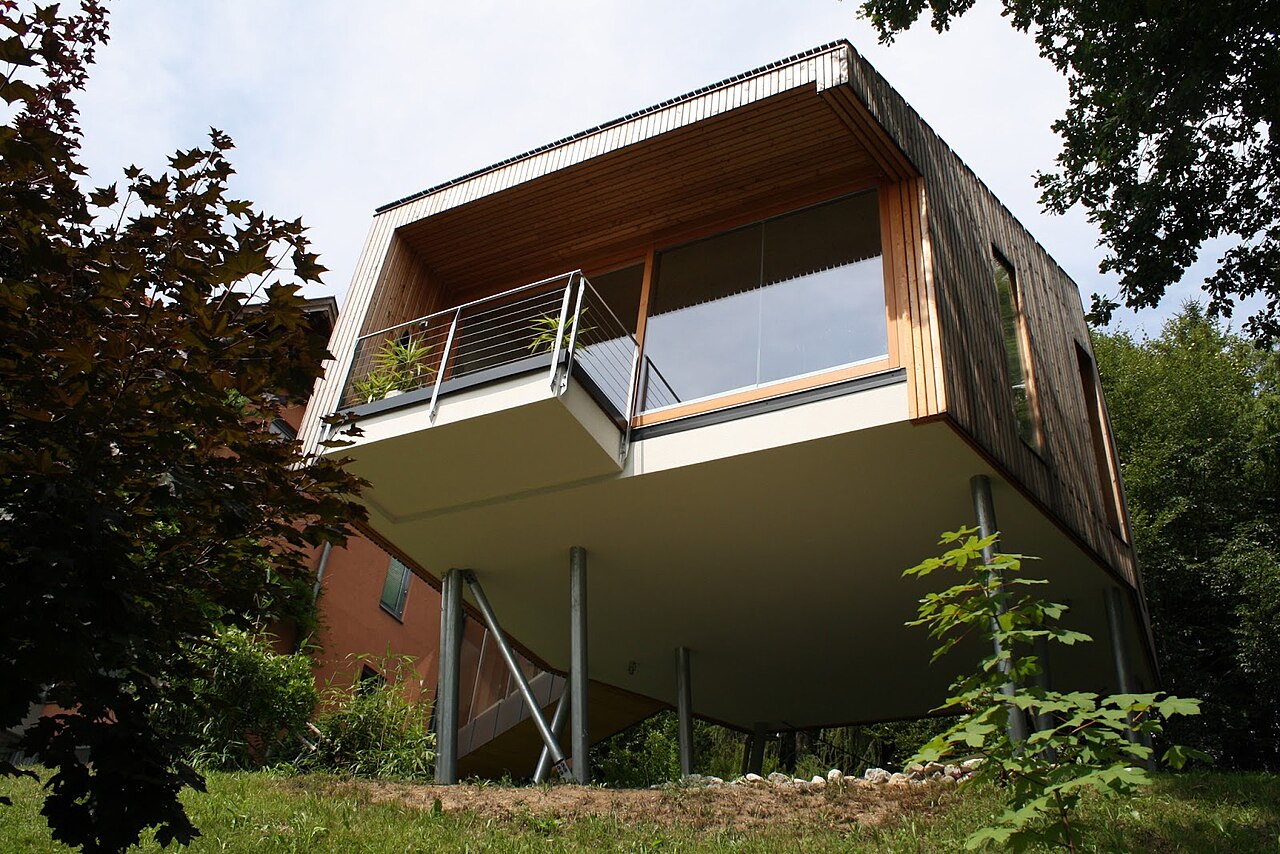
While insulation is often associated with cold climates and heating, it's equally critical in warm climates for resisting heat flow from outside to inside.
Understanding R-Value in Warm Climates
R-value measures thermal resistance—how effectively material resists heat flow. Higher R-values indicate better insulation. However, R-value alone doesn't tell the complete story in warm climates where radiant heat, thermal mass, and heat capacity also matter significantly.
Recommended R-values for warm climates according to Department of Energy guidelines:
- Attic/ceiling: R-38 to R-60 depending on climate zone
- Walls: R-13 to R-21 depending on wall construction and climate
- Floors (over unconditioned space): R-25 to R-30
- Slab edges: R-10 to R-15
These recommendations represent minimums for code compliance and energy efficiency program qualification. Going beyond these levels generates diminishing returns as other heat gain pathways (windows, infiltration) become dominant.
Insulation Material Options
Spray foam insulation (both open-cell and closed-cell) provides superior air sealing alongside insulation value, addressing both conduction and infiltration simultaneously. Closed-cell spray foam delivers approximately R-6.5 per inch with vapor barrier properties, making it ideal for humid climates where moisture control is critical. Open-cell spray foam provides R-3.7 per inch with better sound dampening but requires separate vapor barriers.
Advantages include excellent air sealing (eliminating infiltration-driven heat gain), ability to fill irregular cavities completely, and simultaneous vapor barrier (closed-cell). Disadvantages include higher cost ($1.50-$3.00 per square foot for walls, $2.50-$4.50 for attics), use of blowing agents with global warming potential (though newer formulations improve this), and difficulty removing or modifying once installed.
Rigid foam board (polyisocyanurate, extruded polystyrene, expanded polystyrene) provides R-3.5 to R-6.5 per inch depending on type. These boards install on exterior walls under siding (continuous insulation) or interior attic applications, eliminating thermal bridging through studs that reduces effective R-value of cavity insulation.
Continuous exterior insulation using rigid foam represents best practice for warm climates, placing the primary thermal barrier outside the structure and keeping framing at comfortable temperatures. This approach eliminates thermal bridges, reduces air conditioning penetration into wall cavities, and improves durability by keeping structure at more stable temperatures.
Cellulose insulation from recycled newspaper treated with fire retardants provides R-3.5 to R-3.8 per inch. Dense-packed cellulose blown into wall cavities provides good air sealing alongside insulation. The material's hygroscopic nature (absorbing and releasing moisture) helps buffer humidity fluctuations in hot-humid climates.
Fiberglass batts remain the most economical option (R-3.2 to R-3.8 per inch) and work adequately when properly installed with careful attention to air sealing. However, fiberglass provides no air sealing value and loses effectiveness dramatically with compression, gaps, or air movement through it. Installation quality matters enormously—poorly installed fiberglass performs far below rated R-value.
Reflective/radiant barrier systems combining conventional insulation with radiant barriers provide enhanced performance by addressing both conductive and radiant heat transfer. These hybrid systems particularly suit attic applications in warm climates.
Critical Air Sealing
Air sealing prevents hot outdoor air from infiltrating into conditioned space and cool indoor air from escaping. Studies suggest air infiltration accounts for 25-40% of cooling loads in typical homes—comparable to the impact of windows despite receiving far less attention.
Priority air sealing locations include:
- Attic penetrations: Ceiling light fixtures, bathroom fans, plumbing stacks, electrical wiring, attic access hatches
- Windows and doors: Gaps around frames, between frame and rough opening
- Basement/crawlspace: Rim joists, sill plates, penetrations for utilities
- Wall penetrations: Electrical outlets and switches (use foam gaskets), plumbing and electrical penetrations
- HVAC ductwork: Seal all joints and connections with mastic (not duct tape)
Blower door testing quantifies air leakage by pressurizing or depressurizing homes and measuring airflow required to maintain pressure differences. Results expressed in air changes per hour at 50 pascals (ACH50) indicate how leaky homes are—code-built homes typically measure 5-10 ACH50, while high-performance homes achieve 1-3 ACH50.
Install Energy-Efficient Windows and Doors
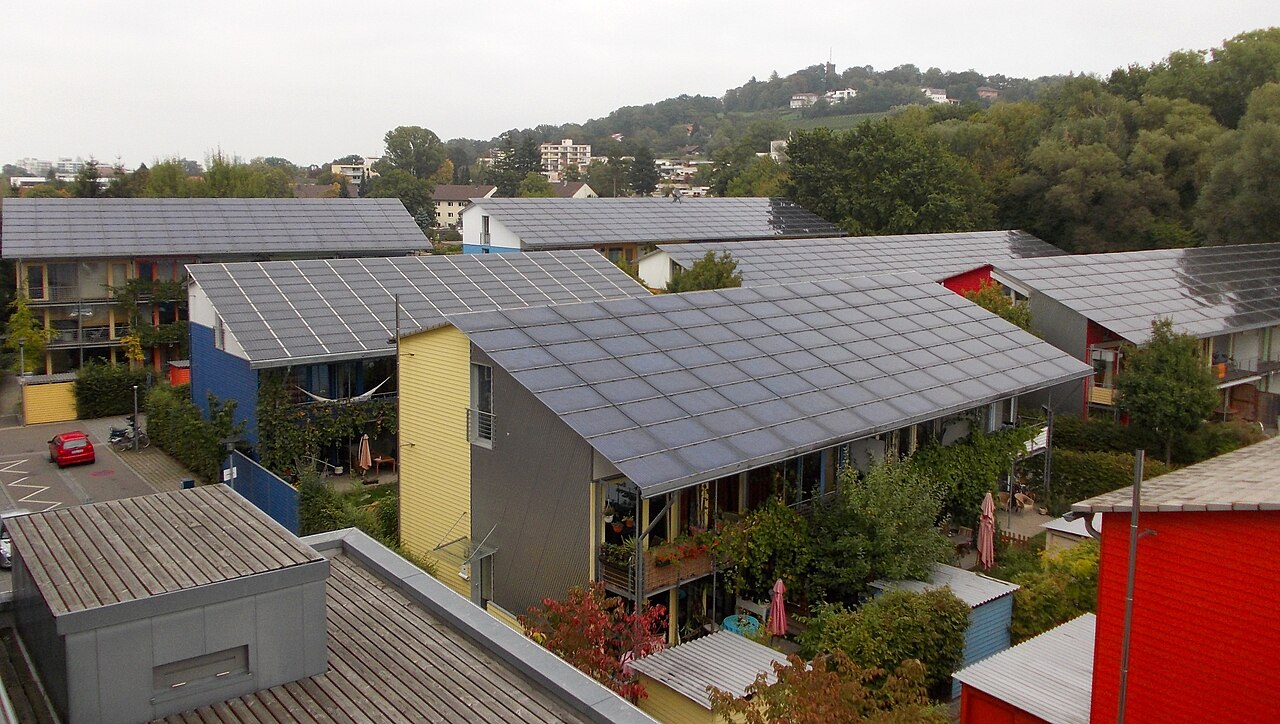
Windows present paradoxes in warm climate design—necessary for views, daylighting, and ventilation, yet potential liability for heat gain and energy waste when poorly selected or positioned.
Window Performance Metrics
U-factor measures how much heat conducts through the entire window assembly (glass, frame, spacers) with lower numbers indicating better insulation. U-factors range from 0.20 to 1.20, with high-performance windows in warm climates targeting 0.25-0.35 U-factors.
Solar Heat Gain Coefficient (SHGC) measures how much solar radiation passes through windows and becomes heat inside. SHGC ranges from 0 to 1, with lower numbers blocking more solar heat. For warm climates, target SHGC below 0.30 for south, east, and west windows, while north windows might accept higher SHGC (0.40-0.50) since they receive minimal direct sun.
Visible Transmittance (VT) measures how much visible light passes through, ranging from 0 to 1 with higher numbers allowing more daylight. Balancing SHGC and VT represents a design challenge—blocking solar heat (low SHGC) while admitting daylight (high VT). Quality low-E coatings achieve this balance, providing SHGC of 0.25-0.30 with VT of 0.40-0.60.
Air Leakage measured in cubic feet per minute per square foot of window area should be below 0.30 cfm/sq ft—preferably below 0.20 for quality windows. Proper installation matters as much as window quality for controlling air leakage.
Low-E Glass and Coatings
Low-emissivity coatings are microscopic metallic layers applied to glass that reflect infrared radiation (heat) while allowing visible light transmission. These coatings can be tuned for different climates—warm climate formulations emphasize solar heat rejection over insulation value.
Spectrally selective coatings represent advanced low-E technology specifically filtering infrared and ultraviolet wavelengths while maximizing visible light transmission. These high-performance coatings achieve SHGC of 0.20-0.30 while maintaining VT of 0.50-0.70—substantially better than tinted glass achieving similar SHGC at VT of only 0.30-0.40.
Double-pane vs. triple-pane: In warm climates, double-pane windows with quality low-E coatings provide optimal cost-benefit balance. Triple-pane windows offer incrementally better U-factors but minimal SHGC improvement—their primary benefit is insulation value more relevant to cold climates. The added cost and weight of triple-pane windows ($200-$400 per window premium) rarely justifies marginal performance gains in consistently warm regions.
Window Placement and Sizing
Minimize west-facing glass since afternoon sun combines intense radiation with peak outdoor temperatures, creating maximum cooling loads. If west windows are necessary for views or cross-ventilation, keep them small (perhaps 10-15% of wall area) and provide aggressive shading.
Limit east-facing glass to manage morning solar heat gain, particularly in hot-humid climates where morning sun heats already-warm spaces.
South-facing windows are most manageable in warm climates—the sun's high summer angle makes horizontal overhangs effective at blocking direct sun. Size these windows generously for daylighting while providing proper shading.
Favor north-facing glass for maximum daylighting with minimal heat gain. North windows receive consistent, diffuse daylight without direct sun in Northern Hemisphere—ideal for home offices, living areas, and anywhere quality daylight is desired without thermal penalties.
Window-to-wall ratios in energy-efficient warm climate homes typically target 15-20% overall, with individual facades varying based on orientation. Conventional construction often features 25-35% glazing, creating excessive heat gain despite modern low-E glass.
External Shading Strategies
Fixed overhangs sized appropriately for latitude and window orientation block summer sun while potentially allowing beneficial winter sun (in climates with distinct seasons). Calculate overhang depth using sun angle charts for your latitude—summer solstice sun angle and window height determine required overhang projection.
Adjustable shading through operable shutters, screens, or awnings provides seasonal flexibility—maximum protection during peak summer and potential sun access during winter or mild seasons. However, manual systems require occupant action and often remain in single configurations, while automated systems add cost and complexity.
Vegetation shading using trellises with deciduous vines (grapes, wisteria, passionflower) creates seasonal shading that leafs out during hot months and drops leaves during cooler months. This living shading provides evaporative cooling alongside direct shade.
Window films applied to existing glass can substantially improve performance of inefficient windows as retrofit solution. Quality films achieve SHGC reduction to 0.30-0.40 at modest cost ($5-$15 per square foot installed), though some films reduce visible transmittance more than desirable and can void glass warranties.
Utilize Passive Cooling Strategies

Passive cooling leverages natural phenomena—wind, evaporation, radiation, convection—to cool buildings without mechanical systems, reducing or eliminating air conditioning needs during mild weather while taking pressure off systems during peak heat.
Thermal Mass for Temperature Stability
Thermal mass materials (concrete, brick, stone, tile) absorb heat during warm periods and release it during cooler periods, damping temperature swings and creating stability. However, thermal mass strategies vary dramatically based on climate type—highly effective in hot-dry climates with substantial day-night temperature swings, potentially counterproductive in hot-humid climates with minimal diurnal variation.
In hot-dry climates, massive construction (concrete floors, masonry walls, thick tile floors) absorbs daytime heat while remaining comfortable to touch due to high heat capacity. During cool nights, the mass radiates stored heat to the outdoors (through ventilation) or to the cool night sky (through roof radiation), resetting for the next daily cycle. Earth-coupled thermal mass through slab-on-grade construction or partially buried walls provides connection to stable ground temperatures—60-70°F year-round in most locations—helping maintain comfortable indoor conditions.
Successful thermal mass application requires:
- Night cooling to purge accumulated heat from thermal mass
- Daytime shading preventing excessive heat absorption
- Interior placement exposing thermal mass to interior spaces for temperature moderation
- Appropriate climate with substantial day-night temperature variations (at least 25-30°F swings)
In hot-humid climates, thermal mass strategies often backfire because minimal night cooling means absorbed heat doesn't purge effectively, and high humidity prevents evaporative cooling. These regions benefit more from lightweight construction with high insulation values and emphasis on dehumidification.
Stack Ventilation and Thermal Chimneys
Stack effect ventilation uses hot air's buoyancy to create natural air movement without fans or mechanical systems. Hot air rises and escapes through high openings (clerestories, cupolas, second-floor windows) while replacement air enters through low openings (first-floor windows, basement vents), establishing continuous airflow that naturally ventilates and cools.
Thermal chimneys (also called solar chimneys) are dedicated vertical shafts positioned on south or west building sides where sun heats the air, driving strong updraft that pulls air through the home. These passive systems can generate substantial airflow—equivalent to 100-300 CFM fans—without any energy consumption.
Design requirements for effective stack ventilation:
- Vertical separation of at least 8-10 feet between inlet and outlet openings
- Adequate opening sizes (typically 2-4% of floor area for each inlet and outlet)
- Clear airflow paths through the home without obstructions
- Operable high windows or vents that occupants can easily open and close
Evaporative Cooling Strategies
Direct evaporative cooling (swamp coolers) work exceptionally well in hot-dry climates (Arizona, Nevada, eastern California) where low humidity allows substantial evaporation. These systems blow air through water-saturated pads, evaporating water and cooling the air by 20-30°F before delivering it to the home. Operating costs are 50-75% lower than refrigerative air conditioning, and the systems are mechanically simple and inexpensive.
Limitations include effectiveness only in low humidity (below 50-60%), addition of moisture to indoor air (beneficial in dry climates but problematic elsewhere), and lower capacity than refrigerative cooling. Still, in appropriate climates, evaporative cooling provides highly efficient comfort.
Indirect evaporative cooling and two-stage systems overcome some limitations by separating the evaporative cooling from indoor air delivery, providing cooling without humidity addition. These more sophisticated systems work in higher humidity than direct evaporative cooling but cost more and achieve less temperature reduction.
Passive evaporative cooling through water features (fountains, pools, ponds) near windows or patios, irrigated landscaping, and misting systems provides localized cooling particularly for outdoor living spaces in hot-dry climates.
Natural Cross-Ventilation Design
Effective cross-ventilation requires more than just windows on opposite walls—it demands understanding pressure differentials, airflow patterns, and occupant behavior.
Window sizing and placement: Inlet windows should be similar in size or slightly smaller than outlet windows—forcing air through smaller inlets increases velocity while larger outlets allow easy escape. Position windows at different heights to combine cross-ventilation with stack effect for enhanced airflow.
Interior layouts: Open floor plans facilitate airflow far better than compartmentalized layouts with doors and walls obstructing air movement. Where walls are necessary, use transoms, internal windows, or undercut doors (1-2 inches clear at the bottom) to maintain airflow paths.
Wing walls and deflectors: Exterior walls perpendicular to prevailing winds can direct breezes into windows, increasing airflow by 50-100% compared to windows in flat walls. These projecting walls create positive pressure zones at windows, enhancing natural ventilation.
Operable windows: Casement windows projecting outward direct breezes into homes far more effectively than double-hung or sliding windows. Position operable windows where occupants can easily access them—natural ventilation fails if windows are difficult to operate.
Install Solar Power Systems
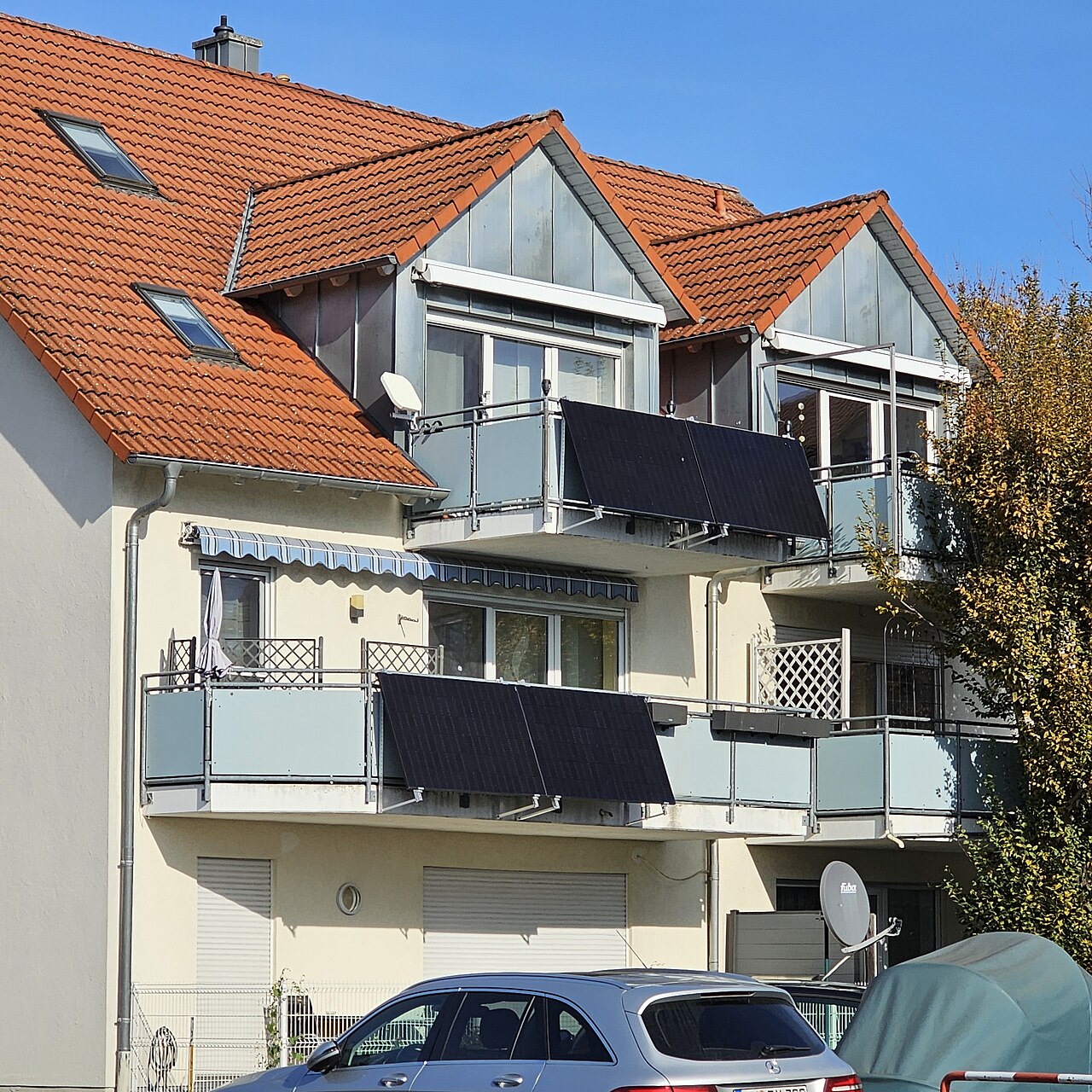
Solar photovoltaic systems provide clean, renewable energy particularly well-suited to sunny warm climates where cooling-dominated energy consumption aligns with peak solar generation.
Sizing Solar Systems for Warm Climates
Cooling-dominated loads in warm climates create favorable solar economics because air conditioning demand peaks during afternoon hours when solar generation is strongest. This alignment between supply and demand increases system value compared to heating-dominated climates where peak loads occur during dark winter mornings and evenings.
Calculate system sizing based on annual electricity consumption, available roof area, and budget. A typical warm-climate home consuming 15,000-18,000 kWh annually requires approximately 10-12 kW of solar panels (about 30-36 panels at 330-375W each) to offset 100% of consumption. Smaller systems (5-7 kW) offset 50-60% of consumption at lower cost while still generating substantial benefits.
Roof requirements: Each kilowatt of solar panels requires approximately 60-80 square feet of roof space depending on panel efficiency and mounting orientation. A 10 kW system needs 600-800 square feet of appropriate roof area—south-facing with minimal shading ideally, though east and west orientations work adequately.
Budget expectations: Complete solar installations cost $2.50-$3.50 per watt before incentives ($25,000-$35,000 for a 10 kW system). The federal Investment Tax Credit reduces this by 30% ($7,500-$10,500), while state and utility incentives may provide additional support. Net costs of $1.75-$2.50 per watt ($17,500-$25,000 for 10 kW) are typical in states with strong solar support.
Solar Thermal Systems
Solar water heating provides highly efficient hot water in sunny climates, often achieving 50-80% annual water heating savings. These systems use solar collectors to heat water directly (in freeze-free climates) or heat transfer fluid that exchanges heat with domestic hot water (in freeze-prone areas).
System types include:
- Batch collectors (ICS - integrated collector storage): Simple, passive systems where the storage tank is the collector. Very reliable but less efficient and bulky.
- Flat-plate collectors: The most common active systems using glazed insulated boxes with absorber plates. Good performance in most climates at reasonable cost ($3,000-$6,000 for typical residential systems).
- Evacuated tube collectors: Premium systems using glass vacuum tubes achieving higher efficiency, particularly in cooler conditions. Higher cost ($5,000-$9,000 for residential) justified in less-than-ideal solar conditions.
Solar pool heating represents another excellent application, using unglazed collectors that heat pool water directly. These simple systems ($3,000-$5,000 installed) can extend pool seasons by 2-4 months while reducing or eliminating conventional heating costs.
Battery Storage Integration
Solar-plus-storage systems pair solar panels with battery backup, providing energy resilience during outages while optimizing economics through time-of-use rate management. In warm climates prone to summer thunderstorms, hurricanes, or grid instability, backup power capability justifies battery investment for many homeowners beyond pure financial calculations.
See the comprehensive guide on solar batteries earlier in this series for detailed information on battery selection, sizing, and integration with solar systems.
Use Energy-Efficient Appliances and Systems
Beyond building envelope and passive strategies, the appliances and mechanical systems you select dramatically impact energy consumption and operating costs.
HVAC System Selection and Sizing
Air conditioning dominates energy consumption in warm climate homes, making HVAC selection the single most important appliance decision.
SEER ratings (Seasonal Energy Efficiency Ratio) measure cooling efficiency, with higher numbers indicating better performance. Minimum efficiency standards require 14-15 SEER regionally, but high-efficiency systems achieve 18-25 SEER. Each SEER point improvement reduces cooling energy consumption by approximately 7%—upgrading from 14 SEER to 20 SEER cuts cooling energy by approximately 42%.
Variable-speed systems adjust compressor and fan speeds to match cooling needs precisely rather than cycling on/off at full capacity. These systems maintain more consistent temperatures, reduce humidity more effectively, operate more quietly, and consume 20-40% less energy than single-speed systems despite higher upfront costs ($5,000-$8,000 versus $3,500-$5,000 for similar capacity).
Proper sizing matters enormously—oversized systems cycle frequently without adequately dehumidifying, increase energy consumption, reduce comfort, and shorten equipment life. Use Manual J load calculations determining precise cooling requirements based on home size, insulation levels, window performance, occupancy, and climate. Many contractors default to rules-of-thumb (400-600 square feet per ton) that dramatically oversize systems, particularly in well-insulated homes.
Ductwork quality: Even excellent HVAC equipment performs poorly with leaky, uninsulated ductwork. Duct leakage typically wastes 20-40% of conditioned air in conventional systems—air heated or cooled at significant expense then lost in attics or crawlspaces before reaching living spaces. Seal all ductwork with mastic (not duct tape) and insulate ducts to R-8 minimum in unconditioned spaces.
Ductless mini-split systems eliminate ductwork entirely, providing highly efficient cooling (often 18-28 SEER) with precise room-by-room control. These systems suit homes without existing ductwork, additions, or situations where rooms have vastly different cooling needs. Costs are competitive with central systems for smaller homes ($4,000-$8,000 for systems serving 2-4 zones).
Dehumidification in Humid Climates
Hot-humid climates require managing moisture alongside temperature for comfort and indoor air quality. Air at 78°F and 40% relative humidity feels comfortable while the same temperature at 70% humidity feels oppressive.
Oversized air conditioners cool spaces quickly but cycle off before adequately removing humidity, creating cool but clammy conditions. Properly sized equipment runs longer cycles that remove more moisture, though variable-speed systems provide optimal humidity control by running continuously at low speeds during mild weather.
Dedicated dehumidification through stand-alone dehumidifiers or integrated whole-home dehumidification systems ($1,200-$3,000 installed) provides precise humidity control independent of temperature management. These systems particularly benefit homes in humid climates, basements, and situations where occupants prefer warmer temperatures (which requires less cooling but provides less dehumidification).
Energy-Efficient Appliances and Lighting
ENERGY STAR appliances across all categories—refrigerators, dishwashers, washing machines, dryers—use 10-50% less energy than standard models while providing comparable or superior performance. The incremental cost ($50-$300 per appliance) pays back through energy savings within 2-5 years typically.
Heat-generating appliances should be selected carefully in warm climates where waste heat adds to cooling loads. Induction cooktops generate 85-90% less waste heat than electric resistance ranges while providing superior cooking performance. LED lighting generates 85-90% less heat than incandescent bulbs while using 75-80% less electricity—replacing all bulbs with LEDs typically reduces cooling loads by 200-500 watts during summer evenings.
Cooking appliances: Consider locating cooking appliances near exterior walls where range hoods can efficiently exhaust heat outdoors before it disperses through the home. Gas appliances generate more waste heat than electric, though this is partially offset by eliminating the inefficiency of generating electricity then converting back to heat.
Focus on Sustainable and Cool Landscaping
Landscaping profoundly affects home energy performance through shading, wind channeling, evaporative cooling, and ground temperature modification—yet it's often overlooked in energy efficiency discussions.
Strategic Tree Placement
Mature trees provide cooling benefits worth $50-$150 annually per tree through building shading, evapotranspiration, and microclimate cooling. A well-placed tree reducing air conditioning energy by 200 kWh annually provides $30-$50 value at typical electricity rates.
Deciduous trees on south sides provide summer shading while allowing winter sun penetration—valuable even in warm climates with mild winters. Trees should be positioned 15-25 feet from walls they're intended to shade, far enough that roots won't damage foundations but close enough to provide effective shading.
Evergreen trees work best on west sides where year-round afternoon sun control is universally beneficial. Large evergreens (pines, palms, live oaks depending on region) positioned to intercept afternoon sun dramatically reduce west wall temperatures.
Shade trees on east exposures control morning sun though this is lower priority than west and south shading. If space is limited, prioritize west and south plantings where sun intensity and duration are greatest.
Native and Drought-Tolerant Plants
Xeriscaping principles using native and adapted plants requiring minimal irrigation reduce water consumption by 50-75% compared to conventional landscaping while often reducing maintenance as well. These plants evolved for local conditions and thrive without intensive watering, fertilizing, or pest management.
Native plants for warm climates vary by region but generally include:
- Desert regions: Agave, yucca, palo verde, mesquite, desert marigold, brittlebush
- Hot-humid regions: Palmetto, beautyberry, firebush, coontie, muhly grass
- Mediterranean climates: California poppy, coast live oak, manzanita, ceanothus, sage
Reduced turf grass or complete elimination significantly cuts water consumption and maintenance while reducing the "heat island" effect conventional lawns create. Replace turf with native groundcovers, mulched beds, permeable hardscaping, or decomposed granite depending on climate and aesthetic preferences.
Cool Paving and Hardscaping
Conventional dark asphalt and concrete absorb solar radiation, reaching surface temperatures of 140-170°F that radiate heat into adjacent buildings and create uncomfortable outdoor spaces. Cool paving alternatives reduce surface temperatures by 20-50°F.
Light-colored concrete with high solar reflectance stays significantly cooler than standard concrete and dramatically cooler than asphalt. Adding white cement, light-colored aggregates, or surface treatments increases reflectance further.
Permeable paving using porous concrete, permeable pavers, or gravel allows water infiltration, reducing runoff while permitting evaporative cooling through the pavement surface. These materials stay 10-20°F cooler than conventional solid paving.
Ground covers and living surfaces remain cooler than any hard surface—grass, groundcovers, or mulch provide the coolest surroundings, creating comfortable microclimates around homes.
Building Codes, Certifications, and Standards
Understanding the regulatory and certification landscape helps you navigate requirements while potentially accessing incentives and recognition for high-performance construction.
Energy Code Compliance
International Energy Conservation Code (IECC) and ASHRAE Standard 90.1 establish minimum energy efficiency requirements adopted (with modifications) by most U.S. jurisdictions. These codes specify minimum insulation R-values, window performance standards, air leakage limits, and HVAC efficiency requirements based on climate zones.
Climate zones range from 1 (hottest) to 8 (coldest), with warm climate regions falling into zones 1-3. Requirements become progressively more stringent with newer code editions—IECC 2021 represents approximately 30% improvement over IECC 2006. Verify which code edition and amendments apply in your jurisdiction and design to meet or exceed these minimums.
Beyond code: Energy codes establish floors, not ceilings. Designing to code minimums creates mediocre performance—the goal should be exceeding codes substantially to achieve comfort, savings, and resilience unavailable in code-minimum construction.
Green Building Certifications
LEED for Homes (Leadership in Energy and Environmental Design) certification recognizes homes meeting sustainability criteria across energy efficiency, water conservation, materials selection, indoor air quality, and site development. Certification levels (Certified, Silver, Gold, Platinum) indicate increasing performance, with Gold and Platinum representing significant achievement.
Benefits include third-party verification of performance, access to some incentive programs, potential property value increases, and marketing advantages. Costs for certification run $3,000-$8,000 including registration, documentation, and verification—worthwhile for high-end construction or where green building credentials provide market differentiation.
ENERGY STAR Certified Homes must perform at least 10% better than code-minimum construction, verified through testing and inspections. This accessible certification ($400-$800 typically) demonstrates performance while qualifying for some utility rebates and mortgage incentives.
Passive House (Passivhaus) represents the gold standard for energy efficiency, requiring extraordinary envelope performance achieving 90% heating and cooling energy reductions compared to typical construction. While developed for cold climates, adaptations (PHIUS+ standards) work well in warm climates emphasizing cooling over heating. However, certification requires rigorous design, modeling, and testing at premium costs ($8,000-$15,000+ for certification alone).
Living Building Challenge and Net Zero Energy Building certifications represent aspirational targets for the most committed builders and owners. These certifications require homes to generate as much energy as they consume annually, using only environmentally responsible materials and incorporating advanced systems. Few homes achieve these certifications, though the number is growing.
Cost Analysis and Return on Investment
Understanding the financial implications of energy-efficient construction helps justify investments and prioritize strategies providing maximum value.
Incremental Costs for Energy Efficiency
Energy-efficient construction typically costs 5-15% more than conventional code-minimum building—$15,000-$45,000 for a $300,000 home depending on climate, strategies employed, and baseline code requirements. However, these costs must be evaluated against tangible benefits.
Cost breakdown examples (premiums over code-minimum):
- Enhanced insulation (R-38 to R-49 attic, R-21 walls, rigid foam sheathing): $3,000-$6,000
- High-performance windows (U-0.30, SHGC 0.25 versus code-minimum): $4,000-$8,000
- Cool roof (metal or tile versus composition shingles): $2,000-$8,000
- High-efficiency HVAC (20+ SEER versus 14 SEER): $2,000-$4,000
- Solar photovoltaic system (10 kW after incentives): $15,000-$22,000
- Enhanced air sealing and testing: $1,000-$2,000
- Total incremental cost: $27,000-$50,000 for comprehensive approach
Calculating Savings and Payback
Annual energy savings for well-designed homes in warm climates typically reach $1,500-$3,500 compared to code-minimum construction, depending on climate severity, energy prices, and specific measures implemented. Homes in extreme climates (Phoenix, Miami, Las Vegas) achieving dramatic efficiency improvements save more than those in mild climates (San Diego, coastal California).
Payback calculations:
- Simple payback: Divide incremental cost by annual savings. A $30,000 investment saving $2,000 annually has 15-year payback.
- Net present value: Account for electricity rate inflation (typically 2-4% annually), investment returns foregone, and system lifespans. Many efficiency measures achieve positive NPV over system lifetimes even with lengthy simple paybacks.
- Mortgage impacts: Efficient homes qualify for higher loan amounts through energy-efficient mortgages while monthly savings offset increased mortgage payments. A $25,000 mortgage increase at 6% costs approximately $150 monthly but might generate $200+ monthly energy savings—positive cash flow from day one.
Non-energy benefits difficult to quantify include:
- Improved comfort with more stable temperatures and better humidity control
- Better air quality through proper ventilation and reduced infiltration
- Increased durability through moisture management and temperature stability
- Greater resilience during power outages and extreme weather
- Higher resale value as energy costs rise and buyers prioritize efficiency
- Reduced maintenance through quality construction and systems
Common Mistakes to Avoid
Learning from others' errors helps you avoid costly missteps in your own energy-efficient building project.
Oversizing HVAC Equipment
The single most common mistake in warm climate construction is installing oversized air conditioning equipment based on contractors' rules-of-thumb rather than proper load calculations. Oversized systems cost more upfront, operate inefficiently through excessive cycling, fail to adequately dehumidify, create uncomfortable temperature swings, and die prematurely from wear caused by frequent cycling.
Always perform Manual J load calculations and size equipment to match actual loads—not contractor assumptions. Insist on proper calculations even if contractors resist.
Ignoring Air Sealing
Focusing solely on insulation while neglecting air sealing creates disappointing performance since air leakage can negate much of insulation's benefit. Conduct blower door testing to verify envelope tightness and identify leakage areas requiring additional attention.
Poor Window Specification
Selecting windows based solely on U-factor (insulation) while ignoring SHGC (solar heat gain) in warm climates. In cooling-dominated regions, SHGC matters far more than U-factor—a window with U-0.30 and SHGC 0.60 performs worse than one with U-0.40 and SHGC 0.25 because solar heat gain dwarfs conductive heat transfer.
Inadequate Shading
Beautiful windows facing west without proper external shading create expensive regrets when afternoon sun overheats rooms. Design shading devices before finalizing window specifications and locations rather than attempting to retrofit shading afterward.
Ignoring Thermal Bridging
Cavity insulation without continuous exterior insulation allows thermal bridging through studs, reducing effective R-value by 20-40%. Including continuous exterior rigid foam breaks thermal bridges and dramatically improves real-world performance.
Misapplying Thermal Mass
Heavy thermal mass construction in hot-humid climates without adequate night cooling fails to reset overnight, accumulating heat day after day. Verify your climate has sufficient diurnal temperature variation (25°F+) before employing thermal mass strategies.
Future Trends in Warm Climate Building
Understanding emerging trends helps you future-proof investments and anticipate how building science continues evolving.
Advanced Materials and Technologies
Phase change materials store and release thermal energy at constant temperatures through physical phase transitions (solid to liquid), providing thermal mass benefits in lightweight assemblies. While still expensive, PCMs are becoming more accessible for residential applications.
Electrochromic glass automatically adjusts tinting based on conditions, blocking solar heat gain during peak periods while maintaining views and daylight. As costs decline (currently $50-$100 per square foot), these "smart windows" will become mainstream.
3D-printed homes using concrete or other materials might reduce construction costs while enabling optimized geometries and integrated thermal features difficult to achieve with conventional construction.
Net-Zero Energy Homes
Net-zero construction where homes generate as much energy as they consume annually is becoming achievable at reasonable cost in sunny warm climates. Combining aggressive efficiency measures with appropriately sized solar systems creates homes with near-zero operating costs and extraordinary resilience.
Zero-energy ready construction incorporating envelope and mechanical efficiency while leaving roof space prepared for eventual solar installation provides flexibility to add generation when finances permit.
Resilience and Adaptation
Climate adaptation responding to intensifying heat waves, changing precipitation patterns, and more frequent extreme weather will drive building practices. Expect increased emphasis on passive survivability (maintaining livable conditions during extended power outages), flood resilience, and wildfire protection in vulnerable areas.
Off-grid capabilities through solar-plus-storage systems provide complete energy independence—increasingly attractive as grid reliability questions grow and technology costs decline.
Conclusion: Building Better in Warm Climates
Constructing energy-efficient homes in warm climates represents more than just cost savings or environmental responsibility—it's about creating comfortable, healthy, durable living environments that respect natural resources while providing genuine resilience against an uncertain future. The strategies outlined in this guide combine time-tested passive design principles with cutting-edge technologies to achieve performance levels unimaginable just a generation ago.
The fundamentals matter most: optimal orientation minimizing solar exposure, superior insulation and air sealing creating thermal boundaries, high-performance windows blocking solar heat gain while admitting daylight, properly sized and specified HVAC equipment, and thoughtful landscaping providing natural cooling. Get these basics right before pursuing advanced or expensive technologies—poor fundamentals cannot be overcome through technical wizardry.
Yet for those willing to invest in comprehensive approaches, the rewards are substantial. Homes consuming 60-80% less energy than conventional construction, monthly cooling costs of $50-$100 rather than $300-$500, comfortable year-round temperatures without constant HVAC operation, and the peace of mind from knowing your home will remain livable during extended power outages represent genuine quality-of-life improvements worth pursuing.
Start your energy-efficient building journey by understanding your specific climate characteristics, prioritizing strategies providing maximum benefit in your location, working with designers and builders experienced in high-performance construction, and insisting on quality installation and verification. The initial learning curve and incremental costs quickly prove worthwhile when you experience the comfort, savings, and satisfaction that well-designed warm climate homes provide.
As our climate continues changing and energy security becomes increasingly important, energy-efficient construction transitions from optional upgrade to essential best practice. By building efficiently today, you're not just reducing current costs and environmental impact—you're creating homes prepared for tomorrow's challenges while demonstrating that comfortable, sustainable living is achievable in even the hottest climates.
Additional Resources
Learn more about energy-efficient building and warm climate design:
- U.S. Department of Energy - Building America Solution Center
- Passive House Institute - Climate-Specific Design Guidelines
For more information about home systems, energy efficiency, and sustainable living, visit how your house works.
Additional Resources
Learn more about how your house works.