Table of Contents
Understanding the Power of Shared Living Spaces in Rental Marketing
The rental market has evolved significantly in recent years, with shared living arrangements becoming increasingly popular among young professionals, students, and budget-conscious renters. As a property owner or manager, effectively highlighting shared living spaces can be the difference between a vacant property and a thriving community of satisfied tenants. Communal areas represent more than just square footage—they embody a lifestyle choice that appeals to renters seeking connection, affordability, and convenience in today's housing market.
Shared living spaces offer unique value propositions that traditional rental properties cannot match. From fully-equipped kitchens where residents can cook together to comfortable lounges perfect for socializing or remote work, these communal areas create opportunities for meaningful interactions and cost savings. Understanding how to present these spaces effectively requires a strategic approach that combines visual storytelling, detailed descriptions, and clear communication of benefits. This comprehensive guide will walk you through proven strategies to showcase shared living spaces in ways that resonate with potential renters and drive higher occupancy rates.
The Growing Appeal of Shared Living Arrangements
Before diving into marketing strategies, it's essential to understand why shared living spaces have become so attractive to modern renters. The rising cost of housing in urban areas has made traditional one-bedroom apartments financially out of reach for many individuals. Shared living arrangements offer a practical solution by distributing costs across multiple tenants while providing access to amenities that would otherwise be unaffordable.
Beyond financial considerations, there's a growing cultural shift toward community-oriented living. Many renters, particularly millennials and Gen Z individuals, value experiences and social connections over material possessions. They're drawn to living situations that facilitate friendships, networking opportunities, and a sense of belonging. Remote work trends have also increased the appeal of shared spaces, as people working from home seek environments that offer both private workspaces and communal areas for social interaction to combat isolation.
Environmental consciousness plays a role as well. Shared living inherently promotes sustainability by maximizing space efficiency and reducing per-person resource consumption. Renters who prioritize eco-friendly lifestyles often gravitate toward properties where they can share appliances, utilities, and common resources, thereby minimizing their environmental footprint.
Emphasizing Common Areas: The Foundation of Effective Marketing
Common areas serve as the heart of any shared living property, and they deserve prominent placement in your marketing materials. These spaces—including kitchens, living rooms, dining areas, outdoor patios, and recreational rooms—should be showcased as primary selling points rather than afterthoughts in your property listings.
Showcasing the Kitchen as a Central Hub
The shared kitchen often serves as the most important communal space in any co-living arrangement. Potential renters want to know they'll have adequate space and equipment to prepare meals comfortably. When marketing your property, provide detailed information about kitchen amenities including the number and type of appliances, counter space availability, storage options, and seating capacity.
Highlight premium features such as stainless steel appliances, gas ranges, dishwashers, and ample cabinet space. If your kitchen includes a breakfast bar or island, emphasize how these features create natural gathering spots for residents. Mention organizational systems like labeled shelving or designated refrigerator space that help multiple tenants coexist harmoniously. Don't forget to showcase any recent renovations, modern finishes, or energy-efficient appliances that add value and appeal.
Presenting Living and Lounge Areas
Shared living rooms and lounges provide essential spaces for relaxation, entertainment, and socialization. When describing these areas, focus on their versatility and comfort. Detail the seating capacity, furniture quality, and layout that accommodates both group activities and individual relaxation. If the space includes entertainment features like smart TVs, gaming consoles, or sound systems, make these prominent in your descriptions.
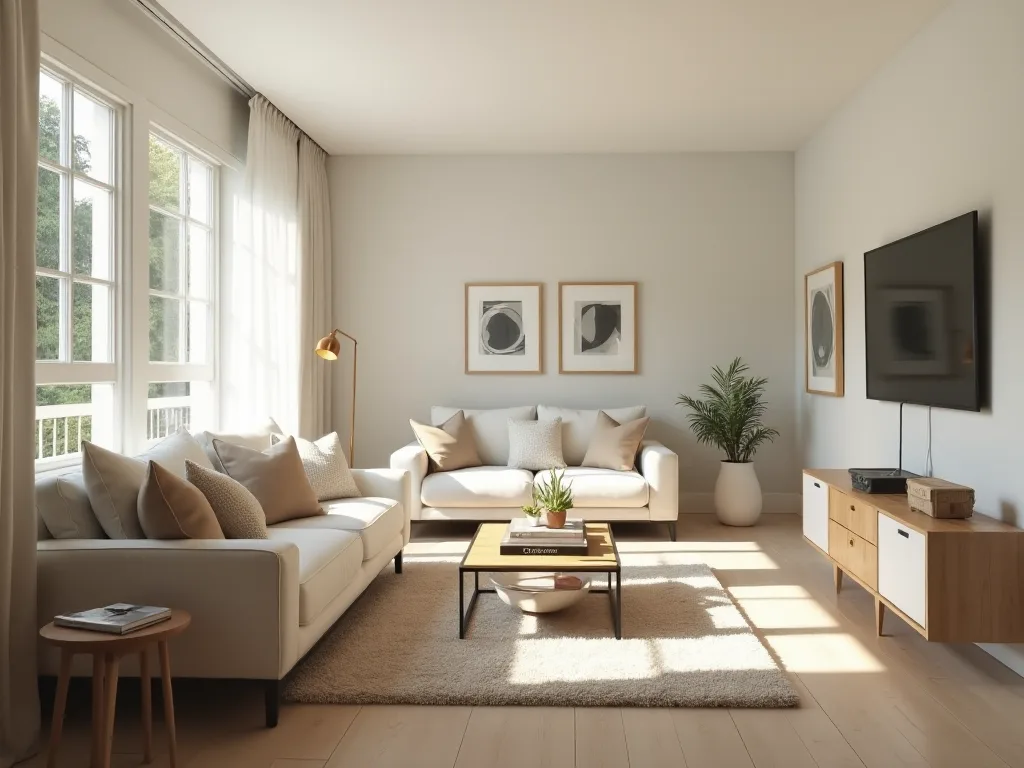
Consider how the space can serve multiple purposes. A well-designed lounge might function as a co-working space during the day and transform into an entertainment hub in the evening. Highlight features like abundant natural light, comfortable seating arrangements, and flexible furniture that can be rearranged for different activities. If the space has distinctive architectural features such as exposed brick, high ceilings, or large windows with attractive views, these details add character and appeal.
Highlighting Outdoor Shared Spaces
Outdoor communal areas have become increasingly valuable, especially in the post-pandemic era where outdoor gathering spaces are highly prized. Whether your property features a backyard, rooftop terrace, balcony, or courtyard, these spaces offer unique selling points that can differentiate your listing from competitors.
Describe outdoor amenities in detail: seating areas, grilling stations, fire pits, garden spaces, or outdoor dining tables. Emphasize how these spaces extend the living area and provide opportunities for fresh air, relaxation, and outdoor entertainment. If the outdoor space includes landscaping, lighting for evening use, or weather protection like awnings or pergolas, these features add significant value. For properties in urban settings, even a small outdoor area can be a major attraction when marketed effectively.
Featuring Additional Amenity Spaces
Beyond the standard kitchen and living areas, many shared living properties offer specialized communal spaces that can be powerful marketing tools. Home offices or co-working areas with desks, high-speed internet, and ergonomic seating appeal to remote workers. Fitness rooms with exercise equipment eliminate the need for expensive gym memberships. Laundry facilities, storage areas, mudrooms, and bike storage all add convenience that renters value.
If your property includes unique spaces like a home theater, music room, workshop, or library, these distinctive features can attract niche audiences and command premium rents. Even smaller touches like a coffee station, reading nook, or game area demonstrate thoughtfulness and attention to tenant lifestyle needs.
Highlighting Benefits for Renters: Speaking to Their Priorities
While showcasing physical spaces is important, effectively communicating the tangible and intangible benefits of shared living is what truly converts prospects into tenants. Your marketing should address the practical, social, and lifestyle advantages that communal spaces provide.
Financial Advantages and Cost Savings
One of the most compelling benefits of shared living is affordability. Be transparent about how sharing common spaces translates to lower individual rent costs compared to renting a comparable private apartment. Explain that utilities, internet, and sometimes even furnishings are included or split among residents, resulting in predictable monthly expenses without surprise bills.
Emphasize the value proposition: renters gain access to amenities and space that would be financially prohibitive in a private rental. A shared property might offer a full kitchen, spacious living room, outdoor area, and premium appliances—luxuries that would cost significantly more in a studio or one-bedroom apartment. For budget-conscious renters, particularly students and young professionals, this financial benefit often outweighs privacy concerns.
Social Connection and Community Building
Modern renters increasingly value community and social connection, especially those relocating to new cities or working remotely. Shared living spaces naturally facilitate interactions and friendships that combat loneliness and isolation. In your marketing materials, paint a picture of the community atmosphere your property fosters.
Describe how communal areas create opportunities for spontaneous conversations, shared meals, game nights, or collaborative projects. If your property has an established community culture with regular events or activities, mention these as evidence of the vibrant social environment. Testimonials from current or former tenants about friendships formed and community experiences can be particularly persuasive.
For professionals, emphasize networking opportunities. Living with other ambitious individuals creates natural connections that can lead to career opportunities, collaborations, or mentorship relationships. This aspect particularly appeals to entrepreneurs, freelancers, and those in creative industries who benefit from cross-pollination of ideas.
Convenience and Lifestyle Enhancement
Shared living arrangements often come with convenience factors that simplify daily life. If your property includes furnished common areas, highlight how this eliminates the hassle and expense of purchasing furniture. Mention any services included such as cleaning of common areas, maintenance, or property management support that handles issues promptly.
Describe the lifestyle flexibility that shared spaces provide. Renters can enjoy entertaining friends without the space constraints of a small private apartment. They can cook elaborate meals in a full kitchen rather than relying on a kitchenette. They can work from a dedicated co-working space rather than their bedroom. These lifestyle enhancements contribute to overall quality of life and well-being.
Flexibility and Shorter Commitment Terms
Many shared living properties offer more flexible lease terms than traditional apartments, which appeals to renters in transitional life phases. If your property provides month-to-month options, shorter lease terms, or easier move-in/move-out processes, these features reduce commitment anxiety and attract renters who value flexibility. This is particularly relevant for international students, temporary workers, or individuals exploring a new city before making long-term decisions.
Using Clear and Engaging Descriptions: The Art of Compelling Copy
The words you choose to describe shared living spaces can make or break a potential renter's interest. Generic, vague descriptions fail to capture attention in a competitive market, while specific, evocative language helps prospects envision themselves living in the space.
Be Specific and Detailed
Avoid generic phrases like "nice kitchen" or "comfortable living room." Instead, provide concrete details that paint a clear picture. Rather than saying "spacious kitchen," describe it as "a 300-square-foot chef's kitchen with granite countertops, stainless steel appliances including a French-door refrigerator and gas range, and a six-person breakfast bar perfect for morning coffee or casual meals."
Specificity builds credibility and helps renters make informed decisions. Include measurements when relevant, list specific appliances and furniture pieces, and describe materials and finishes. Mention practical details like the number of burners on the stove, the size of the refrigerator, or the seating capacity of the dining table. These details demonstrate that you understand what renters care about and have nothing to hide.
Use Sensory and Emotional Language
While specifics are important, don't forget to engage emotions and senses. Describe how spaces feel, not just how they look. A living room isn't just "large"—it's "sun-drenched with floor-to-ceiling windows that flood the space with natural light, creating a warm and inviting atmosphere perfect for afternoon reading or evening conversations."
Use language that helps prospects imagine experiences: "Picture yourself preparing Sunday brunch in the gourmet kitchen while chatting with housemates" or "Unwind after work on the rooftop terrace with panoramic city views as the sun sets." This experiential language creates emotional connections that purely factual descriptions cannot achieve.
Highlight Recent Upgrades and Unique Features
If you've made recent improvements to shared spaces, prominently feature these updates. "Recently renovated" signals that the property is well-maintained and modern. Specify what was updated: "The kitchen was completely remodeled in 2025 with new quartz countertops, soft-close cabinetry, and energy-efficient appliances."
Unique or distinctive features deserve special attention as they differentiate your property from competitors. Perhaps your living room has original hardwood floors, exposed brick walls, or a decorative fireplace. Maybe the outdoor space includes a vertical garden or custom-built seating. These character-adding details create memorable impressions and give prospects specific reasons to choose your property over others.
Address Practical Concerns Proactively
Potential renters often have concerns about shared living arrangements, particularly regarding cleanliness, privacy, and conflict resolution. Address these concerns directly in your descriptions to build trust and reduce hesitation.
Mention maintenance schedules for common areas: "Common spaces are professionally cleaned twice weekly to maintain a pristine environment." Describe organizational systems: "Each resident has designated kitchen cabinet and refrigerator space, clearly labeled to prevent confusion." If you have house rules or community agreements that promote harmonious living, reference these as evidence of thoughtful management.
Explain how you handle repairs and maintenance: "Our responsive property management team addresses maintenance requests within 24 hours, ensuring shared spaces remain in excellent condition." This proactive communication demonstrates professionalism and reduces concerns about living with multiple people.
Optimize for Search and Readability
Your descriptions should be optimized for both human readers and search engines. Use relevant keywords naturally throughout your copy, including terms like "shared living," "co-living," "communal spaces," "furnished common areas," and location-specific phrases. However, prioritize readability over keyword stuffing—your primary audience is human renters, not algorithms.
Structure your descriptions with clear headings, short paragraphs, and bullet points for easy scanning. Many prospects will skim listings initially, so make key information easily discoverable. Use formatting like bold text to emphasize important features or benefits that you don't want readers to miss.
Including Visual Content: Showing Rather Than Telling
In today's digital rental market, visual content is not optional—it's essential. High-quality images and videos can dramatically increase engagement with your listings and help prospects develop emotional connections to spaces before ever visiting in person.
High-Resolution Photography: Your First Impression
Professional photography is one of the most valuable investments you can make in marketing shared living spaces. High-resolution photos that showcase spaces in the best light create positive first impressions and encourage prospects to learn more. Poor-quality smartphone photos, conversely, suggest neglect and unprofessionalism, regardless of how nice the actual space may be.
When photographing shared spaces, consider hiring a professional real estate photographer who understands lighting, composition, and how to make spaces appear inviting. If budget constraints require DIY photography, invest time in learning basic techniques: shoot during daylight hours when natural light is abundant, use a wide-angle lens to capture full rooms, ensure spaces are clean and decluttered, and take multiple shots from different angles.
Capture each common area from multiple perspectives. For kitchens, photograph the full room, close-ups of appliances and countertops, storage areas, and any dining spaces. For living rooms, show the overall layout, seating arrangements, entertainment features, and any distinctive architectural elements. Don't forget details—a close-up of a cozy reading nook or a well-organized coffee station can be just as compelling as wide room shots.
Virtual Tours: Immersive Exploration
Virtual tours have become increasingly popular and expected in rental listings. These 360-degree, interactive experiences allow prospects to explore properties remotely, which is particularly valuable for out-of-town renters or those in early stages of their search. Virtual tours provide a sense of spatial relationships and flow that static photos cannot convey.
Several platforms and services offer virtual tour creation, ranging from professional services to DIY options using smartphone apps. The investment in virtual tours typically pays dividends through increased engagement and more qualified leads—prospects who take virtual tours have a clearer understanding of the property and are more likely to be genuinely interested when they schedule in-person viewings.
When creating virtual tours, ensure all shared spaces are included and clearly labeled. Add informational hotspots that provide additional details about features or amenities. Consider including background music or ambient sound to create atmosphere, but keep it subtle and professional.
Floor Plans: Understanding Layout and Flow
Floor plans help prospects understand the layout, size, and relationship between different spaces. For shared living properties, floor plans are particularly valuable because they clarify how private and communal areas are distributed throughout the property.
Create clear, professional floor plans that indicate room dimensions, door and window locations, and the placement of major fixtures and furniture. Label all spaces clearly, including both private bedrooms and shared areas. If possible, use color coding to distinguish between private and communal spaces, making it immediately obvious how the property is organized.
For multi-story properties, provide floor plans for each level. Include measurements for shared spaces so prospects can assess whether the areas are adequately sized for the number of residents. Digital floor plans can be interactive, allowing users to click on rooms for additional photos or information.
Video Walkthroughs: Bringing Spaces to Life
Video walkthroughs offer dynamic perspectives that photos and virtual tours cannot match. A well-produced video can showcase the property's atmosphere, demonstrate how spaces connect, and provide narration that highlights key features and benefits.
When creating video walkthroughs, plan your route through the property to create a logical flow. Start with an exterior shot to establish context, then move through shared spaces before briefly showing private areas. Keep videos concise—typically 2-4 minutes is ideal for maintaining viewer attention. Use smooth camera movements (consider a gimbal stabilizer for professional results) and ensure good lighting throughout.
Add voiceover narration or text overlays to provide information as viewers watch. Point out features that might not be immediately obvious, explain how spaces are used, and mention any included amenities. Background music can enhance the viewing experience, but keep it subtle and choose tracks that match the property's vibe—upbeat and modern for urban co-living spaces, calm and relaxed for suburban shared houses.
Consider creating multiple video types: a comprehensive property tour, short social media clips highlighting specific features, and testimonial videos featuring current residents discussing their experiences. Different video formats serve different purposes in your marketing funnel.
Lifestyle and Community Photos
Beyond standard property photos, consider including lifestyle images that show shared spaces in use. Photos of residents cooking together in the kitchen, working in the co-working space, or relaxing in the lounge help prospects envision the community experience. These images humanize the property and demonstrate the social aspects of shared living.
When using photos of people, ensure you have proper permissions and releases. Consider using diverse representation to show that your community welcomes people from various backgrounds. Lifestyle photos work particularly well on social media and in marketing materials beyond basic listings.
Before-and-After Renovation Photos
If you've renovated or upgraded shared spaces, before-and-after photos powerfully demonstrate your investment in the property and commitment to quality. These comparisons show prospects that the property is actively maintained and improved, not neglected. They also provide concrete evidence of the "recently renovated" claims in your descriptions.
Optimizing Your Listing Across Multiple Platforms
Creating excellent descriptions and visual content is only half the battle—you must also ensure your listings reach the right audiences on the right platforms. Different rental platforms attract different demographics and have varying requirements and best practices.
Traditional Rental Listing Sites
Major rental platforms like Zillow, Apartments.com, and Craigslist remain important channels for reaching renters. When posting on these sites, maximize the number of photos allowed and ensure your primary photo is the most attractive, well-lit image of your best shared space. Write compelling headlines that immediately communicate key selling points: "Spacious Co-Living Home with Chef's Kitchen and Rooftop Terrace" is more effective than "Room for Rent."
Complete all available fields in listing forms, including amenities, utilities included, lease terms, and pet policies. The more information you provide upfront, the more qualified your leads will be. Use the platform's features such as highlighting or featured listings if budget allows, as these increase visibility significantly.
Specialized Co-Living Platforms
Platforms specifically designed for shared living and co-living arrangements often attract renters who are already sold on the concept and are simply looking for the right property. Sites like Common, Bungalow, and SpareRoom cater to this audience. These platforms typically emphasize community aspects and shared amenities, so tailor your listings to highlight these elements prominently.
On specialized platforms, you can often provide more detailed information about community culture, house rules, and the types of residents you're seeking. Take advantage of these features to attract compatible tenants who will contribute positively to the community atmosphere.
Social Media Marketing
Social media platforms offer powerful tools for marketing shared living spaces, particularly for reaching younger demographics. Instagram and Facebook are especially effective for showcasing visual content and building community around your property.
Create dedicated social media accounts for your property or property management company. Post regular content including photos of shared spaces, resident testimonials, neighborhood highlights, and community events. Use relevant hashtags like #coliving, #sharedliving, #roommates, and location-specific tags to increase discoverability.
Instagram Stories and Reels are particularly effective for giving quick tours of spaces or highlighting specific features. Facebook Groups focused on housing in your area can be valuable for reaching active renters. Consider running targeted social media ads to reach specific demographics based on age, location, interests, and behaviors.
Your Own Website or Landing Page
If you manage multiple shared living properties or plan to do so long-term, creating a dedicated website provides a professional hub for your listings. A website gives you complete control over presentation, allows for more extensive content than platform listings, and builds your brand as a quality shared living provider.
Your website should include comprehensive information about each property, high-quality photos and videos, virtual tours, detailed descriptions of shared spaces, information about the application process, and contact forms. Include an FAQ section addressing common questions about shared living. Consider adding a blog with content about the benefits of co-living, neighborhood guides, and tips for successful shared living—this content improves search engine visibility and positions you as an expert in the space.
Creating Compelling Listing Titles and Headlines
Your listing title is often the first—and sometimes only—element prospects see before deciding whether to click for more information. A compelling headline can dramatically increase your listing's click-through rate and overall visibility.
Effective listing titles balance information with appeal. Include key details like location, price range, and standout features, but frame them in engaging language. Compare these examples:
Weak: "Room Available in Shared House"
Strong: "Bright Room in Modern Co-Living Home with Gourmet Kitchen & Rooftop Deck - Downtown"
The strong example immediately communicates location, highlights premium shared amenities, and uses appealing descriptors. It gives prospects specific reasons to learn more.
Consider what makes your shared spaces unique and lead with those differentiators. If your property has exceptional outdoor space, a newly renovated kitchen, or is located in a highly desirable neighborhood, these facts belong in the headline. Use power words that evoke positive emotions: "stunning," "spacious," "modern," "charming," "luxurious," or "vibrant."
Addressing Common Concerns About Shared Living
Even prospects interested in shared living often have reservations or concerns. Proactively addressing these concerns in your marketing materials builds trust and reduces barriers to application.
Privacy and Personal Space
One of the most common concerns about shared living is privacy. While your marketing should emphasize communal spaces, don't neglect to mention that each resident has a private bedroom with a locking door. If bedrooms are particularly spacious or include private bathrooms, highlight these features as they significantly enhance privacy.
Describe how the property layout provides privacy: "The thoughtful floor plan places bedrooms on opposite ends of the house, providing quiet personal space while keeping shared areas centrally located." If soundproofing or noise-reducing features exist, mention them.
Cleanliness and Maintenance
Concerns about cleanliness in shared spaces are legitimate and common. Address them directly by explaining your maintenance and cleaning protocols. If you provide professional cleaning services for common areas, this is a major selling point that should be prominently featured.
Describe organizational systems and house rules that promote cleanliness: "All residents agree to a shared cleaning schedule for common areas, and we provide cleaning supplies and organizational tools to make maintenance easy." If you conduct regular property inspections or have a property manager who ensures standards are maintained, mention this oversight.
Compatibility and Conflict Resolution
Prospects worry about being matched with incompatible housemates. Explain your tenant screening process and how you work to create compatible communities. If you conduct interviews, personality assessments, or consider lifestyle preferences when placing tenants, describe this process.
Mention any conflict resolution mechanisms you have in place: "Our property manager is available to mediate any concerns and ensure all residents feel comfortable and respected." Having clear house rules and community agreements demonstrates that you've thought through potential issues and have systems to address them.
Security and Safety
Security is paramount for any rental property. Describe security features such as secure entry systems, individual bedroom locks, exterior lighting, security cameras in common areas (while respecting privacy laws), and safe neighborhood locations. If the property has a security system or is located in a building with a doorman or security personnel, these features provide peace of mind.
Leveraging Tenant Testimonials and Reviews
Social proof is one of the most powerful marketing tools available. Testimonials from current or former tenants provide authentic perspectives that marketing copy cannot match. Prospects trust peer experiences more than landlord claims, making testimonials invaluable for building credibility.
Request testimonials from satisfied tenants, specifically asking them to comment on shared spaces and community aspects. Questions like "What do you enjoy most about the common areas?" or "How has living in a shared space impacted your experience?" elicit responses that address prospect concerns and highlight benefits.
Feature testimonials prominently in listings, on your website, and in marketing materials. Video testimonials are particularly compelling, as they feel more authentic and allow prospects to see and hear real residents. Even short quotes with photos can be effective: "The kitchen is amazing—I've actually started cooking more because it's such a great space to hang out with my housemates. - Sarah, resident since 2024"
If your property has reviews on platforms like Google, Facebook, or specialized rental sites, encourage satisfied tenants to leave positive reviews. Respond professionally to all reviews, both positive and negative, demonstrating that you value feedback and are committed to tenant satisfaction.
Staging Shared Spaces for Maximum Appeal
Before photographing or showing shared spaces, proper staging can dramatically enhance their appeal. Staging doesn't necessarily mean expensive furniture or professional designers—it means presenting spaces in their best light through thoughtful arrangement and presentation.
Declutter and Depersonalize
Remove excess items, personal belongings, and clutter from shared spaces. Countertops should be mostly clear, showing off their expanse rather than being covered with appliances and miscellaneous items. Bookshelves should be organized and not overstuffed. The goal is to show the space itself, not the current residents' possessions.
Depersonalizing helps prospects envision themselves in the space. Remove highly personal items like family photos, religious items, or anything that might make the space feel like it belongs to someone else rather than being a shared community area.
Add Welcoming Touches
While decluttering is important, completely bare spaces feel cold and uninviting. Add tasteful decorative elements that create warmth without overwhelming the space. Fresh flowers, attractive throw pillows, a bowl of fresh fruit, or a few well-chosen art pieces can make spaces feel lived-in and welcoming.
In the kitchen, consider setting the table or breakfast bar as if for a meal, which helps prospects envision using the space. In living areas, arrange furniture to create conversation areas that demonstrate how the space facilitates social interaction. Open curtains to maximize natural light, and turn on lamps to create a warm glow for photos and showings.
Ensure Everything is Clean and Functional
This seems obvious, but it's critical: shared spaces must be impeccably clean for photos and showings. Dirty dishes, grimy appliances, or dusty surfaces create negative impressions that are difficult to overcome. Clean windows, polish fixtures, vacuum or mop floors, and ensure bathrooms are spotless.
Verify that everything works properly. Test appliances, ensure lights have working bulbs, fix any minor repairs, and address maintenance issues before marketing the property. Small problems like a dripping faucet or a loose cabinet handle suggest neglect and raise concerns about overall property management.
Highlighting Location and Neighborhood Amenities
While this guide focuses on shared living spaces within the property, don't overlook the importance of location and neighborhood amenities in your marketing. The surrounding area significantly impacts quality of life and can be a major deciding factor for renters.
Describe the neighborhood character and what makes it desirable. Is it a vibrant urban area with nightlife and restaurants? A quiet residential neighborhood with parks and families? A creative district with galleries and cafes? Help prospects understand the lifestyle the location offers.
Highlight proximity to important amenities and destinations. Mention nearby public transportation options with specific distances: "Just a 5-minute walk to the Metro station with direct access to downtown." List nearby grocery stores, restaurants, coffee shops, gyms, parks, and entertainment venues. If the property is near universities, hospitals, or major employers, these are significant selling points for students and professionals.
Consider creating a neighborhood guide as supplementary marketing material. This could be a PDF or webpage that provides detailed information about the area, including maps, photos of nearby attractions, and insider tips about the best local spots. This content demonstrates local expertise and helps out-of-town prospects feel more confident about the location.
Pricing Strategy for Shared Living Spaces
Pricing shared living spaces requires a different approach than traditional rentals. You're not just pricing square footage—you're pricing access to amenities, community, and lifestyle benefits.
Research comparable shared living properties in your area to understand market rates. Consider factors like the quality of shared spaces, included amenities, location, and the number of residents sharing common areas. Properties with exceptional shared spaces can command premium prices, but you must effectively communicate the value to justify higher rates.
Be transparent about what's included in the rent. If utilities, internet, cleaning services, or furnishings are included, factor these into the price and clearly communicate them as included benefits. Renters appreciate predictable all-inclusive pricing that eliminates surprise expenses.
Consider offering different pricing tiers based on room size, private bathroom access, or other factors. This allows you to appeal to different budget levels while maximizing revenue. Clearly explain what differentiates each pricing tier so prospects understand the value proposition.
Conducting Effective Property Showings
Even with excellent online marketing, in-person showings remain crucial for converting prospects into tenants. How you conduct showings of shared spaces can significantly impact leasing success.
Prepare the Space
Before any showing, ensure shared spaces are in pristine condition. If current residents occupy the property, communicate with them about showing schedules and request their cooperation in keeping common areas tidy. Consider offering incentives for residents who help maintain show-ready conditions.
Create a welcoming atmosphere: open windows for fresh air, adjust lighting to be bright and inviting, and consider subtle touches like fresh-baked cookies or coffee brewing to create positive sensory experiences.
Structure Your Tour
Plan a logical flow for your showing that highlights shared spaces effectively. Start with a brief overview of the property, then tour shared spaces before showing the available private room. This sequence allows you to build excitement about communal amenities before revealing the private space.
As you tour each shared space, point out specific features and benefits. Don't just walk through—engage prospects by asking questions about their lifestyle and highlighting how specific features meet their needs. If a prospect mentions they enjoy cooking, spend extra time in the kitchen discussing appliances and storage. If they work from home, emphasize the co-working space or quiet areas suitable for remote work.
Facilitate Interaction with Current Residents
If possible and appropriate, introduce prospects to current residents during showings. Brief, friendly interactions help prospects envision themselves as part of the community and provide authentic perspectives about living in the property. Current residents can answer questions about day-to-day life in ways that landlords cannot.
Prepare current residents for this role by explaining that their positive experiences can help attract compatible new housemates. Most residents are happy to help, especially if it means welcoming someone who will contribute positively to the community.
Address Questions and Concerns
Encourage questions throughout the showing and answer them honestly and thoroughly. If prospects have concerns about shared living, address them directly rather than avoiding difficult topics. Your transparency builds trust and helps prospects make informed decisions.
Have information readily available about lease terms, house rules, included utilities, and the application process. Providing a printed or digital information packet that prospects can take with them keeps your property top-of-mind as they compare options.
Building and Maintaining Community Culture
The quality of shared living spaces is only part of the equation—the community culture you foster significantly impacts tenant satisfaction and retention. A positive community culture becomes a marketing asset as satisfied residents refer friends and leave positive reviews.
Consider organizing occasional community events or activities that bring residents together in shared spaces. These might include monthly dinners, game nights, movie screenings, or seasonal celebrations. Such events strengthen community bonds and demonstrate that shared spaces are actively used and valued.
Create communication channels for residents such as a group chat or community board where they can coordinate shared meals, organize activities, or communicate about household matters. Facilitating communication helps residents build relationships and address minor issues before they become problems.
Establish clear but reasonable house rules that promote respect and consideration. Rules about quiet hours, cleaning responsibilities, guest policies, and shared space usage help prevent conflicts and ensure everyone can enjoy communal areas comfortably.
Regularly solicit feedback from residents about shared spaces and community life. This feedback helps you identify improvement opportunities and demonstrates that you value resident input. When you make improvements based on resident suggestions, communicate this—it shows you're responsive and invested in their satisfaction.
Measuring and Improving Your Marketing Effectiveness
To continuously improve your marketing of shared living spaces, track key metrics and analyze what's working and what isn't. This data-driven approach allows you to refine your strategies over time.
Monitor metrics such as listing views, click-through rates, inquiry volume, showing requests, and time-to-lease. If certain listings perform better than others, analyze what makes them successful—is it the photos, the descriptions, the pricing, or the featured amenities?
Ask prospects and new tenants how they found your listing and what attracted them to the property. This feedback reveals which marketing channels and messages resonate most effectively. If multiple prospects mention a specific feature like the outdoor space or modern kitchen, ensure that feature is prominently highlighted in all marketing materials.
A/B test different approaches when possible. Try different headline styles, photo selections, or description formats and compare performance. Even small improvements in conversion rates can significantly impact your leasing success over time.
Stay informed about trends in the shared living market. Follow industry publications, join landlord or property management forums, and pay attention to what successful competitors are doing. The rental market evolves, and staying current ensures your marketing remains effective.
Legal and Ethical Considerations
While marketing shared living spaces, remain mindful of legal and ethical obligations. Fair housing laws prohibit discrimination based on protected characteristics, and your marketing materials must comply with these regulations.
Avoid language that could be interpreted as discriminatory. Don't specify preferences for tenant characteristics like age, gender, race, religion, or family status unless legally permitted exceptions apply. Focus your marketing on property features and lifestyle benefits rather than describing ideal tenant characteristics.
Be truthful and accurate in all marketing materials. Misrepresenting property features, amenities, or conditions can lead to legal issues and damage your reputation. If photos show staged or enhanced versions of spaces, consider including disclaimers. Always disclose material facts that could affect a tenant's decision.
Respect current residents' privacy when marketing occupied properties. Obtain permission before photographing spaces when residents are present, and be mindful of personal belongings in photos. Schedule showings at reasonable times and provide adequate notice to current residents.
Understand and comply with local regulations regarding shared living arrangements, which vary by jurisdiction. Some areas have specific rules about the number of unrelated individuals who can share a dwelling, licensing requirements for shared housing, or zoning restrictions. Ensure your property and marketing comply with all applicable laws.
Adapting to Seasonal Rental Markets
Rental markets often have seasonal fluctuations, with peak demand periods varying by location and target demographic. Understanding these patterns allows you to adjust your marketing strategies for maximum effectiveness.
In college towns, demand peaks before academic semesters begin. In urban areas with young professionals, spring and summer typically see higher rental activity. Adjust your marketing intensity and budget to align with these demand cycles—increase advertising during peak seasons and focus on retention during slower periods.
Tailor your marketing messages to seasonal considerations. In winter, emphasize cozy shared spaces perfect for indoor gatherings. In summer, highlight outdoor areas ideal for barbecues and socializing. Seasonal photos showing spaces in different conditions help prospects envision year-round living.
Consider offering incentives during slower rental periods, such as reduced deposits, flexible move-in dates, or included amenities. While maintaining your pricing strategy, strategic incentives can maintain occupancy during off-peak times.
Future Trends in Shared Living Marketing
The shared living market continues to evolve, and staying ahead of trends positions you for continued success. Several emerging trends are shaping how shared living spaces are marketed and experienced.
Technology integration is increasingly important. Smart home features in shared spaces—like app-controlled thermostats, keyless entry systems, or smart appliances—appeal to tech-savvy renters. High-speed internet and dedicated co-working spaces have become essential rather than optional amenities as remote work remains prevalent.
Sustainability and eco-consciousness continue growing in importance. Shared living inherently offers environmental benefits, and marketing that emphasizes these aspects resonates with environmentally conscious renters. Energy-efficient appliances, recycling programs, composting systems, or solar panels are increasingly valued amenities worth highlighting.
Wellness-focused amenities are gaining traction. Shared spaces that support physical and mental health—like yoga areas, meditation rooms, or outdoor fitness spaces—appeal to health-conscious renters. Even simple touches like abundant natural light, indoor plants, or air purification systems can be marketed as wellness features.
Flexibility in lease terms and living arrangements is becoming more expected. The traditional year-long lease is giving way to more flexible options, and marketing that emphasizes adaptability attracts renters in transitional life phases or those who value flexibility.
Community-building features and programming are differentiating factors. Properties that offer more than just physical space—that actively foster community through events, shared interest groups, or networking opportunities—can command premium prices and attract residents seeking meaningful connections.
Conclusion: Creating Compelling Narratives Around Shared Spaces
Successfully marketing shared living spaces requires more than listing features—it demands creating compelling narratives that help prospects envision a lifestyle. The most effective marketing tells a story about community, connection, convenience, and value that resonates with your target audience's aspirations and needs.
By emphasizing well-designed common areas through high-quality visual content, crafting detailed and engaging descriptions, clearly communicating benefits, and addressing concerns proactively, you position your shared living property as an attractive option in a competitive market. Remember that you're not just renting rooms—you're offering a living experience that combines private space with community connection.
Invest in professional photography and virtual tours, optimize your listings across multiple platforms, leverage social proof through testimonials, and continuously refine your approach based on performance data. Stage your spaces thoughtfully, conduct engaging property showings, and foster positive community culture that becomes a self-sustaining marketing asset.
The shared living market continues to grow as housing costs rise and people increasingly value community and flexibility. Property owners who master the art of highlighting shared spaces effectively will find themselves well-positioned to attract quality tenants, maintain high occupancy rates, and build thriving residential communities. For additional insights on property management and rental marketing strategies, resources like BiggerPockets offer valuable information for landlords and property managers.
Ultimately, successful marketing of shared living spaces comes down to understanding your audience, communicating value clearly, and presenting your property in the best possible light. By implementing the strategies outlined in this guide, you'll be well-equipped to attract renters who appreciate the unique benefits of shared living and who will become valued members of your residential community.