Table of Contents
Climate change is reshaping nearly every sector of the economy, and real estate is no exception. Rising temperatures, extreme weather events, and shifting environmental conditions are fundamentally altering property values, insurance costs, and investment strategies across residential and commercial markets.
Understanding these changes is essential for homebuyers, sellers, investors, and industry professionals navigating an increasingly unpredictable landscape.
Physical Risks Driving Property Value Shifts
Properties in climate-vulnerable areas are experiencing measurable value declines as buyers and lenders incorporate long-term environmental risks into their decisions.
Coastal Flooding and Sea Level Rise
Coastal properties face the most immediate threat. According to the National Oceanic and Atmospheric Administration, sea levels along U.S. coastlines could rise 10-12 inches by 2050. Homes in flood-prone zones are selling at discounts compared to similar properties at higher elevations, a phenomenon researchers call the "climate discount."
Miami Beach, Charleston, and Norfolk have already documented declining property values in low-lying neighborhoods. Properties with repeated flood insurance claims show steeper depreciation, and some mortgage lenders now require additional climate risk assessments before approval.
Wildfire Risk Zones
The western United States has seen dramatic increases in wildfire frequency and severity. California experienced six of its largest wildfires on record between 2017 and 2021. Communities in high-risk fire zones face:
- Higher insurance premiums or complete loss of coverage
- Mandatory defensible space requirements that increase maintenance costs
- Reduced buyer demand despite scenic locations
- Difficulty securing conventional mortgages without adequate insurance
Paradise, California, where the 2018 Camp Fire destroyed over 18,000 structures, illustrates the devastating impact on local real estate markets. Property values plummeted, and the housing inventory remains significantly reduced years later.
Hurricane and Storm Intensity
Gulf Coast and Atlantic coastal markets face increasing hurricane risks. Properties in hurricane-prone areas now contend with higher wind mitigation costs, expensive impact-resistant windows and roofing requirements, and insurance premiums that can exceed $10,000 annually for standard homes.
Florida's property insurance market has become particularly unstable, with multiple carriers withdrawing from the state entirely, forcing homeowners into state-backed insurance programs with less coverage at higher costs.
Insurance Market Disruption
Climate-related losses are fundamentally changing how insurance companies assess and price risk, creating cascading effects throughout real estate markets.
Major insurers including State Farm, Allstate, and Farmers have stopped writing new policies in high-risk California markets. When insurance becomes unavailable or unaffordable, property values decline because most mortgage lenders require adequate coverage as a loan condition.
The National Flood Insurance Program faces over $20 billion in debt, prompting reforms that raise premiums for many policyholders. Properties previously outside designated flood zones are increasingly experiencing flood damage, creating unexpected financial burdens for unprepared homeowners.
Migration Patterns and Market Demand
Climate considerations are influencing where people choose to live, creating winners and losers across regional markets.
Climate Haven Markets
Cities with relatively stable climates and lower disaster risk are seeing increased demand. Markets like Asheville, North Carolina; Duluth, Minnesota; and Burlington, Vermont have attracted climate-conscious buyers seeking temperate conditions and natural resource stability.
These "climate haven" communities face their own challenges, including infrastructure strain from rapid population growth and rising housing costs that price out existing residents.
Sunbelt Reconsideration
Traditional retirement and relocation destinations in Arizona, Nevada, and Texas face extreme heat challenges. Phoenix recorded 31 consecutive days above 110°F in 2023, prompting some prospective buyers to reconsider moves to desert regions where summer temperatures increasingly limit outdoor activities and strain electrical grids.
Water scarcity adds another layer of concern. The Colorado River Basin's declining water levels directly affect development potential and property values across the Southwest.
Commercial Real Estate Implications
Commercial properties face distinct climate-related pressures that affect valuations and investment returns.
Disclosure Requirements and Due Diligence
Institutional investors increasingly require climate risk assessments before acquiring commercial properties. The Task Force on Climate-related Financial Disclosures has established frameworks that major real estate investment trusts now follow, evaluating properties for:
- Physical risk exposure to flooding, fire, and extreme weather
- Energy efficiency and carbon emissions profiles
- Resilience measures and adaptation costs
- Compliance with emerging climate-related regulations
Stranded Asset Risk
Properties requiring extensive retrofits to meet energy efficiency standards or resilience requirements face potential obsolescence. Older commercial buildings without climate adaptations may become "stranded assets" that struggle to attract tenants willing to pay premium rents.
Adaptation and Resilience Strategies
Forward-thinking property owners and developers are implementing measures to protect value and reduce climate exposure.
Physical Infrastructure Improvements
Resilient construction techniques are becoming standard in vulnerable markets. These include elevated foundations in flood zones, fire-resistant materials and design in wildfire areas, reinforced roofing and impact-resistant glazing in hurricane regions, and drought-tolerant landscaping in water-scarce areas.
While these measures add upfront costs, they reduce insurance premiums, limit damage during extreme events, and increase long-term property values.
Energy Efficiency Investments
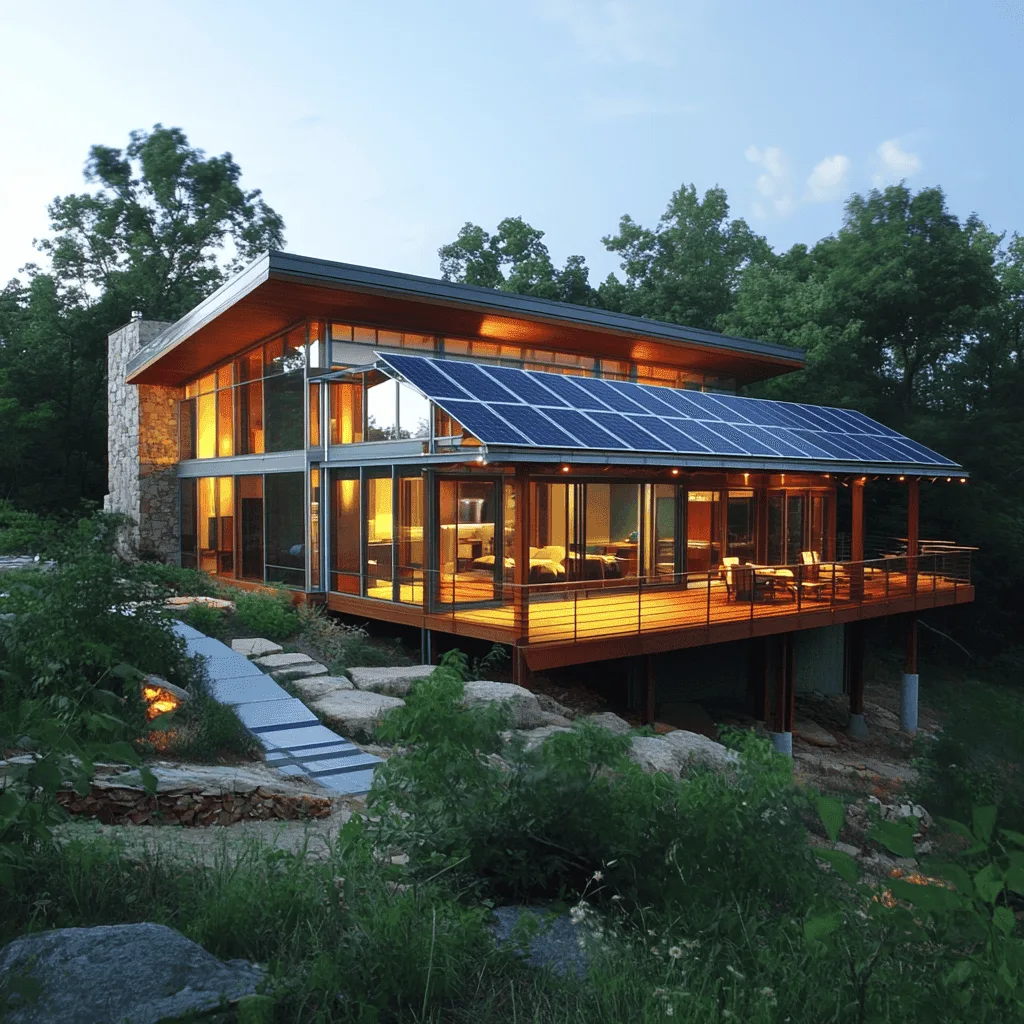
Buildings account for approximately 40% of U.S. energy consumption. Energy-efficient properties command rent and sale premiums while reducing operational costs. Upgrades include high-efficiency HVAC systems, improved insulation and air sealing, LED lighting and smart building controls, and solar panels or other renewable energy installations.
Regulatory and Policy Changes
Government responses to climate change are creating new requirements and market dynamics.
Building Codes and Zoning
Municipalities are updating regulations to address climate risks. New York City requires green roofs on certain new buildings to manage stormwater and reduce heat island effects. California's Title 24 energy code sets among the nation's strictest efficiency standards for new construction. Coastal communities are restricting development in high-risk zones and requiring higher elevation standards.
Disclosure Laws
Several states now mandate climate risk disclosure during real estate transactions. Sellers must inform buyers about flood history, wildfire risk, and previous insurance claims. These transparency requirements help buyers make informed decisions but may depress values for high-risk properties.
Financing and Investment Shifts
Lenders and investors are incorporating climate risk into their underwriting and portfolio strategies.
Mortgage Lending Adjustments
Banks are developing climate risk models to assess loan portfolios. Properties in high-risk areas may face higher interest rates, lower loan-to-value ratios, or shorter loan terms. Fannie Mae and Freddie Mac have begun requiring climate risk assessments for certain properties, signaling broader industry changes ahead.
Green Financing Incentives
Conversely, energy-efficient and climate-resilient properties can access favorable financing. Green mortgages offer lower rates or higher borrowing limits for homes meeting efficiency standards. Property Assessed Clean Energy (PACE) programs allow owners to finance resilience improvements through property tax assessments.
Practical Considerations for Buyers and Sellers
Market participants should integrate climate factors into their real estate decisions.
For Homebuyers
Research climate risks using tools like FEMA flood maps, the First Street Foundation's Risk Factor website, and local fire hazard severity zone maps. Calculate total cost of ownership including insurance, utilities, and potential adaptation expenses. Verify that properties have adequate insurance coverage and review claims history. Consider resale prospects given changing climate conditions and buyer preferences.
For Sellers
Document resilience improvements and energy efficiency upgrades that add value. Obtain current climate risk assessments to address buyer concerns proactively. Ensure insurance coverage is adequate and transferable. Price properties realistically considering climate factors that buyers increasingly scrutinize.
For Investors
Diversify geographically to spread climate risk across different regions and hazard types. Prioritize properties with adaptation measures or potential for cost-effective resilience improvements. Monitor regulatory trends that may affect property values and operating costs. Build climate scenario analysis into long-term return projections.
The Path Forward
Climate change represents a permanent shift in real estate risk assessment and valuation. Properties once considered prime locations may become liabilities, while previously overlooked markets gain appeal.
Successful navigation of this changing landscape requires acknowledgment of physical risks, proactive adaptation and resilience planning, realistic assessment of insurance and financing availability, and long-term thinking that extends beyond traditional market cycles.
The real estate industry is entering an era where climate considerations are as fundamental as location, condition, and comparable sales. Buyers, sellers, and investors who integrate these factors into their decision-making will be better positioned to protect value and identify opportunities in an evolving market.
Climate change is not a distant threat but a present reality already reshaping property values, insurance markets, and investment strategies. Understanding and responding to these changes is essential for anyone involved in real estate today.