Table of Contents
The Phoenix metropolitan area is experiencing a remarkable transformation in residential development, with green homes and sustainable building practices becoming increasingly central to the region's housing landscape. As climate awareness grows and energy costs continue to rise, both homebuyers and developers are prioritizing eco-friendly features that reduce environmental impact while delivering long-term financial benefits. This shift represents more than just a trend—it's a fundamental reimagining of how communities can thrive in one of America's hottest and fastest-growing cities.
Understanding Green Homes in Phoenix
Green homes represent a holistic approach to residential construction that prioritizes environmental responsibility, energy efficiency, and occupant health. In Phoenix, where more than 300 days of sunshine each year create both challenges and opportunities, sustainable home design takes on particular importance. These properties integrate advanced technologies, eco-friendly materials, and thoughtful design principles to minimize resource consumption while maximizing comfort and livability.
The concept extends beyond simply adding solar panels to a conventional home. True green construction considers every aspect of the building process, from site selection and orientation to material sourcing and waste management. The Phoenix Green Construction Code takes a "whole project" approach to promoting safe and sustainable construction, reflecting the city's commitment to comprehensive environmental standards.
For Phoenix homeowners, the benefits of green homes are both immediate and long-lasting. Reduced utility bills, improved indoor air quality, enhanced comfort during extreme temperatures, and increased property values all contribute to the appeal of sustainable housing. Additionally, these homes help address broader environmental challenges, including water scarcity, urban heat island effects, and carbon emissions—issues particularly relevant to desert communities.
Key Features of Sustainable Homes
Solar Energy Systems
Solar panels have become the cornerstone of green home design in Phoenix, and for good reason. Arizona boasts more than 300 sunny days annually, making it one of the best states for solar production. Compared to cooler climates with less consistent sunlight, solar panels in Arizona reach peak performance more often and for longer periods each day. This abundant solar resource translates directly into energy savings and environmental benefits.
The average solar panel in Arizona produces around 5 to 6 kWh daily, depending on local conditions. For a typical residential installation, this means substantial electricity generation that can offset or even eliminate monthly utility bills. On average, Phoenix homeowners can save $1,000 to $2,500 annually on their electricity bills. These savings will continue to grow as energy prices rise, making solar a wise investment against future energy cost inflation.
Modern solar installations go beyond basic panels. Many Phoenix homeowners are now incorporating battery storage systems, which provide backup power during outages and enable greater energy independence. Solar with battery storage keeps your home powered during outages, a valuable feature in areas prone to grid disruptions or extreme weather events.
The financial incentives for solar adoption remain attractive despite recent changes. While federal residential solar tax credits have been modified, battery storage systems still qualify for significant incentives. Additionally, the city covers the cost to register a home under LEED for Homes if it achieves LEED Platinum, demonstrating municipal support for high-performance green construction.
Energy-Efficient Windows and Insulation
In Phoenix's extreme climate, where summer temperatures regularly exceed 110 degrees Fahrenheit, the building envelope plays a critical role in energy efficiency. High-performance windows with low-emissivity coatings, multiple panes, and insulated frames dramatically reduce heat transfer, keeping homes cooler in summer and warmer during surprisingly chilly winter nights.
Advanced insulation materials and techniques further enhance thermal performance. Modern green homes utilize spray foam insulation, radiant barriers, and properly sealed ductwork to minimize conditioned air loss. These features work together to reduce the burden on heating and cooling systems, which typically account for the largest portion of residential energy consumption in the Phoenix area.
The impact on utility bills can be substantial. Homeowners with properly insulated, well-sealed homes often report 30-50% reductions in cooling costs compared to conventionally built properties. This translates to hundreds or even thousands of dollars in annual savings, making energy-efficient construction a sound financial investment that pays dividends year after year.
Water Conservation Systems
Water scarcity represents one of the most pressing challenges facing Phoenix and the broader Southwest region. Sustainable homes address this issue through multiple strategies, including low-flow fixtures, efficient irrigation systems, and native landscaping that requires minimal supplemental watering.
Rainwater harvesting systems, while less common than solar panels, are gaining traction among environmentally conscious homeowners. These systems capture precipitation from roofs and other surfaces, storing it for landscape irrigation or, with appropriate treatment, household use. Even in Phoenix's arid climate, rainwater harvesting can significantly reduce municipal water consumption.
Greywater recycling systems represent another innovative approach to water conservation. These systems capture water from sinks, showers, and washing machines, filtering and redirecting it for landscape irrigation. By reusing water that would otherwise flow to the sewer, greywater systems can reduce household water consumption by 30% or more.
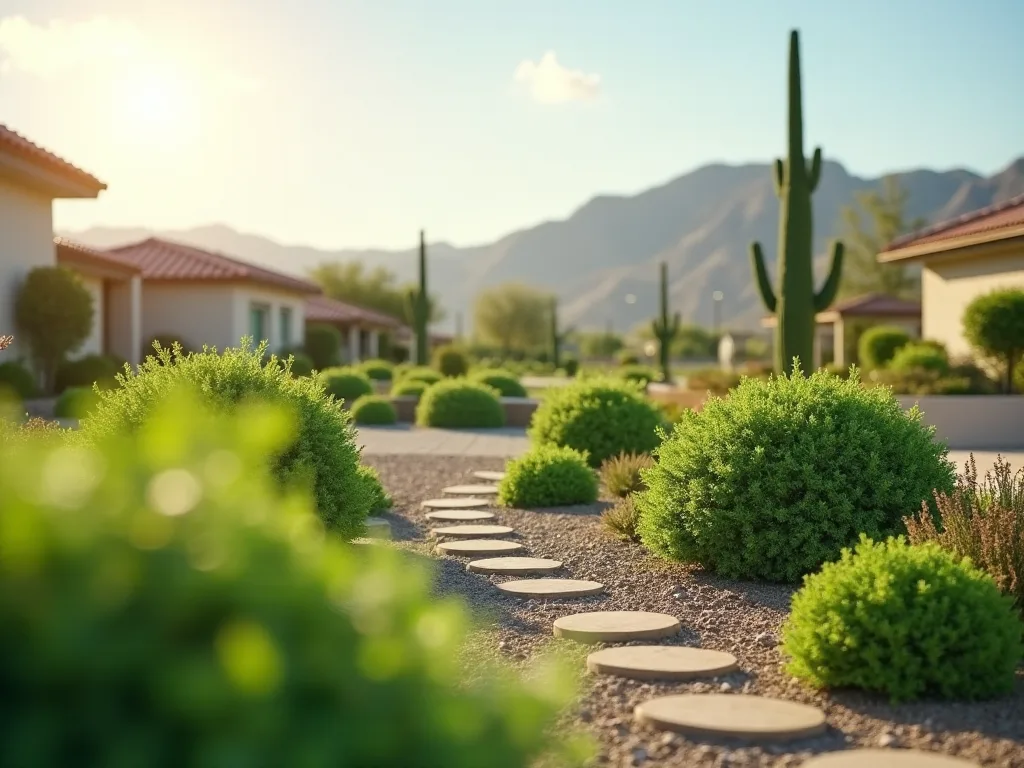
Desert-adapted landscaping, often called xeriscaping, eliminates or drastically reduces the need for irrigation. By selecting native plants adapted to Phoenix's climate, homeowners can create beautiful outdoor spaces that thrive with minimal water input. This approach not only conserves water but also reduces maintenance requirements and supports local ecosystems.
Smart Home Technology
The integration of smart home technologies amplifies the efficiency of green building features. Programmable thermostats, automated lighting systems, and energy monitoring devices give homeowners unprecedented control over their energy consumption. These systems learn household patterns and adjust automatically to optimize comfort while minimizing waste.
The integration of smart technologies that allow homeowners to monitor and control their energy use remotely is just the beginning. Advanced systems can coordinate solar production, battery storage, and household consumption to maximize self-sufficiency and minimize grid dependence. Some systems even respond to utility pricing signals, automatically shifting energy-intensive tasks to off-peak hours when electricity rates are lower.
Smart irrigation controllers represent another valuable technology for Phoenix homeowners. These devices monitor weather conditions, soil moisture, and plant needs, adjusting watering schedules automatically to prevent waste. By delivering precisely the right amount of water at the optimal time, smart controllers can reduce outdoor water use by 30-50% compared to conventional timers.
Sustainable Building Materials
The materials used in construction significantly impact a home's environmental footprint. Green builders in Phoenix increasingly specify materials with lower embodied carbon, recycled content, and sustainable sourcing. These choices reduce the environmental impact of construction while often improving building performance and durability.
Recycled steel framing, reclaimed wood, and low-VOC (volatile organic compound) paints and finishes contribute to healthier indoor environments while reducing resource consumption. Concrete alternatives made from recycled materials or innovative formulations with lower carbon footprints are becoming more widely available and cost-competitive.
Cool roofing materials deserve special mention in Phoenix's context. These products reflect more sunlight and absorb less heat than conventional roofing, reducing cooling loads and extending roof lifespan. Light-colored or specially coated roofing can lower roof surface temperatures by 50-60 degrees Fahrenheit, translating to measurable reductions in air conditioning costs.
Sustainable Development Practices in Phoenix
City Initiatives and Building Codes
The City of Phoenix announced the adoption of a voluntary Green Construction Code effective July 1, 2011. The Phoenix Green Construction Code takes a "whole project" approach to promoting safe and sustainable construction. This framework provides builders with clear guidelines and standards for sustainable development while offering flexibility in how those standards are met.
The City of Phoenix participated in the ICC voting process for the 2018 International Energy Conservation Code, and adopted the code in June 2018. The city also created the Phoenix Green Construction Code as an alternative compliance path. This dual-track approach allows builders to choose the pathway that best suits their project while ensuring consistent environmental performance.
The city's commitment to sustainability extends beyond building codes. The City of Phoenix Office of Sustainability follows the implementation of the Climate Action Plan, advancing the City's 2050 goals for carbon neutrality, clean air, zero waste, and resilient communities. These ambitious targets drive policy decisions and resource allocation, creating an environment where sustainable development can flourish.
Municipal incentives further encourage green building practices. The city also offers to apply a zoning overlay to allow for greater density to developers who voluntarily adopt the City's Walkable Urban Code which has higher performance standards and a requirement for 75% shade around the new development. This innovative approach links density bonuses to environmental performance, encouraging developers to exceed minimum standards.
Community-Scale Sustainability
Sustainable development in Phoenix increasingly operates at the neighborhood and community scale, not just individual homes. Master-planned communities are incorporating shared amenities, walkable designs, and integrated green infrastructure that amplify the benefits of individual home efficiency measures.
Community solar programs represent one example of this broader approach. The city is working with APS as part of their Community Solar Program to add solar to low-income Phoenix housing and provide a monthly credit to low-income residents. These programs make solar energy accessible to renters and homeowners who cannot install panels on their own properties, democratizing access to clean energy.
District energy systems offer another community-scale solution. The Downtown Energy Center provides district chilled-water cooling to 34 buildings including the convention center and baseball stadium. The 14,000-ton capacity system uses ice produced in off-peak hours as thermal storage to provide cooling during peak demand. This approach improves efficiency while reducing strain on the electrical grid during peak periods.
Shade infrastructure represents a critical component of sustainable community design in Phoenix. Trees, shade structures, and thoughtful building orientation reduce ambient temperatures, making outdoor spaces more usable and reducing the urban heat island effect. Working with City departments, partners, and residents, we deliver innovative solutions—like expanding shade, clean energy, and electric vehicles—that improve quality of life today and build a sustainable Phoenix for generations to come.
Developer Commitments
Forward-thinking developers in Phoenix are embracing sustainability as a competitive advantage and market differentiator. The City of Phoenix, for instance, has implemented several green building codes and offers incentives for builders and homeowners who choose to incorporate sustainable features into their properties. Such policies have paved the way for a more sustainable urban development model, encouraging the establishment of environmentally friendly homes.
Some developers are pursuing third-party certifications like LEED (Leadership in Energy and Environmental Design) or the National Green Building Standard to validate their sustainability claims. These certifications provide independent verification of environmental performance and give buyers confidence in their green home investments.
Innovative construction techniques are also gaining traction. Modular and prefabricated construction methods can reduce waste, improve quality control, and accelerate project timelines while maintaining or improving environmental performance. These approaches represent the future of efficient, sustainable homebuilding in rapidly growing markets like Phoenix.
Popular Green Neighborhoods in Phoenix
Desert Ridge
Desert Ridge, located in northeast Phoenix, exemplifies master-planned community development with sustainability in mind. This expansive neighborhood features a mix of residential, commercial, and recreational spaces designed to reduce automobile dependence and promote walkability. Many homes in Desert Ridge incorporate solar panels, energy-efficient construction, and desert-adapted landscaping.
The community's design emphasizes connectivity and outdoor amenities, with extensive trail systems, parks, and open spaces that encourage active lifestyles. Mature landscaping provides shade and cooling, demonstrating how thoughtful planning can create comfortable outdoor environments even in Phoenix's challenging climate.
Desert Ridge's commercial district includes LEED-certified buildings and businesses committed to sustainability. This integration of green residential and commercial development creates a neighborhood-scale ecosystem where sustainable practices become the norm rather than the exception.
Ahwatukee Foothills
Ahwatukee Foothills, situated in south Phoenix against the backdrop of South Mountain, has long been recognized for its environmental consciousness and quality of life. The neighborhood's location provides natural beauty and recreational opportunities while maintaining proximity to urban amenities.
Many Ahwatukee homes feature solar installations, taking advantage of unobstructed southern exposures and abundant sunshine. The community's established nature means mature trees and landscaping that provide natural cooling and shade, reducing energy demands for air conditioning.
Residents of Ahwatukee tend to be environmentally aware and supportive of sustainability initiatives. This creates a positive feedback loop where green practices become normalized and new developments are expected to meet high environmental standards.
North Gateway
North Gateway represents one of Phoenix's newer growth areas, providing opportunities to incorporate the latest sustainable building practices from the ground up. Developers in this area are increasingly prioritizing energy efficiency, water conservation, and green building certifications.
The neighborhood's relatively recent development means homes often feature modern construction techniques and materials that exceed older building code requirements. Solar-ready construction, high-efficiency HVAC systems, and advanced insulation are becoming standard rather than premium features.
North Gateway's location in the northern reaches of Phoenix provides slightly cooler temperatures and different landscape opportunities compared to central areas. Developers are taking advantage of these conditions to create communities that balance growth with environmental responsibility.
Estrella Mountain Ranch
Estrella Mountain Ranch, located in southwest Phoenix, represents one of the region's most ambitious master-planned communities. With thousands of homes and extensive amenities, the development demonstrates how large-scale planning can incorporate sustainability principles.
The community features multiple parks, lakes, and recreational facilities designed to enhance quality of life while promoting environmental stewardship. Water features utilize reclaimed water, and landscaping emphasizes drought-tolerant species that thrive in the desert environment.
Many builders in Estrella Mountain Ranch offer green building options or include sustainable features as standard. The community's scale allows for infrastructure investments that benefit all residents, including efficient utilities and thoughtful transportation planning.
Emerging Green Communities
Beyond these established neighborhoods, new sustainable communities continue to emerge throughout the Phoenix metropolitan area. Consider the success story of a green home community in Cave Creek, just north of Phoenix. This development showcases the latest in sustainable building practices, from solar-powered homes that generate more energy than they consume, to native desert landscaping that requires no irrigation.
The project not only sold out quickly but also received accolades for its innovative approach to sustainable living in the desert. It represents a model for future developments, demonstrating the market viability and community benefits of green homes. This success story illustrates growing consumer demand for sustainable housing and developers' willingness to meet that demand.
Arizona's real estate landscape is witnessing a significant shift as energy-efficient homes become increasingly popular. Areas like Phoenix, Scottsdale, and Cave Creek are at the forefront of this trend, with more homeowners and developers prioritizing sustainable living. This momentum suggests that green building will continue expanding across the region.
Financial Benefits of Green Homes
Reduced Utility Costs
The most immediate and tangible benefit of green homes is reduced utility expenses. Solar panels, efficient appliances, and superior insulation combine to dramatically lower monthly energy bills. After solar panel installation, most homeowners see a dramatic impact in their energy bills. In fact, many report a monthly savings that completely offsets the system's financing payments.
These savings compound over time, particularly as utility rates continue rising. Homeowners with fixed-rate solar financing or paid-off systems are insulated from future rate increases, providing long-term financial predictability. Over a 25-year period, the cumulative savings can easily reach tens of thousands of dollars.
Water conservation features also contribute to lower utility bills, though typically on a smaller scale than energy savings. In Phoenix, where water rates have been increasing to reflect the resource's scarcity, efficient fixtures and landscaping provide measurable financial benefits alongside environmental ones.
Increased Property Values
Green features increasingly influence real estate values in Phoenix. Homes with solar panels often sell at a premium, similar to other major upgrades. Buyers recognize the value of lower operating costs and are willing to pay more upfront to secure those long-term savings.
Homes with solar systems often sell faster and for more in the Valley, making them a strong investment for resale potential. This market premium reflects both financial calculations and buyer preferences for sustainable living. As environmental awareness grows, this premium is likely to increase.
Energy efficiency certifications and green building ratings provide third-party validation that can further enhance property values. Homes with LEED certification or high HERS (Home Energy Rating System) scores stand out in listings and attract environmentally conscious buyers willing to pay premium prices.
Available Incentives and Tax Benefits
Despite recent changes to federal incentive programs, significant financial support remains available for green home features. Battery storage systems, in particular, continue to qualify for substantial federal tax credits, making energy storage more accessible to Phoenix homeowners.
State and local incentives supplement federal programs. Arizona offers property tax exemptions for solar installations, ensuring that adding panels won't increase property tax bills despite increasing home value. Sales tax exemptions on solar equipment further reduce upfront costs.
Utility companies also offer various incentive programs. Some provide rebates for energy-efficient appliances, smart thermostats, or home energy audits. Others offer favorable net metering policies that credit homeowners for excess solar production sent to the grid. These programs vary by utility provider, so homeowners should research options specific to their service area.
Long-Term Return on Investment
While green features often require higher upfront investment, the long-term return on investment typically justifies the initial expense. Solar panels, for example, generally pay for themselves within 7-12 years through energy savings, then continue generating free electricity for decades.
Did you know that your solar panel system can last as long as 40 years when properly maintained? And best of all, "proper maintenance" can require something as simple as rinsing the dust from your panels every so often. This longevity ensures that green investments continue delivering value long after the initial payback period.
Energy-efficient construction features like superior insulation and high-performance windows provide returns throughout the building's lifetime. Unlike solar panels that can be added later, these features are most cost-effectively incorporated during initial construction, making them particularly valuable for new home buyers.
Environmental Impact and Community Benefits
Reduced Carbon Footprint
Solar energy lowers reliance on fossil fuels and decreases greenhouse gas emissions. For Phoenix homeowners, this means each kilowatt-hour of solar electricity directly displaces grid power that would otherwise come from natural gas or coal-fired generation.
The cumulative impact of widespread green building adoption is substantial. As more Phoenix homes incorporate solar panels, efficient appliances, and sustainable features, the city's overall carbon footprint decreases. This collective action contributes to regional and global climate goals while improving local air quality.
Energy efficiency measures complement solar production by reducing overall consumption. A home that uses less energy requires a smaller solar array to achieve net-zero status, reducing both costs and environmental impact. This synergy between efficiency and renewable generation represents the optimal approach to sustainable housing.
Water Resource Conservation
In the water-stressed Southwest, conservation represents an environmental imperative. Green homes in Phoenix address this challenge through multiple strategies, from low-flow fixtures to xeriscaping to greywater systems. These measures reduce pressure on overtaxed water supplies while lowering utility bills.
Native landscaping provides additional environmental benefits beyond water conservation. Desert-adapted plants support local wildlife, require fewer chemical inputs, and help preserve the region's unique ecological character. This approach creates beautiful outdoor spaces that work with nature rather than against it.
Community-scale water management strategies amplify individual home conservation efforts. Retention basins, permeable paving, and thoughtful stormwater management reduce runoff while recharging groundwater supplies. These infrastructure investments benefit entire neighborhoods while supporting broader watershed health.
Urban Heat Island Mitigation
Phoenix's urban heat island effect—where developed areas experience significantly higher temperatures than surrounding desert—poses serious health and quality-of-life challenges. Green building practices help address this issue through cool roofing, shade trees, and reflective surfaces that reduce heat absorption.
Vegetation plays a crucial role in cooling urban environments. Trees and other plants provide shade while releasing moisture through transpiration, creating localized cooling effects. Strategic landscaping can reduce ambient temperatures by several degrees, making outdoor spaces more comfortable and reducing air conditioning loads.
Community-wide shade initiatives represent a priority for Phoenix sustainability efforts. Goal: Protect residents from extreme heat and build a cooler city. This objective drives investments in street trees, shade structures, and urban forestry programs that benefit all residents while addressing one of the city's most pressing environmental challenges.
Improved Air Quality
Reduced energy consumption and increased renewable generation contribute to better air quality in Phoenix. By displacing fossil fuel combustion, solar panels and energy efficiency measures reduce emissions of particulate matter, nitrogen oxides, and other pollutants that affect respiratory health.
Indoor air quality also benefits from green building practices. Low-VOC materials, proper ventilation systems, and moisture control reduce exposure to harmful chemicals and allergens. These features create healthier living environments, particularly important for children, elderly residents, and those with respiratory conditions.
The cumulative effect of widespread green building adoption extends beyond individual homes. As Phoenix transitions toward cleaner energy and more efficient buildings, regional air quality improves, benefiting all residents regardless of whether they live in green homes themselves.
Challenges and Considerations
Upfront Costs
The most significant barrier to green home adoption remains higher initial costs. Solar panels, high-efficiency HVAC systems, and premium insulation all require greater upfront investment than conventional alternatives. This optimistic future does face potential challenges, including the need for updates in zoning laws to accommodate new technologies and building practices, as well as the upfront costs associated with installing green technologies.
However, multiple factors are working to reduce this barrier. Declining technology costs, particularly for solar panels and batteries, have made green features more affordable than ever. Financing options, including solar loans and energy-efficient mortgages, allow homeowners to spread costs over time while immediately benefiting from reduced utility bills.
For new construction, incorporating green features during initial building often costs less than retrofitting later. Builders can optimize designs, purchase materials efficiently, and integrate systems seamlessly, reducing the premium for sustainable construction. Some green features, like proper orientation and passive solar design, cost nothing extra when implemented during planning.
Technology Evolution
Rapid technological advancement in green building creates both opportunities and challenges. New products and systems constantly emerge, offering improved performance and lower costs. However, this evolution can make it difficult for homeowners and builders to evaluate options and make informed decisions.
Future trends in energy efficiency standards in Arizona are expected to focus on technological advancements and innovation. The integration of smart home technologies and renewable energy sources is anticipated to shape future standards, making homes even more energy-efficient. Industry experts predict that as technology evolves, building codes will continue to adapt, incorporating new materials and construction techniques.
Staying current with technological developments requires ongoing education and engagement with the green building community. Professional organizations, industry publications, and local sustainability groups provide valuable resources for homeowners and builders seeking to understand emerging technologies and best practices.
Regulatory Considerations
Building codes, zoning regulations, and utility policies all influence green building adoption. While Phoenix has generally supported sustainable development, navigating regulatory requirements can be complex. Homeowners and builders must understand permitting processes, interconnection standards, and compliance requirements.
Homeowners associations (HOAs) sometimes present additional challenges. While Arizona law protects homeowners' rights to install solar panels, HOAs may impose aesthetic requirements or placement restrictions. Understanding these rules before purchasing or installing green features helps avoid conflicts and delays.
Utility policies, particularly regarding net metering and interconnection, significantly impact the economics of solar installations. These policies vary by provider and can change over time, affecting the financial returns on renewable energy investments. Prospective solar adopters should research current policies and consider potential future changes when evaluating investments.
Maintenance and Longevity
While green features generally require minimal maintenance, homeowners should understand care requirements to ensure optimal performance. Solar panels need periodic cleaning to remove dust and debris that can reduce output. In Phoenix's dusty environment, this maintenance becomes particularly important.
HVAC systems, whether conventional or high-efficiency, require regular filter changes and professional servicing to maintain performance. Energy recovery ventilators, heat pumps, and other advanced systems may have specific maintenance needs that differ from traditional equipment.
Long-term durability represents a key consideration for green investments. Solar panels require minimal maintenance and are designed to withstand harsh weather conditions, making them a durable investment. Most solar panels come with a 25 to 30-year warranty, ensuring peace of mind and reliability for years to come. Understanding warranty coverage and expected lifespans helps homeowners plan for eventual replacement or upgrades.
The Future of Green Building in Phoenix
Market Trends and Demand
As demand continues to rise, the market for homes with solar installations, energy storage systems, and smart home technologies is expected to grow substantially. This trend reflects both environmental awareness and economic calculation, as buyers recognize the long-term value of sustainable features.
Despite these hurdles, local experts remain optimistic about the trajectory of the eco-friendly property market in Phoenix. They anticipate not only increased demand but also greater public support for sustainable living options, driven by a collective desire to address climate change and improve quality of life through smarter, more sustainable urban development.
Demographic shifts support continued growth in green building. Younger homebuyers, particularly millennials and Generation Z, prioritize sustainability and are willing to pay premiums for environmentally responsible housing. As these cohorts represent an increasing share of the housing market, demand for green features will likely accelerate.
Technological Innovation
Emerging technologies promise to make green homes even more efficient and affordable. Future advancements may lead to even more automated and efficient homes, with features like energy-producing windows or more effective water recycling systems becoming standard. These innovations will expand the possibilities for sustainable living while reducing costs and complexity.
Battery storage technology continues advancing rapidly, with improved energy density, longer lifespans, and lower costs. As storage becomes more affordable and capable, more Phoenix homeowners will be able to achieve energy independence, relying on solar power even after sunset.
Building-integrated photovoltaics, which incorporate solar generation directly into roofing materials and building facades, represent another promising development. These products eliminate the need for separate panel installations while maintaining or improving aesthetic appeal, potentially accelerating solar adoption.
Policy Evolution
Phoenix's sustainability goals will continue driving policy development and program implementation. The City of Phoenix Office of Sustainability follows the implementation of the Climate Action Plan, advancing the City's 2050 goals for carbon neutrality, clean air, zero waste, and resilient communities. These ambitious targets will require ongoing innovation in building practices and community development.
Building codes will likely become more stringent over time, incorporating higher efficiency standards and potentially mandating certain green features. This evolution reflects both environmental imperatives and the recognition that efficient buildings benefit occupants through lower operating costs and improved comfort.
Utility policies will also continue evolving as renewable energy becomes more prevalent. Rate structures, interconnection standards, and incentive programs will adapt to changing grid conditions and policy priorities. Homeowners and developers should stay informed about these changes to make optimal decisions.
Community Engagement and Education
Local news stories have underscored the growing importance of energy efficiency standards in Arizona. Community initiatives and events promoting energy-efficient living are becoming more prevalent, reflecting a cultural shift toward sustainability. In cities like Phoenix and Scottsdale, energy efficiency is becoming an integral part of the community's identity, influencing local policies and development practices.
Educational resources and support networks help homeowners navigate green building options. The Arizona Department of Housing offers programs and incentives for sustainable home building and renovations. Organizations such as the Arizona Green Chamber of Commerce and local nonprofits focused on sustainability can provide additional guidance and support for those looking to make their homes more eco-friendly.
Real estate professionals increasingly specialize in green properties, providing expertise that helps buyers and sellers understand sustainable features and their value. Real estate professionals specializing in green properties are increasingly common, offering expertise in identifying homes that meet specific environmental standards. This specialization ensures that green features are properly valued and marketed.
Taking Action: Steps for Homebuyers and Homeowners
For Prospective Homebuyers
Homebuyers interested in green properties should prioritize education and due diligence. Understanding different green features, their costs, and their benefits enables informed decision-making. Working with real estate professionals who specialize in sustainable properties provides valuable guidance throughout the search and purchase process.
When evaluating properties, look beyond surface-level features to understand overall performance. Energy bills from current owners, HERS ratings, and green certifications provide objective data about a home's efficiency. Home energy audits can identify opportunities for improvement in properties that aren't fully optimized.
Consider both existing green features and potential for future improvements. A home with solar-ready construction, good orientation, and efficient systems may offer better long-term value than one with some green features but limited upgrade potential. Think about your priorities and how different properties align with your sustainability goals.
For Current Homeowners
Existing homeowners can pursue green improvements incrementally, prioritizing projects with the best return on investment. Energy audits identify the most impactful upgrades for your specific home, ensuring that improvement dollars are spent effectively.
Solar panels often represent the single most impactful upgrade for Phoenix homeowners. With abundant sunshine and declining costs, solar installations typically offer excellent financial returns alongside environmental benefits. Multiple financing options make solar accessible even for homeowners who cannot pay cash upfront.
Efficiency improvements like insulation upgrades, air sealing, and HVAC replacement provide substantial benefits, particularly in older homes built to less stringent standards. These improvements reduce energy consumption, lower utility bills, and improve comfort year-round.
Water conservation measures offer another avenue for sustainable improvement. Low-flow fixtures, efficient irrigation systems, and native landscaping reduce water consumption while lowering utility bills. These upgrades are often relatively affordable and can be implemented gradually.
For Builders and Developers
Builders and developers have tremendous influence over Phoenix's sustainable housing future. Incorporating green features as standard rather than optional upgrades normalizes sustainable construction and makes it accessible to more buyers.
Pursuing green building certifications differentiates projects in the marketplace while providing independent verification of environmental performance. LEED, National Green Building Standard, and other programs offer frameworks for sustainable construction that buyers recognize and value.
Community-scale sustainability planning amplifies the impact of individual home efficiency. Walkable designs, shared amenities, and integrated green infrastructure create neighborhoods where sustainable living becomes easy and natural. These holistic approaches represent the future of residential development in Phoenix.
Staying current with evolving technologies, building codes, and market preferences ensures that developments remain competitive and relevant. Engaging with industry organizations, attending conferences, and learning from successful projects helps builders deliver homes that meet buyer expectations while advancing sustainability goals.
Resources and Support
Phoenix homeowners and builders have access to numerous resources supporting green building and sustainable living. The City of Phoenix Office of Sustainability provides information about programs, incentives, and initiatives. As a step towards achieving these goals, the City of Phoenix wishes to encourage the construction of ultra-low energy use homes.American Institute of Architects, Arizona (AIA) held a Sustainable Home Design Competition for a "near net-zero energy" single family home that has the best potential for wide-spread adoption in the region (climate zone 2). Now, users can download the winning construction plans for free!
Utility companies offer various programs and incentives for energy efficiency and renewable energy. Arizona Public Service (APS) and Salt River Project (SRP) both provide rebates, educational resources, and support for customers pursuing sustainable improvements. Their websites offer detailed information about available programs and application processes.
Professional organizations like the Arizona Green Chamber of Commerce, U.S. Green Building Council Arizona Chapter, and local chapters of the American Institute of Architects provide networking opportunities, educational programs, and advocacy for sustainable building practices. These organizations connect homeowners, builders, and professionals committed to environmental responsibility.
Online resources and tools help homeowners evaluate options and make informed decisions. Solar calculators estimate production and savings for specific properties. Energy modeling software helps builders optimize designs. These digital tools democratize access to information that was once available only to professionals.
For those seeking deeper engagement, workshops, tours, and educational events provide hands-on learning opportunities. Green home tours showcase sustainable features in real homes, while workshops cover topics from solar installation to xeriscaping to energy efficiency. These events build community while spreading knowledge about sustainable living.
Conclusion
Green homes and sustainable development practices are transforming Phoenix neighborhoods, creating communities that balance growth with environmental responsibility. From solar-powered residences to water-conserving landscapes to energy-efficient construction, sustainable features are becoming increasingly common and valued throughout the metropolitan area.
The benefits of green building extend far beyond individual homeowners. Reduced carbon emissions, conserved water resources, improved air quality, and mitigated urban heat island effects contribute to a more livable and sustainable Phoenix for all residents. As more homes and neighborhoods embrace sustainable practices, these collective benefits multiply.
Financial considerations strongly support green building adoption. Lower utility bills, increased property values, available incentives, and long-term returns on investment make sustainable features economically attractive. As technology costs continue declining and energy prices rise, the financial case for green homes will only strengthen.
Challenges remain, including upfront costs, regulatory complexity, and the need for ongoing education. However, these barriers are gradually diminishing as green building becomes more mainstream, technologies improve, and support systems expand. The trajectory clearly points toward continued growth in sustainable housing.
Phoenix's unique climate and environmental context make sustainable building particularly important and impactful. The abundant sunshine that creates cooling challenges also provides tremendous renewable energy potential. Water scarcity demands conservation, while urban heat island effects require thoughtful design and vegetation strategies. Green building addresses these challenges while creating comfortable, efficient, and valuable homes.
Looking forward, the future of Phoenix housing is undeniably green. Ambitious municipal sustainability goals, evolving building codes, technological innovation, and changing consumer preferences all drive continued adoption of sustainable practices. Neighborhoods like Desert Ridge, Ahwatukee Foothills, North Gateway, and Estrella Mountain Ranch demonstrate what's possible when communities prioritize environmental responsibility alongside quality of life.
For homebuyers, current homeowners, builders, and developers, the message is clear: sustainable building represents not just an environmental imperative but a smart investment in Phoenix's future. By embracing green features and practices, we create homes and communities that are more comfortable, affordable, and resilient while reducing our environmental impact and contributing to a more sustainable world.
Whether you're searching for your first home, planning a renovation, or developing a new community, consider how green building can enhance your project. The resources, expertise, and support systems exist to make sustainable housing accessible and achievable. The question is no longer whether to build green, but how to do so most effectively for your specific situation and goals.
Phoenix stands at a pivotal moment in its development. The choices we make today about how we build and live will shape the city for generations to come. By prioritizing sustainability, we can ensure that Phoenix continues thriving as a vibrant, livable, and environmentally responsible desert metropolis. Green homes and sustainable neighborhoods aren't just about reducing environmental impact—they're about creating a better quality of life for everyone who calls Phoenix home.
For more information about sustainable building practices and green home certifications, visit the U.S. Green Building Council. To learn about solar energy options and incentives, explore resources from the U.S. Department of Energy. For local Phoenix sustainability initiatives and programs, check the City of Phoenix Office of Sustainability. Additional information about water conservation in desert climates is available through the EPA WaterSense program. Finally, for comprehensive information about energy-efficient homes, visit the ENERGY STAR website.