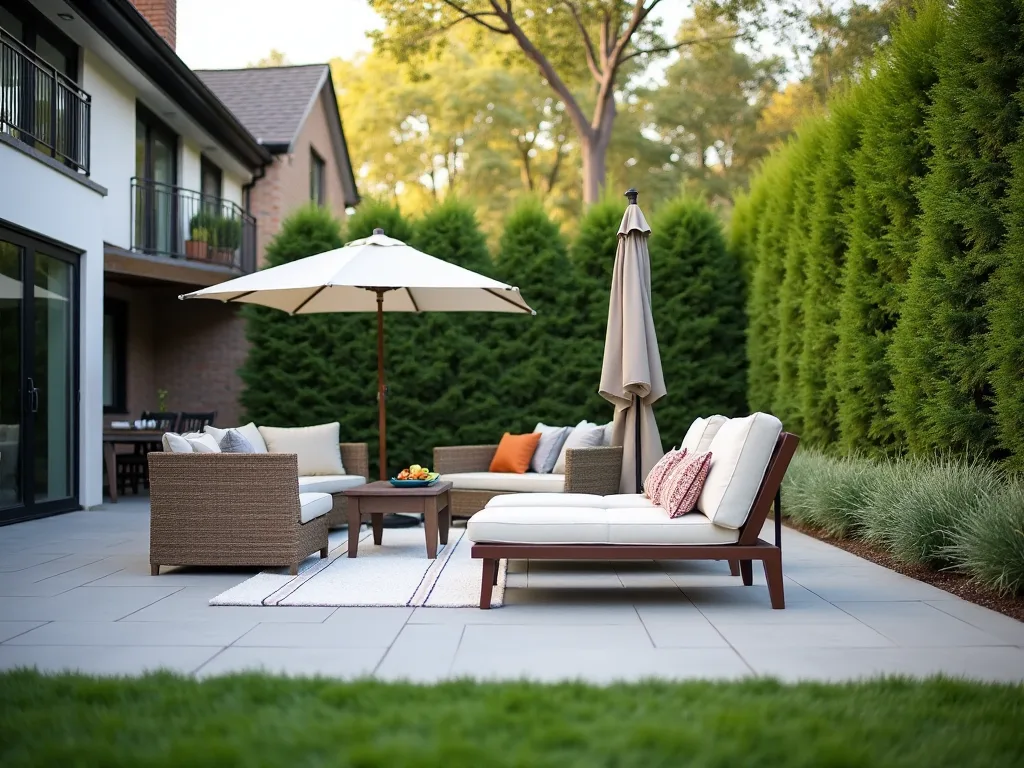
Table of Contents
The Transformative Power of Outdoor Living Spaces
Creating attractive outdoor living spaces can significantly increase the appeal and value of your property. Well-designed outdoor areas provide both functional and aesthetic value, making your home more inviting and enjoyable for residents and visitors alike. As homeowners continue to blur the line between indoor comfort and outdoor enjoyment, landscape design has evolved to prioritize year-round usability, technology integration, and wellness-focused spaces, with people wanting to spend more time outside in spaces that are functional, beautiful, and smart.
Outdoor living spaces have evolved from simple backyards to sophisticated, functional extensions of the home, with modern buyers viewing these areas as critical components of the property's overall square footage and potential for leisure. The shift toward outdoor-centric living reflects broader lifestyle changes, including remote work arrangements, increased focus on wellness, and a desire to reconnect with nature without leaving home.
Substantial Financial Benefits and Return on Investment
Outdoor living spaces extend the usable area of your home, offering a place for relaxation, entertainment, and social gatherings. They can also boost property value and curb appeal significantly, attracting potential buyers or visitors. The financial impact of well-designed outdoor spaces is substantial and backed by extensive real estate data.
Property Value Increases
Research has indicated that effectively designed outdoor environments can play a major role in enhancing property values, with landscaping alone increasing value by up to 12%, while features like patios and decks often deliver a 70–80% ROI. US real estate studies show that well-designed outdoor spaces can increase a home's value by an average of 10% to 15%, often making them one of the most effective renovations.
A high-quality outdoor living space is now a fundamental component of modern properties, acting as a functional extension of the home's usable square footage, with these upgrades offering superior cost recovery—patios often recouping up to 95% and wood decks up to 89% of their cost, significantly increasing your home's appraisal value.
Specific Feature ROI Breakdown
Different outdoor features offer varying returns on investment:
- Patios: A well-designed patio can have an ROI of up to 95% of the cost recovered according to the NAR, and can also add approximately 8-10% to a property's overall value due to their broad appeal and low maintenance requirements. A well-designed patio increases home value by 8%-12%, and building a new patio can even yield an impressive ROI of over 100%.
- Outdoor Kitchens: Outdoor kitchens offer a potential ROI of 100-200%, particularly in warmer climates. Outdoor kitchens are particularly popular with the increased outdoor cooking applications from grills and smokers to wood-fired pizza ovens, with more money being spent on outdoor kitchens than on any other feature recently.
- Decks: A survey by Rocket Homes revealed an attached outdoor space like a deck could increase a home's worth by nearly $20,000, with experts estimating that homeowners can expect a resale value of at least 76%, which is notably higher than other renovation projects.
- Fire Features: Fire pits generally recoup 78%. Fire elements offer a modest but solid ROI, typically ranging from 50-70%, creating a cozy gathering spot and enhancing buyer perceptions of the property as a space for memorable moments.
- Pergolas and Shade Structures: A well-integrated patio cover, such as a permanent roof extension or a high-quality pergola, can have an ROI of 50% or more, with its main value being the increased usability of the space during various weather conditions. A well-designed shade structure can offer an ROI of 50-80%, especially in sunny climates where shade is a must-have, with buyers willing to pay a premium for these features because they extend the usability of outdoor spaces while also adding style and sophistication.
- Landscaping: Studies show that a well-maintained yard can add 5-15% to your property's worth. Mature landscaping can increase a home value by 10%.
Current Design Trends Shaping Outdoor Spaces in 2026
Understanding current design trends helps homeowners create outdoor spaces that remain relevant and valuable for years to come. The landscape of outdoor design is experiencing significant evolution as we move through 2026.
Warm Minimalism and Natural Materials
In 2026, the trend for warm minimalism is extending beyond interiors and into outdoor living. Outdoor space style is moving toward a look that is clean and natural but still refined, creating a place that feels like an extension of your home—welcoming, breathable and quietly beautiful.
Warmer color palettes are becoming more common across 2026 patio trends, marking a shift away from cooler grays toward tones inspired by natural stone, clay, and weathered materials, with these colors blending well with planting and surrounding landscapes. Another major trend for 2026 is a preference for natural materials.
Patio furniture is shifting away from bulky sets toward pieces that feel airy and sculptural, with natural textures leading the way—think teak, eucalyptus, woven rope, powder-coated aluminum and performance fabrics that feel soft but handle the elements, while neutral tones like warm white, sand, soft gray and pale sage create a clean foundation.
Architecture-First Planning
One of the clearest outdoor living space design trends for 2026 is an architecture-first mindset, with homeowners commissioning master plans that shape movement, sightlines, and zones for cooking, lounging, dining, and wellness, while thoughtfully considering how the outdoor space connects and integrates with the house itself.
The integration of indoor and outdoor living spaces has reached new sophistication levels, with patio designs featuring seamless transitions that create unified living environments, extending interior comfort and functionality to outdoor areas while maintaining the unique benefits of outdoor living.
Bioclimatic Pergolas and Advanced Shade Systems
A defining 2026 trend is the rise of bioclimatic pergolas, with Renson® pergolas leading the category through sleek architectural profiles and motorized louvers that modulate light, provide shade, and shed rain with the touch of a button. Discreet options—integrated lighting, drop-down screens, heaters, and sensors—turn patios into four-season living rooms without visual clutter.
Intimate Wellness-Focused Spaces
One shift in customer priorities that landscape professionals are noticing is an increased demand for spaces that feel like home, rather than large, ostentatious showcase landscapes. Part of the more intimate outdoor living spaces trend is the focus on wellness features such as cold plunge pools and meditation spaces, with higher demand for smaller, but more high-end pools and reflection ponds.
Wellness-focused outdoor living continues to grow, with backyard saunas becoming one of the hottest additions to modern landscapes, offering year-round relaxation, health benefits, and a spa-like experience just steps from the back door.
Sustainable and Eco-Conscious Design
Sustainability has emerged as the defining characteristic of luxury patio design in 2026, with environmentally conscious materials taking center stage in high-end outdoor installations, representing a fundamental shift toward responsible luxury that prioritizes environmental stewardship without compromising on sophistication or performance.
Sustainable landscaping saw a 32% increase in searches over the past twelve months. Sustainable landscaping is about working with nature, not against it, using native plants, water-wise designs, and eco-friendly materials to ensure your outdoor space thrives without straining resources—achieved through drought-tolerant plants, drip irrigation, and gravel or permeable pavers for pathways.
Softer Planting and Organic Layouts
Softer planting styles and more organic layouts are a defining feature of landscape design trends for 2026 and broader outdoor design trends, as homeowners look for outdoor settings that feel relaxed, layered, and connected to nature, with grasses, shrubs, and flowering plants used to create movement and visual variation throughout the year, balanced by clear paths, edges, and gathering spots that keep areas functional and easy to navigate.
Chaos gardening shows a 749% popularity increase over the past twelve months, with the beauty lying in its imperfection—by mixing wildflowers, herbs, and vegetables, you can create a garden that's vibrant, functional, and alive with biodiversity.
Smart Technology Integration
Technology continues to transform outdoor spaces, with automation now a staple in landscape design, as almost every outdoor system can be connected to a home's network or controlled via smartphone. Automation not only makes outdoor living more convenient but also improves efficiency, reduces energy use, and enhances security and ambiance.
Outdoor Workspaces
With hybrid work schedules now the norm, homeowners are looking to expand their productivity beyond the four walls of the house, with outdoor workspaces becoming a highly requested feature, offering a refreshing change of scenery and the health benefits of being outdoors.
Trends to Avoid
Not all trends enhance value. String lights were once the staple of all backyards, bringing a sense of charm and whimsy, however the trend has now been overused and has become very visually noisy, with crisscrossing lights over every inch of a backyard flattening the space and detracting from rather than enhancing it. Intentional lighting will be huge for 2026.
There is movement away from over-built fire pits, as they tend to dominate the outdoor space and rarely get used, with the trend instead leaning toward simpler designs using natural materials like wood and decorative stone that age well over time.
Essential Design Elements to Consider
Effective outdoor spaces incorporate various elements that work together to create cohesive, functional, and beautiful environments. Choosing durable materials and cohesive design themes enhances the overall look and functionality while ensuring long-term value.
Comfortable and Functional Seating
Seating is the foundation of any outdoor living space. The furniture you choose should balance comfort, durability, and aesthetic appeal. Consider the climate in your area when selecting materials—weather-resistant fabrics, powder-coated metals, and treated woods withstand the elements while maintaining their appearance.
Create distinct seating zones for different activities. A conversation area with sofas and chairs arranged around a coffee table encourages social interaction, while a dining set accommodates meals and gatherings. Built-in seating along walls or planters maximizes space efficiency and creates a custom, integrated look.
Planters are becoming more like art pieces in 2026, with the trend moving toward fewer, larger statement planters with strong shapes instead of many small pots scattered around.
Strategic Lighting Design
Lighting transforms outdoor spaces from daytime-only areas into versatile environments usable well into the evening. A layered lighting approach combines ambient, task, and accent lighting to create depth and functionality.
Enlisting the expertise of a professional outdoor lighting designer allows you to strategically position fixtures that not only illuminate pathways but also accentuate architectural elements and highlight key focal points, resulting in an outdoor ambiance that invites admiration and captivates visitors long after the sun has set. Outdoor lighting can increase your home value as much as 12%.
Ambient lighting provides overall illumination through overhead fixtures, post lights, or string lights (when used sparingly and intentionally). Task lighting illuminates specific work areas like outdoor kitchens, grills, or dining tables. Accent lighting highlights architectural features, landscaping elements, water features, or artwork, creating visual interest and drama.
Consider energy-efficient LED fixtures that reduce electricity costs and require less frequent bulb replacement. Solar-powered options eliminate wiring concerns and provide sustainable lighting solutions. Smart lighting systems allow you to control brightness, color temperature, and timing from your smartphone, creating customized lighting scenes for different occasions.
Thoughtful Landscaping
Landscaping provides the living framework that softens hardscapes and connects outdoor spaces to the natural environment. Strategic plant selection creates year-round interest through varying textures, colors, and seasonal changes.
Native plants, stone accents, and lush greenery create an inviting first impression, making buyers more likely to fall in love before they even step inside. For maximum ROI, pair landscaping with lighting and irrigation systems to showcase its beauty day and night.
Layer plants by height to create depth—tall trees and shrubs form the backdrop, medium-height plants fill the middle ground, and low groundcovers or perennials edge pathways and borders. This layering technique mimics natural landscapes and creates visual richness.
Choose plants appropriate for your climate zone and sun exposure. Native plants typically require less water and maintenance while supporting local ecosystems and wildlife. Incorporate evergreens to maintain structure and color during winter months, complemented by deciduous plants that provide seasonal interest.
Container gardens offer flexibility, allowing you to change displays seasonally and move plants to optimize sun exposure. Large planters make bold statements and can define spaces or screen unwanted views.
Durable Materials and Surfaces
Low-maintenance planning supports outdoor living goals through durable materials, simplified layouts, and thoughtful surface selection that help reduce ongoing work while keeping outdoor spaces functional year after year, allowing homeowners to spend more time enjoying their backyards instead of maintaining them.
Material selection significantly impacts both the initial appearance and long-term performance of outdoor spaces. Consider maintenance requirements, climate suitability, and aesthetic compatibility with your home's architecture.
For patios and walkways, options include natural stone (flagstone, bluestone, slate), concrete pavers, brick, or poured concrete. Natural stone offers timeless beauty and unique character but typically costs more. Concrete pavers provide versatility in colors, shapes, and patterns at moderate cost. Brick creates classic, traditional aesthetics that complement many architectural styles.
Deck materials range from traditional wood to composite and PVC alternatives. Wood decking offers natural warmth and beauty but requires regular maintenance including staining or sealing. Composite decking combines wood fibers and plastic, providing wood-like appearance with reduced maintenance. PVC decking offers maximum durability and lowest maintenance but at higher initial cost.
Paver options like Umbriano®, Arcana™, or Urban™ are designed for high-traffic outdoor living areas, with EnduraColor for rich, lasting color and EasyClean™ Technology that resists stains before they set in, helping surfaces stay looking fresh with less effort, season after season.
Privacy and Screening
Privacy transforms outdoor spaces into intimate retreats where you can relax without feeling exposed to neighbors or passersby. Multiple approaches create privacy while enhancing aesthetics.
Living screens using hedges, bamboo, or ornamental grasses provide natural privacy that changes with seasons. Evergreen options maintain year-round screening. Deciduous plants offer seasonal variation and often feature flowers or fall color.
Structural elements like fences, walls, or lattice panels create immediate privacy and define property boundaries. Wood fences offer warmth and traditional appeal. Metal panels provide contemporary aesthetics. Stone or brick walls make substantial, permanent statements.
Pergolas with climbing vines, outdoor curtains, or retractable screens offer flexible privacy that adjusts to your needs. These solutions provide overhead coverage while allowing air circulation.
Climate Control Features
Extending the usability of outdoor spaces across seasons requires climate control features that provide comfort during temperature extremes.
Shade structures protect from intense sun and light rain. Options include pergolas, gazebos, shade sails, retractable awnings, or permanent roof extensions. Each offers different levels of coverage, architectural impact, and cost.
Heating elements extend outdoor season into cooler months. Fire pits and fireplaces provide warmth and ambiance while creating natural gathering points. Patio heaters offer targeted warmth without permanent installation. Infrared heaters mount overhead, providing efficient, wind-resistant heat.
Cooling features include misting systems that reduce temperatures through evaporative cooling, ceiling fans that circulate air under covered areas, and strategically placed water features that cool surrounding air while adding soothing sounds.
Popular Outdoor Features That Add Value
Certain outdoor features consistently deliver strong returns on investment while enhancing lifestyle and property appeal. Understanding the benefits and considerations of each helps prioritize improvements.
Patios: Versatile Foundation Spaces
Patios serve as the foundation for outdoor living, providing level, durable surfaces for furniture, dining, and activities. Their versatility makes them suitable for properties of all sizes and styles.
Patios are among the most popular outdoor living spaces, providing a versatile area for entertainment and relaxation, with their appeal lying in the flexibility to customize them with decorative lighting, outdoor furniture, planters, and privacy screens. Due to its relatively low cost, building a patio from scratch can yield an average ROI exceeding 100%, however, refurbishing an existing patio can deliver a far greater return, up to 500%, since repairs are significantly less expensive.
Patio size should balance functionality with available space. Allow adequate room for furniture with comfortable circulation space around it. A dining area typically requires at least 10x12 feet, while a conversation area needs approximately 12x16 feet. Larger patios can accommodate multiple zones for different activities.
Material selection impacts aesthetics, durability, and maintenance. Natural stone creates elegant, high-end appearances with unique character. Concrete pavers offer extensive design flexibility at moderate cost. Stamped or stained concrete provides custom looks at lower cost than individual pavers.
Consider drainage during patio planning. Proper grading directs water away from the house and prevents pooling. Permeable pavers allow water infiltration, reducing runoff and supporting sustainable practices.
Decks: Elevated Outdoor Rooms
Decks create elevated outdoor living spaces that work particularly well for homes with sloped lots or those seeking to capture views. They provide seamless transitions from interior living spaces to outdoor environments.
Decks are consistently ranked in Remodeling Magazine's Cost vs. Value Report as one of the best investments for exterior remodeling, providing an elevated, functional surface, and are especially valuable for properties on uneven or sloped lots where a ground-level patio is impractical.
Deck design should complement your home's architecture and integrate with interior spaces. French doors or sliding glass doors create smooth indoor-outdoor flow. Multi-level decks define separate zones for dining, lounging, and other activities while adding visual interest.
Material choice significantly impacts maintenance requirements and longevity. Traditional wood decking offers natural beauty and warmth but requires regular cleaning, staining, and sealing to prevent weathering, warping, and insect damage. Cedar and redwood naturally resist decay and insects better than pressure-treated pine.
Composite decking combines wood fibers and recycled plastic, creating low-maintenance alternatives that resist fading, staining, scratching, and mold. While initial costs exceed wood, reduced maintenance and longer lifespan often justify the investment. Modern composites closely mimic wood grain and color variations.
Safety features including sturdy railings, adequate lighting, and slip-resistant surfaces protect users and meet building codes. Built-in benches provide seating without consuming deck space. Skirting conceals the area beneath decks while allowing ventilation.
Outdoor Kitchens: Culinary Entertainment Centers
Outdoor kitchens transform backyards into entertainment destinations, allowing hosts to prepare meals while socializing with guests. They range from simple grill stations to fully equipped cooking centers.
Homes with outdoor kitchens can potentially see an ROI between 100% and 200%. Higher returns are more likely for homes in the Southwest and Southeast compared to those in the Midwest, Northwest, or Northeast since outdoor kitchens can be used more often in warmer climates.
Basic outdoor kitchens include a grill, counter space for food preparation, and storage. Mid-range installations add refrigeration, sinks with running water, and additional cooking appliances. High-end outdoor kitchens feature multiple cooking surfaces, pizza ovens, warming drawers, ice makers, and extensive counter and storage space.
The value lies in permanent access to utility services—dedicated gas lines for grills (eliminating the need for propane tanks) and weather-rated stainless steel cabinetry (rated for outdoor use) signal a high-quality, long-term installation, with the presence of a functional work triangle—efficient space between the grill, counter (prep area), and refrigerator—being a key marker of a professional setup, increasing its perceived usability and value to serious buyers.
The most important thing to remember is that if you can live without a very specific kitchen item, don't put it there—for you, a large stone pizza oven may be great, but some potential buyers won't use it enough to see its value, so sticking to the basics (grill, sink, fridge) makes for a much better investment.
Material selection for outdoor kitchens prioritizes weather resistance and durability. Stainless steel appliances and cabinets withstand moisture and temperature fluctuations. Stone or concrete countertops resist heat, stains, and weathering. Tile backsplashes add color and protect walls from splashes.
Proper planning addresses utility requirements including gas lines, electrical outlets, water supply, and drainage. Professional installation ensures code compliance and safe operation. Adequate lighting allows cooking after dark. Overhead coverage protects from rain and sun.
Fire Pits and Fireplaces: Gathering Focal Points
Fire features create natural gathering points that extend outdoor season into cooler months while adding ambiance and warmth. They range from simple portable fire pits to elaborate outdoor fireplaces.
Fire pits offer flexibility in placement and style. Portable metal fire pits provide the most flexibility, moving to different locations as needed. Built-in fire pits create permanent focal points using stone, brick, or concrete. They can be wood-burning or gas-fueled, with gas options offering convenience and cleaner burning.
Outdoor fireplaces make dramatic architectural statements while providing substantial heat output. They typically include chimneys that direct smoke upward and away from seating areas. Stone or brick construction creates traditional aesthetics, while modern designs incorporate sleek materials and linear forms.
Safety considerations include maintaining adequate clearance from structures, overhanging branches, and combustible materials. Spark screens prevent embers from escaping. Fire-resistant surfaces around fire features protect surrounding areas. Check local regulations regarding open flames and required permits.
Seating arrangements around fire features should accommodate comfortable conversation distances while allowing easy access. Built-in stone benches integrate with fire pit surrounds. Movable furniture offers flexibility for different group sizes.
Water Features: Soothing Sensory Elements
Water features add movement, sound, and visual interest to outdoor spaces while creating calming atmospheres. Options range from simple fountains to elaborate ponds and waterfalls.
Water elements play crucial roles in biophilic patio designs, providing both visual appeal and therapeutic sound benefits, with bubbling fountains, flowing streams, and reflecting pools creating calming soundscapes that mask urban noise while promoting relaxation and stress reduction.
Fountains offer the most accessible water feature option, available in countless styles, sizes, and materials. Self-contained fountains require only electrical outlets, eliminating plumbing complexity. Wall-mounted fountains save space while adding vertical interest. Tiered fountains create classical elegance.
Ponds introduce aquatic ecosystems to landscapes, supporting fish, plants, and wildlife. They require more maintenance than fountains but offer greater visual impact and natural interest. Proper filtration and circulation maintain water quality. Aquatic plants provide natural filtration while adding beauty.
Waterfalls and streams create dynamic movement and soothing sounds. They work well integrated with ponds or as standalone features. Natural stone construction blends with landscapes, while modern designs use sleek materials for contemporary aesthetics.
Maintenance requirements vary by feature type. Fountains need periodic cleaning and water level monitoring. Ponds require regular testing, filtration maintenance, and seasonal care. All water features benefit from winterization in cold climates to prevent freeze damage.
Lighting and Ambiance: Setting the Mood
Thoughtful lighting design extends outdoor space usability into evening hours while creating ambiance and highlighting landscape features. A layered approach combines different lighting types for functionality and aesthetics.
Path lighting illuminates walkways, steps, and transitions between spaces, providing safety while guiding movement through landscapes. Low-voltage LED fixtures offer energy efficiency and long life. Solar path lights eliminate wiring but provide less consistent illumination.
Accent lighting highlights architectural features, specimen plants, water features, or artwork. Uplighting placed at ground level directs light upward, creating dramatic effects on trees, walls, or structures. Downlighting from elevated positions mimics natural moonlight. Spotlights focus attention on specific elements.
Task lighting illuminates specific work areas including outdoor kitchens, dining tables, and seating areas. Under-counter lights brighten kitchen work surfaces. Pendant lights or chandeliers over dining areas combine function with style. Reading lights near seating areas support evening relaxation.
Ambient lighting provides overall illumination creating comfortable, inviting atmospheres. Options include overhead fixtures on covered areas, post lights defining space boundaries, or carefully placed string lights (avoiding the overdone look that has fallen out of favor). Lanterns and candles add warm, flickering light for special occasions.
Smart lighting systems allow remote control of brightness, color temperature, and timing. Create preset scenes for different occasions—bright task lighting for cooking and dining, softer ambient lighting for entertaining, or dramatic accent lighting showcasing landscape features. Motion sensors provide security lighting while conserving energy.
Pergolas and Pavilions: Architectural Definition
Overhead structures define outdoor rooms while providing varying degrees of shade and weather protection. They add architectural interest and vertical elements to landscapes.
Pergolas feature open-roof designs with beams and rafters creating partial shade. They support climbing plants that increase shade over time while adding natural beauty. Modern pergolas may include retractable canopies, adjustable louvers, or integrated lighting. Materials range from traditional wood to low-maintenance vinyl or aluminum.
Pavilions provide more substantial coverage with solid roofs protecting from sun and rain. They create true outdoor rooms suitable for furniture, dining sets, or outdoor kitchens. Open sides maintain connection to surroundings while providing overhead shelter. Screened pavilions offer insect protection.
Gazebos feature enclosed designs, typically octagonal or round, with railings and built-in seating. They create distinct focal points in landscapes while providing intimate gathering spaces. Traditional gazebos evoke Victorian charm, while contemporary designs offer clean, modern lines.
Shade sails provide modern alternatives using tensioned fabric suspended between posts or attachment points. They create sculptural forms while blocking sun. Multiple sails at different heights and angles add visual interest. Removable designs allow seasonal adjustment.
Planning Your Outdoor Living Space
Successful outdoor living spaces result from careful planning that considers your lifestyle, property characteristics, budget, and long-term goals. A systematic approach ensures your investment delivers maximum value and enjoyment.
Assess Your Needs and Lifestyle
Begin by evaluating how you want to use outdoor spaces. Do you frequently entertain large groups or prefer intimate family gatherings? Do you enjoy outdoor cooking or prefer simple dining? Do you need play areas for children or pets? Do you seek relaxation spaces for reading and meditation?
Consider how different seasons affect outdoor use in your climate. Year-round warm climates support extensive outdoor living investments. Regions with distinct seasons may prioritize features that extend shoulder seasons or provide winter interest.
Evaluate maintenance willingness and ability. Low-maintenance designs using durable materials and simplified landscaping suit busy lifestyles. Garden enthusiasts may embrace more intensive plantings requiring regular care.
Analyze Your Property
Property characteristics significantly influence outdoor space design. Assess sun exposure throughout the day and across seasons. South-facing areas receive maximum sun, ideal for dining and entertaining but requiring shade structures. North-facing areas remain cooler, suitable for gardens preferring less intense light.
Evaluate topography and drainage patterns. Sloped lots may require terracing, retaining walls, or elevated decks. Low areas prone to water accumulation need drainage solutions before construction. Existing trees provide natural shade and character but may limit placement options.
Consider views and privacy. Orient seating and activity areas toward attractive views while screening less desirable sightlines. Identify areas visible to neighbors requiring privacy solutions.
Assess access to utilities. Proximity to water, electrical, and gas lines affects feasibility and cost of features like outdoor kitchens, lighting, and water features. Difficult access increases installation complexity and expense.
Establish a Realistic Budget
Many experts and some architects rule of thumb is that homeowners should spend between 5% and 10% of their home value on landscaping. However, individual circumstances vary based on property condition, market expectations, and personal priorities.
Homeowners are focusing on features that provide long-term value and low maintenance, like durable natural materials, efficient irrigation, and multi-functional outdoor spaces, as they are more focused than ever on ROI—while luxury elements are still desirable, they are being pushed to the back of the priority lists, with many choosing to invest in high-quality foundational elements now and phase in finishes and smaller elements over time.
Research typical costs for desired features in your area. Material and labor costs vary regionally. Obtain multiple quotes from qualified contractors for major projects. Include contingency funds for unexpected issues or desired upgrades discovered during construction.
Consider phased implementation if budget constraints limit immediate completion. Prioritize foundational elements like patios or decks first, adding features like outdoor kitchens, fire pits, or elaborate landscaping in subsequent phases. This approach spreads costs over time while allowing you to enjoy outdoor spaces sooner.
Research Regulations and Restrictions
Before finalizing plans, research applicable regulations that may affect your project. Building codes establish safety standards for structures, electrical work, plumbing, and gas installations. Permits may be required for decks, pergolas, outdoor kitchens, or significant landscaping changes.
Homeowners associations often impose restrictions on outdoor improvements including structure types, sizes, colors, and placement. Review covenants and obtain necessary approvals before beginning work to avoid costly modifications or removal.
Zoning regulations may limit structure heights, setbacks from property lines, or lot coverage percentages. Easements grant utility companies or neighbors access to portions of your property, restricting construction in those areas.
Local ordinances may regulate fire features, water use, lighting, or noise. Some municipalities restrict open flames or require specific clearances. Water restrictions may limit irrigation or water feature operation during droughts.
Create a Master Plan
Develop a comprehensive plan showing how different elements relate and flow together. Even if implementing in phases, a master plan ensures individual projects work toward a cohesive vision rather than creating disconnected elements.
Define distinct zones for different activities—cooking, dining, conversation, play, gardening, or relaxation. Arrange zones logically based on function and traffic flow. Place cooking areas near kitchen access. Position dining areas adjacent to cooking zones. Locate quiet relaxation spaces away from active areas.
Plan circulation paths connecting zones and providing access to all areas. Primary paths should accommodate comfortable two-person width (4-5 feet). Secondary paths can be narrower. Avoid creating paths that cut through activity zones.
Consider sightlines from interior spaces. Outdoor areas visible from main living areas receive more attention and use. Design these spaces as attractive views even when not in use.
Select Qualified Professionals
There's more to outdoor living spaces than just throwing down some stone or grabbing a few plants from the hardware store and calling it a day—working with expert landscapers ensures that your design is seamless, functional, and beautiful, all while maximizing your home's value, as professionals understand how to balance aesthetics with practicality, crafting spaces that flow naturally, serve your needs, and add curb appeal.
Complex projects benefit from professional design services. Landscape architects provide comprehensive design expertise, addressing site challenges, plant selection, grading, drainage, and construction details. They create detailed plans contractors use for accurate bidding and construction.
Landscape designers offer design services focused on aesthetics and plant selection, typically at lower cost than landscape architects. They work well for projects not requiring extensive engineering or technical solutions.
Select contractors carefully based on experience, references, licensing, and insurance. Review portfolios showing similar projects. Contact references to verify quality, professionalism, and reliability. Ensure contractors carry adequate liability insurance and workers compensation coverage.
Obtain detailed written contracts specifying scope of work, materials, timeline, payment schedule, and warranty terms. Clear contracts prevent misunderstandings and provide recourse if issues arise.
Maximizing Return on Investment
Strategic decisions throughout planning and implementation maximize the financial return on outdoor living space investments while ensuring personal enjoyment.
Focus on Broad Appeal
While customization can make a space unique, avoid over-personalizing features that may not appeal to a wide range of buyers, thus reducing the property's marketability. Design choices should reflect your taste while maintaining appeal to potential future buyers.
Neutral color palettes provide versatile foundations that accommodate various decorating styles. Natural materials like stone, wood, and metal offer timeless appeal that transcends trends. Classic design elements remain attractive longer than trendy features that quickly date spaces.
Size outdoor features appropriately for your property. Oversized elements overwhelm small yards, while undersized features appear inadequate on large properties. Balance hardscape and softscape, maintaining adequate green space that many buyers value.
Prioritize Quality Over Quantity
Better to execute fewer features exceptionally well than attempt numerous elements with compromised quality. High-quality materials and professional installation deliver better performance, appearance, and longevity.
Invest in durable materials appropriate for your climate. Cheap materials that deteriorate quickly create maintenance burdens and poor impressions. Quality materials maintain appearance and function with reasonable maintenance, protecting your investment.
Professional installation ensures proper construction techniques, code compliance, and warranty coverage. DIY projects save labor costs but risk poor results if you lack necessary skills or experience. Failed DIY projects often cost more to correct than professional installation would have cost initially.
Consider Climate and Regional Preferences
One major factor is where you live—homeowners on the coast or in southern regions can see better value since outdoor living spaces can be enjoyed, for the most part, year-round. Climate significantly influences which features deliver best returns.
Warm climates justify greater investment in outdoor living spaces used year-round. Shade structures, cooling features, and outdoor kitchens deliver strong returns. Cold climates benefit from features extending shoulder seasons like fire pits, heating elements, and covered areas. Four-season rooms or enclosed porches provide weather protection.
Regional preferences affect feature desirability. Research what outdoor amenities are common and valued in your market. Features unusual for your area may not appeal to local buyers regardless of quality.
Maintain Proportionality to Home Value
Homeowners should take into account the current value of the home, as it will help determine how much value can be added—for example, if you live in a $200,000 home and you add $50,000 worth of outdoor living room projects to your backyard, it's not a sure thing that you'll be able to sell for $250,000+.
Outdoor improvements should align with overall property value and neighborhood standards. Over-improving beyond neighborhood norms limits return potential. Buyers typically won't pay premiums that make your property significantly more expensive than comparable homes.
Conversely, neglected outdoor spaces on otherwise well-maintained properties create negative impressions that reduce value. Outdoor improvements should maintain parity with interior condition and neighborhood standards.
Implement Proper Maintenance
Even the highest-quality outdoor spaces require regular maintenance to preserve appearance, function, and value. Establish maintenance routines appropriate for your features and materials.
Clean surfaces regularly to prevent staining, mold, and deterioration. Sweep patios and decks to remove debris. Pressure wash as needed to remove accumulated dirt and organic growth. Clean outdoor kitchen appliances and surfaces after use.
Seal or stain wood surfaces according to manufacturer recommendations. Inspect and repair damaged areas promptly before minor issues become major problems. Tighten loose fasteners, replace damaged boards, and address drainage issues.
Maintain landscaping through regular watering, fertilizing, pruning, and pest control. Remove dead plants and replace with fresh specimens. Edge beds and refresh mulch annually. Keep lawns healthy through appropriate mowing, watering, and fertilization.
Service mechanical systems including irrigation, lighting, and water features. Winterize features in cold climates to prevent freeze damage. Replace worn components before failure causes secondary damage.
Seasonal Considerations for Outdoor Living
Maximizing outdoor space enjoyment requires adapting to seasonal changes. Strategic planning and flexible features extend usability across varying conditions.
Spring: Renewal and Preparation
Spring marks the transition to outdoor living season. Begin with thorough cleaning of all surfaces, furniture, and features. Remove winter protection from sensitive plants and features. Inspect for damage from winter weather and make necessary repairs.
Refresh landscaping by pruning dead growth, dividing perennials, and planting new specimens. Apply fresh mulch to beds for clean appearance and moisture retention. Fertilize lawns and plants to support vigorous spring growth.
Service irrigation systems, checking for leaks or damaged components. Adjust watering schedules for spring conditions. Clean and fill water features, checking pumps and filters.
Update outdoor furniture cushions and accessories with fresh fabrics and colors. Add container plantings for immediate color impact. Prepare outdoor kitchens by cleaning appliances and checking gas connections.
Summer: Peak Outdoor Living
Summer represents peak outdoor living season when spaces receive maximum use. Ensure adequate shade through structures, umbrellas, or shade sails. Cooling features like fans, misters, or water features enhance comfort during heat.
Maintain consistent watering schedules, adjusting for heat and rainfall. Monitor plants for stress, pests, or disease. Deadhead flowers to encourage continued blooming. Keep lawns healthy through appropriate mowing height and watering.
Clean outdoor spaces frequently due to heavy use. Sweep debris, clean furniture, and maintain outdoor kitchens. Address stains promptly before they set.
Maximize evening use through effective lighting. Host gatherings taking advantage of long daylight hours and pleasant temperatures. Create comfortable seating arrangements for various group sizes.
Fall: Transition and Preparation
Fall offers pleasant outdoor conditions with cooler temperatures and beautiful foliage. Fire features become focal points for gathering as temperatures drop. Heating elements extend comfortable outdoor time into cooler evenings.
Prepare landscapes for winter by planting spring bulbs, dividing perennials, and protecting tender plants. Apply final fertilizer applications to lawns and plants. Reduce watering as temperatures cool and rainfall increases.
Clean and store seasonal items before winter weather arrives. Drain and winterize irrigation systems in cold climates. Protect water features from freeze damage by draining or using heaters and bubblers.
Perform end-of-season maintenance on outdoor kitchens, furniture, and features. Clean thoroughly, make repairs, and apply protective treatments. Store cushions and accessories indoors or in weatherproof storage.
Winter: Protection and Planning
Winter outdoor use varies dramatically by climate. Warm regions continue outdoor living with minimal adjustments. Cold climates require protection and winterization but can still offer outdoor enjoyment.
Fire features and heating elements make winter outdoor time possible in cold climates. Covered areas provide weather protection. Evergreen landscaping maintains visual interest when deciduous plants are dormant.
Protect sensitive features from freeze damage. Drain water features, irrigation systems, and outdoor plumbing. Cover or store furniture and accessories. Apply protective covers to grills and outdoor kitchen appliances.
Use winter downtime for planning improvements or changes. Research new features, materials, or plants. Develop plans for spring implementation. Schedule contractors for spring projects before their busy season.
Monitor outdoor spaces during winter for damage from storms, snow load, or ice. Remove heavy snow from structures to prevent damage. Address ice dams or drainage issues promptly.
Sustainable Outdoor Living Practices
Environmentally conscious outdoor spaces reduce resource consumption, support local ecosystems, and minimize environmental impact while maintaining beauty and functionality.
Water Conservation Strategies
Water represents a precious resource requiring thoughtful management. Multiple strategies reduce outdoor water consumption while maintaining healthy landscapes.
Select drought-tolerant plants appropriate for your climate. Native plants typically require less supplemental watering once established. Group plants by water needs, allowing efficient irrigation of high-water areas while reducing water to drought-tolerant zones.
Install efficient irrigation systems using drip irrigation or micro-sprayers that deliver water directly to root zones, minimizing evaporation and runoff. Smart controllers adjust watering based on weather conditions, soil moisture, and plant needs. Rain sensors prevent irrigation during rainfall.
Improve soil with organic matter to increase water retention and reduce watering frequency. Apply mulch around plants to reduce evaporation, moderate soil temperature, and suppress weeds competing for water.
Capture and use rainwater through rain barrels or cisterns. Collected water irrigates plants during dry periods, reducing municipal water consumption. Direct downspouts to landscaped areas rather than storm drains when possible.
Design hardscapes using permeable materials allowing water infiltration rather than runoff. Permeable pavers, gravel, or porous concrete reduce storm water runoff while recharging groundwater.
Energy-Efficient Lighting and Systems
Outdoor lighting and systems consume energy that can be minimized through efficient technologies and smart controls.
LED lighting uses a fraction of the energy required by incandescent or halogen bulbs while lasting significantly longer. Initial higher costs are offset by reduced energy consumption and replacement frequency. LED technology now offers warm color temperatures matching traditional bulbs.
Solar-powered lights eliminate electrical consumption entirely, using photovoltaic cells to charge batteries during daylight. While less powerful than wired fixtures, solar lights work well for path lighting, accent lighting, and decorative applications.
Motion sensors and timers ensure lights operate only when needed. Motion-activated security lighting provides safety without constant operation. Timers turn decorative lighting on at dusk and off at bedtime, eliminating wasted overnight operation.
Smart controls allow remote operation and scheduling from smartphones. Create custom schedules for different seasons or occasions. Dim lights when full brightness isn't needed, further reducing energy consumption.
Sustainable Material Selection
Material choices impact environmental footprint through resource extraction, manufacturing processes, transportation, and eventual disposal.
Recycled wood materials are gaining significant traction in luxury patio applications, offering exceptional character and environmental benefits, with reclaimed teak, cedar, and other premium hardwoods providing rich patinas and unique grain patterns that cannot be replicated with new materials.
Choose locally sourced materials when possible, reducing transportation impacts while supporting local economies. Local stone, wood, and plants typically adapt better to regional conditions.
Select durable materials requiring less frequent replacement. While initial costs may be higher, longevity reduces long-term resource consumption and waste. Quality materials often require less maintenance, reducing chemical use and resource inputs.
Consider recycled content in materials like composite decking, plastic lumber, or recycled glass aggregates. These products divert waste from landfills while reducing virgin resource extraction.
Avoid materials treated with toxic chemicals that leach into soil and water. Choose natural, untreated options or products using safer treatment methods. Research certifications indicating sustainable forestry practices or responsible manufacturing.
Supporting Local Ecosystems
Outdoor spaces can support or harm local ecosystems depending on design and management practices. Thoughtful approaches create habitats supporting beneficial wildlife while maintaining attractive, functional spaces.
Plant native species that evolved with local wildlife, providing appropriate food and shelter. Native plants support native insects, which in turn support birds and other wildlife. They typically require less maintenance than exotic species while offering regional character.
Avoid invasive species that escape cultivation and damage natural areas. Research plants before introducing them, selecting non-invasive alternatives to problematic species.
Create diverse plantings with varying heights, bloom times, and food sources. Diversity supports more wildlife species throughout seasons. Include plants providing nectar, berries, seeds, and shelter.
Minimize or eliminate pesticide use, which harms beneficial insects along with pests. Encourage natural pest control through diverse plantings attracting predatory insects and birds. Accept minor pest damage as part of healthy ecosystems.
Provide water sources for wildlife through birdbaths, shallow dishes, or water features with accessible edges. Clean and refill regularly to prevent mosquito breeding.
Leave some areas slightly wild with leaf litter, brush piles, or unmowed sections providing habitat for beneficial insects and small wildlife. These areas can be screened from view while supporting ecosystem health.
Common Mistakes to Avoid
Learning from common outdoor living space mistakes helps avoid costly errors and disappointing results.
Inadequate Planning
Rushing into construction without thorough planning creates problems ranging from poor functionality to code violations. Invest time in comprehensive planning addressing all aspects of your project. Consider how elements relate and flow together rather than viewing them as isolated features.
Failing to research regulations results in unpermitted work requiring expensive modifications or removal. Verify requirements before beginning work, obtaining necessary permits and approvals.
Ignoring Scale and Proportion
Features too large overwhelm spaces and consume valuable yard area. Oversized patios leave insufficient green space. Massive outdoor kitchens dominate modest yards. Conversely, undersized features appear inadequate and fail to meet functional needs.
Design elements proportional to your property and home. Consider how features relate to surrounding spaces and structures. Use professional design services if you're uncertain about appropriate sizing.
Neglecting Drainage
Poor drainage creates standing water, erosion, and structural damage. Water pooling on patios causes staining and deterioration. Inadequate grading directs water toward foundations, causing serious damage.
Address drainage during initial construction through proper grading, drainage systems, and permeable surfaces. Slope hardscapes away from structures. Install drainage solutions in low areas prone to water accumulation.
Choosing Inappropriate Materials
Materials unsuited to your climate or use patterns fail prematurely or require excessive maintenance. Wood decking in humid climates without proper maintenance deteriorates rapidly. Light-colored stone in high-traffic areas shows every stain.
Research material performance in your climate and intended use. Select options balancing aesthetics, durability, maintenance requirements, and budget. Consult professionals familiar with local conditions.
Overlooking Maintenance Requirements
Underestimating maintenance demands leads to deteriorated spaces that diminish rather than enhance property value. Be realistic about maintenance willingness and ability when selecting features and materials.
High-maintenance options like natural wood decking, elaborate water features, or intensive plantings require regular attention. If you lack time or interest for maintenance, choose lower-maintenance alternatives delivering similar benefits with less effort.
Sacrificing Function for Aesthetics
Beautiful spaces that don't function well fail to deliver value. Seating areas in full sun without shade become unusable during summer. Outdoor kitchens lacking adequate counter space frustrate cooks. Paths too narrow for comfortable passage create bottlenecks.
Prioritize functionality while incorporating aesthetic elements. Spaces must work well before they can truly be beautiful. Test layouts using temporary markers before permanent construction.
Failing to Consider Future Needs
Lifestyle changes over time. Young families need play areas that become unnecessary as children grow. Empty nesters may want intimate gathering spaces rather than large entertainment areas. Design with flexibility allowing adaptation to changing needs.
Consider aging-in-place features like level transitions, adequate lighting, and accessible pathways. These elements benefit all users while supporting long-term usability.
The Future of Outdoor Living Spaces
Outdoor living continues evolving as technology advances, environmental awareness grows, and lifestyle priorities shift. Understanding emerging trends helps create spaces remaining relevant and valuable for years to come.
As homeowners seek comfort, connection, wellness, and functionality in their landscapes, these trends signal a future where outdoor spaces are just as essential as the rooms inside the house, whether it's working remotely in a fresh-air office, relaxing in a sauna, or hosting friends in a perfectly heated three-season room—today's outdoor environments are smarter, more versatile, and more enjoyable than ever.
The integration of smart technology will continue expanding, with automated systems controlling lighting, irrigation, climate control, and entertainment. Voice-activated controls and artificial intelligence will optimize outdoor environments based on weather conditions, time of day, and user preferences.
Sustainability will remain central to outdoor design, with increased focus on water conservation, native plantings, renewable energy, and recycled materials. Climate change adaptation will influence plant selection, shade requirements, and water management strategies.
Wellness features will expand beyond current offerings, incorporating elements supporting physical and mental health. Meditation spaces, outdoor fitness areas, therapeutic gardens, and biophilic design principles will become standard considerations.
Multi-functional spaces will gain importance as property sizes decrease and homeowners seek maximum utility from limited areas. Flexible designs accommodating various activities and group sizes will replace single-purpose spaces.
The boundary between indoor and outdoor living will continue blurring through architectural elements like disappearing walls, consistent flooring materials, and climate control systems extending to covered outdoor areas.
Conclusion: Investing in Outdoor Living Excellence
Thoughtfully designed outdoor living spaces represent some of the most valuable improvements homeowners can make, delivering substantial financial returns while dramatically enhancing quality of life. The combination of increased property value, expanded usable space, and improved lifestyle makes outdoor living investments compelling for homeowners at any stage.
Success requires careful planning that considers your unique needs, property characteristics, budget constraints, and long-term goals. Prioritize quality over quantity, selecting durable materials and professional installation that ensure lasting performance and appearance. Focus on features offering broad appeal and strong returns on investment while avoiding over-personalization that limits future marketability.
Stay informed about current trends while maintaining focus on timeless design principles that transcend temporary fads. Embrace sustainability through water conservation, energy efficiency, and ecosystem support. Implement proper maintenance to protect your investment and preserve beauty and functionality.
Whether you're creating intimate spaces for family relaxation or elaborate entertainment areas for large gatherings, outdoor living spaces transform properties into true lifestyle destinations. The investment in thoughtfully designed outdoor environments pays dividends through increased property value, enhanced curb appeal, and countless hours of enjoyment in beautiful, functional spaces that extend your home's living area into the natural world.
For more information on landscape design and outdoor living trends, visit the National Association of Landscape Professionals. To explore sustainable landscaping practices, check out resources from the EPA WaterSense program. For design inspiration and professional guidance, consider consulting with certified landscape architects through the American Society of Landscape Architects.