Table of Contents
Understanding the Relationship Between Design Trends and Renovation ROI
Design trends play a pivotal role in determining the value and marketability of renovated properties. For homeowners and real estate investors alike, understanding how current design movements influence buyer preferences can mean the difference between a profitable renovation and a costly misstep. The strategic implementation of design trends, when balanced with timeless appeal, creates properties that not only attract immediate attention but also maintain their value over time.
The renovation market has evolved significantly in recent years, with buyers becoming increasingly sophisticated in their expectations. Today's property seekers are looking for homes that reflect contemporary aesthetics while offering practical functionality and long-term value. This shift in buyer behavior has made it essential for anyone undertaking a renovation project to carefully consider which design trends will deliver the strongest return on investment.
Return on investment in renovation projects is not simply about choosing the most expensive materials or following every passing trend. It requires a nuanced understanding of your target market, the specific characteristics of your property, and the broader real estate landscape in your area. By making informed decisions about which design elements to incorporate, you can maximize your property's appeal while keeping renovation costs under control.
Current Design Trends Shaping the Renovation Market
Minimalism and Clean Lines
Minimalist design continues to dominate the renovation landscape, characterized by clean lines, uncluttered spaces, and a focus on functionality. This aesthetic appeals to modern buyers who value simplicity and ease of maintenance. Minimalist renovations typically feature streamlined cabinetry, hidden storage solutions, and a restrained approach to decorative elements. The beauty of this trend lies in its versatility—minimalist spaces serve as blank canvases that allow new homeowners to personalize their environment without feeling constrained by overly specific design choices.
The financial appeal of minimalism extends beyond aesthetics. By reducing unnecessary architectural details and focusing on quality over quantity, renovators can often achieve a high-end look without excessive spending. This approach typically involves investing in fewer, but better-quality, fixtures and finishes rather than filling spaces with numerous decorative elements. The result is a sophisticated appearance that resonates with buyers seeking modern, low-maintenance living spaces.
Sustainable and Eco-Friendly Design
Sustainability has transitioned from a niche concern to a mainstream priority in renovation projects. Today's environmentally conscious buyers actively seek properties that incorporate eco-friendly features, from energy-efficient appliances to sustainable building materials. This trend reflects a broader societal shift toward environmental responsibility and can significantly impact a property's marketability and long-term value.
Sustainable renovations encompass a wide range of improvements, including enhanced insulation, high-performance windows, solar panel installations, and water-conservation systems. These features not only appeal to eco-conscious buyers but also offer tangible financial benefits through reduced utility costs. When marketing a renovated property, the ability to demonstrate lower operating costs through energy-efficient upgrades can be a powerful selling point that justifies premium pricing.
Material selection plays a crucial role in sustainable renovation. Reclaimed wood, recycled glass countertops, low-VOC paints, and bamboo flooring are just a few examples of eco-friendly materials that have gained popularity. These choices appeal to buyers' environmental values while often providing unique aesthetic qualities that distinguish a property from conventional renovations. The key is selecting sustainable materials that don't compromise on durability or visual appeal.
Technology Integration and Smart Home Features
The integration of smart home technology has become increasingly expected rather than exceptional in renovated properties. Modern buyers, particularly younger demographics, view technological amenities as essential features rather than luxury additions. Smart thermostats, automated lighting systems, security cameras, and voice-activated controls have become standard considerations in renovation planning.
The ROI potential of smart home technology varies depending on the specific features implemented and the target market. Basic smart home infrastructure—such as programmable thermostats and smart locks—typically offers strong returns by appealing to a broad buyer base. More advanced systems, including whole-home automation and integrated entertainment systems, may appeal to specific buyer segments but require careful consideration of cost versus benefit.
When incorporating technology into renovations, it's important to focus on systems that enhance convenience, security, and energy efficiency. These practical applications tend to resonate more strongly with buyers than purely novelty-driven features. Additionally, choosing technology platforms that are widely adopted and user-friendly ensures that potential buyers won't be intimidated by complex systems they don't understand.
Biophilic Design and Natural Elements
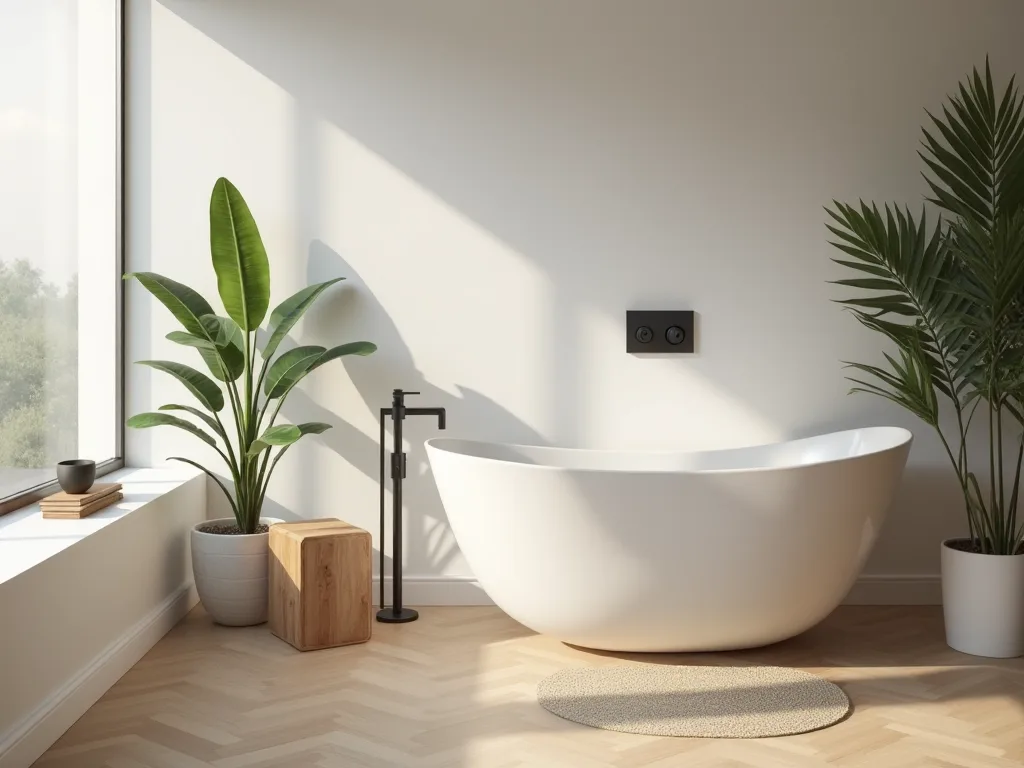
Biophilic design, which emphasizes the connection between indoor spaces and the natural world, has emerged as a significant trend in renovation projects. This approach incorporates natural materials, abundant natural light, indoor plants, and views of outdoor spaces to create environments that promote well-being and reduce stress. The growing body of research supporting the psychological and health benefits of biophilic design has made it increasingly attractive to health-conscious buyers.
Implementing biophilic design elements can range from simple additions like indoor plant displays and natural wood accents to more substantial changes such as installing larger windows, creating indoor-outdoor living spaces, or incorporating living walls. These features create a sense of tranquility and connection to nature that many buyers find highly appealing, particularly in urban environments where access to green spaces may be limited.
Flexible and Multi-Functional Spaces
The shift toward remote work and changing lifestyle patterns has increased demand for flexible, multi-functional spaces within homes. Renovations that create adaptable rooms capable of serving multiple purposes—home offices, guest rooms, fitness areas, or hobby spaces—appeal to buyers seeking versatility in their living environments. This trend has been particularly pronounced following global changes in work patterns that have made home offices essential rather than optional.
Creating flexible spaces doesn't necessarily require significant structural changes. Strategic design choices such as built-in storage, convertible furniture solutions, and thoughtful room layouts can transform ordinary spaces into multi-functional areas. The key is designing rooms that can easily transition between different uses without requiring major modifications, allowing homeowners to adapt their spaces as their needs evolve.
Analyzing the ROI Impact of Design Trends
Short-Term Trends Versus Long-Term Value
One of the most critical considerations in renovation planning is distinguishing between fleeting design fads and enduring trends that will maintain their appeal over time. While incorporating current design elements can make a property feel fresh and contemporary, over-investing in highly specific trends can result in spaces that quickly feel dated. This balance is essential for maximizing both immediate marketability and long-term value retention.
Short-term design fads often involve very specific color schemes, bold patterns, or trendy materials that may fall out of favor within a few years. While these elements might generate initial excitement, they can limit a property's appeal to future buyers who may not share the same aesthetic preferences. Examples include overly trendy tile patterns, highly specific color palettes, or design elements tied to particular cultural moments that may not have lasting relevance.
Long-term design trends, by contrast, reflect fundamental shifts in how people live and what they value in their homes. Open floor plans, energy efficiency, and quality craftsmanship are examples of trends that have demonstrated staying power because they address practical needs and preferences that transcend temporary fashion. Investing in these enduring elements typically provides better ROI because they continue to appeal to buyers years after the renovation is complete.
Market-Specific Considerations
The impact of design trends on renovation ROI varies significantly depending on local market conditions, property type, and target buyer demographics. A design approach that works exceptionally well in an urban loft may be entirely inappropriate for a suburban family home. Understanding your specific market is crucial for making design decisions that will resonate with potential buyers in your area.
Geographic location influences design preferences in numerous ways. Coastal properties might benefit from light, airy designs that emphasize indoor-outdoor living, while homes in colder climates might prioritize cozy, insulated spaces with efficient heating systems. Urban properties often benefit from space-maximizing designs and modern aesthetics, while rural or suburban homes might appeal more to buyers seeking traditional or transitional styles.
Demographic factors also play a significant role in determining which design trends will deliver the strongest ROI. Properties targeting young professionals might benefit from smart home technology and modern minimalist aesthetics, while homes aimed at families might prioritize durable materials, functional layouts, and ample storage. Understanding your target buyer's lifestyle, values, and preferences allows you to make design choices that directly address their needs and desires.
Cost-Benefit Analysis of Trending Features
Not all design trends offer equal returns on investment. Some popular features provide substantial value increases that justify their cost, while others may enhance a property's appeal without significantly impacting its market value. Conducting a thorough cost-benefit analysis before implementing trending design elements is essential for maximizing renovation ROI.
Kitchen and bathroom renovations consistently rank among the highest-ROI projects, particularly when they incorporate current design trends while maintaining broad appeal. Updating these spaces with modern fixtures, quality materials, and efficient layouts typically recovers a significant portion of the investment upon sale. However, the specific return varies based on the extent of the renovation and the quality of materials selected.
Energy-efficient upgrades often provide excellent ROI through a combination of increased property value and reduced operating costs. Features such as high-efficiency HVAC systems, improved insulation, and energy-efficient windows appeal to cost-conscious buyers while potentially qualifying for tax incentives or rebates that offset initial investment costs. These improvements also provide immediate benefits to homeowners who plan to occupy the property before selling.
Cosmetic updates, while generally less expensive than structural changes, can significantly impact a property's perceived value and marketability. Fresh paint in contemporary neutral colors, updated lighting fixtures, and modern hardware are relatively low-cost improvements that can make spaces feel current and well-maintained. These updates often provide disproportionately high returns because they dramatically improve first impressions without requiring substantial investment.
Strategic Design Elements That Maximize Renovation ROI
Neutral Color Palettes with Strategic Accents
Neutral color schemes remain one of the most reliable strategies for maximizing renovation ROI. Shades of white, gray, beige, and taupe create versatile backdrops that appeal to a wide range of buyers while allowing them to envision personalizing the space with their own furnishings and decor. This broad appeal is crucial for properties entering the competitive real estate market, where first impressions significantly influence buyer interest.
The key to successful neutral palettes lies in creating depth and interest through layering different tones and textures rather than relying on a single flat color. Combining warm and cool neutrals, incorporating varied materials, and using strategic accent colors prevents spaces from feeling sterile or boring. This approach maintains the broad appeal of neutral design while adding visual interest that makes spaces feel thoughtfully designed rather than generic.
Strategic accent colors can be introduced through easily changeable elements such as accessories, artwork, or a single accent wall. This allows renovators to incorporate current color trends without committing to bold choices that might limit future appeal. The flexibility of neutral base palettes means that as color trends evolve, simple updates can keep spaces feeling current without requiring complete renovation.
Open Floor Plans and Improved Flow
Open floor plans continue to be highly desirable among buyers, particularly for main living areas. Removing walls between kitchens, dining rooms, and living spaces creates a sense of spaciousness and facilitates social interaction—qualities that resonate strongly with modern lifestyles. This design approach has maintained its popularity because it addresses fundamental preferences for light-filled, flexible spaces that accommodate various activities and gatherings.
However, the trend toward completely open layouts is evolving to include more nuanced approaches that balance openness with defined zones. Many buyers now appreciate spaces that offer both connection and separation, allowing for different activities to occur simultaneously without complete overlap. Partial walls, strategic furniture placement, and architectural elements like columns or ceiling treatments can create subtle divisions while maintaining the benefits of an open concept.
Improving traffic flow throughout a property, regardless of whether walls are removed, significantly enhances functionality and appeal. Ensuring that rooms connect logically, eliminating awkward transitions, and creating clear pathways between spaces makes homes feel more intuitive and comfortable. These improvements may not be immediately obvious to buyers, but they contribute to an overall sense that a property is well-designed and pleasant to live in.
Quality Materials and Craftsmanship
Investing in quality materials and skilled craftsmanship consistently delivers strong ROI by creating renovations that look better, last longer, and command higher prices. While premium materials require larger upfront investments, they typically provide better long-term value through durability, timeless appeal, and the perception of luxury they create. Buyers can often distinguish between budget and quality finishes, and properties featuring superior materials tend to sell faster and at higher prices.
The selection of materials should balance quality with appropriateness for the property's overall value and target market. Installing ultra-luxury finishes in a modest neighborhood may not recover costs, while using budget materials in an upscale area can make a property feel out of place. The goal is to select materials that meet or slightly exceed buyer expectations for properties in your market segment, creating a sense of value without over-improving beyond what the market will support.
Attention to craftsmanship details—such as precise tile work, smooth paint finishes, properly aligned cabinetry, and quality hardware—elevates the overall impression of a renovation. These details signal to buyers that the work was completed with care and expertise, increasing confidence in the property's condition and reducing concerns about hidden problems. Quality craftsmanship also ensures that renovations maintain their appearance over time, protecting long-term value.
Energy Efficiency and Sustainable Features
Energy-efficient improvements offer a compelling combination of immediate utility savings and increased property value. Modern buyers increasingly prioritize operating costs when evaluating properties, making energy efficiency a significant factor in purchasing decisions. Features such as high-efficiency HVAC systems, LED lighting, programmable thermostats, and improved insulation reduce monthly expenses while appealing to environmentally conscious buyers.
The ROI of energy-efficient upgrades extends beyond direct cost recovery through increased sale prices. Many jurisdictions offer tax credits, rebates, or other incentives for energy-efficient improvements, effectively reducing the net cost of these upgrades. Additionally, energy-efficient properties may qualify for green certifications that can be used as marketing tools to attract environmentally focused buyers willing to pay premiums for sustainable homes.
Water conservation features, including low-flow fixtures, efficient irrigation systems, and drought-resistant landscaping, have become increasingly important in many markets. These improvements appeal to buyers concerned about environmental impact and utility costs while addressing growing concerns about water scarcity in many regions. The relatively low cost of many water-saving upgrades makes them attractive options for improving ROI without substantial investment.
Smart Home Technology Integration
Strategic integration of smart home technology can significantly enhance a property's appeal to tech-savvy buyers while providing practical benefits that justify the investment. The key is focusing on systems that offer clear functional advantages rather than implementing technology for its own sake. Smart thermostats, security systems, lighting controls, and door locks represent the most universally appealing smart home features because they enhance convenience, security, and efficiency.
When implementing smart home technology, compatibility and ease of use should be primary considerations. Systems that work with widely adopted platforms and can be easily controlled through intuitive interfaces appeal to a broader range of buyers than proprietary systems requiring specialized knowledge. The goal is to enhance the property's functionality without creating complexity that might intimidate less tech-savvy buyers.
Infrastructure planning for smart home technology is equally important as the devices themselves. Installing adequate electrical outlets, ensuring robust Wi-Fi coverage throughout the property, and creating discrete pathways for cables and wiring supports both current technology and future upgrades. This forward-thinking approach adds value by making properties adaptable to evolving technology without requiring disruptive modifications.
Enhanced Natural Light and Window Treatments
Maximizing natural light consistently ranks among the most impactful improvements for increasing property appeal and value. Bright, naturally lit spaces feel larger, more inviting, and more connected to the outdoors—qualities that resonate strongly with buyers. Strategies for enhancing natural light include installing larger windows, adding skylights, using reflective surfaces, and selecting light-colored finishes that amplify available light.
Window treatments should balance the desire for natural light with practical needs for privacy and light control. Modern options such as cellular shades, solar screens, and automated blinds allow homeowners to enjoy abundant natural light while maintaining flexibility to control glare and privacy as needed. These solutions appeal to buyers by demonstrating that the property's design considers both aesthetic preferences and practical functionality.
The quality and condition of windows themselves significantly impact both energy efficiency and aesthetic appeal. Replacing old, inefficient windows with modern, high-performance alternatives improves insulation, reduces noise transmission, and enhances curb appeal. While window replacement represents a substantial investment, it typically provides strong ROI through a combination of energy savings, improved comfort, and increased property value.
Functional Storage Solutions
Adequate storage consistently ranks among buyers' top priorities, yet many properties suffer from insufficient or poorly designed storage spaces. Incorporating thoughtful storage solutions throughout a renovation addresses this common pain point and significantly enhances a property's functionality and appeal. Custom closet systems, built-in shelving, pantry organization, and creative storage solutions demonstrate attention to practical needs that buyers highly value.
The most effective storage solutions maximize space efficiency while maintaining aesthetic appeal. Built-in storage that integrates seamlessly with a room's design provides functionality without cluttering visual space. Features such as window seats with hidden storage, under-stair storage systems, and multi-functional furniture demonstrate creative problem-solving that appeals to buyers seeking well-designed, practical homes.
Kitchen and bathroom storage deserve particular attention during renovations, as these spaces often suffer from the most significant storage deficiencies. Pull-out shelving, drawer organizers, medicine cabinets, and pantry systems transform these high-use areas into efficient, organized spaces. The relatively modest cost of many storage improvements compared to their significant impact on daily functionality makes them excellent ROI investments.
Room-Specific Design Strategies for Maximum ROI
Kitchen Renovations That Deliver Value
Kitchen renovations consistently provide among the highest returns on investment, but the specific approach significantly impacts the actual ROI achieved. Complete kitchen overhauls can be expensive, and not all improvements recover their costs equally. Strategic kitchen updates that focus on high-impact elements while avoiding unnecessary luxury can maximize value without excessive spending.
Cabinet updates represent one of the most transformative kitchen improvements. While custom cabinetry provides the highest quality, refacing existing cabinets or installing semi-custom options can achieve dramatic improvements at lower costs. The key is ensuring that cabinet style, color, and hardware align with current trends while maintaining timeless appeal. White or light-colored cabinets with simple, clean lines continue to offer the broadest appeal and strongest ROI.
Countertop selection significantly impacts both kitchen aesthetics and perceived value. Quartz has emerged as a popular choice that balances durability, low maintenance, and attractive appearance at a mid-range price point. While granite remains popular, quartz's non-porous surface and consistent patterning appeal to many buyers. The specific material matters less than ensuring quality installation and selecting colors and patterns that complement the overall design without being overly trendy.
Appliance upgrades should focus on energy efficiency and cohesive appearance rather than professional-grade features that most homeowners don't need. Stainless steel appliances remain the standard for broad appeal, though integrated appliances that blend with cabinetry are gaining popularity in modern designs. Energy Star-rated appliances appeal to cost-conscious buyers while supporting sustainability goals that resonate with many purchasers.
Bathroom Updates That Attract Buyers
Bathroom renovations offer excellent ROI potential, particularly when they address outdated fixtures, improve functionality, or add modern amenities. The scope of bathroom updates can range from cosmetic refreshes to complete overhauls, with the appropriate level of investment depending on the property's overall value and the condition of existing bathrooms.
Modern bathroom design emphasizes clean lines, quality fixtures, and spa-like atmospheres that promote relaxation. Floating vanities, frameless glass shower enclosures, and large-format tiles create contemporary looks that appeal to current buyers. These elements combine aesthetic appeal with practical benefits such as easier cleaning and improved functionality, making them worthwhile investments for renovation projects.
Lighting plays a crucial role in bathroom appeal and functionality. Layered lighting that combines ambient, task, and accent lighting creates versatile spaces that work well for various activities. Quality mirrors with integrated lighting, recessed ceiling fixtures, and sconce lighting around vanities provide both practical illumination and aesthetic enhancement. These relatively affordable improvements significantly impact how bathrooms are perceived and used.
Water efficiency in bathrooms appeals to environmentally conscious buyers while reducing operating costs. Low-flow toilets, efficient showerheads, and sensor-activated faucets provide water savings without sacrificing performance. Many modern fixtures incorporate water-saving technology seamlessly, allowing properties to offer sustainability benefits without compromising user experience or aesthetic appeal.
Living Spaces and Common Areas
Living rooms, family rooms, and other common areas benefit from design approaches that emphasize versatility, comfort, and visual appeal. These spaces should feel inviting and well-proportioned while accommodating various activities and furniture arrangements. The goal is creating rooms that buyers can easily imagine themselves using for their specific lifestyle needs.
Flooring choices in living areas significantly impact both aesthetics and perceived quality. Hardwood flooring remains highly desirable and typically provides excellent ROI, particularly in main living areas. Luxury vinyl plank has emerged as a cost-effective alternative that mimics hardwood appearance while offering superior durability and water resistance. The specific choice should balance budget constraints with the expectations of buyers in your target market.
Architectural details such as crown molding, wainscoting, and coffered ceilings can elevate living spaces and create a sense of craftsmanship and quality. However, these elements should be appropriate to the property's style and price point. Overly elaborate details in modest homes can feel out of place, while their absence in upscale properties may disappoint buyers expecting refined finishes.
Bedroom Design Considerations
Bedrooms should feel like peaceful retreats that promote rest and relaxation. Design choices that enhance comfort, provide adequate storage, and create calming atmospheres appeal to buyers seeking restorative personal spaces. While bedrooms typically don't require the same level of investment as kitchens or bathrooms, thoughtful updates can significantly improve a property's overall appeal.
Master bedroom suites with en-suite bathrooms and walk-in closets command premium prices and appeal strongly to buyers. When feasible, creating or enhancing master suites provides excellent ROI by addressing a highly desired feature. Even modest improvements such as adding a closet organization system or updating bathroom fixtures can significantly enhance master bedroom appeal without requiring complete renovation.
Secondary bedrooms should be sized and configured to accommodate standard furniture arrangements while providing adequate closet space. Neutral colors, quality flooring, and good lighting create versatile spaces that buyers can envision using for various purposes—children's rooms, guest rooms, home offices, or hobby spaces. This flexibility appeals to diverse buyer needs and lifestyles.
Outdoor Living Spaces
Outdoor living spaces have gained significant importance in recent years, with buyers increasingly valuing properties that extend living areas beyond interior walls. Decks, patios, outdoor kitchens, and landscaped yards create additional functional space while enhancing a property's overall appeal and lifestyle potential. The ROI of outdoor improvements varies by climate and local market preferences but can be substantial in areas where outdoor living is practical year-round.
Low-maintenance landscaping appeals to busy buyers who want attractive outdoor spaces without extensive upkeep requirements. Native plants, drought-resistant species, and automated irrigation systems create beautiful landscapes that require minimal ongoing maintenance. This approach addresses both aesthetic and practical concerns while supporting environmental sustainability through reduced water consumption and chemical use.
Outdoor lighting extends the usability of exterior spaces while enhancing security and curb appeal. Pathway lighting, accent lighting for architectural features and landscaping, and ambient lighting for entertaining areas create inviting outdoor environments. Solar-powered options provide energy-efficient solutions that appeal to environmentally conscious buyers while reducing installation complexity and operating costs.
Avoiding Common Renovation ROI Mistakes
Over-Improving for the Neighborhood
One of the most common and costly renovation mistakes is over-improving a property beyond what the local market will support. While creating a beautiful, high-end renovation may be personally satisfying, investing significantly more than comparable properties in the area makes it difficult to recover costs upon sale. Buyers typically won't pay substantial premiums for properties that exceed neighborhood norms, regardless of renovation quality.
Understanding the ceiling price for properties in your area is essential for making appropriate renovation decisions. Researching recent sales of comparable properties provides insight into what buyers are willing to pay and which features command premium prices. This information should guide renovation budgets and design choices, ensuring that improvements align with market realities rather than personal preferences that may not translate to value.
Ignoring Structural and Mechanical Issues
Focusing exclusively on aesthetic improvements while neglecting structural or mechanical issues represents a critical error that can undermine renovation ROI. Buyers and home inspectors will identify problems with foundations, roofs, plumbing, electrical systems, and HVAC equipment, regardless of how attractive the finishes appear. Addressing these fundamental issues should take priority over cosmetic updates to ensure the property's integrity and marketability.
Mechanical systems that function efficiently and reliably provide peace of mind to buyers and reduce concerns about unexpected expenses after purchase. Updating or servicing HVAC systems, water heaters, and electrical panels may not be glamorous, but these improvements significantly impact buyer confidence and willingness to pay asking prices. Properties with well-maintained systems typically sell faster and with fewer negotiation issues than those with deferred maintenance.
Following Trends Too Literally
While awareness of current design trends is important, implementing them too literally or extensively can result in spaces that quickly feel dated. Highly specific trend-driven choices—such as very particular color schemes, overly bold patterns, or niche design styles—limit a property's appeal to buyers who share those specific tastes. The most successful renovations incorporate trending elements in moderation while maintaining overall timelessness.
A balanced approach involves using trends as accents or in easily changeable elements rather than making them the foundation of the entire design. For example, incorporating trendy light fixtures or hardware allows a space to feel current without committing to permanent features that may fall out of favor. This strategy maintains flexibility and broad appeal while still demonstrating awareness of contemporary design preferences.
Neglecting Curb Appeal
First impressions significantly influence buyer interest, making curb appeal a critical factor in renovation ROI. Properties with attractive exteriors generate more showing requests and create positive expectations that carry through interior viewings. Conversely, neglected exteriors can discourage potential buyers before they even enter the property, regardless of interior quality.
Curb appeal improvements often provide excellent ROI relative to their cost. Fresh paint, updated landscaping, new front doors, modern house numbers, and improved lighting create welcoming exteriors that attract buyer attention. These relatively modest investments signal that the property has been well-maintained and cared for, increasing buyer confidence and willingness to pay premium prices.
Inadequate Budget Planning
Insufficient budget planning leads to incomplete renovations, compromised quality, or unexpected cost overruns that erode ROI. Successful renovation projects require realistic budgets that account for materials, labor, permits, contingencies for unexpected issues, and carrying costs during the renovation period. Underestimating these expenses can result in financial stress and forced compromises that diminish the final result.
Building contingency funds into renovation budgets—typically 10-20% of the total project cost—provides flexibility to address unexpected issues without derailing the entire project. Older properties particularly benefit from generous contingencies, as hidden problems often emerge during renovation work. Having financial reserves allows these issues to be properly addressed rather than creating shortcuts that compromise quality or functionality.
Measuring and Maximizing Your Renovation ROI
Calculating Expected Returns
Understanding how to calculate renovation ROI helps inform decision-making and set realistic expectations for project outcomes. The basic ROI calculation involves dividing the net profit from a renovation (sale price minus purchase price and renovation costs) by the total investment, then multiplying by 100 to express the result as a percentage. However, this simple formula should be supplemented with consideration of time invested, carrying costs, and opportunity costs of capital.
Different renovation projects offer varying ROI potential, and understanding these differences helps prioritize improvements. Industry research consistently shows that minor kitchen remodels, bathroom additions, and certain exterior improvements provide among the highest returns. However, these averages vary significantly by location, property type, and specific execution, making local market research essential for accurate projections.
Timing and Market Conditions
Market timing significantly impacts renovation ROI, as real estate market conditions influence both renovation costs and potential sale prices. Undertaking renovations during strong seller's markets can result in higher returns, as buyer competition drives prices upward. Conversely, renovating during market downturns may limit price appreciation but can offer advantages through lower material and labor costs.
Seasonal considerations also affect renovation timing and costs. Construction and renovation work typically costs more during peak seasons when contractor demand is highest. Planning projects during slower periods can result in better pricing and more contractor availability. However, this must be balanced against the desire to complete renovations in time for peak selling seasons when buyer activity is strongest.
Professional Guidance and Expertise
Engaging qualified professionals—including real estate agents, contractors, designers, and appraisers—can significantly improve renovation ROI by providing expert guidance and quality execution. While professional services represent additional costs, the value they provide through market knowledge, design expertise, and skilled craftsmanship typically justifies the investment. Poor-quality work or misguided design choices can cost far more in lost value than professional fees.
Real estate professionals offer valuable insights into local market preferences and which improvements buyers in your area most value. Their experience with comparable properties and buyer feedback provides practical guidance that can prevent costly mistakes. Consulting with agents before finalizing renovation plans helps ensure that improvements align with market demands and buyer expectations.
Quality contractors and skilled tradespeople ensure that renovations are completed to high standards that will withstand buyer scrutiny and home inspections. While hiring the lowest-cost contractor may seem financially prudent, poor workmanship can result in callbacks, repairs, and diminished property value that far exceed any initial savings. Investing in qualified professionals protects renovation investments and ensures quality results.
Future-Proofing Your Renovation Investment
Adaptable Design Approaches
Creating renovations that can adapt to changing needs and preferences helps protect long-term value and appeal. Flexible spaces that can serve multiple purposes, neutral design foundations that accommodate various decorating styles, and infrastructure that supports future technology upgrades ensure that properties remain relevant as lifestyles and expectations evolve.
Universal design principles that accommodate users of all ages and abilities increasingly appeal to buyers thinking about long-term livability. Features such as wider doorways, zero-threshold showers, lever-style door handles, and main-floor bedroom suites provide immediate benefits while supporting aging in place. These elements broaden a property's appeal to diverse buyer demographics without appearing institutional or overly specialized.
Sustainable and Durable Choices
Selecting durable materials and sustainable building practices protects renovation investments by ensuring that improvements maintain their appearance and functionality over time. While initial costs may be higher for quality materials, their longevity and reduced maintenance requirements provide better long-term value than cheaper alternatives that require frequent replacement or repair.
Sustainability considerations extend beyond environmental benefits to encompass economic advantages through reduced operating costs and increased property value. As energy costs rise and environmental awareness grows, properties with sustainable features become increasingly attractive to buyers. Investing in sustainability now positions properties favorably for future market conditions where these features may become expected rather than exceptional.
Maintaining Renovation Quality
Proper maintenance of renovated spaces preserves their value and appeal over time. Providing documentation of improvements, maintaining warranties, and addressing minor issues promptly prevents small problems from becoming major defects that diminish property value. For investment properties, establishing maintenance schedules and quality standards ensures that renovations continue to attract tenants and command premium rents.
Creating maintenance records and keeping receipts for renovation work provides valuable documentation for future sales. Buyers appreciate detailed records that demonstrate proper maintenance and quality improvements, increasing confidence in the property's condition. This documentation can also support higher asking prices by providing evidence of the value invested in the property.
Key Takeaways for Maximizing Design Trend ROI
Successfully leveraging design trends to maximize renovation ROI requires a strategic approach that balances current preferences with timeless appeal. Understanding your target market, local real estate conditions, and the specific characteristics of your property provides the foundation for making informed renovation decisions that deliver strong returns.
The most successful renovations focus on improvements that address fundamental buyer priorities: functionality, quality, efficiency, and aesthetic appeal. While incorporating current design trends can enhance marketability, these elements should complement rather than dominate the overall design approach. Neutral foundations with strategic trend-driven accents provide the flexibility to appeal to diverse buyers while maintaining contemporary relevance.
Quality execution matters as much as design choices in determining renovation ROI. Skilled craftsmanship, attention to detail, and proper material selection ensure that improvements maintain their appeal and functionality over time. Cutting corners to reduce costs typically proves counterproductive, as buyers recognize and discount poor-quality work regardless of design choices.
Avoiding common renovation mistakes—such as over-improving for the neighborhood, neglecting structural issues, or following trends too literally—protects your investment and ensures that renovation dollars translate to increased property value. Careful planning, realistic budgeting, and professional guidance help navigate the complexities of renovation projects and maximize returns.
Ultimately, the goal of incorporating design trends into renovation projects is creating properties that appeal to current buyers while maintaining long-term value. By understanding which trends offer enduring appeal and which represent passing fads, you can make strategic choices that enhance both immediate marketability and sustained property value. For more insights on home improvement and real estate trends, resources like Houzz and National Association of Realtors provide valuable research and guidance.
Essential Design Elements for Optimal ROI
- Neutral color palettes that provide broad appeal while allowing personalization through accents and accessories
- Energy-efficient appliances and systems that reduce operating costs and attract environmentally conscious buyers
- Open floor plans with defined zones that balance spaciousness with functional separation of living areas
- Smart home technology focused on practical applications like security, climate control, and lighting automation
- Quality materials and craftsmanship that ensure durability and create lasting impressions of value
- Enhanced natural lighting through strategic window placement, skylights, and reflective surfaces
- Functional storage solutions that maximize space efficiency without compromising aesthetic appeal
- Updated kitchens and bathrooms featuring modern fixtures, efficient layouts, and quality finishes
- Low-maintenance landscaping that creates attractive outdoor spaces without excessive upkeep requirements
- Flexible multi-functional spaces that adapt to changing needs and diverse lifestyle preferences
By thoughtfully incorporating these elements into your renovation strategy, you can create properties that resonate with current buyer preferences while maintaining the timeless qualities that ensure long-term value. The key to renovation success lies not in chasing every passing trend but in understanding which design movements reflect fundamental shifts in how people live and what they value in their homes. This discernment, combined with quality execution and strategic planning, positions your renovation investment for maximum returns in both the immediate and long-term real estate market.
Whether you're renovating a property for personal use or as an investment, the principles of balancing trend awareness with timeless design remain constant. By focusing on improvements that enhance functionality, appeal to broad buyer demographics, and demonstrate quality and care, you create properties that stand out in competitive markets and command premium prices. The intersection of current design trends and strategic renovation planning offers tremendous opportunity for those willing to invest the time and resources to understand their market and execute thoughtfully planned improvements.
For additional guidance on renovation planning and design trends, consulting resources like This Old House and Architectural Digest can provide inspiration and practical advice. Remember that successful renovations result from careful planning, market awareness, quality execution, and the wisdom to distinguish between fleeting fads and enduring design principles that truly enhance property value and appeal.