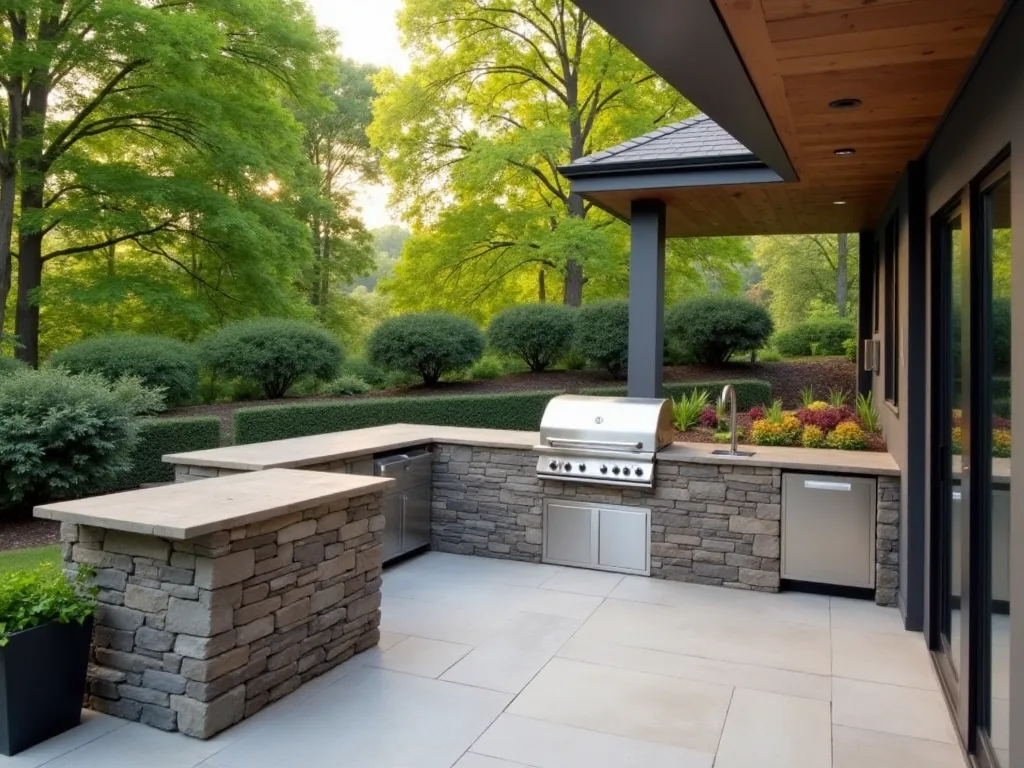
Table of Contents
Outdoor kitchens have evolved from simple grilling stations into sophisticated entertainment hubs that significantly enhance property value and transform how homeowners use their outdoor spaces. Outdoor kitchens are no longer just about grilling burgers—they've become centers of alfresco entertaining, family gatherings, and personal retreats designed for comfort, convenience, and connection. For homeowners looking to sell or simply maximize their investment, creating a functional outdoor kitchen requires strategic planning, quality materials, and an understanding of what today's buyers truly want.
The Growing Appeal of Outdoor Kitchens in Today's Real Estate Market
The US outdoor kitchen market size was valued at USD 9.5 billion in 2025 and is projected to reach USD 10 billion in 2026. This remarkable growth reflects a fundamental shift in how homeowners view their outdoor spaces. Rather than treating backyards as afterthoughts, modern buyers seek properties that offer complete outdoor living experiences rivaling their interior spaces in both functionality and style.
The biggest theme for 2026 is simple: outdoor kitchens should look like real kitchens, and perform like outdoor products. Trends like smart tech, chef-level appliances, and seamless indoor-outdoor style only pay off when the foundation is built for weather, wear, and real-life use. This evolution means that outdoor kitchens are no longer luxury amenities reserved for high-end properties—they've entered the mainstream, appearing in homes across all price points and sizes.
Understanding the Return on Investment for Outdoor Kitchens
One of the most compelling reasons to invest in an outdoor kitchen is the potential return on investment. Various sources estimate the ROI of an outdoor kitchen to be between 55% and 200 percent. This wide range depends on several critical factors including location, quality of materials, design complexity, and local market conditions.
Regional Variations in ROI
In warmer regions like Florida, California, and the southern U.S., outdoor kitchens are a highly sought-after feature. Homebuyers in these areas expect outdoor spaces that allow them to take advantage of the pleasant weather, and a well-designed outdoor kitchen can make a big difference in a home's appeal. The climate advantage translates directly into higher returns, as these spaces can be utilized year-round rather than seasonally.
The return on investment for outdoor kitchens in Dallas-Fort Worth typically ranges from 55% to 200%, depending on several crucial factors. The higher ROI in DFW compared to the national average stems from our climate advantage, with over 230 sunny days annually and mild winters, outdoor kitchens here get year-round use, unlike in many other markets. Even in colder climates, outdoor kitchens can add value when designed with features like heating elements or covered structures that extend usability beyond summer months.
How Outdoor Kitchens Impact Property Value
An outdoor kitchen can increase the value of your home by 5% to 20% of your home's current market value, depending on the quality and location. This substantial increase makes outdoor kitchens one of the most valuable home improvements available to property owners. Beyond the numerical value, outdoor kitchens also provide intangible benefits that accelerate sales and attract premium buyers.
A survey from the National Association of Realtors (NAR) found that 83% of Realtors say outdoor kitchens are a top feature in increasing a home's resale value. This professional consensus underscores the importance of outdoor kitchens in today's competitive real estate market, where distinctive features can make the difference between a property that languishes and one that sells quickly at asking price or above.
Essential Features of a Functional Outdoor Kitchen
Creating an outdoor kitchen that appeals to homebuyers requires more than simply installing a grill and calling it complete. Modern outdoor kitchens incorporate multiple functional zones and high-quality components that work together to create a seamless cooking and entertaining experience.
Cooking Equipment and Appliances
The heart of any outdoor kitchen is its cooking equipment. A built-in grill is a very attractive prospect to a new homebuyer. No need to buy a standalone grill if there's already a great one in your backyard! However, today's outdoor kitchens go far beyond basic grilling capabilities.
Professional kitchen features that define these spaces include a built-in grill with multiple burners and heat zones, infrared searing stations for restaurant-quality results, and rotisserie systems. Many homeowners are adding pizza ovens for wood-fired pizza nights, while dedicated smoker boxes or separate smoking units allow for low and slow cooking. These chef-level features transform outdoor kitchens from simple grilling stations into complete culinary workspaces.
Proper ventilation is critical for outdoor cooking spaces. The best range hoods for these spaces are going to be High-CFM outdoor-rated range hoods, typically made with durable 304 stainless steel. Quality ventilation systems keep cooking areas comfortable and smoke-free, allowing hosts to focus on their guests rather than managing smoke and heat.
Refrigeration and Cold Storage
In years past, mini fridges were tossed in as an afterthought. In 2026, they're part of the core plan. Modern outdoor kitchens integrate refrigeration as an essential component rather than an optional add-on. This includes outdoor-rated refrigerators, beverage centers, and ice makers that eliminate constant trips to the indoor kitchen.
Luxury outdoor kitchens now include full drink stations—making it easier to host without running inside every 10 minutes. Dedicated beverage stations with wine coolers, keg taps, and cocktail preparation areas have become increasingly popular, particularly among homeowners who frequently entertain. These features create self-sufficient outdoor spaces where everything needed for a complete gathering is readily accessible.
Countertops and Work Surfaces
Adequate counter space is non-negotiable in functional outdoor kitchens. Homeowners need sufficient room for food preparation, plating, and serving without feeling cramped or disorganized. The materials selected for these surfaces must balance aesthetic appeal with practical durability.
Granite, quartz, or other durable stone surfaces hold their value and withstand harsh elements. Choose materials that are both functional and elegant. These premium materials resist staining, heat damage, and weather-related deterioration while maintaining their appearance over years of use. Natural quartzite and engineered quartz have emerged as particularly popular choices, offering the look of natural stone with enhanced durability and lower maintenance requirements.
Eco-conscious choices are still rising, think reclaimed wood accents for warmth, plus local stone and engineered quartz countertop surfaces that deliver a clean look with everyday durability. Sustainable material choices appeal to environmentally conscious buyers while providing the performance characteristics necessary for outdoor use.
Storage Solutions
Smart storage is what makes an outdoor kitchen feel real—and functional. Storage isn't the flashiest part of the build—but it's what separates a pretty patio from a truly usable modern outdoor kitchen. Adequate storage keeps outdoor kitchens organized and clutter-free, essential for both daily use and showcasing the space to potential buyers.
A well-planned cabinet system makes it easier to add the upgrades homeowners want most, organized storage, built-in appliances, and a clean, cohesive look. Modern outdoor kitchen storage includes deep drawers for grill tools and utensils, dedicated spaces for serving ware and entertaining supplies, weatherproof cabinets for cleaning products, and specialized storage for trash and recycling.
Werever's cabinets are built from UV-stabilized High-Density Polyethylene (HDPE), chosen specifically because it's durable, low-maintenance, and waterproof and weatherproof. HDPE is also resistant to chipping/peeling and is designed for long-term performance outdoors. Material selection for cabinetry is crucial, as outdoor storage must withstand temperature fluctuations, moisture, UV exposure, and frequent use without deteriorating.
Sinks and Plumbing
Incorporating a sink into an outdoor kitchen dramatically improves functionality and convenience. Outdoor sinks enable food preparation, hand washing, and cleanup without requiring trips indoors. This feature is particularly valuable during large gatherings when the indoor kitchen may already be in use.
When planning plumbing for outdoor kitchens, consider both hot and cold water access, proper drainage systems, and winterization requirements in colder climates. Stainless steel sinks designed for outdoor use resist corrosion and maintain their appearance despite constant exposure to the elements. Some homeowners also incorporate pot fillers near cooking areas for added convenience when preparing pasta, soups, or other water-intensive dishes.
Design Principles for Maximum Appeal and Functionality
The layout and design of an outdoor kitchen significantly impact both its usability and its appeal to potential buyers. Thoughtful design creates efficient workflows, comfortable entertaining spaces, and visual harmony with the surrounding property.
Layout and Work Triangle Concepts
Designers are mirroring indoor kitchen layouts outdoors with dedicated cooking, prep, and storage zones that support real functionality. The classic kitchen work triangle—positioning the grill, refrigerator, and sink in a triangular arrangement—creates efficient movement patterns that minimize wasted steps and maximize productivity.
Keep prep, cooking, and serving areas separate to avoid crowding. This separation is particularly important during gatherings when multiple people may be working in the outdoor kitchen simultaneously. Distinct zones allow one person to grill while another prepares salads or mixes drinks without interfering with each other's workflow.
Creating Seamless Indoor-Outdoor Flow
One of the most influential trends in luxury residential design is the desire for continuity between interior and exterior spaces. Homeowners increasingly want their outdoor kitchen to feel like a natural extension of the home's architecture and design language. This continuity creates a cohesive living experience that makes properties feel larger and more thoughtfully designed.
The key to achieving this seamless flow is using matching or complementary materials between your indoor kitchen and outdoor spaces. Consider using natural stone or a similar countertop material for both areas, along with cabinetry styles and color schemes that tie the spaces together. Visual consistency between indoor and outdoor kitchens creates a sophisticated, intentional aesthetic that appeals to discerning buyers.
The result is an outdoor living space that feels like a true extension of the home, blending kitchen functionality, lounge comfort, and architectural style. This integration extends beyond materials to include architectural elements like rooflines, door and window placements, and sightlines that connect indoor and outdoor spaces visually and functionally.
Lighting Design for Functionality and Ambiance
Proper lighting transforms outdoor kitchens from daytime-only spaces into versatile areas usable well into the evening hours. A comprehensive lighting plan incorporates multiple layers including task lighting, ambient lighting, and accent lighting.
Quality lighting boosts usability and ambiance—two things buyers notice right away. Include task lighting, ambient lighting, and outlets for additional versatility. Task lighting illuminates work surfaces, grills, and prep areas, ensuring safe and efficient cooking after dark. Ambient lighting creates overall illumination for the space, while accent lighting highlights architectural features, landscaping, or decorative elements.
More outdoor kitchens are integrating tech in subtle, useful ways. Examples of smart technology features: Smart lighting systems that can dim, change color, or be controlled via app. Smart lighting systems offer convenience and customization, allowing homeowners to adjust brightness and color temperature to suit different occasions and moods. These systems can be programmed for automatic operation or controlled remotely via smartphone apps.
Weather Protection and Shade Structures
Outdoor spaces designed for regular use in nonideal conditions are a popular trend in custom homes. Homebuyers are looking for spaces that offer weather protection and real lighting and heating to extend usability. Covered structures, pergolas, and pavilions protect outdoor kitchens from sun and rain while extending the usable season in regions with variable weather.
Homeowners are incorporating shade and shelter features that support year-round functionality. These structures range from simple fabric awnings to permanent roofed pavilions with integrated ceiling fans and heaters. The level of weather protection should match the local climate and the homeowner's intended use patterns.
Grills need proper ventilation, especially if under a roof or pergola. When incorporating overhead structures, ensure adequate ventilation to prevent smoke accumulation and comply with local building codes. This may require installing commercial-grade vent hoods or designing structures with sufficient open space for natural air circulation.
Minimalist and Timeless Design Aesthetics
While outdoor kitchens are becoming more sophisticated, their aesthetic is moving in a more restrained direction. Minimalist design—defined by clean lines, precise proportions, and refined material palettes—continues to dominate modern outdoor living spaces. This design philosophy creates spaces that feel calm, uncluttered, and timeless rather than trendy.
Clean lines, calm palettes, and organic textures are showing up everywhere right now, especially outdoors, because they make a space feel serene, low-maintenance, and timeless. And for 2026, that whole mood clicks perfectly with Pantone's Color of the Year, Cloud Dancer (PANTONE 11-4201), a soft, airy white that reads fresh and breathable rather than stark. Neutral color palettes provide versatility and broad appeal, allowing homeowners to personalize spaces with accessories and furnishings without committing to bold permanent choices.
Popular Features That Increase Buyer Appeal
Beyond the essential components, certain features significantly enhance an outdoor kitchen's appeal to potential buyers. These elements transform functional cooking spaces into complete outdoor living destinations.
Built-In Grills and Cooking Stations
Built-in grills represent a significant upgrade over portable alternatives. Make sure the grill compliments the aesthetics of the outdoor kitchen. Also, ensure that you choose a grill with long-lasting features and minimal maintenance requirements. High-quality built-in grills from reputable manufacturers offer superior performance, durability, and warranty coverage compared to standalone units.
Grills are getting serious upgrades—and they're not alone. The outdoor kitchen of 2026 is chef-level, not campfire-level. Premium grills feature multiple burners with independent temperature controls, rotisserie capabilities, infrared searing zones, and integrated smoker boxes. These features enable serious outdoor cooking that rivals indoor kitchen capabilities.
Integrated Seating and Dining Areas
In 2026, the best outdoor kitchens don't stand alone—they're integrated into full outdoor living spaces. Successful outdoor kitchens incorporate adjacent seating and dining areas that create complete entertainment zones. This integration might include built-in bench seating, bar-height counters with stools, or nearby dining tables positioned for easy serving from the kitchen.
Designers are incorporating generous prep surfaces, integrated grills, refrigeration, and dedicated beverage stations that allow hosts to cook and serve without stepping away from their guests. CUBIC allows designers to configure these spaces in a way that prioritizes both workflow and social interaction, creating environments that are equally suited for casual weeknight meals or larger celebrations. This social orientation ensures that cooks remain part of the gathering rather than isolated in a separate cooking area.
Fire Features and Heating Elements
Fire pits and outdoor fireplaces extend the usability of outdoor spaces into cooler months while creating focal points for gathering. These features add warmth, ambiance, and visual interest to outdoor living areas. Fire features range from simple portable fire pits to elaborate built-in fireplaces with stone surrounds and integrated seating.
Most estimates see homeowners recouping 78% of the costs associated with building a fire pit, especially one with natural gas running to it. Natural gas fire features offer convenience and cleanliness compared to wood-burning alternatives, with instant ignition and adjustable flame height. They also eliminate the need for wood storage and ash cleanup.
Infrared heaters, patio heaters, and heated flooring systems provide additional warmth options that make outdoor kitchens comfortable even in cooler weather. These heating solutions allow homeowners in temperate climates to use their outdoor kitchens year-round rather than limiting them to summer months.
Smart Technology Integration
Smart technology is transforming outdoor kitchens from rustic grilling corners into fully connected culinary workstations. In 2026, homeowners are embracing systems that offer greater convenience, efficiency, and control. Technology integration in outdoor kitchens mirrors trends in indoor spaces, with connected appliances, automated systems, and remote controls becoming increasingly common.
Rising demand for connected living drives the transition from basic grills to smart outdoor kitchens with app-controlled monitoring and lighting, resulting in seamless indoor–outdoor technology integration and higher appeal among premium and younger homeowners. Smart grills with temperature monitoring, automated cooking programs, and smartphone notifications allow precise control over cooking processes. Integrated sound systems, weatherproof televisions, and Wi-Fi connectivity create entertainment-rich environments.
The goal: convenience without clutter. But one or two smart features can dramatically improve usability and comfort. The key is selecting technology that enhances functionality without overwhelming the space or creating maintenance headaches. Focus on features that solve real problems or significantly improve the user experience rather than adding technology for its own sake.
Outdoor Bars and Beverage Stations
Another growing trend is the addition of dedicated outdoor bar areas. Rather than placing drinks and glassware inside the main kitchen, homeowners are choosing to create fully functional bar spaces that support cocktail preparation and relaxed entertaining outdoors. Dedicated bar areas include features like ice makers, beverage refrigerators, wine storage, and ample counter space for drink preparation.
Bar areas can be integrated into the main outdoor kitchen or positioned as separate stations near pools, fire pits, or lounge areas. This flexibility allows homeowners to create multiple gathering points throughout their outdoor spaces, distributing guests naturally and preventing crowding in any single area.
Weather-Resistant Furniture and Accessories
High-quality outdoor furniture completes the outdoor kitchen experience and demonstrates to potential buyers that the space is ready for immediate use. Weather-resistant materials like marine-grade polymer, powder-coated aluminum, and solution-dyed acrylic fabrics maintain their appearance despite constant exposure to sun, rain, and temperature fluctuations.
Furniture selections should balance comfort, durability, and style. Modular seating arrangements offer flexibility for different gathering sizes, while built-in benches with storage compartments maximize space efficiency. Cushions and pillows in fade-resistant fabrics add comfort and color while withstanding outdoor conditions.
Material Selection for Durability and Aesthetics
The materials used in outdoor kitchen construction directly impact both longevity and visual appeal. Selecting appropriate materials ensures that outdoor kitchens maintain their functionality and appearance over years of use and exposure to the elements.
Countertop Materials
Outdoor countertops must resist heat, staining, moisture, and UV exposure while maintaining their aesthetic appeal. Granite remains a popular choice due to its natural beauty, heat resistance, and durability. Each granite slab features unique patterns and colors, creating one-of-a-kind installations.
Engineered quartz offers consistent coloring and patterning with enhanced stain resistance compared to natural stone. Modern quartz products mimic the appearance of marble, concrete, and other materials while providing superior performance characteristics. Quartzite, a natural stone harder than granite, provides exceptional durability with striking visual appeal.
Concrete countertops offer design flexibility with custom colors, textures, and integrated features like drainboards or trivets. Properly sealed concrete resists staining and weathering while developing a unique patina over time. Stainless steel provides a professional, commercial-kitchen aesthetic with excellent heat resistance and easy maintenance.
Cabinet and Storage Materials
Traditional wood cabinetry struggles in outdoor environments, succumbing to moisture damage, warping, and insect infestation. Modern outdoor kitchens utilize materials specifically engineered for exterior use. Stainless steel cabinets offer durability and a professional appearance but can show fingerprints and may heat up in direct sunlight.
Marine-grade polymer cabinets resist moisture, UV damage, and temperature extremes without fading, cracking, or deteriorating. These materials require minimal maintenance and come in various colors and styles to complement different design aesthetics. Powder-coated aluminum provides lightweight strength with excellent corrosion resistance.
Exposure to harsh weather conditions pushes manufacturers to adopt marine-grade materials and climate-resistant appliances, resulting in longer product lifespans and stronger adoption in coastal and humid regions. In particularly challenging environments like coastal areas with salt air or regions with extreme temperature swings, material selection becomes even more critical to long-term performance.
Flooring and Hardscape Options
The flooring surrounding an outdoor kitchen must provide safe, stable footing while complementing the overall design. Natural stone pavers offer timeless beauty with excellent durability and slip resistance. Options include travertine, bluestone, flagstone, and slate, each with distinct colors and textures.
Porcelain pavers designed for outdoor use provide the appearance of natural stone or wood with enhanced durability and lower maintenance. These products resist staining, fading, and moisture absorption while offering consistent sizing for easier installation. Stamped and stained concrete creates custom patterns and colors at a lower cost than natural stone.
Brick pavers provide classic appeal with excellent durability and a wide range of patterns and colors. Permeable paving options allow water drainage, reducing runoff and preventing puddles in outdoor kitchen areas. Non-slip surfaces are essential near cooking areas where spills may occur.
Sustainable and Eco-Friendly Material Choices
Growing environmental awareness encourages the use of recycled and sustainably sourced materials in outdoor kitchens, resulting in alignment with green building trends and increased demand from eco-conscious premium buyers. Sustainable material choices appeal to environmentally conscious buyers while often providing excellent performance characteristics.
Eco-conscious materials and design are shifting from nice-to-have to non-negotiable. Outdoor kitchens are getting smarter about water usage, power sources, and local sourcing. This includes selecting locally sourced stone to reduce transportation impacts, choosing recycled content materials, and specifying energy-efficient appliances and LED lighting.
Reclaimed wood accents add warmth and character while giving new life to salvaged materials. Recycled glass countertops and composite decking made from recycled plastics and wood fibers combine sustainability with durability. These choices demonstrate environmental responsibility without sacrificing quality or aesthetics.
Planning and Design Considerations
Successful outdoor kitchen projects require careful planning that addresses practical, aesthetic, and regulatory considerations. Thorough planning prevents costly mistakes and ensures the finished space meets both current needs and future buyer expectations.
Budget Planning and Cost Management
Outdoor kitchens aren't cheap. Depending on the size, materials, and appliances you choose, an outdoor kitchen can cost anywhere from $10,000 to well over $50,000. Understanding the cost spectrum helps homeowners make informed decisions about which features to prioritize and where to allocate resources for maximum impact.
If you invest in a fully-equipped, high-end outdoor kitchen with professional-grade grills, built-in refrigerators, a pizza oven, and ample counter space, you could expect an ROI in the 70% to 100% range. In some luxury markets, the ROI might even exceed 100%, meaning you could recoup more than you spent on the project. This potential for full cost recovery or even profit makes outdoor kitchens attractive investments, particularly in markets where outdoor living is highly valued.
Budget planning should account for all project components including site preparation, utilities installation, structural elements, appliances, finishes, and landscaping integration. Building in a contingency of 10-20% helps accommodate unexpected issues or desired upgrades discovered during construction.
Utility Requirements and Infrastructure
Outdoor kitchens require access to multiple utilities including electricity, gas, and water. Planning utility runs early in the design process prevents costly modifications later. Electrical service must provide adequate capacity for appliances, lighting, and outlets, typically requiring dedicated circuits and GFCI protection for safety.
Natural gas or propane lines fuel grills, side burners, and heating elements. Professional installation ensures proper sizing, pressure regulation, and safety compliance. Water supply lines must be properly sized for sinks, ice makers, and any other plumbing fixtures, with consideration for winterization in cold climates to prevent freeze damage.
Drainage systems handle wastewater from sinks and prevent water accumulation in the outdoor kitchen area. This may involve connecting to existing sewer or septic systems or installing dedicated drainage solutions. Proper grading ensures water flows away from structures and doesn't pool in cooking or seating areas.
Building Codes and Permit Requirements
Most outdoor kitchen projects require building permits and must comply with local codes governing structure, electrical, plumbing, and gas installations. Working with licensed contractors familiar with local requirements helps ensure compliance and avoid costly corrections or legal issues.
Setback requirements dictate how close structures can be built to property lines, while height restrictions may limit overhead structures. Fire safety codes specify clearances around cooking equipment and may require specific ventilation systems or fire suppression equipment. Zoning regulations might restrict certain features or require special approvals in some neighborhoods.
Homeowners associations often have additional requirements regarding outdoor structures, materials, and aesthetics. Reviewing HOA guidelines before beginning design work prevents conflicts and ensures the finished project complies with community standards.
Site Selection and Orientation
The location of an outdoor kitchen significantly impacts its functionality and appeal. Ideal locations provide convenient access to the indoor kitchen while maintaining appropriate distance from living areas to prevent smoke and cooking odors from entering the home. Proximity to dining and entertaining areas creates natural flow between cooking and socializing.
Sun exposure affects comfort and usability throughout the day and across seasons. Morning sun may be pleasant for breakfast preparation, while afternoon shade keeps cooking areas comfortable during peak heat. Prevailing wind patterns influence smoke dispersal and should be considered when positioning grills and seating areas.
Views and privacy considerations shape the outdoor kitchen experience. Positioning the kitchen to take advantage of attractive views enhances enjoyment, while screening from neighbors maintains privacy. Integration with existing landscaping, pools, or other outdoor features creates cohesive outdoor living environments.
Modular and Phased Installation Approaches
With the modular nature of Necessories kits for outdoor kitchens, it's easy to add or reconfigure components to fit under existing pergolas or rooflines without starting from scratch. Modular systems offer flexibility for homeowners who want to start with essential components and expand over time as budget allows or needs evolve.
You don't need to install everything at once. Phasing your project can help control costs while still adding value. Prioritize durable core elements—like cabinetry and grills—before expanding into secondary features over time. This approach makes outdoor kitchens accessible to more homeowners while allowing the space to grow with changing needs and preferences.
A phased approach might begin with a quality grill and basic counter space, then add refrigeration and storage in a second phase, followed by enhanced features like pizza ovens, bars, or fire features. This strategy spreads costs over time while ensuring each phase delivers functional improvements.
Maintenance and Long-Term Care
Proper maintenance preserves outdoor kitchen functionality and appearance while protecting the investment value. Establishing regular maintenance routines prevents minor issues from becoming major problems and extends the lifespan of all components.
Routine Cleaning and Upkeep
Regular cleaning maintains outdoor kitchens in showroom condition. Countertops should be wiped down after each use and periodically deep cleaned according to material-specific recommendations. Stainless steel surfaces require specialized cleaners to prevent streaking and maintain their luster. Stone countertops benefit from periodic resealing to maintain stain resistance.
Grills require regular cleaning to prevent grease buildup and maintain performance. This includes cleaning grates, burners, and grease traps according to manufacturer recommendations. Cabinet exteriors should be cleaned periodically to remove dirt, pollen, and other environmental contaminants.
Drainage systems need periodic inspection and cleaning to prevent clogs. Outdoor sinks and faucets should be checked for leaks and proper operation. Lighting fixtures require bulb replacement and cleaning to maintain optimal illumination.
Seasonal Maintenance Tasks
Seasonal maintenance addresses weather-related concerns and prepares outdoor kitchens for changing conditions. Spring preparation includes deep cleaning after winter, checking all systems for proper operation, and refreshing any weathered finishes. This is an ideal time to inspect for winter damage and make necessary repairs.
Summer maintenance focuses on keeping systems running smoothly during peak use. This includes monitoring refrigeration performance, ensuring adequate propane or natural gas supply, and maintaining comfortable conditions with fans or misters during extreme heat.
Fall preparation involves cleaning and covering furniture, checking weather seals, and preparing for reduced use. In cold climates, winterization is essential to prevent freeze damage to plumbing systems. This includes draining water lines, protecting appliances with covers, and securing loose items against winter storms.
Protecting Your Investment
Protective measures extend the life of outdoor kitchen components and maintain their appearance. Appliance covers protect grills, refrigerators, and other equipment from weather when not in use. Quality covers designed for specific models provide the best protection while allowing moisture to escape and preventing mildew.
Furniture covers or storage protects seating and accessories during extended periods of non-use or severe weather. Cushions and pillows should be stored indoors or in weatherproof containers when not in use to prevent fading and moisture damage.
Regular inspections identify potential issues before they become serious problems. Check for loose fasteners, damaged seals, rust or corrosion, and any signs of pest activity. Addressing these issues promptly prevents more extensive and expensive repairs later.
Trends Shaping Outdoor Kitchens in 2026 and Beyond
Understanding current and emerging trends helps homeowners create outdoor kitchens that appeal to today's buyers while remaining relevant for years to come. These trends reflect changing lifestyles, technological advances, and evolving design preferences.
Open-Concept Outdoor Living Spaces
These open concept outdoor kitchens really open up a space and give plenty of room for hosting and grilling. It's a great way to utilize and increase your home's value if you have the space. Open layouts maximize outdoor space and create natural flow between cooking, dining, and lounging areas.
The open-concept kitchen appears here to stay in 2026. Loguidice said buyers continue to look for "a kitchen that blends well with the living and dining space to offer a spacious living experience." Liguori called the open, social layout "exceptionally important." Buyers want kitchens that "flow into dining and outdoor areas, anchored by large, multifunctional islands." This design philosophy creates spaces where cooking becomes a social activity rather than an isolated task.
Chef-Level Functionality
You're not just flipping burgers anymore. You're serving up steaks, seafood towers, charred veggies, maybe even a full Thanksgiving dinner. Modern outdoor kitchens support serious culinary endeavors with professional-grade equipment and comprehensive functionality.
This trend includes multiple cooking methods beyond traditional grilling—pizza ovens, smokers, griddles, and side burners that enable diverse menu options. Adequate prep space, proper refrigeration, and organized storage support complex meal preparation. The goal is creating outdoor kitchens capable of handling complete meals from appetizers through desserts without requiring trips to the indoor kitchen.
Wellness and Lifestyle Integration
In 2026, the boundaries between indoor and outdoor living continue to blur, as more homeowners transform their backyards into fully functional, wellness-focused extensions of their home. From shaded patios and covered decks to multifunctional outdoor bars and fire pit lounges, homeowners are reimagining their outdoor spaces as all-season hubs for family, friends, and wellness. Outdoor kitchens contribute to healthier lifestyles by encouraging outdoor time, facilitating fresh food preparation, and creating spaces for social connection.
This wellness focus extends to material choices that minimize environmental impact, energy-efficient appliances that reduce resource consumption, and designs that promote relaxation and stress reduction. Outdoor kitchens become part of holistic approaches to healthy living rather than simply cooking spaces.
Compact and Efficient Designs
Flexibility is becoming increasingly important in outdoor design, especially for spaces where homeowners want the option to conceal certain functions when not in use. Designers are embracing the concept of a "kitchen in a cupboard"—a compact outdoor unit that houses essential cooking or preparation elements behind doors. When opened, it functions as a fully equipped prep station or bar. When closed, it presents a clean, architectural façade that blends seamlessly with the surrounding environment. This approach is especially well-suited to terraces, smaller patios, or areas where homeowners prefer a more discreet design when entertaining concludes.
Not every property has space for expansive outdoor kitchens, but compact designs can deliver impressive functionality in limited areas. Careful planning maximizes every square foot, with multi-functional elements and clever storage solutions creating capable cooking spaces in surprisingly small footprints.
Personalization and Customization
While certain features have broad appeal, successful outdoor kitchens reflect the specific needs and preferences of their owners. Customization might include specialized equipment for particular cooking styles, integrated entertainment systems for sports enthusiasts, or extensive bar facilities for cocktail aficionados.
This personalization extends to aesthetic choices that reflect individual style while maintaining broad market appeal. The balance between personal expression and universal attractiveness ensures outdoor kitchens serve current owners while remaining attractive to future buyers.
Marketing Your Home's Outdoor Kitchen
When the time comes to sell, effectively marketing an outdoor kitchen maximizes its impact on buyer interest and property value. Professional presentation showcases the space's potential and justifies premium pricing.
Professional Photography and Staging
High-quality photography captures outdoor kitchens at their best, highlighting features and creating emotional connections with potential buyers. Professional photographers understand lighting, angles, and composition that showcase spaces effectively. Scheduling photography during optimal lighting conditions—typically early morning or late afternoon—creates warm, inviting images.
Staging outdoor kitchens for photography and showings demonstrates their functionality and lifestyle potential. This might include setting the table for an elegant dinner, arranging fresh ingredients on counters, or creating cozy seating arrangements with throws and pillows. The goal is helping buyers envision themselves using and enjoying the space.
Highlighting Features in Listings
Property listings should specifically mention outdoor kitchen features and their benefits. Rather than simply stating "outdoor kitchen," detailed descriptions highlight specific amenities: "Chef's outdoor kitchen featuring 48-inch professional-grade gas grill, refrigerated beverage center, granite countertops, and custom cabinetry under covered pavilion with ceiling fans and lighting."
Emphasize how the outdoor kitchen enhances lifestyle—perfect for entertaining, extends living space, creates resort-style atmosphere. Quantify features when possible: square footage of counter space, BTU rating of grills, capacity of refrigeration. These specifics help buyers understand the quality and capability of the installation.
Timing Your Sale
Timing your home sale correctly can impact how much return you see on your outdoor kitchen investment. Consult with a local real estate expert to: determine optimal listing timing based on local market conditions. Spring and summer typically showcase outdoor spaces most effectively, when weather encourages buyers to envision outdoor entertaining and buyers can experience the space in ideal conditions.
However, market conditions, inventory levels, and buyer demand patterns vary by location and may suggest different timing strategies. Real estate professionals familiar with local markets provide valuable guidance on when outdoor kitchens will have maximum impact on buyer interest and pricing.
Working with Professionals
While some outdoor kitchen projects suit DIY approaches, most benefit from professional expertise in design, construction, and installation. Qualified professionals bring experience, specialized knowledge, and access to quality materials that ensure successful outcomes.
Selecting Designers and Contractors
A seasoned hardscape and kitchen designer will save you from layout regrets and costly redos. Experienced designers understand spatial planning, material selection, and the technical requirements of outdoor kitchens. They help homeowners avoid common mistakes while creating spaces that maximize functionality and aesthetic appeal.
When selecting contractors, verify licensing, insurance, and references from previous outdoor kitchen projects. Review portfolios to assess quality and style compatibility. Obtain detailed written estimates that specify materials, timelines, and payment schedules. Clear communication and documented agreements prevent misunderstandings and ensure projects meet expectations.
Understanding Warranties and Support
Quality outdoor kitchen components come with manufacturer warranties covering defects and performance issues. Understanding warranty terms, coverage periods, and claim procedures protects your investment. Some warranties require professional installation or regular maintenance to remain valid.
Contractor warranties typically cover workmanship for specified periods. Clarify what's covered, how long coverage lasts, and the process for addressing issues that arise after project completion. Reputable contractors stand behind their work and address legitimate concerns promptly.
Common Mistakes to Avoid
Learning from others' mistakes helps homeowners avoid costly errors in outdoor kitchen projects. These common pitfalls can compromise functionality, aesthetics, or long-term value.
Inadequate Planning and Preparation
Rushing into construction without thorough planning leads to layout problems, insufficient utilities, or features that don't meet actual needs. Take time to research options, consider how you'll use the space, and plan for both current requirements and potential future needs. Creating detailed plans and specifications before beginning construction prevents expensive changes mid-project.
Choosing Inappropriate Materials
Using indoor materials or low-quality products in outdoor applications leads to premature failure and costly replacements. Invest in materials specifically designed and rated for outdoor use. While premium materials cost more initially, their longevity and performance justify the investment compared to replacing failed components.
Insufficient Storage and Counter Space
Don't forget about dry storage for cookware, tools, or even trash bins. Underestimating storage needs creates cluttered, dysfunctional spaces. Plan for adequate storage of cooking utensils, serving ware, cleaning supplies, and trash/recycling. Similarly, generous counter space supports meal preparation and serving without crowding.
Neglecting Lighting and Electrical Needs
Insufficient lighting limits outdoor kitchen usability to daylight hours, while inadequate electrical service prevents using multiple appliances simultaneously. Plan comprehensive lighting that illuminates work areas, creates ambiance, and enhances safety. Ensure electrical capacity supports all planned appliances and features with room for future additions.
Ignoring Local Climate Considerations
Designs that don't account for local weather patterns result in uncomfortable or unusable spaces. Consider sun exposure, prevailing winds, precipitation patterns, and temperature extremes when planning outdoor kitchens. Incorporate appropriate weather protection, heating or cooling elements, and materials suited to local conditions.
Over-Customization
While personalization is valuable, extremely specialized features may not appeal to future buyers. Balance personal preferences with broad market appeal. Features that serve narrow interests or unusual cooking styles may not add value for buyers with different preferences. Focus on versatile features with wide appeal while incorporating personal touches through easily changed elements like accessories and furnishings.
Conclusion: Creating Outdoor Kitchens That Sell
Here's the truth about outdoor kitchen trends for 2026: people want real-life functionality with high design. Successful outdoor kitchens balance practical functionality with aesthetic appeal, creating spaces that enhance daily living while adding significant property value.
In general, real estate experts agree that adding outdoor living spaces—especially a well-designed outdoor kitchen—can increase the property value of your home. The investment in a quality outdoor kitchen pays dividends through enhanced lifestyle, increased property value, and competitive advantage in the real estate market.
Creating an outdoor kitchen that appeals to homebuyers requires understanding current trends, selecting appropriate materials, incorporating essential features, and planning thoughtfully for both immediate needs and long-term value. Whether you're building an elaborate chef's kitchen or a compact grilling station, focus on quality, functionality, and timeless design that will serve you well and attract future buyers.
While outdoor kitchen trends for 2026 continue evolving with new technology, sustainable materials, and more integrated outdoor living concepts, the foundation for a great outdoor kitchen still comes down to ease, quality, modular design, and long-term durability. By prioritizing these fundamentals while incorporating features that reflect current preferences, homeowners create outdoor kitchens that deliver exceptional value for years to come.
For more information on outdoor living trends and home improvement projects that add value, visit resources like the National Kitchen & Bath Association, Houzz, or consult with local landscape designers and outdoor kitchen specialists who understand your regional market and climate considerations. With proper planning, quality materials, and thoughtful design, your outdoor kitchen will become a valuable asset that enhances your property and lifestyle.