Table of Contents
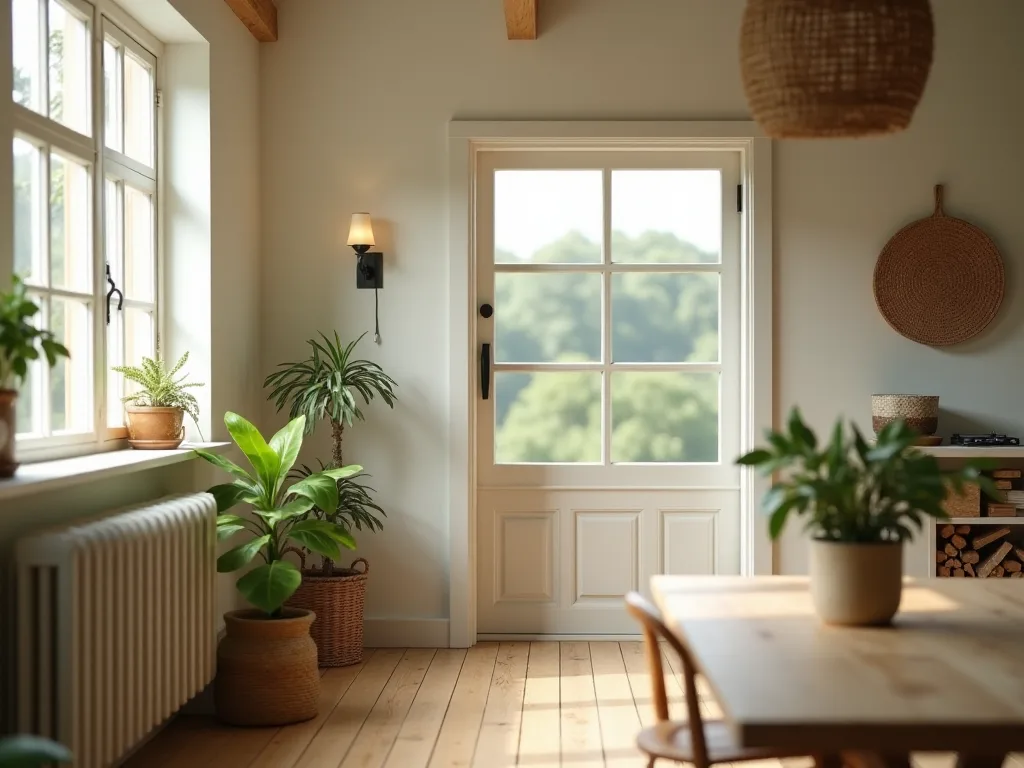
Creating a livable farmhouse requires more than just aesthetic appeal—it demands thoughtful layout planning that balances rustic character with modern functionality. In 2026, farmhouse style is evolving beyond rustic clichés into something softer, lighter, and more refined. Whether you're building from scratch or renovating an existing space, understanding how to optimize your farmhouse layout ensures your home serves as both a comfortable retreat and a practical living environment for years to come.
Understanding Modern Farmhouse Design Principles
A Modern Farmhouse-style house combines Country and Contemporary design elements to create homes that feel open, inviting, and functional while maintaining traditional farmhouse charm. This design philosophy has remained popular because it successfully bridges the gap between nostalgic warmth and contemporary convenience.
Modern farmhouse plans made up 33% of house plan sales in 2025, demonstrating the enduring appeal of this architectural style. In 2026, expect a more natural variation with "warm, grounded hues, with hints of nostalgia," moving away from the stark black-and-white palette that dominated earlier iterations.
The key to successful farmhouse design lies in creating spaces that prioritize both form and function. It typically blends rustic and modern aesthetics, creating a warm and inviting atmosphere. This means incorporating natural materials like wood and stone while maintaining clean lines and uncluttered spaces that support modern living.
The Power of Open Floor Plans in Farmhouse Living
Open floor plans have become a defining characteristic of modern farmhouse design, and for good reason. The living room flows effortlessly into the kitchen, creating a space that feels made for gathering, whether it's family dinners or weekend brunch. This seamless connection between spaces transforms how families interact and use their homes daily.
Benefits of Open Concept Living
These homes are typically designed with an open floor plan, with the kitchen, dining room, and living room areas all connected in one large, communal space. This creates a sense of flow and connectivity between the different areas of the home, making it easy to entertain guests or keep an eye on children while preparing meals through the open kitchen.
The advantages of open floor plans extend beyond aesthetics. They maximize natural light distribution throughout the space, create the illusion of larger square footage, and promote family interaction. Parents can supervise children while cooking, hosts can engage with guests while preparing food, and the entire household benefits from improved air circulation and visual continuity.
Open-concept design enhances flow between kitchen, dining, and living areas. This layout philosophy aligns perfectly with contemporary lifestyles where multitasking and flexibility are essential. The open plan also allows for easier furniture arrangement and provides homeowners with the freedom to define spaces according to their specific needs.
Creating Defined Zones Within Open Spaces
While open floor plans offer numerous benefits, successful implementation requires thoughtful zoning to prevent the space from feeling chaotic or undefined. Use area rugs to anchor different functional zones, position furniture to create natural pathways, and employ lighting variations to distinguish between cooking, dining, and relaxation areas.
Architectural elements can also help define spaces without walls. Gorgeous beams adorn the tongue and groove ceilings and provide the perfect backdrop for the modern farmhouse esthetic. Exposed beams, changes in ceiling height, or subtle flooring transitions can signal different areas while maintaining visual openness.
Consider incorporating half-walls, columns, or built-in shelving units that provide separation without blocking sightlines. These elements add architectural interest while preserving the open, airy feeling that makes farmhouse living so appealing.
Designing the Heart of the Home: Functional Kitchen Layouts
The kitchen is the heart of any farmhouse plan, serving as both a functional workspace and gathering area for family and friends. Creating a kitchen that balances efficiency with hospitality requires careful attention to layout, storage, and design details that enhance both usability and aesthetic appeal.
The Essential Kitchen Island
A substantial island provides additional workspace, casual seating, and a central gathering point for family activities. The kitchen island has evolved from a simple prep surface to a multifunctional hub that serves numerous purposes throughout the day.
When planning your island, consider incorporating multiple levels to separate food preparation from dining areas. Include electrical outlets for small appliances, ensure adequate overhang for comfortable seating, and plan for storage within the island base. A long island lined with leather stools invites guests to sit, chat, and linger while dinner is being prepared.
The ideal island size depends on your kitchen dimensions, but aim for at least 36 inches of clearance on all sides to allow comfortable movement. For larger kitchens, consider an oversized island that can accommodate both cooking and dining functions, potentially including a cooktop or sink to enhance the work triangle efficiency.
Optimizing the Kitchen Work Triangle
The L-shaped configuration maximizes wall space for cabinetry while maintaining open flow toward the dining and great room areas. It keeps the work triangle efficient without isolating you from guests or family. This classic layout principle remains relevant in modern farmhouse design because it minimizes unnecessary movement while cooking.
Position your refrigerator, sink, and stove in a triangular arrangement with each leg measuring between 4 and 9 feet. This configuration reduces steps during meal preparation while preventing the kitchen from feeling cramped. In open floor plans, orient the work triangle so that the cook faces into the living areas, maintaining social connection during food preparation.
Storage Solutions for Farmhouse Kitchens
Ample storage is non-negotiable in a functional farmhouse kitchen. These deep, single-basin sinks are a signature element that blends functionality with authentic farmhouse design. Beyond the iconic farmhouse sink, incorporate walk-in pantries, pull-out organizers, and vertical storage solutions to maximize capacity.
Floating shelves keep the space open and relaxed, letting greenery and simple decor shine. Open shelving adds visual interest and provides easy access to frequently used items, though it requires more maintenance than closed cabinets. Balance open and closed storage to achieve both functionality and the curated aesthetic farmhouse kitchens are known for.
Consider dedicated storage for specific items: a coffee station with open shelving for mugs and supplies, a baking zone with easy access to mixing bowls and measuring tools, and a beverage center with wine storage and glassware. These specialized areas improve kitchen efficiency while adding character to the space.
Material and Finish Selections
In 2026, the modern farmhouse kitchen is evolving into something lighter, sleeker, and effortlessly inviting. It keeps the warmth of classic farmhouse design while introducing cleaner lines, softer palettes, and updated finishes that feel fresh and current. Think shaker-style cabinets, warm wood accents, statement lighting, and cozy textures balanced with modern hardware and airy layouts.
Choose durable materials that can withstand daily use while maintaining their beauty. Butcher block countertops add warmth and functionality, while quartz or marble surfaces provide elegance and easy maintenance. For cabinetry, shaker-style doors in soft whites, warm grays, or natural wood tones create the perfect farmhouse foundation.
Hardware selections significantly impact the overall aesthetic. Matte black fixtures, brushed brass accents, or oil-rubbed bronze finishes complement farmhouse design while adding contemporary sophistication. Don't overlook lighting—pendant lights over the island, under-cabinet task lighting, and statement chandeliers combine to create both functional illumination and atmospheric ambiance.
Balancing Private and Shared Spaces
While open floor plans dominate public areas, successful farmhouse layouts carefully balance communal spaces with private retreats. Split-bedroom designs nail what modern living is all about: privacy, calm, and smart use of space. This layout typically places the primary suite on one wing of the plan while the secondary bedrooms occupy the opposite side, with shared living spaces in between. This intentional separation minimizes sound transfer and makes the primary suite feel more like a quiet retreat than just another room.
Primary Suite Placement and Design
A modern farmhouse plan typically places the primary suite on the main floor for added convenience, eliminating the need for stairs and supporting aging-in-place considerations. This placement also provides parents with easy access to common areas while maintaining separation from children's bedrooms.
The primary suite should function as a true retreat from daily life. Include a spacious bedroom with room for seating areas, a well-appointed bathroom with dual vanities and separate shower and tub, and a generous walk-in closet with organizational systems. The master suite includes a soaking tub, his/her vanities, and a large walk-in closet that has access to the laundry room. This direct laundry access adds convenience and streamlines household routines.
Consider positioning the primary suite to take advantage of desirable views or outdoor access. French doors opening to a private patio or porch extend the living space and create a seamless indoor-outdoor connection that enhances the farmhouse lifestyle.
Secondary Bedroom Configurations
Secondary bedrooms require thoughtful placement to provide privacy while maintaining accessibility. Position these rooms away from high-traffic areas and noisy spaces like the kitchen or laundry room. Ensure each bedroom has adequate closet space, natural light from windows, and sufficient square footage for furniture arrangement.
For families with children, clustering secondary bedrooms together creates a dedicated kids' zone that simplifies supervision and bedtime routines. For homes accommodating guests or multigenerational living, many farmhouse plans include flexible layouts with private suites or additional living areas, making them ideal for multigenerational households.
Consider including a shared bathroom between two bedrooms with a Jack-and-Jill configuration, or provide each bedroom with ensuite access for maximum privacy and convenience. The choice depends on your household composition and long-term needs.
Creating Flexible Spaces
Modern farmhouse living demands flexibility to accommodate changing needs over time. Designate rooms that can serve multiple purposes—a home office that converts to a guest room, a craft room that doubles as a study space, or a bonus room that adapts as children grow.
Include built-in features that support various uses: Murphy beds for guest rooms, built-in desks for home offices, or custom shelving that works for both book storage and display. These adaptable spaces ensure your farmhouse remains functional through different life stages without requiring major renovations.
Practical Storage Solutions Throughout the Home
Adequate storage is essential for maintaining the clean, uncluttered aesthetic that defines modern farmhouse style. Strategic storage planning prevents belongings from overtaking living spaces while keeping everyday items accessible and organized.
Mudroom Design and Functionality
The mudroom serves as a critical transition zone between outdoors and indoors, containing mess and organizing essentials. Position the mudroom near the garage or most-used entrance to intercept dirt, coats, and shoes before they enter main living areas.
Equip your mudroom with individual cubbies or lockers for each family member, providing designated storage for coats, bags, and shoes. Include a bench for comfortable shoe removal, hooks at varying heights for children and adults, and a durable, easy-to-clean floor surface that withstands heavy traffic and moisture.
Add practical features like a charging station for devices, a small desk area for sorting mail, or a pet station with food bowls and leash storage. These details transform the mudroom from simple storage into a highly functional organizational hub that streamlines daily routines.
Built-In Storage Solutions
Custom built-ins with open and closed sections provide storage while displaying decor seamlessly. Built-in shelving, cabinets, and organizational systems maximize space utilization while adding architectural character to your farmhouse.
Consider built-ins in multiple locations throughout the home. Flanking the fireplace, built-in bookcases provide storage and display space while creating visual symmetry. In bedrooms, built-in wardrobes or window seats with storage maximize space efficiency. Kitchen built-ins like floor-to-ceiling pantry cabinets or corner cabinet solutions eliminate wasted space.
Design built-ins to complement your farmhouse aesthetic with details like beadboard backing, crown molding, or glass-front cabinet doors. These custom elements appear intentional and permanent, elevating the overall design quality of your home.
Maximizing Vertical and Hidden Storage
Utilize often-overlooked spaces to increase storage capacity without sacrificing living area. Under-stair storage can house everything from seasonal decorations to cleaning supplies, keeping these items accessible yet out of sight. Install floor-to-ceiling shelving in closets to maximize vertical space, and use the area above doorways for shallow shelving or decorative storage.
In bedrooms, platform beds with built-in drawers provide substantial storage for linens, off-season clothing, or extra bedding. In living areas, storage ottomans and coffee tables with lift-top surfaces offer hidden storage while serving their primary functions.
Don't forget about garage and basement storage. Well-organized utility spaces with shelving systems, pegboards, and labeled containers keep seasonal items, tools, and household supplies organized and easily accessible when needed.
Pantry Planning for Modern Farmhouses
A well-designed pantry is a farmhouse essential that dramatically improves kitchen functionality. Walk-in pantries offer the most storage capacity and organizational flexibility, allowing you to see all items at a glance and store bulk purchases, small appliances, and specialty ingredients.
If space doesn't allow for a walk-in pantry, consider a reach-in pantry with pull-out shelving, a butler's pantry that doubles as a serving and storage area, or a pantry cabinet with adjustable shelving and door-mounted organizers. Regardless of configuration, include a mix of shelf depths to accommodate various package sizes and consider adding electrical outlets for charging devices or plugging in small appliances.
Organize pantry contents by category—baking supplies, canned goods, snacks, breakfast items—and use clear containers, labels, and baskets to maintain order. A well-organized pantry reduces food waste, simplifies meal planning, and makes cooking more efficient and enjoyable.
Optimizing Traffic Flow and Circulation
In smaller homes, circulation efficiency determines comfort. Here, you do not waste square footage on long corridors. Instead, your movement flows directly between primary living zones. Thoughtful circulation planning ensures your farmhouse feels spacious and functions smoothly regardless of size.
Minimizing Hallway Space
Long hallways consume valuable square footage without adding functional living space. Design your layout to minimize corridor length by positioning rooms to open directly into each other or into central gathering spaces. This approach not only saves space but also enhances the open, flowing feeling characteristic of farmhouse design.
When hallways are necessary, make them work harder by incorporating built-in storage, creating gallery walls for family photos, or widening them to accommodate furniture pieces like console tables or benches. These strategies transform transitional spaces into functional, attractive areas rather than wasted square footage.
Creating Clear Pathways
Establish clear pathways through your home that allow easy movement between frequently used spaces. The path from the garage to the kitchen should be direct and unobstructed. Routes from bedrooms to bathrooms should avoid crossing through other private spaces. Main traffic patterns should bypass conversation areas to prevent disrupting activities.
Maintain at least 36 inches of clearance for primary pathways and 24 inches for secondary routes. In open floor plans, use furniture arrangement to define circulation paths without blocking them. Area rugs can visually indicate walking routes while protecting flooring in high-traffic areas.
Connecting Indoor and Outdoor Spaces
A deep porch that wraps around the home creates easy-flow zones for coffee along the front, dinner on the side, and lounging at the back. Both classic and current, the look taps into the ongoing appeal of seamless indoor-outdoor living. Farmhouse design traditionally emphasizes connection to the outdoors, and modern interpretations continue this tradition.
Position doors to outdoor spaces strategically—French doors from the primary suite to a private patio, sliding doors from the kitchen to a dining porch, or multiple access points from living areas to wraparound porches. These connections extend your usable living space and blur the boundaries between inside and outside.
Ensure outdoor spaces are easily accessible and visible from interior rooms. Large windows that frame porch views, consistent flooring materials that flow from inside to outside, and covered outdoor areas that provide weather protection all enhance the indoor-outdoor connection that makes farmhouse living so appealing.
Bathroom Layout Considerations
In 2026, farmhouse bathrooms are getting a fresh update—blending rustic charm with cleaner lines and modern touches. Think warm wood accents, vintage-inspired fixtures, and soft neutral palettes that create a space that feels both inviting and elevated. Bathroom design requires balancing aesthetic preferences with practical functionality.
Primary Bathroom Features
The primary bathroom should function as a spa-like retreat that supports morning and evening routines. Include dual vanities to eliminate bottlenecks during busy mornings, providing each person with dedicated counter space, storage, and mirror area. Separate the toilet in its own compartment for privacy when the bathroom is shared.
Consider both a shower and a soaking tub to accommodate different preferences and needs. A walk-in shower with multiple showerheads, built-in seating, and frameless glass enclosure provides luxury and accessibility. A freestanding tub positioned near a window creates a focal point and relaxation destination.
Include ample storage through vanity cabinets, linen closets, and built-in niches in the shower. Heated floors, towel warmers, and quality ventilation enhance comfort and prevent moisture problems. Choose durable, water-resistant materials that maintain their beauty with minimal maintenance.
Secondary and Guest Bathroom Planning
Secondary bathrooms should be efficient, functional, and easy to maintain. For bathrooms shared by children, include durable surfaces that withstand heavy use, ample storage for toiletries and towels, and safety features like non-slip flooring and grab bars that can be installed as needed.
Guest bathrooms should feel welcoming and provide everything visitors need. Include a combination tub-shower for versatility, adequate counter space for personal items, and hooks or towel bars for hanging clothes and towels. A small linen closet or vanity storage keeps extra supplies accessible without cluttering the space.
Consider the bathroom's relationship to bedrooms it serves. A Jack-and-Jill bathroom between two bedrooms works well for children but may be less ideal for guest rooms. Powder rooms near public areas provide convenient access for guests without requiring them to enter private bedroom zones.
Farmhouse Bathroom Aesthetics
Farmhouse bathroom design embraces natural materials, vintage-inspired fixtures, and soft color palettes. Shiplap or beadboard walls add texture and character, while subway tile provides classic appeal that never goes out of style. Wood vanities, whether painted or natural finish, anchor the space with warmth.
Choose fixtures in finishes that complement your overall design—matte black for modern farmhouse, brushed nickel for traditional, or brass for vintage-inspired spaces. Freestanding tubs, farmhouse-style sinks, and vintage-look faucets reinforce the aesthetic while providing modern functionality.
Lighting plays a crucial role in bathroom design. Combine ambient lighting from ceiling fixtures, task lighting at vanities, and accent lighting to highlight architectural features. Natural light from windows enhances the space during daytime hours while providing necessary ventilation.
Laundry Room Location and Design
The laundry room's location significantly impacts household efficiency. Position it near bedrooms where most dirty laundry originates, or near the kitchen and mudroom where it can serve multiple functions. Some farmhouse designs place the laundry room adjacent to the primary closet, streamlining the process of washing, folding, and putting away clothes.
Essential Laundry Room Features
A functional laundry room includes more than just a washer and dryer. Incorporate a utility sink for hand-washing delicates or cleaning muddy items, a folding counter at comfortable height, and hanging space for air-drying clothes. Upper cabinets provide storage for detergents and supplies, while lower cabinets can house cleaning equipment and products.
Consider adding a sorting system with multiple hampers for separating lights, darks, and delicates. Include a drying rack or retractable clothesline for items that can't go in the dryer. If space allows, add an ironing board that folds away when not in use.
Ensure adequate lighting, ventilation, and electrical outlets. Front-loading washers and dryers can be placed on pedestals for easier access and additional storage underneath. If space is limited, stackable units or a closet-style laundry area can provide full functionality in a compact footprint.
Living and Gathering Spaces
The Great Room defines the living experience. With 8′ 0″ ceilings, the space maintains comfortable proportions without inflating heating and cooling costs. The main living area serves as the heart of family life, requiring thoughtful design to support various activities and accommodate different group sizes.
Creating a Focal Point
The Fireplace anchors the Great Room, creating a focal point that brings warmth and scale to the open environment. In a farmhouse blueprint, this feature is not decorative—it establishes emotional center. Every living room needs a focal point that draws the eye and anchors furniture arrangement.
Beyond fireplaces, focal points can include large windows with stunning views, built-in entertainment centers, or architectural features like exposed beams or shiplap accent walls. Arrange seating to face the focal point while maintaining conversation-friendly distances between furniture pieces.
Furniture Arrangement for Function and Flow
Arrange furniture to facilitate conversation while maintaining clear traffic paths through the space. In open floor plans, use furniture placement to define the living area without blocking sightlines to adjacent spaces. A sofa facing the kitchen allows interaction between spaces while providing comfortable seating.
Sofas: Slipcovered linen or cotton in beige/cream/taupe; plush cushions; roll-arm or sectional for versatility. Choose furniture that balances comfort with style, selecting pieces that can withstand daily use while maintaining the farmhouse aesthetic. Layer textures through throw pillows, blankets, and area rugs to add warmth and visual interest.
Include a variety of seating options—a sofa for family movie nights, accent chairs for reading, and ottomans that provide flexible seating or footrest options. Side tables and coffee tables should be proportional to seating and positioned for easy access to drinks and remotes.
Dining Area Integration
The inclusion of a dedicated Dining Room within an open layout is a smart architectural move. Rather than floating randomly in the Great Room, the dining area has spatial logic. Position the dining area between the kitchen and living room to facilitate meal service while maintaining connection to both spaces.
Choose a dining table size appropriate for your household and entertaining needs. Ensure at least 36 inches of clearance around the table for comfortable chair movement. Overhead lighting centered above the table provides task lighting for meals while creating ambiance for gatherings.
Consider the dining area's relationship to outdoor spaces. Positioning the dining table near patio doors allows for easy flow during outdoor entertaining and extends dining options to covered porches during pleasant weather.
Incorporating Home Office Space
Remote work has made dedicated office space essential in modern home design. Farmhouse layouts can incorporate offices in various ways depending on available space and work requirements. A separate room with a door provides privacy and noise control for video calls and focused work. An alcove off the main living area offers a dedicated workspace without requiring a full room.
Office Location Considerations
Position the office away from high-traffic areas and noisy spaces to minimize distractions. Natural light improves mood and productivity, so locate offices near windows when possible. Proximity to the main entrance allows you to meet clients or receive deliveries without disrupting household activities.
Consider whether the office needs to serve multiple functions. A guest room-office combination maximizes space utilization in smaller homes. A craft room-office provides flexibility for creative pursuits and administrative tasks. Built-in Murphy beds or sleeper sofas allow spaces to transition between uses.
Office Design Essentials
Equip your office with adequate electrical outlets and data connections for computers, printers, and other equipment. Include both task lighting for work surfaces and ambient lighting for overall illumination. Built-in desks, shelving, and filing systems maximize efficiency while maintaining the farmhouse aesthetic.
Choose furniture that supports ergonomic work—an adjustable desk chair, a desk at proper height, and a monitor positioned at eye level. Storage solutions should keep supplies organized and accessible while maintaining a clutter-free appearance. Consider acoustic treatments if noise control is important for your work.
Ceiling Height and Architectural Details
Ceiling height dramatically impacts how spaces feel and function. In compact design, vertical restraint is intentional. High ceilings are not always superior. In this farmhouse, balance takes priority over spectacle. Standard 8-foot ceilings work well for most spaces, providing comfortable proportions while controlling construction and energy costs.
Vaulted and Cathedral Ceilings
Vaulted or cathedral ceilings in main living areas create drama and openness. Soaring ceilings, exposed beams, and that towering stone fireplace instantly draw your eye upward, making the entire space feel open and airy. These architectural features add character while making spaces feel larger than their square footage suggests.
Balance dramatic ceiling heights with cozy elements that prevent spaces from feeling cavernous. The soft neutral seating, layered rugs, and warm wood tones soften all that scale, turning a grand space into somewhere you'd actually want to curl up and stay awhile. Use furniture arrangement, area rugs, and lighting to create intimate zones within tall-ceilinged rooms.
Exposed Beams and Structural Elements
Exposed Beams and Rustic Elements: Interior spaces frequently incorporate visible wooden beams, shiplap walls, and other rustic details. These architectural features add authenticity and visual interest while reinforcing the farmhouse aesthetic. Beams can be structural or decorative, with faux beams providing the look without the weight or cost of solid wood.
Consider beam placement carefully—they should enhance rather than overwhelm spaces. Beams running perpendicular to the longest room dimension make spaces appear wider. Darker beams against light ceilings create contrast and definition, while beams in similar tones to ceilings provide subtle texture.
Natural Light and Window Placement
Large windows are a key characteristic of Farmhouse-style plans. This allows natural light to flood the inside spaces and offers attractive views of the surrounding landscape. Strategic window placement enhances both the functionality and aesthetic appeal of your farmhouse.
Maximizing Natural Light
Position windows to capture natural light throughout the day. South-facing windows provide consistent light and passive solar heating in winter. East-facing windows bring morning light to breakfast areas and bedrooms. West-facing windows illuminate spaces during afternoon and evening hours, though they may require shading to prevent overheating.
Use multiple window types to enhance light distribution and architectural interest. Large picture windows frame views and flood rooms with light. Transom windows above doors allow light to flow between spaces. Clerestory windows bring light deep into floor plans without sacrificing privacy.
In open floor plans, windows on multiple walls create cross-lighting that eliminates dark corners and reduces the need for artificial lighting during daytime hours. This not only saves energy but also creates more pleasant, naturally lit spaces.
Window Style Selections
Choose window styles that complement farmhouse architecture while meeting functional needs. Double-hung windows provide traditional appeal and excellent ventilation control. Casement windows offer unobstructed views and superior energy efficiency. Sliding windows work well in spaces where projecting windows would interfere with outdoor areas.
Consider window proportions and grid patterns. Taller windows make ceilings appear higher and rooms feel more spacious. Grid patterns should match your farmhouse style—traditional farmhouses often feature divided lights, while modern farmhouses may use larger panes with minimal or no grids.
Window treatments should provide privacy and light control without obscuring architectural details. Simple curtains in natural fabrics, wooden blinds, or cellular shades offer functionality while maintaining the farmhouse aesthetic. Layer treatments to provide flexibility—sheer curtains for daytime privacy with heavier drapes for nighttime or temperature control.
Outdoor Living Spaces
Farmhouse plans are celebrated for inviting outdoor spaces, such as wraparound porches, serene patios, and expansive decks. These features connect your home to its natural surroundings, creating perfect spots for entertaining, relaxing, or enjoying a quiet moment outdoors. Outdoor spaces extend your livable area and enhance the farmhouse lifestyle.
Porch Design and Functionality
A signature element of farmhouse design is a welcoming front porch that often wraps around multiple sides of the home. Front porches create curb appeal while providing outdoor living space for morning coffee, evening relaxation, or neighborhood socializing. Deep porches with adequate ceiling height feel like outdoor rooms rather than mere entries.
Furnish porches with weather-resistant seating, side tables, and lighting to create functional outdoor living areas. Ceiling fans improve comfort during warm weather. Porch swings or rocking chairs reinforce the farmhouse aesthetic while providing comfortable seating. Consider adding electrical outlets for fans, lighting, or holiday decorations.
Back porches or covered patios extend living space and facilitate outdoor dining and entertaining. Position these areas adjacent to the kitchen for easy food service. Include space for dining furniture, grilling equipment, and comfortable seating. Screened porches provide bug-free outdoor enjoyment in areas with insect problems.
Patio and Deck Considerations
Uncovered patios and decks provide additional outdoor living options. Position these spaces to take advantage of desirable views, afternoon shade, or privacy from neighbors. Connect patios to main living areas through French doors or sliding glass doors that create seamless indoor-outdoor flow.
Choose materials that complement your farmhouse design and suit your climate. Stone or concrete patios provide durability and low maintenance. Wood decks offer warmth and traditional appeal but require regular maintenance. Composite decking provides the look of wood with reduced upkeep requirements.
Include outdoor lighting for safety and ambiance. Path lights illuminate walkways, while string lights or lanterns create atmosphere for evening gatherings. Built-in seating, fire pits, or outdoor kitchens transform basic patios into fully functional outdoor rooms that extend your living season.
Energy Efficiency and Sustainability
Modern Farmhouse designs can incorporate eco-friendly features like energy-efficient appliances, sustainable building materials, and solar panels. However, the degree of sustainability varies based on the homeowner's preferences and budget. Thoughtful planning can create farmhouses that are both beautiful and environmentally responsible.
Insulation and Air Sealing
Proper insulation and air sealing dramatically impact energy efficiency and comfort. Insulate walls, ceilings, and floors to recommended R-values for your climate zone. Pay special attention to areas prone to air leakage—around windows and doors, where walls meet foundations, and at penetrations for plumbing and electrical systems.
High-quality windows with low-E coatings and appropriate U-factors reduce heat transfer while maintaining natural light. Properly installed windows with quality flashing prevent air and water infiltration that compromises efficiency and durability.
HVAC System Selection
Choose heating and cooling systems appropriately sized for your home's square footage and climate. Oversized systems cycle on and off frequently, reducing efficiency and comfort. Undersized systems run constantly without adequately conditioning spaces. Professional load calculations ensure proper sizing.
Consider zoned systems that allow different temperature settings in various areas of the home. This prevents wasting energy heating or cooling unoccupied spaces and accommodates different comfort preferences among household members. Programmable or smart thermostats optimize energy use by adjusting temperatures based on occupancy patterns.
Sustainable Material Choices
Select building materials with consideration for environmental impact, durability, and maintenance requirements. Reclaimed wood adds character while reducing demand for new lumber. Rapidly renewable materials like bamboo flooring provide sustainable alternatives to traditional hardwoods. Low-VOC paints and finishes improve indoor air quality.
Durable materials reduce replacement frequency and long-term environmental impact. Quality roofing materials, siding, and windows that last decades prove more sustainable than cheaper alternatives requiring frequent replacement. Consider lifecycle costs and environmental impact rather than just initial purchase price.
Adapting Farmhouse Layouts for Different Lot Sizes
Modern Farmhouse design can be adapted to various regions and climates. For example, in colder climates, homes may incorporate energy-efficient features. At the same time, in warmer areas, designs may focus on natural ventilation and shade. Farmhouse design principles work across different lot sizes and configurations with thoughtful adaptation.
Small Lot Considerations
Thoughtful, compact footprints with open living areas, smart storage, and a strong indoor-outdoor connection feel more curated and less cluttered than their oversized counterparts. On smaller lots, maximize usable space through efficient layouts, multi-functional rooms, and vertical design elements.
Two-story designs provide more living space on compact footprints. Position the home to maximize yard space for outdoor living. Use landscaping and fencing to create privacy from neighboring properties. Covered porches and patios extend living space without increasing the building footprint.
Large Lot Opportunities
Larger lots allow for sprawling single-story designs that eliminate stairs and provide easy accessibility. Position the home to take advantage of views, natural features, and solar orientation. Include detached structures like workshops, guest houses, or barns that reinforce the farmhouse aesthetic while providing additional functionality.
Extensive outdoor living spaces—wraparound porches, multiple patios, outdoor kitchens—take full advantage of available land. Landscaping can include gardens, orchards, or pastures that enhance the rural farmhouse experience. Longer driveways and tree-lined approaches create impressive entries that announce arrival.
Future-Proofing Your Farmhouse Layout
Thoughtful planning ensures your farmhouse remains functional as your needs change over time. The Primary Bedroom Main Floor placement simplifies aging-in-place and everyday convenience. No stairs. No vertical travel. Consider how your home will serve you through different life stages.
Universal Design Principles
Incorporate universal design features that support accessibility without compromising aesthetics. Wider doorways and hallways accommodate wheelchairs or walkers if needed. Single-story living eliminates stairs as a barrier. Curbless showers with built-in seating provide safety and luxury. Lever-style door handles and faucets are easier to operate than knobs.
Plan for potential modifications even if not immediately needed. Reinforce bathroom walls during construction to support future grab bar installation. Design the primary bedroom and bathroom to accommodate accessibility modifications. Include a bedroom and full bathroom on the main floor even in two-story designs.
Flexible Space Planning
Design rooms that can adapt to changing needs. A nursery becomes a child's bedroom, then a teen's study space, and eventually a guest room or home office. A playroom transforms into a media room or exercise space. Bonus rooms over garages provide expansion opportunities for growing families.
Avoid overly specialized spaces that limit future use. Instead of a formal dining room used only for holidays, create a flexible space that serves as a dining room, home office, or craft room depending on current needs. Built-in features should enhance rather than limit functionality.
Color Palettes and Material Selections
Begin with a soft, versatile base of creamy whites, warm grays, taupes, and beiges. This neutral modern farmhouse palette keeps things airy while letting wood tones and textures stand out for a serene, inviting feel. Color and material choices significantly impact how your farmhouse looks and feels.
Interior Color Schemes
Neutral base colors provide versatility and timeless appeal. Whites, creams, and soft grays create bright, airy spaces that showcase architectural details and natural materials. These neutrals work as backgrounds for bolder accent colors introduced through furniture, artwork, and accessories.
2026 color trends are leaning into rich, moody, grounded hues, especially when layered with warm neutrals. Consider incorporating deeper tones in accent walls, cabinetry, or furniture to add depth and sophistication. Navy blues, forest greens, and charcoal grays provide contrast while maintaining the farmhouse aesthetic.
Use color to define spaces in open floor plans. A different wall color in the dining area distinguishes it from the living room without requiring physical separation. Consistent trim color throughout creates visual continuity that unifies the home.
Flooring Selections
Flooring choices impact both aesthetics and functionality. Hardwood floors provide classic farmhouse appeal and durability. Wide-plank flooring in light to medium tones creates an open, airy feeling. Distressed or hand-scraped finishes add character and hide wear better than smooth surfaces.
Luxury vinyl plank (LVP) offers the look of hardwood with superior water resistance and lower cost. This makes it ideal for kitchens, bathrooms, and mudrooms where moisture is a concern. Tile flooring in entryways and bathrooms provides durability and easy maintenance.
Consider flooring transitions between spaces. Consistent flooring throughout main living areas creates visual continuity and makes spaces feel larger. Different flooring in bedrooms, bathrooms, or utility areas helps define these spaces while providing appropriate performance characteristics.
Wall Treatments and Textures
Wall treatments add texture and character to farmhouse interiors. Shiplap walls create horizontal lines that make rooms feel wider while adding authentic farmhouse detail. Beadboard wainscoting in bathrooms, mudrooms, or dining areas provides visual interest and protects walls from damage.
Install weathered barn boards as an accent wall behind the sofa or TV. The natural patina adds history and texture, pairing beautifully with neutral walls for authentic farmhouse character. Reclaimed wood accent walls create focal points while incorporating sustainable materials with unique character.
Balance textured walls with smooth surfaces to prevent visual overwhelm. If you use shiplap on one wall, keep remaining walls smooth. If you incorporate exposed brick or stone, balance it with painted drywall. This creates visual interest without making spaces feel busy or cluttered.
Lighting Design for Farmhouse Interiors
Choose black iron chandeliers, Edison bulb pendants, or vintage-style sconces. Warm lighting enhances rustic elegance and makes the space feel inviting. Lighting serves both functional and aesthetic purposes, requiring careful planning to achieve the right balance.
Layered Lighting Approach
Effective lighting design incorporates three types of lighting: ambient, task, and accent. Ambient lighting provides overall illumination through ceiling fixtures, recessed lights, or natural light. Task lighting illuminates specific work areas—under-cabinet lights in kitchens, reading lamps in living rooms, vanity lights in bathrooms. Accent lighting highlights architectural features, artwork, or decorative elements.
Layer these lighting types to create flexible, functional spaces. Dimmer switches allow you to adjust lighting levels for different activities and times of day. Multiple light sources at different heights create depth and visual interest while eliminating harsh shadows.
Fixture Selection and Placement
Choose light fixtures that complement your farmhouse style while providing adequate illumination. Oversized fixtures make bold statements in rooms with high ceilings. Pendant lights over islands or dining tables provide focused task lighting and visual interest. Chandeliers in entryways or dining rooms create focal points and set the tone for your home.
Consider fixture scale in relation to room size. A chandelier should be approximately one-third the width of the dining table it illuminates. Pendant lights over islands should be spaced evenly with adequate clearance for tasks. Wall sconces should be positioned at appropriate heights for their function—60-66 inches for hallways, 36-40 inches flanking bathroom mirrors.
Mix fixture finishes thoughtfully. Matte black fixtures provide modern contrast against light walls. Brass or bronze finishes add warmth and vintage appeal. Mixing metals can work if done intentionally—choose one dominant finish and use others as accents.
Smart Home Integration
Modern farmhouses can seamlessly incorporate smart home technology that enhances convenience without compromising aesthetic appeal. Smart thermostats optimize energy use and allow remote temperature control. Smart lighting systems enable you to adjust brightness and color temperature throughout the day. Smart locks provide keyless entry and remote access control.
Integrate technology thoughtfully to maintain the farmhouse aesthetic. Conceal speakers in ceilings or walls rather than displaying visible equipment. Choose smart devices in finishes that complement your design—matte black thermostats, brass-finished smart locks, or white smart switches that blend with trim.
Plan for adequate electrical infrastructure during construction. Include outlets in convenient locations for charging devices. Run conduit for future technology upgrades. Install robust Wi-Fi systems with adequate coverage throughout the home and outdoor living areas.
Bringing It All Together: Creating Your Livable Farmhouse
Creating a truly livable farmhouse requires balancing multiple considerations—aesthetic preferences, functional requirements, budget constraints, and future needs. The 1 Stunning Farm House Plan 2026 Blueprint demonstrates that thoughtful design outperforms excess space. Within 1,018 FT², you gain: Every dimension contributes to a lived experience that feels grounded, efficient, and complete.
Start by clearly defining your priorities. What matters most to your household—entertaining space, private retreats, home office functionality, outdoor living, or storage capacity? Understanding your priorities guides decision-making when compromises are necessary.
Work with experienced professionals who understand farmhouse design principles and can translate your vision into functional reality. Architects and designers bring expertise in space planning, building codes, and construction methods. Builders with farmhouse experience understand the details that make these homes both beautiful and functional.
Consider the long-term implications of layout decisions. Changes to floor plans after construction are expensive and disruptive. Invest time in the planning phase to get the layout right initially. Use floor plan software or work with designers to visualize spaces before construction begins.
Remember that a livable farmhouse balances beauty with practicality. More than anything, 2026 design trends are about comfort, warmth, and authenticity. Homes are becoming softer, richer, and more personal—and that's a trend that never goes out of style. Your farmhouse should reflect your lifestyle, support your daily routines, and provide a comfortable, welcoming environment for years to come.
For additional inspiration and resources on farmhouse design, explore Architectural Designs for comprehensive house plans, Houzz for design ideas and professional connections, Better Homes & Gardens for decorating inspiration, This Old House for renovation guidance, and HGTV for design trends and project ideas.
Creating a livable farmhouse is an exciting journey that combines tradition with innovation, rustic charm with modern convenience, and personal style with practical functionality. By thoughtfully planning your layout with attention to open floor plans, functional kitchens, balanced private and shared spaces, and comprehensive storage solutions, you'll create a home that serves your needs beautifully for decades to come.