Table of Contents
California's waterfront real estate represents some of the most coveted and valuable property in the United States. From the dramatic Pacific coastline stretching over 840 miles to pristine alpine lakes and scenic bay areas, waterfront properties in the Golden State offer unparalleled lifestyle benefits, investment potential, and natural beauty. Whether you're seeking a beachfront retreat, a lakeside sanctuary, or a bay-view residence, California's diverse waterfront markets provide opportunities for buyers across various price points and preferences.
Understanding California's Waterfront Real Estate Market in 2026
The California waterfront real estate market continues to demonstrate resilience and strength as we move through 2026. The California Association of Realtors projects 274,400 home sales in 2026, up 2% from last year, with a median price of $905,000, representing a new projected record for the state. This growth reflects the enduring appeal of California properties, particularly those with water access and views.
High-demand areas such as San Francisco, Los Angeles, and San Diego are expected to see steady appreciation, generally in the 3% to 4% range. Waterfront properties within these markets typically command premium pricing due to their limited supply and exceptional desirability. The combination of scenic beauty, recreational opportunities, and lifestyle amenities makes waterfront real estate a consistently strong performer in California's diverse property landscape.
Mortgage rates are expected to remain relatively stable, generally in the low to mid 6% range for 30-year fixed loans, which provides more predictability for buyers considering waterfront investments. This stability, combined with mortgage rates retreating to near three-year lows, creates favorable conditions for qualified buyers to enter the waterfront market.
Prime Waterfront Locations in California
California's waterfront real estate encompasses a remarkable variety of locations, each offering distinct characteristics, amenities, and investment profiles. Understanding these prime locations helps buyers identify the areas that best align with their lifestyle preferences and financial goals.
San Francisco Bay Area Waterfront Properties
The San Francisco Bay Area represents one of the most prestigious and expensive waterfront markets in California. The Bay Area is still extraordinarily expensive, with median prices hovering around $1.25 million, and waterfront properties command even higher premiums. There are currently 22 waterfront homes for sale in San Francisco at a median listing price of $1.26M, reflecting the scarcity and desirability of water-adjacent properties in the city.
San Francisco's waterfront neighborhoods include sought-after areas such as the Marina District, Pacific Heights with bay views, and emerging waterfront developments on Yerba Buena Island. The city's waterfront properties offer stunning views of the Golden Gate Bridge, Alcatraz Island, and the broader San Francisco Bay, combined with urban amenities and cultural attractions. San Mateo County is the outlier: buying the median home there requires an annual income of over $500,000, highlighting the exceptional wealth concentration in certain Bay Area waterfront communities.
Beyond San Francisco proper, the broader Bay Area includes waterfront opportunities in Marin County, with its picturesque harbors and bay-front communities like Sausalito and Tiburon, as well as East Bay waterfront areas in cities like Alameda and Richmond. Each of these submarkets offers unique characteristics while benefiting from the region's strong economy, technology sector employment, and cultural vibrancy.
Los Angeles and Southern California Coastline
The Los Angeles coastline encompasses some of California's most iconic and valuable beach communities. From Malibu's celebrity-studded shores to the family-friendly beaches of Manhattan Beach and the luxury enclaves of Newport Beach and Laguna Beach in Orange County, Southern California's waterfront real estate offers diverse options for discerning buyers.
Malibu remains the epitome of California beach living, with properties ranging from modest beach cottages to sprawling oceanfront estates valued at tens of millions of dollars. The city's 21 miles of coastline provide privacy, natural beauty, and direct beach access that few other locations can match. Communities like Carbon Beach, known as "Billionaire's Beach," represent the pinnacle of luxury waterfront living.
The South Bay beach cities—Manhattan Beach, Hermosa Beach, and Redondo Beach—offer a more community-oriented beach lifestyle with excellent schools, walkable downtown areas, and strong property values. These areas attract families and professionals seeking the California beach lifestyle within reasonable commuting distance to Los Angeles employment centers.
Orange County's coastal communities, including Newport Beach, Laguna Beach, Dana Point, and San Clemente, provide some of the most desirable waterfront living in California. Affordability here sits around 23%, which is slightly better than San Diego (15%) or Orange County (9%), though waterfront properties in these areas remain premium investments. Newport Beach's harbor islands, including Balboa Island and Lido Isle, offer unique waterfront living with private docks and boat access.
San Diego Waterfront Communities
San Diego's waterfront real estate market combines year-round pleasant weather, diverse coastal communities, and strong military and biotechnology employment sectors. The city's 70 miles of coastline include everything from dramatic cliffs in La Jolla to sandy beaches in Pacific Beach and Mission Beach, to the sophisticated waterfront neighborhoods of Coronado and Point Loma.
La Jolla stands out as one of San Diego's most prestigious coastal communities, featuring dramatic ocean views, world-class dining, and some of the region's most expensive real estate. Properties along the La Jolla coastline offer stunning Pacific Ocean vistas, proximity to excellent schools, and a refined lifestyle that attracts affluent buyers from around the world.
Coronado, accessible via the iconic Coronado Bridge, offers a unique island community atmosphere with pristine beaches, historic architecture, and strong property values. The community's small-town feel, combined with proximity to downtown San Diego and naval installations, creates consistent demand for waterfront properties.
Mission Bay and Pacific Beach provide more accessible waterfront options with active beach cultures, water sports opportunities, and younger demographics. These areas offer condominiums and single-family homes at various price points, making San Diego waterfront living attainable for a broader range of buyers.
Lake Tahoe Alpine Waterfront Properties
Lake Tahoe represents California's premier alpine waterfront market, offering a completely different waterfront experience from coastal properties. Straddling the California-Nevada border, Lake Tahoe's crystal-clear waters, surrounding mountains, and four-season recreational opportunities create exceptional demand for lakefront properties.
The California side of Lake Tahoe includes prestigious communities such as Tahoe City, Carnelian Bay, Kings Beach, and South Lake Tahoe. Lakefront properties in these areas provide private beaches, boat docks, and stunning mountain and water views. The market attracts both vacation home buyers seeking a mountain retreat and investors purchasing properties for short-term rental income.
Lake Tahoe's waterfront market experiences seasonal fluctuations, with peak interest during summer months when the lake's recreational opportunities are most accessible, and during winter when world-class skiing at nearby resorts attracts visitors. Properties with private piers and buoys command significant premiums, as these amenities are limited and highly regulated by the Tahoe Regional Planning Agency.
The investment potential for Lake Tahoe waterfront properties remains strong due to the area's limited developable land, strict environmental regulations that prevent new construction in many areas, and consistent demand from Bay Area residents seeking weekend and vacation retreats. Many owners successfully rent their properties during peak seasons, generating income to offset ownership costs.
Santa Barbara and Central Coast Waterfront
Santa Barbara and the surrounding Central Coast region offer some of California's most picturesque waterfront real estate, combining Mediterranean climate, Spanish colonial architecture, and stunning coastal scenery. The area's east-west coastline orientation provides unique south-facing beaches and exceptional sunset views.
Santa Barbara's waterfront neighborhoods, including the Mesa, Riviera, and Hope Ranch, feature properties ranging from historic estates to modern architectural masterpieces. The city's strict architectural guidelines preserve its distinctive character while maintaining property values. Montecito, just east of Santa Barbara, represents one of California's most exclusive communities, attracting celebrities, business leaders, and affluent retirees seeking privacy and luxury.
The broader Central Coast includes waterfront opportunities in communities such as Carpinteria, Ventura, Pismo Beach, and Cambria. These areas offer more accessible price points while maintaining the region's natural beauty and relaxed lifestyle. The Far North (+23.5%) and Central Coast (+12.8%) posted double-digit year-over-year sales growth, indicating strong market momentum in these regions.
Long Beach Waterfront Living
Long Beach provides a unique waterfront market within the greater Los Angeles area, combining urban amenities with coastal living. When purchasing real estate in Long Beach, CA, buyers encounter a market with a median sale price of approximately $985,000, making it a relatively accessible option compared to other Southern California coastal markets.
The demand for housing in Long Beach is driven by factors such as its coastal location, vibrant local economy, and an appealing lifestyle that includes access to beaches, cultural attractions, and strong employment opportunities. Waterfront neighborhoods like Naples Island and Belmont Shore offer distinctive living experiences with canal-front properties, private docks, and beach access.
Naples Island, modeled after Venice, Italy, features a network of canals with properties offering private boat docks and water access. This unique community provides a rare opportunity for canal-front living in Southern California, with homes ranging from charming cottages to substantial waterfront estates. Belmont Shore offers a more traditional beach community atmosphere with a popular commercial district, wide sandy beaches, and a mix of property types.
Market Trends Shaping California Waterfront Real Estate
Understanding current market trends helps buyers, sellers, and investors make informed decisions about California waterfront properties. Several key factors are influencing the market in 2026 and beyond.
Supply and Demand Dynamics
Supply will stay constrained. California's housing shortfall is estimated in the millions of units. That's a decade-long structural issue, not something a single year can fix. More listings will hit the market in 2026, but the supply gap is far too large to close anytime soon. This supply constraint is particularly acute for waterfront properties, where geographic limitations prevent significant new development.
Waterfront properties represent a finite resource, especially in established coastal communities where buildable lots are scarce or nonexistent. This scarcity creates inherent value appreciation over time, as demand consistently outpaces supply. For waterfront owners and sellers, it's a compelling position: a finite asset, consistent demand, and strong long-term appreciation.
C.A.R. forecasts active listings up 10% in 2026, which may provide slightly more options for buyers, though waterfront properties will likely remain competitive due to their unique characteristics and limited availability. Buyers should be prepared to act quickly when desirable waterfront properties become available, as these listings often attract multiple offers.
Price Appreciation and Investment Potential
California waterfront properties have historically demonstrated strong appreciation, outpacing inland properties due to their scarcity and desirability. The median home price is projected to hit a new record, climbing 3.6% to $905,000 statewide, with waterfront properties typically appreciating at rates equal to or exceeding these averages.
The investment case for California waterfront real estate extends beyond simple price appreciation. These properties offer multiple value propositions including personal use enjoyment, rental income potential, tax benefits, and portfolio diversification. Many waterfront property owners successfully generate rental income through vacation rentals, particularly in resort areas like Lake Tahoe, Santa Barbara, and San Diego.
Long-term appreciation potential remains strong due to California's continued population growth, limited waterfront supply, and the state's economic strength. California's population grew by approximately 232,000 in 2024, supporting underlying housing demand, despite some outbound migration to other states. The state's technology sector, entertainment industry, and diverse economy continue attracting high-earning professionals who drive demand for premium properties.
Climate Change and Environmental Considerations
Climate change presents both challenges and considerations for California waterfront property owners and buyers. Rising sea levels, increased storm intensity, and coastal erosion affect certain properties, particularly those at lower elevations or on vulnerable coastlines. Prospective buyers should conduct thorough due diligence regarding flood zones, erosion patterns, and long-term environmental risks.
The home insurance crisis is a wild card most people aren't tracking closely enough. Major carriers have pulled out of fire-prone California counties, and replacement coverage through the state's FAIR Plan often runs $200–$500 more per month than a traditional policy. While this primarily affects inland and mountain properties, coastal properties may also face increased insurance costs due to storm and flood risks.
However, many waterfront properties, particularly those on elevated lots or in well-protected harbors, face minimal climate-related risks. Buyers should work with knowledgeable local agents and conduct environmental assessments to understand specific property vulnerabilities. Properties with proper setbacks, elevation, and protective features often maintain strong values despite broader climate concerns.
Sustainability and Green Features
California's longstanding commitment to sustainability is influencing homebuyer preferences. Solar panels, energy-efficient appliances, drought-resistant landscaping, and LEED certifications are increasingly seen as must-haves—not bonuses. This trend is particularly pronounced in waterfront properties, where owners often have heightened environmental awareness and appreciation for natural resources.
Waterfront properties incorporating sustainable features command premium pricing and attract environmentally conscious buyers. Solar panels, energy-efficient windows, water conservation systems, and native landscaping not only reduce environmental impact but also lower operating costs and increase property values. Many coastal communities have implemented green building requirements for new construction and major renovations, making sustainability features standard in newer waterfront developments.
Technology Integration in Waterfront Properties
In 2026, technology is more deeply integrated than ever in California's real estate scene. Virtual reality home tours, blockchain-secured contracts, and AI-powered property valuations are no longer novelties—they're industry standards. This technological evolution particularly benefits waterfront property marketing and sales, as virtual tours allow distant buyers to experience properties without traveling.
Smart home technology has become standard in luxury waterfront properties, with integrated systems controlling lighting, climate, security, and entertainment. Many waterfront homes now feature advanced security systems with remote monitoring, automated irrigation systems that conserve water, and energy management systems that optimize efficiency. These technological amenities appeal to buyers seeking modern conveniences alongside natural beauty.
Types of California Waterfront Properties
California's waterfront real estate encompasses diverse property types, each offering unique characteristics, amenities, and lifestyle benefits. Understanding these different property categories helps buyers identify options that align with their preferences and budgets.
Oceanfront Single-Family Homes
Oceanfront single-family homes represent the pinnacle of California waterfront living, offering direct beach access, unobstructed ocean views, and ultimate privacy. These properties range from modest beach cottages to sprawling estates valued at tens of millions of dollars. Oceanfront homes provide the quintessential California beach lifestyle with the sound of waves, salt air, and immediate access to beach activities.
The most valuable oceanfront properties feature wide beach frontage, elevated positions protecting against storm surge, and architectural designs maximizing ocean views and natural light. Many include amenities such as infinity pools, outdoor entertainment areas, private beach access, and guest houses. Communities like Malibu, Newport Beach, and La Jolla contain the highest concentration of luxury oceanfront estates.
Oceanfront properties require specialized maintenance due to salt air exposure, which accelerates corrosion of metal fixtures, windows, and building materials. Prospective buyers should budget for higher maintenance costs and work with contractors experienced in coastal construction. However, the lifestyle benefits and investment potential typically far outweigh these additional expenses.
Waterfront Condominiums and Townhomes
Waterfront condominiums and townhomes provide more accessible entry points into California's waterfront market while offering many benefits of oceanfront living. These properties typically feature shared amenities such as pools, fitness centers, and secured parking, with lower maintenance responsibilities than single-family homes. Waterfront condos appeal to buyers seeking lock-and-leave convenience, whether as primary residences, vacation homes, or investment properties.
Major waterfront condo markets include San Francisco's Embarcadero and Mission Bay, San Diego's downtown waterfront, Long Beach's shoreline, and various beach communities throughout the state. These properties offer urban amenities combined with water views and beach access, attracting professionals, retirees, and investors seeking rental income.
When evaluating waterfront condominiums, buyers should carefully review homeowners association (HOA) documents, reserve funds, and building maintenance history. Coastal buildings require significant ongoing maintenance, and adequate HOA reserves are essential for addressing repairs and improvements. Well-managed buildings with strong reserves maintain property values better than those with deferred maintenance or inadequate funding.
Bay and Harbor Properties
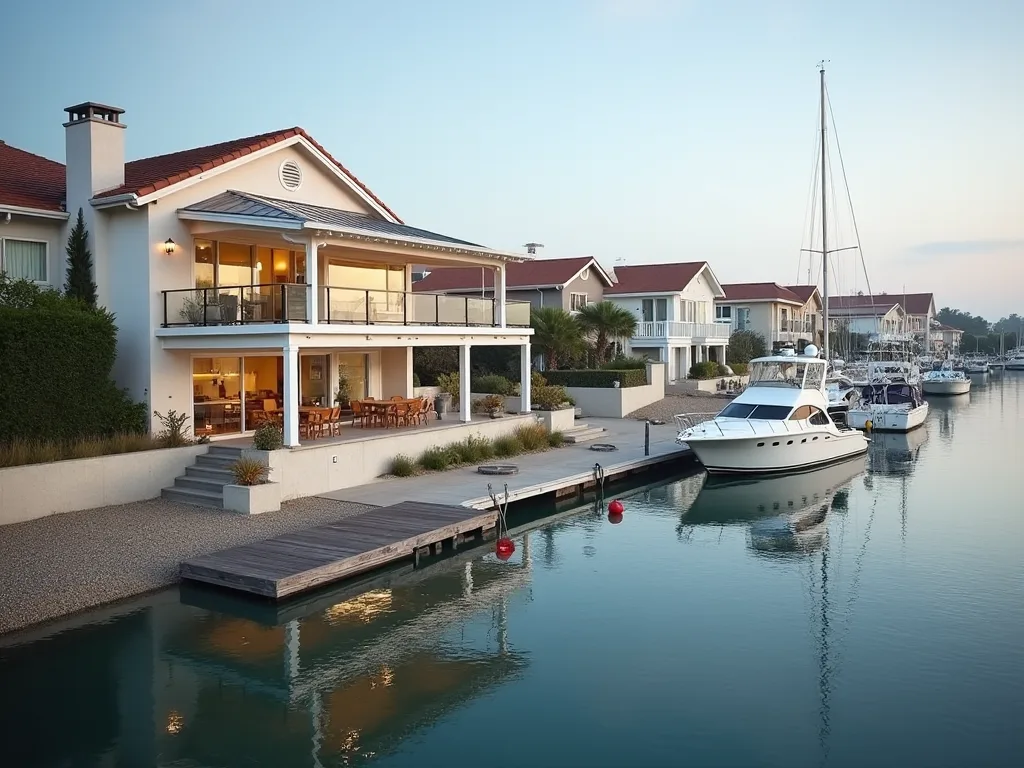
Bay and harbor properties offer protected waterfront living with calmer waters than oceanfront locations. These properties often include private docks, boat slips, and direct water access for sailing, kayaking, and other water sports. Communities like Newport Beach's harbor islands, Alameda's bay-front neighborhoods, and San Francisco's Marina District exemplify this property type.
Harbor properties appeal to boating enthusiasts and those seeking waterfront living with less exposure to ocean swells and storms. Many harbor communities feature canal systems with properties offering private docks directly accessible from backyards. These unique settings provide a distinctive lifestyle combining water access with neighborhood community.
Bay and harbor properties typically require less maintenance than oceanfront homes due to reduced salt spray and wave action. However, buyers should investigate water quality, dredging requirements for boat access, and any restrictions on dock construction or boat storage. Some harbor communities have strict architectural guidelines and use restrictions that buyers should understand before purchasing.
Lakefront Properties
California's lakefront properties, particularly around Lake Tahoe, offer alpine waterfront living with four-season recreational opportunities. These properties provide access to swimming, boating, fishing, and water sports during summer months, combined with proximity to world-class skiing during winter. Lakefront homes appeal to buyers seeking mountain retreats and outdoor recreation.
Lake Tahoe's lakefront properties command premium pricing due to limited supply and exceptional demand. Properties with private beaches, piers, and buoys are particularly valuable, as these amenities are restricted and difficult to obtain. Many lakefront owners rent their properties during peak seasons, generating substantial income to offset ownership costs.
Beyond Lake Tahoe, California offers lakefront opportunities at destinations including Big Bear Lake, Lake Arrowhead, Clear Lake, and Shasta Lake. These areas provide more accessible price points while offering similar lifestyle benefits of lakefront living. Each lake has unique characteristics, regulations, and market dynamics that buyers should research thoroughly.
Cliff and Bluff Properties
Cliff and bluff properties offer dramatic ocean views from elevated positions, providing spectacular vistas while avoiding direct beach exposure. These properties are common along California's rugged coastline, particularly in areas like Big Sur, Palos Verdes, and parts of San Diego and Orange County. Elevated positions provide privacy, expansive views, and protection from storm surge and sea level rise.
Bluff properties require careful evaluation of geological stability, erosion patterns, and setback requirements. California's coastal commission regulates development on coastal bluffs to protect against erosion and ensure public coastal access. Prospective buyers should obtain geological reports and understand any restrictions on construction, landscaping, or improvements.
Despite these considerations, bluff properties often provide exceptional value compared to beach-level oceanfront homes while offering superior views and privacy. Many buyers prefer elevated positions for the panoramic vistas and reduced maintenance compared to properties directly on the sand.
Financing California Waterfront Real Estate
Financing waterfront properties involves unique considerations compared to standard residential real estate. Understanding available financing options and lender requirements helps buyers structure successful purchases.
Conventional Mortgage Financing
Most California waterfront properties are financed through conventional mortgages, with buyers typically making down payments of 20% or more. In 2026, rates are expected to remain relatively stable, generally in the low to mid 6% range for 30-year fixed loans, making financing costs more predictable than in recent years.
Lenders evaluate waterfront properties carefully, considering factors such as flood zone designation, property condition, and market comparables. Properties in designated flood zones require flood insurance, which can significantly increase ownership costs. Buyers should obtain flood insurance quotes early in the purchase process to understand total monthly expenses.
Luxury waterfront properties exceeding conforming loan limits require jumbo financing, which typically involves stricter qualification requirements including higher credit scores, larger down payments, and more extensive documentation. However, qualified buyers can access competitive jumbo loan rates, particularly when working with lenders experienced in high-value coastal properties.
Vacation Home and Investment Property Financing
Buyers purchasing waterfront properties as vacation homes or investment properties face different financing requirements than primary residence buyers. Lenders typically require larger down payments (25-30%) for vacation homes and investment properties, with slightly higher interest rates reflecting increased risk.
Investment property buyers can potentially use projected rental income to qualify for financing, though lenders typically require substantial reserves and conservative income calculations. Properties in established vacation rental markets like Lake Tahoe, Santa Barbara, and San Diego may qualify for more favorable financing terms due to demonstrated rental demand.
Some buyers utilize 1031 exchanges to defer capital gains taxes when selling one investment property and purchasing another. This strategy can be particularly effective for waterfront properties, allowing investors to upgrade to more valuable coastal assets while preserving capital. Working with experienced tax advisors and qualified intermediaries is essential for successful 1031 exchanges.
Cash Purchases and All-Cash Offers
Cash purchases are common in California's waterfront market, particularly for luxury properties and in competitive situations. All-cash offers provide significant advantages including faster closings, no financing contingencies, and stronger negotiating positions. Sellers often prefer cash offers due to certainty of closing and reduced transaction complexity.
Buyers with substantial liquid assets should consider cash purchases even if financing is available, as the competitive advantages often outweigh the opportunity cost of deploying capital. Some buyers purchase properties with cash and subsequently refinance to extract equity while maintaining ownership, providing both competitive advantages during purchase and financial flexibility afterward.
Due Diligence for Waterfront Property Purchases
Purchasing waterfront real estate requires comprehensive due diligence beyond standard home inspections. Understanding property-specific risks and characteristics protects buyers from unexpected issues and ensures informed decision-making.
Environmental and Geological Assessments
Waterfront properties require specialized environmental and geological assessments to identify potential risks. Coastal properties should be evaluated for erosion patterns, bluff stability, and flood risks. Geological reports assess soil conditions, seismic risks, and any evidence of land movement or instability.
Environmental assessments identify potential contamination from previous uses, underground storage tanks, or nearby industrial activities. Waterfront properties, particularly those in harbors or near marinas, may have environmental concerns requiring remediation. Buyers should conduct Phase I environmental assessments on any property with commercial history or potential contamination sources.
Sea level rise projections and flood zone designations are increasingly important considerations for coastal property buyers. FEMA flood maps indicate current flood risks, though many experts believe these maps underestimate future risks from climate change. Buyers should research local sea level rise projections and consider how these might affect long-term property values and insurance costs.
Title and Boundary Issues
Waterfront properties often have complex title and boundary issues requiring careful review. Coastal properties may have public access easements, mean high tide line boundaries, or restrictions on development and improvements. Understanding these limitations before purchase prevents future disputes and disappointments.
California's Coastal Act guarantees public access to beaches below the mean high tide line, which can affect oceanfront property use and privacy. Some properties have specific public access easements requiring property owners to allow public passage across their land. Title reports should clearly identify any easements, restrictions, or encumbrances affecting property use.
Boundary surveys are essential for waterfront properties, particularly those with docks, piers, or structures extending into water. Water boundaries can shift over time due to erosion or accretion, potentially affecting property lines and ownership. Professional surveys establish accurate boundaries and identify any encroachments or disputes requiring resolution.
Regulatory and Permit Compliance
Waterfront properties are subject to extensive regulations from multiple agencies including the California Coastal Commission, regional water quality boards, and local planning departments. Buyers should verify that all existing structures and improvements have proper permits and comply with current regulations.
Unpermitted improvements can create significant problems, potentially requiring removal or expensive retrofitting to achieve compliance. Coastal properties with unpermitted decks, seawalls, or other structures may face enforcement actions requiring costly remediation. Thorough permit research during due diligence identifies these issues before purchase.
Buyers planning renovations or improvements should research permit requirements and restrictions before purchasing. Coastal development permits can be time-consuming and expensive to obtain, with no guarantee of approval. Understanding regulatory constraints helps buyers assess whether properties meet their needs or can be modified to suit their preferences.
Insurance Considerations
Insurance for waterfront properties requires careful evaluation and planning. Standard homeowners insurance may exclude or limit coverage for flood damage, requiring separate flood insurance policies. Properties in designated flood zones must carry flood insurance if financed with mortgages, though all waterfront property owners should consider this coverage regardless of requirements.
Coastal properties may face higher insurance premiums due to storm risks, salt air exposure, and replacement costs for specialized construction. Buyers should obtain insurance quotes before purchasing to understand total ownership costs. Some high-risk properties may have difficulty obtaining coverage through standard carriers, requiring specialized insurers or state-backed programs.
Umbrella liability policies are particularly important for waterfront property owners due to increased exposure from beach access, docks, and water activities. These policies provide additional liability coverage beyond standard homeowners policies, protecting owners from lawsuits related to injuries or accidents on their property.
Investment Strategies for California Waterfront Real Estate
California waterfront properties offer multiple investment strategies beyond simple buy-and-hold appreciation. Understanding these approaches helps investors maximize returns while managing risks.
Vacation Rental Income
Vacation rentals represent a popular strategy for waterfront property investors, generating income to offset ownership costs while maintaining personal use rights. California's coastal and lake communities attract millions of visitors annually, creating strong demand for vacation rentals. Properties in prime locations with desirable amenities can generate substantial rental income during peak seasons.
Successful vacation rental operations require professional management, attractive furnishings, and consistent marketing. Many owners work with property management companies handling bookings, maintenance, and guest services. While management fees reduce net income, professional management typically generates higher occupancy rates and rental income than owner-managed properties.
Investors should research local regulations governing vacation rentals before purchasing. Many California communities have implemented restrictions on short-term rentals, including permit requirements, occupancy limits, and minimum stay requirements. Some communities prohibit vacation rentals entirely in certain zones. Understanding these regulations is essential for investors relying on rental income.
Long-Term Appreciation
Long-term appreciation remains the primary investment thesis for most California waterfront property buyers. Historical data demonstrates that waterfront properties appreciate at rates exceeding inland properties due to scarcity, desirability, and limited supply. This appreciation potential, combined with personal use enjoyment, creates compelling investment returns.
Waterfront property appreciation benefits from multiple factors including California's continued economic growth, limited developable coastal land, and increasing wealth concentration among potential buyers. As more individuals accumulate wealth through technology, finance, and other industries, demand for premium waterfront properties continues growing while supply remains fixed.
Patient investors willing to hold properties for extended periods typically realize the strongest returns. Waterfront real estate should be viewed as a long-term investment rather than a short-term speculation. Transaction costs, including real estate commissions, transfer taxes, and capital gains taxes, can significantly reduce returns on short holding periods.
Value-Add Renovations
Strategic renovations can significantly increase waterfront property values, particularly for dated properties in prime locations. Modernizing kitchens and bathrooms, improving outdoor living spaces, and enhancing ocean or water views through better window placement and deck design can generate substantial returns on investment.
Waterfront renovations should prioritize improvements that maximize water views and outdoor living. Removing walls to create open floor plans, installing large windows and sliding glass doors, and creating seamless indoor-outdoor transitions appeal to waterfront buyers. High-quality finishes and materials appropriate for coastal environments ensure longevity and maintain property values.
Investors pursuing value-add strategies should carefully evaluate renovation costs and potential value increases before purchasing. Coastal construction costs typically exceed inland costs due to specialized materials, experienced contractors, and permit requirements. Working with contractors experienced in coastal construction ensures projects are completed properly and comply with all regulations.
Portfolio Diversification
Waterfront real estate provides portfolio diversification benefits for investors heavily weighted toward stocks and bonds. Real estate generally has low correlation with financial markets, providing stability during stock market volatility. Waterfront properties offer additional diversification through their unique supply-demand dynamics and lifestyle value.
High-net-worth individuals often allocate portions of their portfolios to trophy assets including waterfront real estate. These properties provide personal enjoyment, potential appreciation, and portfolio diversification. While waterfront properties may not generate cash flow comparable to other investments, the combination of use value and appreciation potential creates attractive risk-adjusted returns.
Working with Waterfront Real Estate Professionals
Successfully navigating California's waterfront real estate market requires working with experienced professionals who understand the unique characteristics and challenges of coastal and lakefront properties.
Selecting the Right Real Estate Agent
Waterfront real estate requires specialized knowledge that general practice agents may lack. Buyers and sellers should work with agents who focus on waterfront properties and have extensive experience in specific markets. These specialists understand local market dynamics, regulatory requirements, and property-specific issues that affect values and marketability.
Experienced waterfront agents maintain networks of qualified buyers, understand pricing strategies for unique properties, and can navigate complex transactions involving environmental issues, permits, and specialized financing. They also have relationships with inspectors, contractors, and other professionals experienced in waterfront properties.
When interviewing potential agents, buyers should ask about their waterfront transaction experience, market knowledge, and professional networks. Agents should demonstrate understanding of local regulations, environmental considerations, and market trends specific to waterfront properties. References from previous clients provide valuable insights into agents' capabilities and service quality.
Legal and Tax Professionals
Waterfront property transactions often benefit from legal counsel experienced in coastal real estate. Attorneys can review purchase agreements, identify potential title issues, and ensure proper handling of easements, restrictions, and regulatory compliance. Complex transactions involving multiple properties, 1031 exchanges, or entity ownership particularly benefit from legal expertise.
Tax professionals help waterfront property owners optimize their tax positions through proper entity structuring, depreciation strategies, and capital gains planning. Vacation rental properties have specific tax rules regarding personal use, rental income, and expense deductions that require professional guidance. Estate planning for valuable waterfront properties also requires specialized tax and legal expertise.
Property Inspectors and Contractors
Waterfront properties require inspections by professionals experienced with coastal construction and environmental issues. Standard home inspectors may miss problems specific to waterfront properties such as salt air corrosion, foundation issues related to sandy soils, or drainage problems. Specialized inspectors understand these issues and can identify potential problems before purchase.
Contractors working on waterfront properties should have experience with coastal construction techniques, materials, and regulations. Coastal environments require specialized materials resistant to salt air and moisture, along with construction methods that withstand wind and storm exposure. Experienced contractors understand permit requirements and can navigate regulatory processes efficiently.
Future Outlook for California Waterfront Real Estate
California's waterfront real estate market outlook remains positive despite various challenges and uncertainties. Multiple factors support continued strength in waterfront property values and demand.
Demographic Trends
California continues attracting affluent residents despite some outbound migration to lower-cost states. The state's technology sector, entertainment industry, and diverse economy generate substantial wealth, creating ongoing demand for premium properties including waterfront real estate. Remote work trends enable more individuals to live in desirable coastal locations while maintaining careers in major employment centers.
Aging baby boomers represent a significant demographic driving waterfront demand. Many are downsizing from larger homes and seeking lifestyle properties in desirable locations. Waterfront properties appeal to this demographic for their recreational opportunities, natural beauty, and resort-like amenities. This demographic trend should support waterfront demand for years to come.
Economic Factors
The key takeaway from C.A.R.'s 2026 California Housing Market Forecast is that we're looking at a period of gradual improvement. Sales and prices are projected to rise modestly, driven by falling interest rates and slightly better affordability. This balanced market environment supports sustainable growth in waterfront property values without the volatility of boom-bust cycles.
California's economy remains one of the world's largest and most diverse, providing a strong foundation for real estate values. The state's leadership in technology, entertainment, agriculture, and tourism creates wealth and employment supporting housing demand. While economic cycles affect real estate markets, California's economic diversity provides resilience during downturns.
Supply Constraints
Limited waterfront supply represents the most fundamental factor supporting long-term value appreciation. California's coastline and lakefront areas are essentially fixed resources with minimal opportunity for new development. Environmental regulations, coastal protection laws, and community opposition to development further restrict supply growth.
This supply constraint, combined with growing wealth and population, creates a structural imbalance favoring price appreciation. While short-term market fluctuations occur, the long-term trajectory for waterfront property values remains positive due to these fundamental supply-demand dynamics.
Lifestyle and Quality of Life
California's waterfront properties offer lifestyle benefits that transcend financial considerations. The ability to wake up to ocean views, walk to the beach, or enjoy water sports from your backyard creates quality of life that many buyers prioritize over pure investment returns. This lifestyle value supports demand even during economic uncertainties.
As more individuals accumulate wealth and prioritize experiences over material possessions, waterfront properties become increasingly attractive. The combination of natural beauty, recreational opportunities, and resort-like living appeals to buyers seeking to maximize their quality of life. This trend should continue supporting waterfront property demand and values.
Conclusion: Navigating California's Waterfront Real Estate Market
California's waterfront real estate market offers exceptional opportunities for buyers seeking lifestyle properties, investment returns, or both. From the dramatic Pacific coastline to pristine alpine lakes, the state's diverse waterfront locations provide options for various preferences and budgets. Understanding market dynamics, conducting thorough due diligence, and working with experienced professionals are essential for successful waterfront property transactions.
The 2026 market environment presents favorable conditions for qualified buyers, with softer prices, improving affordability, and falling mortgage rates, California's housing market enters 2026 with cautious optimism. Analysts expect steady, moderate sales growth, supported by elevated--but gradually stabilizing--inventory. Waterfront properties continue demonstrating strong fundamentals due to limited supply, consistent demand, and California's economic strength.
Prospective buyers should approach waterfront real estate with realistic expectations, adequate financial resources, and patience to find the right property. The market rewards those who conduct comprehensive research, understand local dynamics, and work with knowledgeable professionals. Whether seeking a primary residence, vacation retreat, or investment property, California's waterfront real estate offers enduring value and exceptional lifestyle benefits.
For more information about California real estate trends and market data, visit the California Association of Realtors. To explore waterfront properties and connect with experienced agents, check out Realtor.com. For insights into luxury waterfront markets, visit Christie's International Real Estate. Additional market analysis and forecasts are available through Zillow Research. For information about coastal regulations and development, consult the California Coastal Commission.