Table of Contents
The drip from the leaky faucet. The cracked tile you've been stepping around for months. The outdated vanity that's been there since the 1980s. Your bathroom—the room you start and end each day in—has become more source of frustration than sanctuary. You've scrolled through countless Pinterest boards showcasing spa-like retreats with rainfall showers and floating vanities, wondering if your cramped, dated bathroom could ever look remotely similar.
Bathroom remodels consistently rank among the highest-value home improvements, with homeowners typically recouping 60-70% of their investment at resale while enjoying daily benefits of upgraded spaces throughout ownership. Beyond financial returns, bathroom renovations dramatically improve quality of life through enhanced functionality, better storage, improved aesthetics, and creation of personal retreats where you can relax and recharge.
Yet bathroom remodeling also ranks among the most complex home improvement projects. Plumbing complications, electrical requirements, waterproofing demands, ventilation needs, and structural considerations create technical challenges that simple cosmetic updates don't face. Tight spaces constrain design options while building codes impose strict requirements. Costs escalate quickly as modest upgrades balloon into five-figure investments once hidden problems emerge or scope expands.
This comprehensive guide examines the best ways to remodel your bathroom in 2025, from current design trends and material selections to practical planning advice and budget management strategies. Whether you're planning a complete gut renovation transforming every surface and system, a mid-range refresh updating key elements while preserving the basic layout, or a cosmetic update changing aesthetics without touching plumbing or electrical, you'll find actionable guidance for creating bathrooms that are beautiful, functional, and built to last.
Planning Your Bathroom Remodel: The Foundation of Success
Before selecting tiles or shopping for vanities, investing time in thorough planning prevents costly mistakes and ensures your finished bathroom meets your needs for years to come.
Defining Your Goals and Priorities
Identify what's driving your remodel. Are you addressing functional problems—inadequate storage, poor lighting, cramped layouts, or failing fixtures? Seeking aesthetic improvements bringing your bathroom into the current century? Increasing home value before selling? Aging in place by adding accessibility features?
Understanding primary motivations guides decision-making when trade-offs arise.
List specific pain points with your current bathroom. The shower that's too small, the vanity with insufficient storage, the lack of outlets near the mirror, the poor ventilation creating mildew problems—documenting every frustration ensures your remodel addresses actual problems rather than just changing aesthetics while preserving underlying issues.
Prioritize improvements since budgets rarely accommodate everything on wish lists. Rate each desired change as essential (must-have), important (strongly desired), or nice-to-have (add if budget permits). This hierarchy guides spending decisions, ensuring critical improvements happen even if budget constraints force eliminating nice-to-haves.
Establishing Realistic Budgets
Bathroom remodel costs vary dramatically based on scope, size, finishes, and location. National averages suggest:
- Cosmetic updates (paint, fixtures, accessories): $1,500-$5,000
- Mid-range remodels (new vanity, toilet, tile, fixtures, keeping layout): $10,000-$25,000
- Upscale remodels (high-end materials, layout changes, luxury features): $25,000-$60,000+
- Luxury renovations (complete custom work, premium everything): $75,000-$150,000+
Per-square-foot costs typically range from $100-$300 for mid-range work to $300-$600+ for high-end renovations. A 50-square-foot powder room might cost $5,000-$15,000 to renovate, while a 100-square-foot primary bathroom might run $15,000-$50,000+ depending on finishes and scope.
Add 10-20% contingency above your estimated costs for unexpected issues. Bathroom remodels routinely uncover hidden problems—water damage behind walls, outdated plumbing requiring replacement, structural issues needing attention—that weren't apparent until demolition revealed them.
Understanding Scope and Timeline
Determine your remodel scope early:
Cosmetic updates leave plumbing and electrical locations unchanged, simply replacing visible finishes, fixtures, and accessories. These projects typically take 1-3 weeks and cause minimal disruption.
Layout-preserving renovations replace everything—vanity, toilet, shower/tub, flooring, walls—while keeping fixtures in existing locations. Expect 3-6 weeks and moderate disruption requiring alternative bathroom arrangements.
Complete renovations move plumbing fixtures, expand into adjacent spaces, or reconfigure layouts entirely. These projects require 6-12+ weeks, create substantial disruption, and cost significantly more due to plumbing, electrical, and structural work involved.
Timeline realities: Bathroom remodels almost always take longer than anticipated. Permit delays, material backorders, hidden problems, and subcontractor scheduling challenges extend timelines. Budget extra time beyond contractor estimates, particularly during busy spring and summer construction seasons.
Hiring Professionals vs. DIY
Complex bathroom work typically requires professional help. Plumbing, electrical, tiling, and waterproofing demand expertise that amateur DIYers lack. Poor execution creates expensive failures—leaks damaging subfloors and adjoining rooms, electrical issues creating fire hazards, improper waterproofing causing mold growth.
Licensed contractors provide expertise, proper insurance, warranties, and accountability. They handle permits, understand building codes, coordinate subcontractors, and problem-solve when challenges arise. Costs are higher than DIY but usually worth it for complex work.
DIY can work for cosmetic improvements—painting, replacing fixtures, installing new mirrors and lighting, updating hardware. These projects require basic skills and carry limited risk if done incorrectly. However, know your limits and hire professionals for work beyond your abilities.
Get multiple quotes from at least three licensed, insured contractors. Compare not just prices but scope of work, materials specified, timeline estimates, payment terms, and contractor experience with similar projects. Check references, verify licenses and insurance, and review past work if possible.
Current Bathroom Design Trends for 2025
Understanding current design trends helps create bathrooms that feel contemporary and fresh while avoiding dated choices you'll regret in a few years.
1. Sustainable and Eco-Friendly Materials
Environmental consciousness has moved from niche concern to mainstream priority, with homeowners increasingly seeking sustainable bathroom materials that reduce environmental impact without sacrificing aesthetics or performance.
Reclaimed and Recycled Materials
Reclaimed wood for vanities, shelving, and accent walls provides unique character while preventing perfectly usable wood from ending up in landfills. Each piece tells a story through weathering, nail holes, and patina impossible to replicate in new materials. Barn wood, old growth timber, and salvaged industrial lumber create warmth and texture in bathrooms while embodying sustainability principles.
Pricing for reclaimed wood runs $8-$25 per square foot depending on species, condition, and processing—comparable to mid-range new hardwoods but with far greater character. Installation requires skilled carpenters familiar with working with irregular materials and sealing properly for bathroom moisture.
Recycled glass tile transforms discarded bottles and other glass products into stunning mosaic tiles, countertops, and terrazzo-style surfaces. These tiles come in virtually infinite colors since they're made from colored glass, creating opportunities for bold designs while diverting waste from landfills. Brands like Oceanside Glass & Tile and Bedrosians offer extensive recycled glass collections at prices ($15-$40 per square foot) competitive with premium conventional tiles.
Recycled metal accents including copper, brass, and aluminum add industrial chic character while demonstrating commitment to sustainability. Recycled content doesn't compromise performance—these metals perform identically to virgin materials while requiring far less energy to produce.
Rapidly Renewable Materials
Bamboo grows to harvest maturity in 3-5 years compared to 20-120 years for hardwood trees, making it rapidly renewable. Strand-woven bamboo rivals hardwood durability while offering distinctive linear grain patterns. Use bamboo for vanities, shelving, and accessories where its warm tones and sustainability story enhance bathroom character.
Cork flooring harvested from bark of cork oak trees without killing them provides sustainable, water-resistant, comfortable flooring. Cork's natural antimicrobial properties, sound-dampening qualities, and resilience underfoot create practical advantages alongside environmental benefits. Modern cork tiles ($4-$8 per square foot) feature diverse colors and patterns far beyond traditional cork boards, making cork viable for style-conscious bathrooms.
Natural linoleum (not vinyl, which is petroleum-based) made from linseed oil, wood flour, cork dust, and jute backing provides another eco-friendly flooring option. Marmoleum and similar products offer excellent durability, diverse colors and patterns, and antimicrobial properties while being completely biodegradable at end-of-life.
Low-VOC and Non-Toxic Finishes
Volatile organic compounds (VOCs) in paints, adhesives, sealants, and finishes release harmful chemicals into indoor air for months or years after application. Bathrooms' enclosed spaces with often-limited ventilation make VOC exposure particularly concerning.
Zero-VOC or low-VOC paints from brands like Benjamin Moore Natura, Sherwin-Williams Harmony, and Behr Premium Plus eliminate or minimize harmful emissions while providing excellent coverage and durability. These paints cost $5-$15 more per gallon than conventional paints—a modest premium for dramatically improved indoor air quality.
Natural plasters and lime washes provide beautiful, textured wall finishes while being completely non-toxic and naturally mold-resistant. These traditional materials create sophisticated European aesthetics while supporting healthy indoor environments.
Water-based polyurethanes and natural oil finishes for wood elements avoid toxic solvents while providing adequate protection in bathroom environments when properly applied.
Water Conservation Fixtures
Sustainability extends beyond materials to fixture selection. Modern low-flow toilets, faucets, and showerheads dramatically reduce water consumption without sacrificing performance:
WaterSense-labeled toilets use 1.28 gallons per flush or less (compared to older toilets using 3.5-7 gallons) while maintaining excellent flushing performance through better engineering. A family of four replacing old toilets with WaterSense models saves approximately 13,000 gallons annually—$130+ at typical water and sewer rates.
Low-flow showerheads (2.0 GPM or less) reduce water consumption by 30-50% compared to older 3.5-5.0 GPM heads while maintaining satisfying pressure through aeration and flow optimization. The savings on water heating costs alone often pays for premium showerheads within a year.
Aerating faucets reduce flow to 1.5 GPM or less while mixing air with water streams to maintain apparent flow. Again, savings from reduced water heating costs justify modest fixture premiums.
2. Statement Bathtubs: Sculptural Focal Points
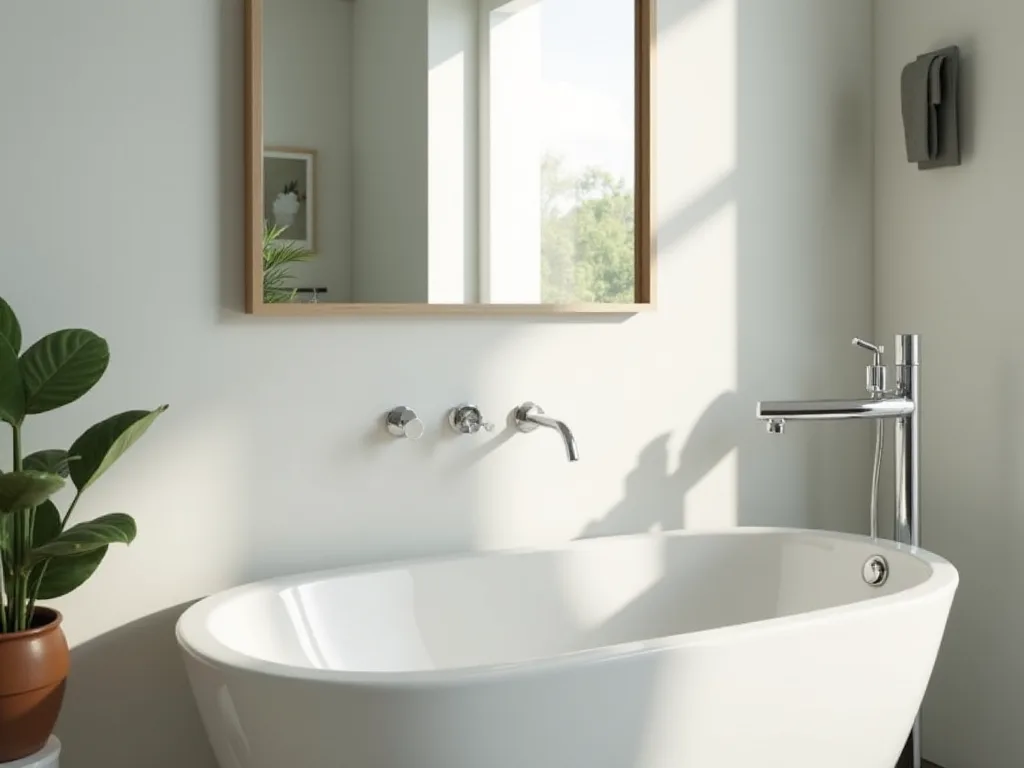
Freestanding bathtubs have evolved from luxury splurges to attainable centerpieces creating dramatic impact in primary bathrooms. These sculptural elements combine functional bathing with artistic expression, immediately elevating bathroom aesthetics.
Freestanding Tub Styles
Classic clawfoot tubs in cast iron or acrylic provide timeless elegance suited to traditional and transitional bathrooms. Vintage-inspired rolled rims, decorative feet (ball and claw, slipper, or pedestal bases), and white or colored finishes create romantic, old-world character. Prices range from $800-$3,000 for quality reproductions to $5,000+ for refinished antiques or premium cast iron.
Modern soaking tubs with clean lines and minimalist forms suit contemporary aesthetics. Oval, rectangular, and asymmetric shapes in glossy white, matte finishes, or even stone-look resins create spa-like focal points. These tubs emphasize deep immersion and ergonomic comfort over decorative details. Acrylic and composite tubs cost $1,200-$4,000, while stone resin and engineered stone versions run $3,000-$8,000+.
Japanese soaking tubs (ofuro) feature deeper, more compact designs encouraging seated soaking rather than reclining. These space-efficient tubs fit smaller bathrooms while providing full-immersion bathing experiences. Traditional hinoki wood versions cost $3,000-$10,000+ but create stunning focal points with aromatic wood character, while acrylic replicas offer similar aesthetics at $1,500-$3,500.
Egg-shaped and sculptural tubs push design boundaries with dramatic forms functioning as bathroom artwork. These statement pieces command attention and suit bathrooms where the tub is the undisputed centerpiece. Expect $4,000-$15,000+ for these dramatic designs.
Material Considerations
Cast iron tubs provide exceptional heat retention, durability, and quality feel but weigh 300-500+ pounds requiring structural support verification. The weight and installation complexity add costs but deliver tubs lasting 50-100+ years with proper care.
Acrylic tubs offer excellent performance at moderate cost, weighing 75-150 pounds for easier installation. Quality acrylic resists scratching, maintains consistent temperatures, and comes in endless shapes and colors. Expect 10-15 year lifespans with proper care—shorter than cast iron but adequate for most homeowners.
Stone resin and composite materials blend crushed stone with resins creating luxurious tubs with stone-like appearance and excellent heat retention at 200-300 pounds—heavier than acrylic but lighter than cast iron. These premium materials cost more but deliver superior aesthetics and durability.
Copper and other metals create stunning statement tubs with living finishes that develop character over time. These artistic pieces function as much as sculpture as bathing vessels, commanding premium prices ($5,000-$20,000+) justified by their visual impact.
Installation Considerations
Freestanding tubs require:
Floor-mounted faucets or tub-mounted faucets rather than wall-mounted options, adding complexity and cost to plumbing installations. Floor-mounted faucets ($400-$2,000+) require running supply lines under the floor, while tub-edge mounted faucets drill through tub sides.
Structural support verification since freestanding tubs full of water and bathers can weigh 1,000-1,500+ pounds concentrated in small footprints. Older homes may require floor reinforcement adding $500-$2,000+ to installation costs.
Proper drainage positioned to access existing or new drain lines. Freestanding tub placement flexibility is limited by drain locations unless you're willing to reroute plumbing—expensive in existing homes.
Adequate space around the tub for cleaning and maintenance. Freestanding tubs need 6-12 inches clearance on sides for access—failing to account for this creates frustration.
3. Spa-Like Showers: Daily Luxury Experiences
Walk-in showers with spa-inspired features have largely replaced combination tub/showers in primary bathrooms, reflecting changing preferences toward quick, luxurious showering over time-consuming bathing.
Luxury Shower Features
Rainfall showerheads mounted in ceilings provide gentle, enveloping water coverage mimicking natural rain. These large-format heads (typically 8-16 inches diameter) create luxurious experiences unavailable from wall-mounted heads. Quality rain heads cost $150-$800, with high-end models exceeding $2,000.
Multiple spray options through showerhead systems combining rain heads with handheld wands, body sprays, and adjustable-pattern heads allow customizing experiences to preferences and tasks. Shower panels ($300-$2,000) integrate multiple spray options into single units simplifying installation.
Body jets positioned at torso and leg heights provide therapeutic massage and complete body coverage. Two to six jets ($50-$200 each) create comprehensive coverage requiring substantial water flow (calculate total GPM ensuring your water heater and supply lines can deliver adequate volume).
Steam capabilities convert showers into personal steam rooms through sealed enclosures and steam generators. This ultimate luxury feature requires completely enclosed shower spaces (no gaps), waterproof enclosures, and dedicated steam generators ($1,500-$4,000) but delivers spa experiences at home.
Digital controls allow precise temperature and flow control, pre-programmed preferences for different users, and smartphone/voice control in smart home integrated systems. Moen, Kohler, and Delta offer digital shower systems ($1,200-$4,000+) bringing technology into bathing experiences.
Curbless and Barrier-Free Designs
Curbless showers eliminate traditional raised thresholds, creating seamless floor transitions that make bathrooms feel more spacious, improve accessibility, and simplify cleaning. This European design approach has become mainstream in American bathrooms.
Installation requirements include:
Proper drainage through linear drains or center drains positioned to slope entire shower floor (and sometimes adjacent bathroom floor) toward drains. Linear drains positioned along shower entries create minimal slope requirements and clean aesthetics.
Adequate slope (typically 1/4 inch per foot minimum) ensuring water flows to drains without puddling. Achieving this slope sometimes requires raising entire bathroom floors or lowering shower floors—both adding costs.
Waterproofing excellence becomes even more critical in curbless showers since water can potentially flow into adjacent spaces. Liquid-applied membranes, sheet membranes, and meticulous detail work at transitions prevent leaks.
Glass enclosures (or none) rather than shower curtains maintain open, flowing aesthetics curbless designs create. Frameless glass ($1,000-$3,000 installed) provides cleanest look but costs more than framed options ($400-$800).
Built-In Seating and Niches
Integrated shower benches provide comfortable seating for shaving, relaxing, or accessibility needs. Tiled benches built during construction or wall-mounted fold-down seats added later both work, though built-in options look more integrated.
Shower niches recessed into walls provide waterproof storage for toiletries without cluttering shower floors or hanging from showerheads. Standard 12"x12" or 12"x24" niches accommodate most products, while multiple niches at different heights serve different family members.
4. Smart Technology Integration
Bathroom technology has evolved far beyond heated towel racks, with innovative products enhancing convenience, comfort, and efficiency while creating genuinely futuristic experiences.
Heated Floors
Radiant floor heating transforms cold tile floors into warm, comfortable surfaces—one of the most appreciated luxury upgrades in bathrooms. Electric radiant systems ($10-$20 per square foot installed) work well for bathrooms, warming floors in 30-45 minutes when triggered by programmable thermostats or timers.
Installation happens during floor replacement, with heating mats or cables embedded in thinset beneath tile. Retrofitting existing bathrooms requires removing and replacing flooring—expensive but potentially worth it for the comfort gained.
Operating costs are modest—perhaps $0.25-$0.75 daily in cold months to warm a 50-square-foot bathroom floor for morning and evening hours. The luxury of stepping onto warm tile rather than cold stone justifies modest energy use for most users.
Smart Mirrors
High-tech mirrors integrate LED lighting, defoggers, touch controls, Bluetooth speakers, and even displays showing weather, news, calendars, and other information. These connected devices transform routine grooming into enhanced experiences.
LED-lit mirrors ($200-$2,000) provide excellent, shadow-free lighting for makeup application and grooming while consuming minimal energy. Color temperature adjustability (2700K-6500K) allows switching between warm morning light and bright daylight-balanced illumination.
Defogging features using embedded heating elements clear steam instantly rather than waiting for bathroom ventilation to work gradually. This simple feature eliminates frustration of foggy mirrors after showers.
Smart displays embedded in mirrors ($500-$3,000) show information useful during morning routines—weather forecasts, traffic reports, calendar appointments, news headlines—without requiring phones or tablets in potentially wet bathroom environments.
Digital Shower Controls
Programmable shower systems allow presetting temperature, flow rate, and spray patterns, then activating with button presses or voice commands. Family members can save personal preferences, ensuring comfortable water temperature instantly without manual adjustment.
Remote activation via smartphone apps allows starting showers from bed, ensuring comfortable temperatures by the time you reach the bathroom—a luxury appreciated on cold mornings.
Voice control integration with Alexa, Google Assistant, or Siri provides hands-free operation. "Start my shower" or "Set shower to 102 degrees" commands deliver ultimate convenience.
Smart Toilets
High-tech toilets common in Asia for decades are gaining American acceptance, offering features like:
Integrated bidets providing adjustable water spray, temperature control, and air drying eliminating toilet paper needs for most uses. This improves hygiene while reducing environmental impact and ongoing costs.
Heated seats provide comfort during cold weather—simple but genuinely appreciated luxury.
Automatic open/close lids triggered by approaching the toilet or pressing buttons add convenience and hygiene by eliminating need to touch lids.
Deodorizing systems using activated charcoal or other methods neutralize odors automatically.
Night lights glow softly for nighttime bathroom visits without harsh overhead lights disrupting sleep.
Expect $1,200-$8,000 for quality smart toilets from TOTO, Kohler, American Standard, and others—substantial investment but one delivering daily value over decades of use.
Voice-Activated Lighting and Ventilation
Smart lighting controlled by voice, motion sensors, or smartphone apps enhances convenience and energy efficiency. "Bathroom lights on" commands eliminate fumbling for switches with wet hands, while motion-sensing activation provides automatic lighting without switches.
Programmable ventilation running automatically during and after showers prevents mold growth while eliminating need to remember switching fans on or off. Humidity-sensing fans activate automatically when humidity rises and run until properly dried.
5. Bold Wallpaper and Statement Walls
After decades of painted drywall dominance, wallpaper has returned as viable bathroom option thanks to improved materials and techniques addressing moisture concerns that previously made wallpaper problematic in bathrooms.
Moisture-Resistant Wallpaper Options
Vinyl-coated wallpaper features protective layers making surfaces waterproof and scrubbable—essential for bathroom durability. These papers withstand humidity, temperature changes, and occasional splashing far better than traditional papers.
Solid vinyl wallpaper (vinyl throughout rather than just coating) provides maximum durability and moisture resistance. Expect $30-$100+ per roll depending on patterns and quality—more than basic papers but justified by bathroom-specific performance.
Grasscloth and natural fiber wallpapers provide stunning texture and organic beauty but require special treatments for bathroom use. Treated grasscloths ($60-$150+ per roll) combine natural aesthetics with improved moisture resistance, though they're still best used in powder rooms or well-ventilated primary bathrooms rather than highly humid spaces.
Design Approaches
Accent walls behind vanities, opposite entries, or in water closet areas provide bold focal points without overwhelming small spaces with pattern. Single statement walls let you embrace dramatic patterns or colors you might find overwhelming if used throughout.
Ceiling wallpaper creates unexpected visual interest often called the "fifth wall." Bold patterns on ceilings draw eyes upward, making spaces feel taller while providing drama visible from vanities and soaking tubs where you're looking up.
Geometric patterns from art deco-inspired designs to modern tessellations create visual interest and contemporary energy. Bold geometrics work particularly well in powder rooms where small spaces allow dramatic choices.
Botanical prints from traditional William Morris-style florals to contemporary tropical leaves bring nature indoors while creating spa-like tranquility. These patterns particularly suit bathrooms emphasizing organic, natural design themes.
Textured and metallic papers add depth and luxury through physical texture or metallic inks catching light. These sophisticated patterns create elegance without busy visual patterns.
Installation and Maintenance
Professional installation is strongly recommended for bathroom wallpaper. Proper surface preparation, precise pattern matching, and meticulous edge sealing prevent moisture problems and ensure longevity. Expect $2-$4 per square foot for professional installation beyond material costs.
Adequate ventilation prevents moisture buildup that even bathroom-rated wallpaper can't tolerate indefinitely. Ensure exhaust fans run during and after showers, removing humidity before it damages wallpaper.
Seal edges thoroughly at ceilings, baseboards, and around fixtures preventing moisture infiltration behind paper where it causes peeling and mold growth.
6. Matte Black Fixtures: Modern Sophistication
Matte black finishes on faucets, showerheads, hardware, and accessories remain intensely popular, providing dramatic contrast and contemporary sophistication that works across various design styles from industrial to modern farmhouse.
Advantages of Matte Black
Visual impact creates instant drama and modernity. Black fixtures against white walls and countertops generate striking contrast impossible with traditional chrome or brushed nickel. Even in darker bathrooms, black fixtures provide definition and visual interest.
Versatility works with multiple aesthetics—contemporary, transitional, industrial, modern farmhouse, even traditional when carefully executed. Black's neutrality allows it to work with nearly any color palette.
Hides water spots and fingerprints better than shiny chrome or even brushed finishes, maintaining cleaner appearances between cleaning. While not invisible to hard water deposits, matte black shows them less obviously than reflective finishes.
Ages well as a truly timeless finish alongside polished nickel and oil-rubbed bronze—unlikely to look dated in 5-10 years the way trendy finishes might.
Coordinating Matte Black Elements
Complete coordination throughout bathrooms—faucets, showerheads, tub fillers, towel bars, toilet paper holders, cabinet hardware—creates cohesive, intentional designs. Mixing black with other finishes can work but requires design skill avoiding random, disconnected appearances.
Pairing with light surroundings maximizes impact—white walls, light cabinetry, white or light-colored tile allows black fixtures to pop dramatically. Black-on-black creates sophisticated monochrome but loses the contrast that makes matte black special.
Consider maintenance: While matte black hides water spots better than chrome, it's not immune to visible fingerprints, soap scum, and hard water deposits. Regular cleaning maintains appearances, and hard water may require water softeners preventing mineral buildup.
Premium Brands and Pricing
Quality matters with matte black finishes since cheaper versions can wear unevenly or corrode, revealing underlying metals. Invest in reputable brands:
Kohler, Delta, Moen, and Brizo offer extensive matte black collections ($150-$800+ for faucets, $100-$500 for showerheads) with durable finishes and reliable warranties.
Premium European brands like Grohe, Hansgrohe, and Rohl provide ultra-premium options ($400-$2,000+ for faucets) with superior engineering and finishes justifying costs for discerning clients.
7. Natural Elements: Bringing the Outdoors In
Biophilic design—incorporating natural materials and elements—creates calming, spa-like bathrooms that promote wellbeing and connection to nature, counterbalancing modern life's digital intensity.
Wood Accents
Wood in bathrooms requires careful selection of water-resistant species and proper sealing, but when done correctly creates warmth and organic beauty impossible with synthetic materials.
Teak is naturally water-resistant with oils protecting against moisture damage, making it ideal for bathroom applications from vanities to shower benches. Teak shower stools ($80-$300) and vanities ($800-$4,000+) provide beauty and durability.
Cedar offers natural moisture resistance and aromatic properties creating spa-like sensory experiences. Cedar accent walls or ceiling panels introduce wood without high-moisture exposure.
White oak properly sealed works well for vanities and shelving, offering light coloration and distinctive grain patterns. Marine-grade sealants or water-based polyurethanes provide adequate protection.
Live edge vanities using slabs preserving natural edge create stunning focal points celebrating wood's organic beauty. These custom pieces ($1,500-$8,000+) become bathroom centerpieces commanding attention.
Stone Features
Natural stone brings earthy elegance and connection to nature while providing durability and timeless aesthetics.
Stone accent walls using stacked stone, river rock, or dimensional stone tile create textured focal points evoking natural environments. Installation costs run $15-$40 per square foot including materials and labor.
Stone vessel sinks carved from marble, granite, onyx, or other natural stone make dramatic statements. Each sink is unique with natural veining and coloration. Expect $300-$2,000+ for quality stone vessels.
Pebble flooring using smooth river stones set in mortar creates massage-like texture underfoot while connecting to natural water themes. These specialty floors ($25-$40 per square foot installed) work particularly well in shower floors.
Indoor Plants
Greenery introduces life and improves air quality while enhancing spa-like ambiance, but requires selecting species tolerating bathroom conditions—high humidity, variable light, temperature fluctuations.
Low-light plants like pothos, snake plants, and ZZ plants thrive in bathrooms with limited natural light while actively purifying air. These easy-care plants suit beginners and busy households.
Humidity-loving plants including ferns, orchids, and air plants appreciate bathroom moisture, growing more vigorously than in drier rooms. These plants create lush, tropical aesthetics.
Placement considerations include keeping plants away from direct shower spray (which can damage leaves), positioning where they receive adequate light (even low-light plants need some illumination), and ensuring drainage prevents water pooling in decorative containers.
8. Floating Vanities: Modern Space and Style
Wall-mounted vanities create contemporary aesthetics while providing practical advantages particularly valuable in smaller bathrooms where every visual trick to increase perceived space matters.
Benefits of Floating Vanities
Visual space increases dramatically when floor space beneath vanities remains visible. This unobstructed floor view makes small bathrooms feel significantly larger than the same physical dimensions with floor-mounted vanities.
Easy cleaning since no vanity base obstructs floor beneath. Sweeping and mopping extend completely under vanities rather than requiring working around bases and legs. This practical advantage alone justifies floating vanities for many homeowners.
Adjustable height during installation allows positioning vanities at optimal heights for household members rather than accepting standard 32-34 inch heights that don't work well for tall or short users. Custom heights improve ergonomics and comfort.
Modern aesthetic immediately reads as contemporary and current. Floating vanities suit modern, transitional, and even contemporary interpretations of traditional styles.
Installation Requirements
Proper backing is essential since vanities must support their own weight plus countertop, sink, and user loads (leaning while brushing teeth, etc.). Blocking between studs or plywood mounted to studs provides solid anchoring surfaces.
Wall strength becomes critical—hollow drywall alone cannot support floating vanities. Professional installation ensuring proper support prevents catastrophic failures. Installation costs run $150-$400 beyond vanity price depending on complexity.
Plumbing considerations require supply lines and drain pipes mounting within walls rather than rising from floors. This works fine in new construction but complicates retrofits into existing bathrooms with floor-mounted plumbing.
Style and Material Options
Modern wood vanities in walnut, white oak, or teak provide warmth and organic texture while maintaining clean lines. Floating wood vanities cost $800-$3,000 for quality pieces.
High-gloss lacquer finishes in white, gray, or bold colors create ultra-contemporary looks with reflective surfaces amplifying light. These dramatic vanities ($1,200-$4,000) suit bold, modern bathrooms.
Concrete and stone vanities make substantial statements with heavy materials appearing to float impossibly—visual contradiction creating interest. These custom pieces ($2,000-$8,000+) become focal points.
Storage Considerations
Limited storage represents floating vanities' main drawback compared to traditional vanities extending to floors with base cabinets. Mitigate through:
Drawer organization systems maximizing usable space within drawer volume Medicine cabinets and wall-mounted cabinets supplementing vanity storage Open shelving beneath vanities (negating clean-floor advantage but adding storage) Thoughtful decluttering limiting bathroom items to essentials fitting available space
9. Statement Lighting: Illuminating Design
Bathroom lighting serves functional needs (grooming tasks requiring excellent lighting) while dramatically affecting ambiance and aesthetics. Thoughtful lighting design transforms bathrooms from purely utilitarian to welcoming, spa-like retreats.
Layered Lighting Approach
Task lighting focused at vanities provides shadow-free illumination for grooming, makeup application, and other detail-oriented activities. Vertically-mounted sconces flanking mirrors at face height (60-68 inches to center) or horizontal vanity lights above mirrors work best.
LED bulbs (2700-3000K for flattering warm light, or 4000-5000K for accurate daylight-balanced light) provide excellent color rendering ensuring you see yourself accurately. Dimming capability allows adjusting brightness to needs and times of day.
Ambient lighting providing general illumination comes from recessed ceiling lights, pendant lights, or chandeliers. This layer creates overall brightness making bathrooms safe and functional beyond task-specific areas.
Accent lighting highlights architectural features, artwork, or design elements through spotlights, tape lighting, or artistic fixtures. In-shower lighting, under-cabinet lighting, or lighting highlighting textured walls adds drama.
Statement Fixture Styles
Chandeliers in bathrooms were once unthinkable but now appear regularly in primary bathrooms, particularly powder rooms where size allows. Crystal chandeliers create glamorous elegance, while modern geometric chandeliers suit contemporary spaces. Expect $300-$3,000+ depending on size and quality.
Pendant lights flanking mirrors or hanging from high ceilings provide focused illumination with artistic flair. Glass pendants, industrial-style metal shades, and sculptural modern designs all work depending on bathroom aesthetics.
Artistic sconces range from modern wall sculptures with integrated LEDs to classic candle-style sconces to industrial pipe-style fixtures. Quality sconces ($150-$800 per pair) dramatically upgrade vanity areas.
Backlit mirrors integrate lighting directly into mirrors through LED strips around perimeters or behind mirrors. This seamless approach provides excellent task lighting while creating floating-mirror illusions.
Placement Guidelines
Vanity lighting should:
- Provide at least 150 watts equivalent illumination for adequate brightness
- Position at face height rather than overhead to minimize shadows
- Space sconces 60-72 inches apart for double vanities ensuring proper coverage
- Use dimmers allowing adjustment from bright task lighting to gentle ambient glow
Shower and tub lighting requires vapor-rated fixtures withstanding moisture and steam. Recessed LED fixtures ($40-$150 each) provide focused illumination making showers safer and more luxurious.
Overall room lighting should provide sufficient illumination making bathrooms safe for nighttime use while supporting cleaning and maintenance tasks requiring good visibility.
10. Custom Storage Solutions: Everything in Its Place
Inadequate storage ranks among the most common bathroom complaints, with cluttered counters, overflowing cabinets, and lack of organization creating daily frustration. Thoughtful storage design makes bathrooms more functional and pleasant.
Built-In Storage Options
Recessed medicine cabinets installed between studs maximize storage without protruding into room space. Mirrored fronts serve dual purposes while concealing storage. Modern frameless designs ($200-$800) integrate seamlessly into walls.
Shower niches discussed previously provide waterproof storage within showers, eliminating clutter from tub edges and shower floors. Multiple niches at different heights accommodate varying user heights and product sizes.
Built-in linen closets where space permits provide substantial storage for towels, toiletries, and cleaning supplies. Even shallow 12-15 inch deep closets offer significant capacity when utilizing full floor-to-ceiling height.
Recessed shelving between studs creates storage without sacrificing floor space—ideal for displaying decorative items, storing daily essentials, or organizing toiletries.
Vanity Organization
Drawer dividers and organizer inserts transform cluttered vanity drawers into organized storage where everything has designated places. Adjustable dividers ($20-$60) accommodate various item sizes and changing needs.
Pull-out organizers for deep lower cabinets prevent items becoming lost in back corners. Two-tier pull-out shelves ($40-$100) maximize vertical space while maintaining accessibility.
Under-sink organization challenges created by plumbing obstacles can be addressed through pull-out caddies designed around pipes, tiered shelving, or over-door organizers adding storage to cabinet backs.
Vertical Space Utilization
Tall storage cabinets extending to ceilings maximize volume in compact footprints. Floor-to-ceiling linen towers ($300-$1,200) provide substantial storage in just 12-18 inches of width.
Open shelving above toilets or at unused wall spaces creates storage and display opportunities. Floating shelves ($30-$150 per shelf depending on material and length) add function without visual bulk.
Over-toilet storage units ($100-$400) transform typically wasted space into functional storage while providing styling surfaces.
Smart Organization Products
Drawer charging stations with built-in electrical outlets allow storing and charging grooming tools (electric toothbrushes, shavers, hair tools) within drawers rather than cluttering counters.
Pull-out hampers integrated into vanity cabinets hide laundry while maintaining easy access. These clever solutions ($60-$150) improve aesthetics and functionality simultaneously.
Towel warmers that are wall-mounted or freestanding ($150-$600) provide luxury of warm towels after bathing while organizing towel storage.
Navigating the Remodeling Process
Understanding what happens during bathroom remodels helps you prepare mentally, logistically, and financially for the disruption ahead.
Permitting and Code Compliance
Most bathroom remodels require permits for plumbing, electrical, and structural work. Permit requirements vary by jurisdiction but generally include:
Plumbing permits for moving fixtures, replacing water heaters, or modifying supply or drain lines Electrical permits for new circuits, relocating outlets, or installing new lighting Structural permits for removing walls or opening ceilings General building permits for comprehensive remodels even without structural changes
Professional contractors typically handle permitting, including costs ($200-$1,000+ depending on scope) in their bids. DIY remodelers must obtain permits themselves, which can be challenging if unfamiliar with processes and requirements.
Code compliance ensures safety but also affects resale—unpermitted work creates issues during home sales, with buyers' lenders often requiring documentation of permits for bathroom work. Skipping permits to save money and time creates future problems exceeding any short-term benefits.
Living Without Your Bathroom
Extended bathroom unavailability creates significant disruption requiring advance planning:
Establish alternative bathroom facilities through other household bathrooms, or in extreme cases, temporary solutions like portable toilets (for extended renovations with no other bathrooms).
Plan timing strategically around work schedules, school calendars, and household needs. Avoid renovating during holiday periods or when hosting guests.
Create bathroom staging areas in adjacent rooms for temporarily storing toiletries, towels, and daily-use items rather than constantly transporting them.
Communicate clearly with contractors about daily cleanup expectations, dust containment, and restoring minimum functionality at day's end for bathrooms adjacent to work areas.
Managing Surprises and Changes
Expect the unexpected. Virtually every bathroom remodel uncovers issues not apparent during planning:
Hidden water damage from old leaks requiring subfloor replacement, joist repair, or mold remediation Outdated plumbing with supply lines or drain pipes that should be replaced even if not strictly necessary Electrical deficiencies like ungrounded circuits or inadequate wiring requiring upgrades Structural surprises like missing framing members, settlement issues, or previous unprofessional repairs requiring correction
Budget contingency (10-20% above estimated costs) covers these surprises without derailing projects. When surprises emerge, evaluate carefully—some require immediate attention for safety or code compliance, while others are optional improvements you can defer.
Change orders documenting scope changes, costs, and timeline impacts protect both homeowners and contractors. Get everything in writing rather than relying on verbal agreements about additional work.
Bathroom Remodel Mistakes to Avoid
Learning from others' expensive mistakes helps you sidestep common pitfalls.
Poor Ventilation
Inadequate exhaust fans are among the most common mistakes, creating mold, mildew, peeling paint, and deteriorating materials. Properly sized fans (calculate CFM based on bathroom square footage—1 CFM per square foot minimum, more for large or high-moisture bathrooms) venting directly outdoors prevent moisture problems.
Running exhaust fans during and 20-30 minutes after showers removes humidity before it damages materials. Automatic humidity-sensing fans or timer switches ensure adequate ventilation without remembering to run fans manually.
Inadequate Lighting
Single overhead lights create shadows making grooming tasks difficult and miss opportunities for creating ambiance. Layer task, ambient, and accent lighting as discussed previously.
No dimming capability restricts lighting to single bright settings rather than adjusting to needs and times of day. Add dimmers ($20-$80) to all lighting circuits for flexibility.
Ignoring Storage Needs
Beautiful designs that look stunning in photos but lack functional storage create daily frustration. Honestly assess your storage needs before finalizing plans—better to have adequate storage with slightly less dramatic aesthetics than beautiful bathrooms requiring keeping most items elsewhere.
Trendy Choices You'll Regret
Extremely trendy finishes or color schemes might look current today but can date quickly. Bold accent walls or accessories are easily changed, but trendy tile covering entire bathrooms or expensive custom vanities in on-trend colors become expensive mistakes if tastes change or you sell to buyers with different preferences.
Timeless neutrals for expensive, permanent elements (tile, vanities, tubs) with personality through easily updated elements (paint, accessories, textiles) creates flexibility and longevity.
DIY Beyond Your Skills
Attempting complex work without adequate skills creates expensive do-overs when you eventually hire professionals to fix mistakes. Be honest about abilities and hire professionals for plumbing, electrical, tiling, and waterproofing unless you have genuine expertise.
Conclusion: Creating Your Dream Bathroom
Bathroom remodeling represents one of the most rewarding home improvement investments, transforming spaces you use daily from purely functional to genuinely enjoyable. Whether you're creating a spa-like primary bathroom retreat, updating a tired guest bath, or adding a powder room, thoughtful design incorporating current trends while maintaining timeless appeal creates bathrooms serving you well for decades.
The best bathroom remodels balance aesthetics with functionality, incorporating beautiful materials and fixtures while addressing practical needs for storage, lighting, and layout efficiency. Sustainability considerations selecting eco-friendly materials, water-conserving fixtures, and durable products that minimize environmental impact create bathrooms aligning with values while performing excellently.
Success requires careful planning establishing clear goals and realistic budgets, thoughtful design considering how you actually use bathrooms rather than just how they look in photos, quality execution through experienced professionals or very careful DIY, and patience accepting that good work takes time and surprises are inevitable.
Start your bathroom remodel journey by clarifying your vision, establishing your budget, and educating yourself about options, trends, and processes. Whether you're drawn to sustainable materials, spa-like showers, smart technology integration, or statement design elements, the ideas explored in this guide provide foundations for creating bathrooms that are beautiful, functional, and uniquely yours.
The bathroom you dream about—that serene space where you start each day feeling refreshed and end each evening relaxing in comfort—is achievable through thoughtful planning, smart investments, and patience during the remodeling process. By incorporating the best current practices and design trends while maintaining focus on your specific needs and preferences, you can create bathrooms exceeding your expectations and providing daily value for years to come.
Additional Resources
Expand your bathroom remodeling knowledge:
Learn more about how your house works.
Additional Reading
Check out more of our blog posts and the Money Viper podcast.
