
Table of Contents
The sun sets over your neighborhood, but your home continues running on pure solar energy. Your refrigerator hums along, lights illuminate your living room, and your air conditioning maintains comfortable temperatures—all powered by sunshine captured hours earlier and stored in batteries mounted in your garage. This isn't a distant future fantasy but today's reality for hundreds of thousands of homeowners who've discovered that solar panels alone tell only half the energy independence story.
Pairing solar panels with battery storage has fundamentally transformed residential solar energy from a grid-dependent supplement into a comprehensive power solution offering genuine energy independence. Without batteries, solar panels generate electricity only during daylight hours, forcing you to draw from the grid every evening and night. Any excess daytime generation flows back to the utility, often with minimal financial compensation. During power outages, even homes with solar panels go dark since grid-tied systems shut down for safety reasons—unless they have battery backup.
Solar batteries change this equation entirely. They capture excess daytime generation, store it for later use, provide backup power during outages, enable energy consumption optimization around time-of-use electricity rates, and deliver genuine resilience against grid instability. As battery technology improves and costs decline, solar-plus-storage systems are rapidly becoming the standard rather than exception for new solar installations.
This comprehensive guide examines everything you need to know about residential solar batteries—from understanding how they work and comparing top products to calculating return on investment and navigating installation considerations. Whether you're planning a new solar installation or adding storage to an existing system, you'll find the information needed to make informed decisions about this crucial component of modern home energy systems.
Understanding Solar Battery Technology

Before diving into specific products, understanding fundamental battery technology helps you evaluate options and recognize marketing hype versus genuine performance differences.
How Solar Batteries Work
Solar battery systems operate in a continuous cycle of charging, storing, and discharging energy. During daylight hours when solar panels generate more electricity than your home consumes, excess power charges the battery instead of flowing back to the grid. When solar production drops below consumption—evenings, nights, or cloudy periods—the battery discharges stored energy to power your home, reducing or eliminating grid electricity purchases.
The battery management system (BMS) serves as the brain, monitoring voltage, current, temperature, and state of charge while protecting the battery from conditions that could damage it or reduce lifespan. The BMS prevents overcharging, over-discharging, overheating, and other harmful conditions while optimizing performance and longevity.
An inverter converts the DC (direct current) electricity stored in batteries to AC (alternating current) electricity used by home appliances. Some batteries include integrated inverters (all-in-one systems), while others require separate inverters. Hybrid inverters can manage both solar panels and batteries, simplifying system architecture.
Lithium-Ion Chemistry: The Dominant Technology
Lithium-ion batteries dominate the residential solar storage market due to superior performance across multiple metrics compared to older lead-acid technology. Within lithium-ion, several chemistry variations exist, each with distinct characteristics.
Lithium nickel manganese cobalt oxide (NMC) batteries offer high energy density, good power output, and reasonable longevity. Many popular residential batteries including Tesla Powerwall use NMC chemistry, balancing performance across multiple dimensions without extreme specialization in any single characteristic.
Lithium iron phosphate (LFP) batteries prioritize safety, longevity, and stability over maximum energy density. LFP chemistry is inherently more thermally stable than NMC, reducing fire risk. These batteries typically last longer—often 6,000-10,000+ cycles—making them attractive despite somewhat lower energy density. Sonnen, BYD, and SimpliPhi use LFP chemistry.
Lithium nickel cobalt aluminum oxide (NCA) batteries maximize energy density, packing more storage into smaller, lighter packages. However, they're generally more expensive and potentially less stable than LFP. Tesla uses NCA chemistry in some products.
Key Battery Specifications Explained
Capacity (measured in kilowatt-hours, kWh) indicates total energy storage—how much electricity the battery can hold when fully charged. A 10 kWh battery theoretically powers a 1,000-watt load for 10 hours, or a 2,000-watt load for 5 hours. However, usable capacity is typically less than total capacity due to depth of discharge limitations.
Depth of discharge (DoD) specifies how much of total capacity can be safely used without damaging the battery. A 10 kWh battery with 90% DoD provides 9 kWh usable capacity, with 1 kWh reserved to prevent deep discharge damage. Modern lithium batteries typically offer 90-100% DoD, while older lead-acid batteries were limited to 50% DoD.
Round-trip efficiency measures energy losses during charge and discharge cycles. A battery with 90% round-trip efficiency returns 9 kWh of output for every 10 kWh input—the 10% difference is lost to heat and conversion inefficiencies. Higher efficiency maximizes the value of stored solar energy.
Power rating (measured in kilowatts, kW) indicates maximum instantaneous power output—how much electricity the battery can deliver at once. A 5 kW continuous power rating can simultaneously run appliances totaling 5,000 watts, though higher surge power ratings allow brief overloads for motor-starting surges.
Cycle life estimates how many complete charge-discharge cycles the battery can withstand before capacity degrades significantly (typically to 70-80% of original capacity). A battery rated for 5,000 cycles lasting 10 years provides approximately 500 cycles annually—sufficient if you cycle the battery once every 2-3 days, but limiting for daily cycling applications.
Warranty terms typically guarantee minimum capacity retention (often 60-70% of original capacity) after a specified period (10-15 years) or number of cycles, whichever comes first. Understanding warranty terms helps compare long-term value across products.
Benefits of Solar Battery Storage: Beyond the Basics

While energy independence sounds appealing conceptually, understanding specific, practical benefits helps justify the substantial investment required for battery storage.
Energy Resilience and Backup Power
Grid outages affect the average U.S. home for several hours annually, with some regions experiencing far longer and more frequent disruptions. Hurricane-prone areas, regions with aging infrastructure, and locations served by small rural utilities face particular vulnerability. During outages, conventional grid-tied solar systems shut down for safety reasons—preventing backfeed that could electrocute utility workers repairing lines. This counterintuitive outcome—losing power despite having solar panels—frustrates many solar owners.
Battery backup systems provide automatic, seamless transition to stored energy during outages, keeping critical loads running without interruption. Modern systems can power entire homes or just essential circuits (refrigeration, medical equipment, internet/communications, heating/cooling, lights) depending on battery size and configuration.
Backup duration depends on battery capacity and power consumption. A 13.5 kWh battery powering essential loads averaging 1 kW could theoretically last 12+ hours. However, if solar panels continue generating during daylight outage periods, they recharge batteries, potentially extending backup indefinitely during multi-day outages. This capability proved invaluable during extended California PSPS (Public Safety Power Shutoff) events, Texas winter storm blackouts, and hurricane aftermath scenarios where grid power was unavailable for days or weeks.
Medical necessity backup provides potentially life-saving capability for household members depending on powered medical equipment—CPAP machines, oxygen concentrators, refrigerated medications, or other critical devices. Battery backup eliminates dangerous dependence on grid reliability or costly, polluting, maintenance-intensive generators.
Maximizing Solar Self-Consumption and Financial Returns
Without batteries, excess solar generation during midday typically exports to the grid for minimal compensation—often 2-4¢ per kWh compared to the 12-25¢ per kWh you pay for grid electricity. Net metering policies in some states provide full retail credit for exports, but these favorable policies are being reduced or eliminated in many jurisdictions as solar penetration increases.
Batteries maximize self-consumption by storing midday excess for evening use, when grid electricity is most expensive and solar production is zero. Instead of selling excess generation for 3¢ and buying evening electricity for 20¢, you store the 3¢ electricity and avoid the 20¢ purchase—a 17¢ per kWh benefit that quickly adds up.
Time-of-use (TOU) rate optimization provides particularly strong financial benefits in states with significant peak/off-peak pricing differences. California's TOU rates might charge 15¢ per kWh during off-peak midday hours but 45¢ per kWh during 4-9 PM peak periods. Batteries can store cheap or free solar midday electricity and discharge during expensive peak periods, generating substantial savings. Some systems even charge from the grid during super-off-peak periods (12-15¢) and discharge during peaks (40¢+), profit-arbitraging grid electricity independent of solar generation.
Demand charge reduction benefits commercial customers and some residential customers on demand-based rates. These charges penalize peak instantaneous power draw—billing based on the single highest 15-minute demand period monthly. Batteries can shave these peaks, dramatically reducing bills for customers with spiky consumption patterns.
Environmental and Grid Benefits
Carbon footprint reduction extends beyond solar generation alone. By storing clean solar energy and using it during evening hours when grid electricity is often generated from natural gas or coal "peaker" plants, batteries reduce reliance on the dirtiest generation. In effect, batteries extend clean solar generation to cover periods when the grid is at its dirtiest.
Grid stability contributions emerge as solar and battery systems aggregate into "virtual power plants." Instead of each home operating independently, systems can coordinate to support grid stability—discharging during grid stress, charging during excess generation, and smoothing the "duck curve" problem where solar generation ramps down just as demand ramps up in early evening. Some utilities compensate battery owners for providing these grid services, creating additional revenue streams.
Reduced transmission losses occur when energy is generated, stored, and consumed on-site rather than transmitted long distances. Approximately 5% of electricity is lost during transmission and distribution—losses eliminated when batteries enable local generation and consumption matching.
Top Solar Battery Solutions: Detailed Analysis
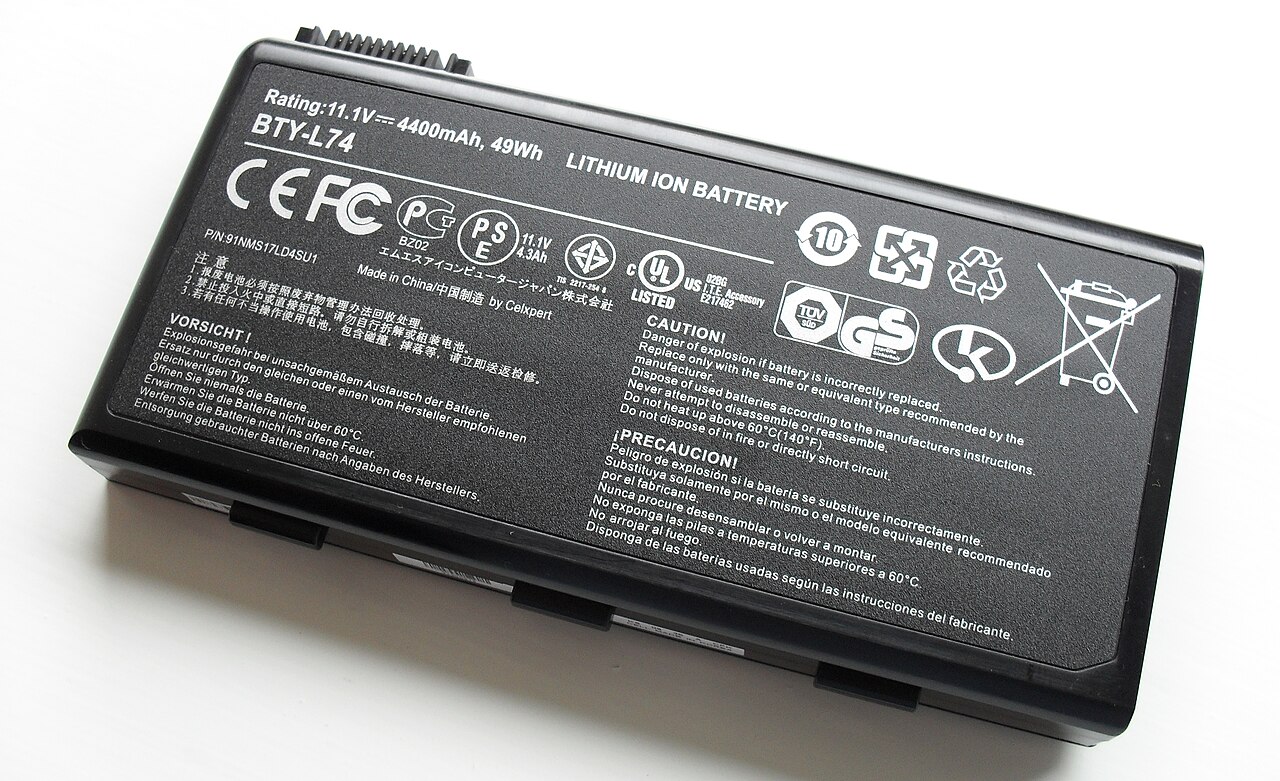
The residential solar battery market has evolved from a handful of options to dozens of competing products, each with distinct strengths, weaknesses, and ideal use cases.
Tesla Powerwall 3: The Market Leader Evolved
The Tesla Powerwall pioneered the modern home battery market when introduced in 2015, and the Powerwall 3 (released in 2024) represents significant evolution from earlier versions.
Capacity and Power: The Powerwall 3 provides 13.5 kWh usable capacity with 11.5 kW continuous power output and 30 kW peak output for 10 seconds (supporting motor starts and surge loads). This represents substantial improvement over Powerwall 2's 5 kW continuous rating, allowing whole-home backup capability without careful load management.
Integrated Solar Inverter: Unlike Powerwall 2, the Powerwall 3 includes an integrated solar inverter supporting up to 20 kW of solar panels directly. This simplifies installations, reduces component count, and eliminates need for separate solar inverters in new installations. For retrofit applications adding storage to existing solar, this integration provides less benefit.
Efficiency and Performance: Round-trip efficiency of 97.5% leads the industry, minimizing energy losses. The system operates across wide temperature ranges (-4°F to 122°F), suitable for extreme climates. Tesla's sophisticated software enables advanced features including storm watch (preemptive charging before severe weather), time-based control (optimizing around TOU rates), and self-powered mode (maximizing grid independence).
Scalability: Up to four Powerwall 3 units can be installed together, providing 54 kWh total capacity—sufficient for multi-day backup or large homes with high consumption. However, Powerwall 3 cannot be mixed with Powerwall 2, limiting upgrade paths for existing Powerwall 2 owners.
Installation and Integration: Wall-mounted or floor-standing installation options suit various sites. The Tesla app provides elegant monitoring and control, showing real-time energy flows, historical usage patterns, and projected backup duration during outages. Integration with Tesla vehicles and solar roof products creates ecosystem benefits for Tesla customers.
Cost: Approximate installed cost of $12,500-$15,000 for a single unit, with per-unit costs decreasing for multi-battery installations. This positions Powerwall competitively despite premium branding.
Ideal For: Tech-forward homeowners wanting turnkey solutions with sophisticated software, Tesla ecosystem participants, and those prioritizing high power output for whole-home backup. The integrated inverter particularly benefits new solar-plus-storage installations.
Limitations: Availability can be constrained with waiting lists in some markets. Installation requires Tesla-certified installers, potentially limiting installer choice. The proprietary nature means less flexibility mixing with other brands or upgrading components independently.
LG Chem RESU: The Versatile Workhorse
LG Chem (now LG Energy Solution) has supplied battery cells to numerous industries for years, bringing manufacturing expertise and quality reputation to residential storage markets.
Product Range: The RESU series offers multiple capacity options: RESU10H (9.8 kWh), RESU13 (12.8 kWh), and RESU16H (16 kWh), allowing customers to select sizing matching their needs without over-purchasing capacity. All models provide similar performance characteristics with capacity being the primary differentiator.
Compatibility: Unlike Tesla's integrated approach, LG RESU batteries are designed for compatibility with numerous solar inverter brands including Fronius, SolarEdge, SMA, and others. This flexibility benefits homeowners with existing solar installations or those wanting installer/inverter choice rather than locked ecosystems.
Efficiency and Performance: Round-trip efficiency of 95% provides excellent performance, though slightly lower than Powerwall 3. The compact, wall-mounted design (about the size of a large flat-screen TV) suits garage or utility room installations. Operating temperature range of 14°F to 113°F covers most climates but limits extremely cold climate applications without climate control.
Longevity: LG warranties batteries for 10 years with 70% capacity retention guarantee. Expected cycle life of 4,000-6,000 cycles supports daily use throughout the warranty period and likely well beyond.
Installation: Relatively straightforward installation by experienced solar installers familiar with the compatible inverters. The modular nature allows starting with one battery and potentially adding capacity later (subject to inverter limitations).
Cost: Installed costs typically range $9,000-$12,000 depending on capacity and location, positioning RESU as mid-priced option offering strong value proposition. The lower cost compared to Tesla sometimes makes RESU attractive despite lower power output and less sophisticated software.
Ideal For: Homeowners retrofitting storage to existing solar installations, those preferring installer and inverter choice flexibility, and value-conscious buyers seeking reliable performance without premium pricing. The range of capacity options suits diverse household sizes and consumption patterns.
Limitations: Maximum power output of 5 kW (continuous) for most models limits whole-home backup capability—large loads like electric vehicle chargers, multiple major appliances running simultaneously, or central air conditioning may exceed capacity. The battery requires compatible inverter, adding cost and complexity for new installations compared to integrated solutions like Powerwall 3.
Sonnen eco: Premium German Engineering
Sonnen, a German company, brings European emphasis on quality engineering, longevity, and intelligent energy management to the residential battery market, positioning itself as premium alternative to volume leaders.
Capacity and Modularity: The eco series offers capacity from 5 kWh to 20 kWh in 2.5 kWh increments through modular design, allowing precise sizing. This granularity prevents over-purchasing capacity while ensuring sufficient storage for actual needs.
Chemistry and Longevity: Sonnen uses lithium iron phosphate (LFP) chemistry prioritizing safety and cycle life over maximum energy density. The result is industry-leading longevity—warranted for 10,000 cycles or 10 years with 70% capacity retention. At one cycle daily, 10,000 cycles represents 27+ years of operation, suggesting batteries may outlast the homes they're installed in.
Intelligent Energy Management: Sonnen's sophisticated software learns household consumption patterns, local electricity rates, and solar generation patterns to optimize battery operation autonomously. The system predicts consumption, prices in grid electricity when beneficial despite having stored solar (if price differentials justify it), and constantly adjusts strategies maximizing economic value.
Virtual Power Plant Participation: Sonnen operates virtual power plant (VPP) programs in several markets where battery owners earn payments for allowing Sonnen to aggregate and control their batteries to support grid stability. These programs provide additional revenue offsetting purchase costs while contributing to grid decarbonization.
Power Output: The eco series provides 3.3 kW to 8.8 kW continuous power depending on configuration, with brief surge capability supporting motor starts. While adequate for typical household loads, it may limit simultaneous operation of multiple large appliances.
Cost: Installed costs range $12,000-$20,000 depending on capacity and features, positioning Sonnen as premium option. The higher cost reflects German engineering, superior cycle life, advanced software, and VPP revenue opportunities.
Ideal For: Environmentally conscious homeowners prioritizing sustainability and longevity over lowest initial cost, those comfortable with sophisticated technology and interested in participating in virtual power plant programs, and homeowners planning very long-term ownership where superior cycle life provides value.
Limitations: Higher initial cost creates longer payback periods unless VPP revenues are substantial. Availability and installer network may be more limited than mass-market alternatives. The modularity and quality come at premium prices not justified purely by capacity specifications.
Enphase IQ Battery: Modular Microinverter Integration
Enphase, the microinverter market leader, entered the battery market with an approach mirroring their solar philosophy—modular, scalable, and fully integrated.
Modular Architecture: IQ Battery 5P units provide 5 kWh usable capacity each with 3.84 kW continuous power. Multiple units install together, allowing capacity from 5 kWh to 60 kWh in 5 kWh increments. This modularity enables starting small and expanding as needs or budgets evolve.
Microinverter Integration: For homes with Enphase microinverters, IQ Batteries integrate seamlessly into the existing system, managed through the same Enphase app monitoring solar production. This unified ecosystem simplifies operation and troubleshooting compared to mixing components from multiple manufacturers.
All-in-One Design: Each IQ Battery includes integrated battery cells, microinverters, and system controller in a compact, wall-mountable package. No separate battery inverter or complicated system integration is required—units are essentially plug-and-play for certified installers.
Safety Features: The modular architecture and LFP chemistry prioritize safety. No single battery failure can take down the entire system, and LFP's inherent thermal stability reduces fire risk compared to some other chemistries.
Efficiency and Performance: Round-trip efficiency of approximately 89% is lower than premium integrated systems like Powerwall 3, but the modular architecture's flexibility often outweighs efficiency differences for appropriate applications.
Cost: Per-unit costs of approximately $7,000-$8,500 installed make small systems affordable, but multi-battery installations become expensive—three units totaling 15 kWh might cost $19,000-$22,000, exceeding alternatives offering similar total capacity.
Ideal For: Homes with existing Enphase microinverters seeking seamless integration, those wanting maximum scalability starting small and expanding gradually, and homeowners prioritizing modularity and redundancy over maximum efficiency or lowest total cost.
Limitations: Lower efficiency increases lifetime costs through greater energy losses. High per-kWh costs for larger installations make Enphase less competitive for big capacity needs. The system works best within Enphase ecosystem—homes with other inverter brands gain less integration benefit.
Additional Notable Options
Generac PWRcell: The backup generator giant's entry into batteries offers 9-18 kWh capacity with modular scalability, integrated inverter, and whole-home backup capability. Generac's extensive installer network and backup power expertise create compelling option for those prioritizing resilience. Cost ranges $12,000-$20,000 installed.
Franklin WH aPower: This newer entrant provides 13.6 kWh capacity with impressive 12 kW continuous power output (expandable to 36 kW with multiple units). The integrated design and competitive $11,000-$14,000 installed pricing position it as strong Powerwall alternative, though limited track record and installer network.
BYD Battery-Box Premium: The Chinese manufacturer offers LFP batteries in modular 2.5 kWh increments from 5 kWh to 20+ kWh total. Competitive pricing ($8,000-$15,000 depending on capacity), long cycle life (6,000+ cycles), and compatibility with multiple inverters create value proposition for cost-conscious buyers.
SimpliPhi PHI 3.5: Premium LFP batteries emphasizing safety, non-toxicity (no cobalt), and extreme temperature tolerance (-4°F to 140°F). The 3.5 kWh modules are smaller than competitors, allowing precise sizing but requiring multiple units for typical household needs. Costs run $10,000-$18,000 for systems of 7-14 kWh.
Key Considerations When Choosing Solar Batteries
Selecting the optimal battery requires systematically evaluating multiple factors, prioritizing what matters most for your specific situation.
Sizing Battery Capacity to Your Needs
Backup objectives largely determine required capacity. For whole-home backup lasting 1-2 days without solar recharging, calculate daily electricity consumption (visible on utility bills as average daily kWh) and multiply by desired backup days. A home using 30 kWh daily would need 30-60 kWh for 1-2 days backup—requiring multiple large batteries.
Essential loads backup dramatically reduces required capacity. Calculate critical loads only: refrigerator (1-2 kWh daily), internet/communications (0.5 kWh), lighting (1-2 kWh), heating/cooling (variable, potentially 10-20 kWh daily in extreme weather), and any medical equipment. Essential loads might total only 15-20 kWh daily, requiring just 15-30 kWh battery capacity for 1-2 days backup.
Solar recharging considerations change calculations. If solar continues generating during outages (typical unless shade, damage, or multi-day storms), even modest battery capacity can provide indefinite backup if solar generation meets or exceeds consumption. A 10 kWh battery paired with adequate solar might sustain essential loads indefinitely by cycling daily.
Self-consumption optimization without backup priorities requires different sizing logic. Calculate excess solar generation during high-production hours (typically spring/summer midday) and evening/night consumption when solar is unavailable. The difference represents storage opportunity. A home generating 15 kWh excess midday and consuming 12 kWh evening/night benefits from approximately 10-13 kWh storage.
Cost-benefit optimization often suggests moderate capacity (10-15 kWh) for typical homes rather than maximizing backup capability. Diminishing returns emerge as capacity increases—the second 10 kWh of capacity typically generates less value than the first 10 kWh since the first optimizes daily self-consumption while additional capacity primarily provides infrequently-used backup.
Power Output Requirements
Peak load analysis determines maximum simultaneous power draw your home experiences. Check your circuit breaker panel—a 200-amp panel suggests maximum theoretical draw of 48,000 watts (200 amps × 240 volts), but typical peak household consumption is far lower, perhaps 8,000-15,000 watts when major appliances run simultaneously.
Identify major loads: electric water heater (4,000-5,500 watts), central air conditioning (3,000-5,000 watts), electric vehicle charger (7,200-19,200 watts), electric oven/range (3,000-5,000 watts), electric dryer (3,000-5,000 watts), and pool pump (1,500-2,500 watts). Understanding which loads might operate simultaneously helps determine required power output.
Load management options include manual coordination (not running multiple major loads simultaneously during battery operation), automatic load shedding (systems automatically disconnect non-essential loads if power demand exceeds battery capacity), and simply accepting that certain high-draw devices won't operate during battery backup.
Starting surge requirements matter particularly for motors—compressors in refrigerators, freezers, air conditioners, and pumps draw 2-5× their running wattage briefly during startup. Battery surge ratings must accommodate these transients, or motors may fail to start even if running power is adequate.
Battery Compatibility and System Integration
Existing solar retrofit versus new installation drives compatibility considerations. Retrofitting batteries to existing solar requires compatible inverters or adding battery inverters, potentially complicating installations and reducing elegance. Purpose-designed integrated systems like Powerwall 3 offer cleaner solutions for new installations but may not work efficiently with existing solar.
Inverter architecture matters: some batteries include integrated inverters (AC-coupled systems), simplifying installation but locking you into that manufacturer's inverter. Others are DC-coupled, requiring separate inverters but potentially offering better efficiency and flexibility. Hybrid inverters manage both solar and batteries, providing elegant solutions for new installations.
Communication protocols enabling monitoring and control vary. Systems using common standards allow mixing components from different manufacturers, while proprietary systems lock you into single-vendor ecosystems. Consider whether you value flexibility or prefer simplified single-vendor solutions.
Efficiency and Performance
Round-trip efficiency differences of 5-10% might seem small but compound over decades. A system cycling 10 kWh daily with 90% efficiency wastes 1 kWh daily (3,650 kWh over 10 years), while 95% efficiency wastes only 0.5 kWh daily (1,825 kWh over 10 years)—a difference of 1,825 kWh worth $300-$500 at typical electricity rates.
Temperature sensitivity affects both efficiency and longevity. Batteries in climate-controlled spaces (garages, basements) perform better and last longer than those in extreme environments. If installation location experiences extreme temperatures, choose batteries rated for wider temperature ranges or provide climate control.
Depth of discharge limitations on older or cheaper batteries reduce usable capacity. A 10 kWh battery with 70% DoD provides only 7 kWh usable capacity, while one with 100% DoD provides the full 10 kWh. Always compare usable capacity, not total capacity.
Warranty, Lifespan, and Degradation
Warranty terms vary significantly across products. Compare:
- Duration: 10 years is standard, though some offer 15 years or 25 years (Tesla Powerwall+)
- Capacity retention: What percentage of original capacity is guaranteed at warranty end? 60%? 70%? 80%?
- Throughput: Some warranties guarantee specific total throughput (MWh discharged over warranty period) rather than just time duration
- Conditions: What voids warranties? Extreme temperatures, improper installation, unauthorized modifications?
Expected vs. warranted lifespan: Warranties guarantee minimums, but well-designed batteries often last well beyond warranty periods. LFP batteries rated for 10,000 cycles might provide 15-20 years of service even if warranted for only 10 years.
Degradation patterns: Lithium batteries lose capacity gradually—typically 2-3% annually, declining toward 70-80% original capacity after 10-15 years. This degradation is normal and anticipated, but rates vary by chemistry, usage patterns, temperature management, and manufacturing quality.
Installation Requirements and Complexity
Physical dimensions and weight: Most wall-mounted batteries weigh 200-300 pounds and measure roughly 3-4 feet tall by 2-3 feet wide by 6-8 inches deep. Ensure installation location can support weight and accommodate dimensions.
Electrical requirements: Batteries require dedicated circuits, proper grounding, and integration with home electrical systems. Code requirements vary by jurisdiction, and some utilities have specific interconnection requirements.
Permitting and inspections: Battery installations require electrical permits and inspections in most jurisdictions. Installations must meet National Electrical Code (NEC) requirements, local amendments, and utility interconnection standards. Professional installers handle permitting, but budget 2-6 weeks for permit approval processes.
Ventilation and spacing: While modern lithium batteries produce minimal off-gassing under normal operation, codes often require minimum clearances around batteries for ventilation, service access, and fire safety. Compact spaces may not accommodate battery installations meeting code requirements.
Cost Analysis and Return on Investment
Upfront costs for residential battery systems typically range from $8,000 to $20,000+ depending on capacity, brand, and installation complexity. Calculate cost per kilowatt-hour of usable capacity to compare value across products with different capacities.
Federal tax credits: The Investment Tax Credit (ITC) currently provides 30% tax credit for battery storage when installed with solar or for charging from existing solar systems. This credit alone reduces a $15,000 battery system cost to $10,500 net—dramatically improving economics. The credit applies to installation costs too, not just equipment.
State and utility incentives: Many states and utilities offer additional rebates, credits, or performance payments for battery installations. California's SGIP program has provided billions in battery incentives. Massachusetts, New York, and others offer substantial state-level support. Research programs available in your location through the Database of State Incentives for Renewables & Efficiency (DSIRE).
Electricity savings calculations: Estimate annual savings from increased self-consumption and avoided expensive grid electricity. A battery storing 10 kWh daily that would otherwise be purchased at 20¢ per kWh saves $730 annually (10 kWh × $0.20 × 365 days). Over 10 years, that's $7,300 in savings—potentially justifying the investment even before considering backup value.
Time-of-use arbitrage value: In locations with significant TOU rate differentials, batteries generate additional value by shifting consumption from expensive peak periods to cheap off-peak periods or free solar periods. Calculate the peak/off-peak differential and daily kWh shifted to estimate savings.
Backup power value: How much is backup worth to you? While difficult to quantify financially, consider: avoided food spoilage ($200-$500 per multi-day outage), avoided hotel stays during extended outages ($150-$300 per night), maintained medical equipment operation (priceless), and avoided generator purchase and fuel costs.
Payback period: Divide net cost (after incentives) by annual savings to calculate payback period. For example: $11,500 net cost ÷ $1,000 annual savings = 11.5 year payback. Consider whether this timeline is acceptable, recognizing that benefits continue for decades beyond payback while the battery still operates.
Installation Process and Requirements
Understanding what battery installation involves helps you prepare, anticipate timelines, and budget appropriately.
Finding and Selecting Installers
Certified installers specifically trained and certified by battery manufacturers ensure proper installation following manufacturer specifications—critical for performance, safety, and warranty validity. Tesla Powerwall requires Tesla-certified installers, while other brands work with broader installer networks.
Solar-plus-storage specialists with experience integrating batteries into solar systems (new or existing) understand the complexities better than general electricians. Look for installers with multiple battery installations in their portfolio, references you can contact, and proper licensing and insurance.
Get multiple quotes from at least three installers, comparing not just price but also proposed equipment, system design, payment terms, warranties, and timeline. Lowest price isn't always best value—installation quality matters immensely for long-term performance and safety.
Check credentials: Verify contractor licensing, insurance coverage (both liability and workers compensation), Better Business Bureau ratings, online reviews, and references from recent similar projects. NABCEP (North American Board of Certified Energy Practitioners) certification indicates professional competence in solar and storage systems.
Pre-Installation Assessment
Site evaluation determines optimal battery location considering:
- Accessibility: Easy access for installation and future service
- Climate control: Protection from extreme temperatures extends lifespan
- Proximity to electrical panel: Shorter runs reduce costs and losses
- Structural support: Walls or floors supporting battery weight
- Ventilation: Adequate airflow and code-required clearances
- Protection: Security against tampering, weather protection
Electrical system evaluation assesses whether your home's electrical panel, service size, and wiring can accommodate battery integration. Homes with older 100-amp service might require electrical service upgrades to 200 amps, adding $2,000-$5,000 to project costs.
Load analysis determines whether your consumption patterns, solar generation profile (for existing solar homes), and goals align with proposed battery system sizing and capabilities.
Installation Timeline
Permitting typically requires 2-6 weeks depending on local building department efficiency. Some jurisdictions offer expedited permitting for solar-plus-storage systems, while others have lengthy backlogs. Installation cannot proceed without approved permits in most jurisdictions.
Physical installation usually takes 1-3 days for straightforward installations, longer for complex multi-battery systems or those requiring electrical service upgrades or significant electrical panel modifications.
Utility interconnection processes vary widely—from simple paperwork taking days to complex review requiring weeks or months. Some utilities require witnessing system activation, others accept installer certification. This step can't be skipped; operating grid-connected battery systems without utility approval violates interconnection agreements and potentially code requirements.
System commissioning includes installer testing, configuration programming (setting operational modes, backup priorities, utility rate schedules), and customer training on system operation and monitoring.
Post-Installation Responsibilities
Monitoring: Modern systems provide mobile apps showing real-time energy flows, historical performance, backup capability estimates, and alerts for issues. Regular monitoring helps identify problems early and optimize system operation.
Maintenance: Lithium batteries require minimal maintenance—no watering, cleaning, or equalization like lead-acid batteries. However, occasional professional inspections (annually or every 2-3 years) check connections, verify proper operation, and perform software updates.
Software updates: Like smartphones, battery systems receive periodic firmware updates improving performance, adding features, or addressing issues. Most systems update automatically when connected to internet, though some require manual update initiation.
Optimizing Battery Performance and Longevity
Proper operation and management significantly impact battery lifespan, performance, and value delivery.
Operating Mode Selection
Self-powered mode maximizes grid independence by prioritizing battery use over grid electricity, drawing from the grid only when battery depletes. This mode maximizes environmental benefits but might not optimize economics in all rate structures.
Time-based control optimizes around utility rate schedules, charging during off-peak periods and discharging during on-peak periods to minimize electricity costs. This mode typically provides best financial returns in locations with substantial TOU rate differentials.
Backup-only mode reserves battery capacity entirely for outages rather than daily cycling. This maximizes backup capability and extends battery lifespan (fewer cycles) but forgoes daily savings from self-consumption or TOU arbitrage.
Advanced modes available on sophisticated systems might combine strategies—using stored energy for TOU optimization while maintaining minimum reserve for backup, or participating in virtual power plant programs allowing utility or third-party control in exchange for payments.
Temperature Management
Operating temperatures dramatically affect battery lifespan and performance. Batteries operating consistently at 70-75°F might last 15+ years, while those regularly experiencing 95°F+ might degrade to warranty minimums within 10 years. Installing batteries in climate-controlled spaces extends lifespan significantly.
Thermal management systems in premium batteries actively cool or heat to maintain optimal temperatures. Less sophisticated systems rely on passive cooling and ambient temperatures, making installation location critical.
Cycling Depth and Frequency
Shallow cycles (charging/discharging partial capacity) extend lifespan compared to deep cycles (fully charging and discharging). A battery cycled daily to 50% depth might last 50% longer than one cycled to 100% depth daily—though practical benefits depend on warranty terms and actual degradation rates.
Balancing optimization: While shallow cycling extends lifespan, it also underutilizes capacity, potentially requiring larger (more expensive) systems to achieve desired functionality. Most homeowners should cycle batteries normally rather than babying them excessively—manufacturers design systems for expected use patterns and warranty accordingly.
Monitoring and Diagnostics
Regular monitoring identifies potential issues early. Watch for:
- Declining capacity beyond expected degradation rates
- Unusual discharge rates when battery shouldn't be discharging
- Failed charging when solar is generating or grid is available
- System errors or alerts in monitoring apps
- Temperature anomalies suggesting cooling problems
Professional diagnostics every 2-3 years verify proper operation, check electrical connections, update software, and identify developing issues before they become serious problems.
Common Challenges and Troubleshooting

Understanding potential issues helps you anticipate problems and address them efficiently.
Insufficient Backup Duration
Reality vs. expectations: Many homeowners overestimate backup duration their batteries provide. A 13.5 kWh battery might power essential loads for 24+ hours but whole-home loads for only 6-8 hours. Setting realistic expectations prevents disappointment during actual outages.
Solutions: Reduce backup loads by identifying and disconnecting non-essential circuits during outages, add battery capacity, implement load shedding, or supplement with portable generator for extended outages exceeding battery capability.
Incompatibility Issues
Existing solar retrofit complications: Adding batteries to existing solar systems sometimes reveals incompatibility between solar inverters and battery systems, requiring inverter replacement or additional equipment. Careful pre-installation assessment prevents these expensive surprises.
Solutions: Work with experienced installers who thoroughly assess compatibility before proposing solutions, consider AC-coupled batteries that work with any existing solar inverter, or budget for inverter replacement if necessary for optimal integration.
Permitting and Interconnection Delays
Bureaucratic obstacles: Building departments and utilities sometimes lag in updating processes for battery systems, creating frustrating delays even when systems meet all technical requirements.
Solutions: Work with experienced installers familiar with local processes and utility requirements, submit complete application packages the first time to avoid rejection and resubmission delays, and be patient—while frustrating, permits and approvals eventually come through.
Warranty Claim Processes
Degradation disputes: When batteries degrade faster than expected or fail prematurely, navigating warranty claims can be challenging—manufacturers may dispute whether degradation exceeds warranty terms or blame improper installation or operation.
Solutions: Document everything from installation quality to operating conditions to performance data, work with reputable installers who warranty their installation quality separately from equipment warranties, and be persistent when pursuing legitimate warranty claims.
The Future of Home Battery Storage
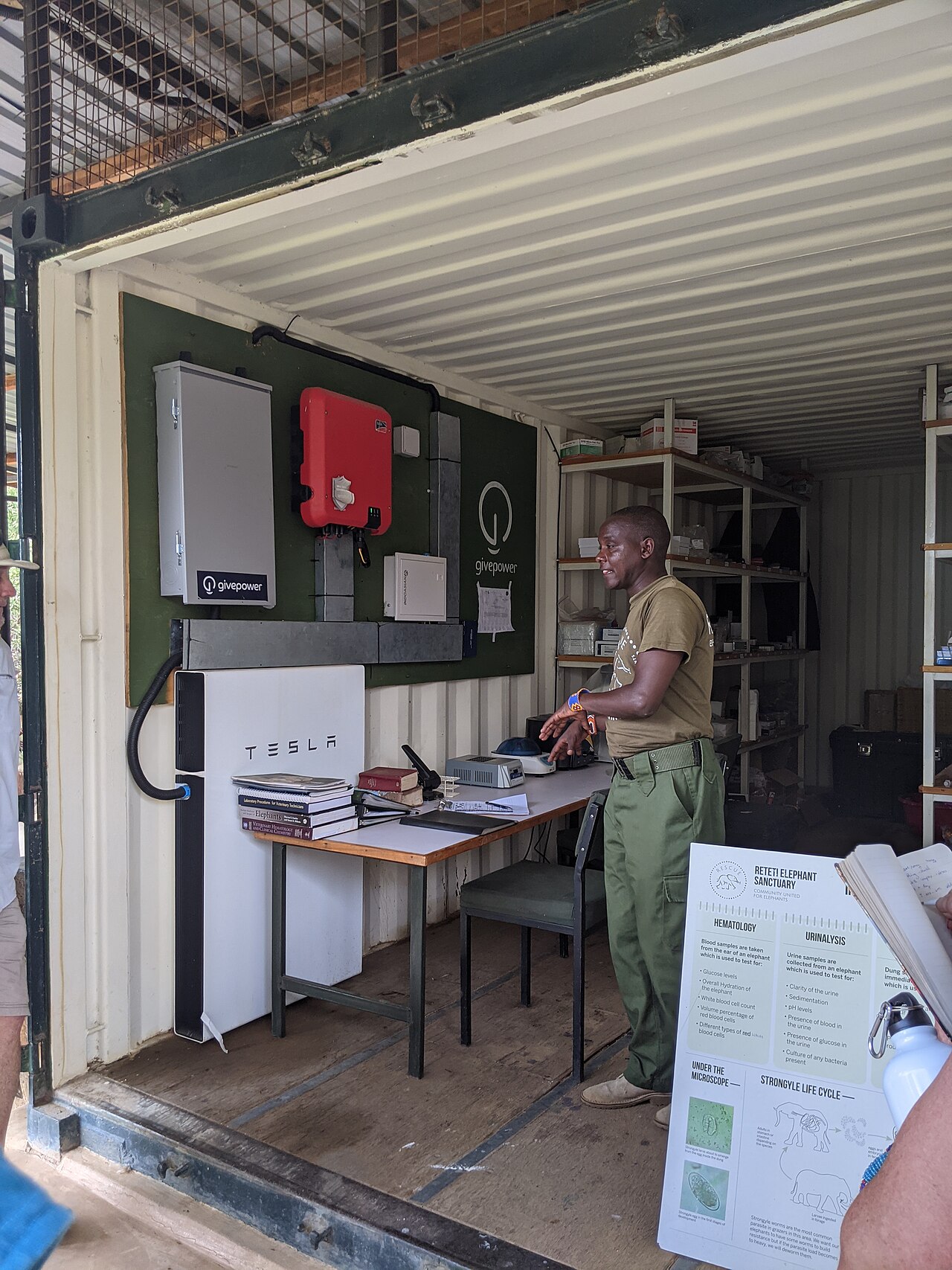
Understanding where battery technology and markets are heading helps contextualize purchase decisions and future planning.
Declining Costs and Improving Technology
Battery prices have fallen approximately 90% over the past decade and continue declining 5-10% annually as manufacturing scales, technology improves, and competition intensifies. Today's $12,000 battery might cost $8,000-$9,000 in 3-5 years while offering better performance.
Energy density improvements pack more storage into smaller, lighter packages, reducing installation footprint and complexity. Future batteries might provide 20 kWh in today's 13.5 kWh footprint.
Longer lifespans: Emerging chemistries and management systems extend battery lifespans toward 20-25 years, making replacement less frequent and improving lifetime economics.
Vehicle-to-Home (V2H) Integration
Electric vehicle batteries represent massive storage capacity (typically 60-100 kWh) that could provide home backup if properly integrated. Vehicle-to-home (V2H) technology enables bidirectional charging, allowing EV batteries to power homes during outages or provide grid services.
Ford F-150 Lightning offers V2H capability today with proper equipment, and other manufacturers are adding this feature. The combination of transportation and home energy storage in a single asset could transform home energy management and reduce need for dedicated stationary batteries.
Virtual Power Plants and Grid Services
Aggregated battery networks coordinating thousands of home batteries create "virtual power plants" rivaling conventional generation capacity. Homeowners earn payments for participating, utilities gain grid stability tools, and society benefits from cleaner, more resilient electricity systems.
Market maturity: As VPP programs expand and regulatory frameworks evolve, battery ownership might eventually generate ongoing revenue beyond direct electricity savings—potentially improving payback periods substantially.
Solid-State Batteries
Next-generation solid-state batteries replacing liquid electrolytes with solid materials promise higher energy density, improved safety, faster charging, and longer lifespans. While still largely in development for residential applications, these batteries could revolutionize home storage within 5-10 years.
Making Your Decision: A Framework
With all this information, how do you actually decide which battery (if any) to purchase?
Step 1: Define Your Priorities
Rank these objectives:
- Backup power during outages: Duration needed? Whole-home or essential loads?
- Financial savings: Maximizing ROI through self-consumption and TOU optimization?
- Environmental impact: Reducing carbon footprint and supporting grid decarbonization?
- Energy independence: Psychological/practical value of grid independence?
- Future-proofing: Preparing for EV charging, increased electrification, or changing utility rates?
Step 2: Assess Your Situation
Evaluate:
- Existing solar: Do you have it? What size and type?
- Electricity consumption: Daily average, seasonal variation, major loads?
- Utility rates: Flat rate or TOU? Peak/off-peak differentials? Net metering policies?
- Outage frequency: How often does your power go out? For how long?
- Budget: What can you afford? What financing is available?
- Timeline: How quickly do you need/want installation?
Step 3: Size Appropriately
Calculate:
- Backup capacity needed: Essential loads × backup duration desired
- Self-consumption opportunity: Excess solar generation × evening/night consumption
- TOU arbitrage potential: Peak consumption × peak/off-peak rate differential
Choose capacity meeting your highest-priority objective without dramatically oversizing (diminishing returns).
Step 4: Compare Leading Options
Create comparison matrix evaluating:
- Capacity (usable kWh)
- Power output (continuous and surge kW)
- Efficiency (round-trip %)
- Cost ($ and $/kWh)
- Warranty (years and capacity retention %)
- Compatibility with your existing or planned solar system
- Installation complexity and timeline
- Monitoring and control features
- Manufacturer reputation and installer availability
Step 5: Run the Numbers
Calculate:
- Total cost (equipment + installation - incentives)
- Annual savings (self-consumption + TOU arbitrage + backup value)
- Payback period (total cost ÷ annual savings)
- Lifetime value (annual savings × expected lifespan)
Compare financial returns against your priorities—if backup power is primary motivation, pure financial payback matters less than if you're solely motivated by savings.
Step 6: Choose and Act
Select the battery best matching your priorities, situation, and budget. Get multiple installer quotes, verify credentials and references, review contracts carefully, and proceed with installation.
Conclusion: Empowering Your Energy Future
Solar batteries represent more than just backup power or electricity cost savings—they embody energy autonomy, resilience in an uncertain world, and practical steps toward sustainable living. As grid reliability questions intensify, electricity rates rise, and climate change drives increased electrification, home battery storage transforms from luxury to necessity for forward-thinking homeowners.
The technology has matured remarkably over the past decade. Today's batteries are safe, reliable, long-lasting, and increasingly affordable. The question is no longer whether battery storage makes sense but which system best matches your specific needs, priorities, and circumstances.
Whether you choose the sophisticated integration of Tesla Powerwall 3, the versatile compatibility of LG RESU, the premium engineering of Sonnen eco, the modular flexibility of Enphase IQ Battery, or any other quality option, you're investing in your home's energy future while contributing to broader grid decarbonization and resilience. The peace of mind from knowing your home will maintain power during outages, the satisfaction of maximizing your solar investment, and the financial returns from optimized energy management make battery storage one of the most valuable home improvements available today.
As you move forward with your battery decision, remember that this investment serves you for decades. Choose wisely based on thorough analysis of your situation rather than marketing hype or lowest initial cost. Work with experienced, reputable installers who guarantee quality work. And once your system is operational, monitor performance, maintain properly, and enjoy the energy independence and resilience you've created for yourself and your family.
The future of home energy is decentralized, clean, and resilient—and with the right solar battery system, that future is already available today.
Additional Resources
Learn more about solar energy and home battery storage:
- EnergySage Solar Battery Comparison Tool
- U.S. Department of Energy - Solar Energy Technologies Office
For more information about home systems and energy efficiency, visit how your house works.